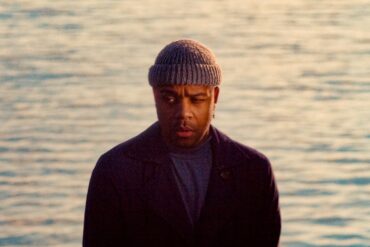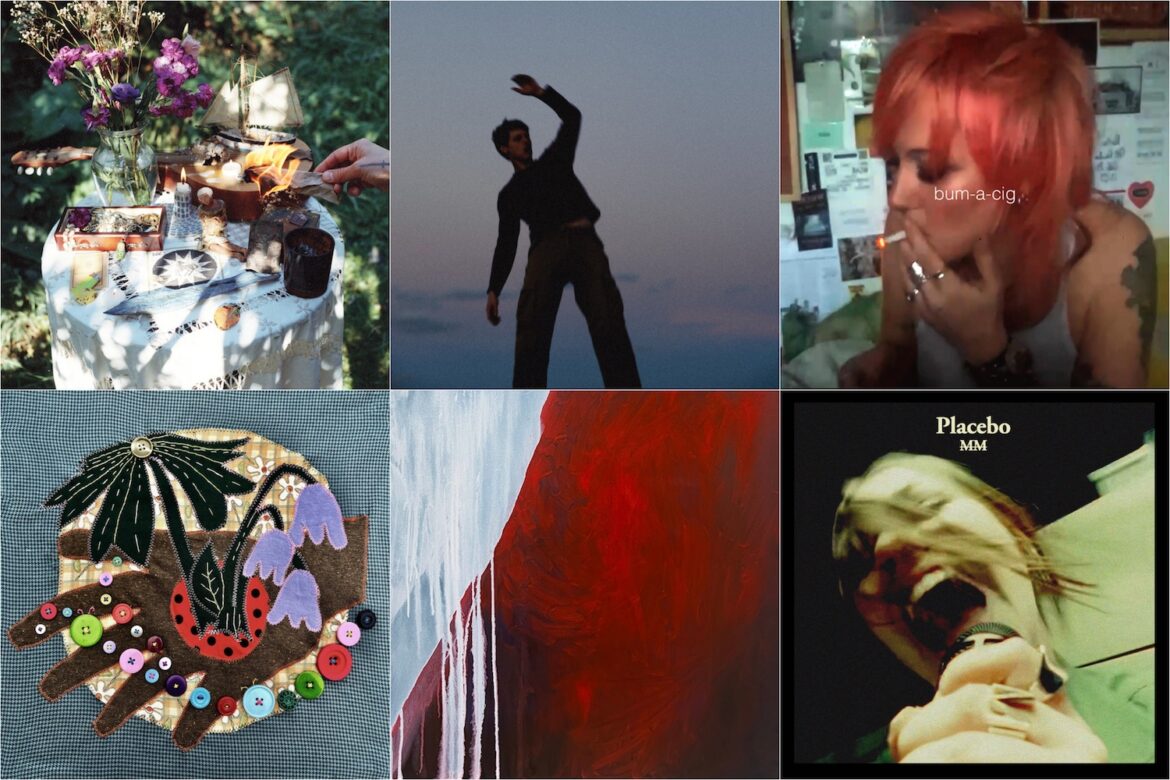
Atwood Magazine is excited to share our Editor’s Picks column, written and curated by Editor-in-Chief Mitch Mosk. Every week, Mitch will share a collection of songs, albums, and artists who have caught his ears, eyes, and heart. There is so much incredible music out there just waiting to be heard, and all it takes from us is an open mind and a willingness to listen. Through our Editor’s Picks, we hope to shine a light on our own music discoveries and showcase a diverse array of new and recent releases.
This week’s Editor’s Picks features Hollow Hand, Noonzy, Nautics, Maggie Miles, Closebye, and Flowers for the Dead!

 follow EDITOR’S PICKS on Spotify

“Here Are the Tulips”
by Hollow HandA whole world of effortless cool blooms from the loose poetry of one ordinary morning.
Hollow Hand’s restless, hypnotic “Here Are the Tulips” turns a bus ride, a half-read story, and a mind wandering toward flowers, memory, and the future into a broodingly bright alternative rock reverie. Guitars jangle and glide over a feelgood pulse while Max Kinghorn-Mills sings with an aching nonchalance, making every stray thought land like part of a private mythology. Catchy, unhurried, and alive with the shaggy charm of ‘90s British rock, the song finds magic in the everyday without ever forcing the glow.
“Eight in the morning,
just when I’m yawning
Catching the bus,
now I’m reading a story
The words that you’re
writing mustn’t be boring
Mustn’t be long words
where is my story? Yeah
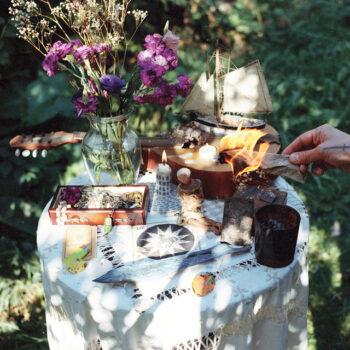
Released June 3 via Loose Music / Soundly, “Here Are the Tulips” is the first preview of Hollow Hand’s fourth album, Wish Road South, out September 4. The record follows 2023’s Your Own Adventure and arrives after a period of motion and reassessment for Kinghorn-Mills, whose recent years included touring and collaborating with Caitlin Rose and Aoife Nessa Frances, as well as supporting MJ Lenderman across Europe. He returned to Brighton creatively energized but dissatisfied with the version of the album waiting on his computer. Rather than keep polishing music that no longer excited him, he set much of it aside and began again.
The reset began with “Here Are the Tulips.” Working alongside drummer Oliver Newton and bassist Leo Clarke in their shared Brighton studio, Kinghorn-Mills abandoned the isolation of his earlier bedroom-recording process and captured the song live as a trio. The performance’s looseness gave Hollow Hand the answer they had been searching for: A sound built around instinct, interaction, and the tiny imperfections that reveal musicians listening to one another in real time. The track became both a creative breakthrough and a blueprint for the album that followed.
“This was the first track Leo, Oli, and I recorded, sat down as a trio, recording live together,” Kinghorn-Mills tells Atwood Magazine. “Hearing back the core recording, I realized that things were going to work out fine this way, and it opened up a vital pathway to continue working on the rest of the LP. I think ‘Here Are the Tulips’ just feels good as an introduction to how I’m feeling about recording music right now.”
Its opening verse places us directly inside Kinghorn-Mills’ morning routine, but the familiar scene quickly slips its earthly coordinates. A sleepy commute becomes a meditation on storytelling itself as he considers what makes words worth reading and wonders where his own story might be hiding. The chorus arrives like a thought spoken before it can be tidied up: “Ooh baby, I could write another song / And I’ll call it ‘Too Slow,’ maybe / I know that I’m writing something about you.” The title remains uncertain, but the song’s emotional subject never does. Whoever “you” may be, they are already present in every wandering image.
ooh baby
I could write another song
and I’ll call it
too slow maybe
i know that I’m writing
something about you, yeah
“Here Are the Tulips” appears to discover its meaning while it moves. Kinghorn-Mills asks where joy lives and what the future holds, then follows his imagination from a river to the ocean, from flowers in the soil to Venus and the blinding sun. These images share no obvious chronology, yet they belong together through feeling: affection, curiosity, memory, and the half-conscious associations that surface when the mind is free to roam. “You are the picture / You are the stars through a perfect mirror” turns the unnamed subject into both a person and a way of seeing, while the tulips evoke something tactile and inherited – hands in the earth, following what a mother once showed you.
“Now that I read the words back, ‘Here Are the Tulips’ appears to be a song about writing a song,” Kinghorn-Mills reflects. “I feel like I’m happiest with my lyrics when they’re simple. The more labored, the further away they feel to me. These verses contain treasured vignettes, a series of special memories that I think back to often.”
where is the joy and how is the future?
fast like a river I ran to the ocean
I am the ocean, you are the picture
you are the stars through a perfect mirror
red as a flower, well here are the tulips
digging in the ground
like your mother showed you,
I’m on the planet that’s closest to Venus,
stared at the sun ’til I couldn’t see you, yeah
Such simplicity allows the song’s deeper ache to remain in motion rather than settling into explanation. Its rhythm keeps nudging forward while the guitars hover, curl, and flash around Kinghorn-Mills’ voice, creating a constant push and pull between momentum and reflection. Newton and Clarke give the track its feelgood stride, yet the performance retains enough friction to keep its sweetness from becoming weightless. Kinghorn-Mills is the perfect center of gravity: His delivery is melodic and bruised, carrying longing with a dry, conversational ease that makes the song’s more vulnerable questions seem to escape almost by accident.
There is a flash of ‘90s British alternative rock in that balance – the same gift Blur possessed for turning passing observations, emotional evasions, and ordinary English life into something slyly anthemic. Hollow Hand channel that spirit through a warmer, earthier lens, preserving the background noise and breathing room of the original session while Clarence Clarity’s mix gives every hook a subtly radiant edge. The song sounds lived-in and immediate, as though we have wandered into the room at the precise moment the band realize how good it can be.
“This recording feels very free,” Kinghorn-Mills shares. “You can hear background noise from the session; the pressure is off and we’re relaxed. Clarence Clarity brought so much to the sound with his mixing on this album. We’ve played in bands together for years, and by now we don’t really need to talk much to understand our goal.”
“In between touring, I’d been struggling to find the sound I wanted on this album. There are a lot of rejected recordings on my computer. Listening back to ‘Here Are the Tulips’ for the first time, I realized it was exactly what I was looking for. We recorded the core of the album very quickly after that, so I suppose this song represents a creative breakthrough and important progress. That’s why it sounds positive to me.”
That turning point gives Wish Road South its route forward. The album takes its title from a bus stop Kinghorn-Mills passed on his way to the studio, grounding the record in the lonely early mornings and incremental progress of its creation. Yet the name also carries a more spiritual sense of searching – for direction, a guardian angel, or the elusive knowledge that one has finally arrived somewhere worthwhile. “Here Are the Tulips” captures that quest in miniature, moving through uncertainty without losing its appetite for beauty. Its everyday details do not diminish the mystery; they are where the mystery lives.
“I just want to be honest with my songwriting,” Kinghorn-Mills says. “Maybe some of the tracks are sad, but it’s real, and that’s what I need when I write a song. When it comes to words, I don’t want to work on them; it shouldn’t be toilsome. In quantum physics, you can never understand a moving particle because observing it changes it so fundamentally. For me, writing feels this way. You have to shoot from the hip, and if you don’t, then you’re going to miss. Here I am, everyone – pleased to meet you.”
Ooh, baby
I could write another song
and I’ll call it
too slow maybe
I know that I’m writing
something about you
Ooh, baby
I could write another song
and I’ll call it
you know maybe
I know that I’m writing
something about you, yeah
At once a travelogue, a love song, and a portrait of inspiration returning, “Here Are the Tulips” is alternative gold. It carries the melodic immediacy of a song you’ve known for years and the live-wire spark of one being discovered before your ears. Its ache hides beneath the bounce, its questions linger inside the hooks, and its effortlessly stylish, irresistibly English arrangement makes a routine commute feel like a portal into memory, desire, and possibility.
By the end, eight in the morning feels like the beginning of everything – a minor miracle with a major hook.
“Easy”
by NoonzyFreedom begins in the body, in the instant stillness gives way to motion and joy comes flooding through.
Ethereal, euphoric, and irresistibly alive, Noonzy’s “Easy” captures that magical release in real time, opening like a weightless waltz before blooming into a glistening indie pop anthem whose golden light pours from every synth, harmony, and beat. Antwerp singer/songwriter Arnaud Stockbroekx lets the music gather patiently around his voice before sending it soaring, delivering a breathtaking performance that grows more radiant with every refrain. Sweet, soulful, and sun-soaked, “Easy” transforms surrender into momentum and makes living in the moment feel less like an idea than a physical dreamstate.
Hang like a willow
Stand on the brink
We’re dancing on water
And deeper I sink
I’m letting my body
Feel what it wants
I’m trusting my body
To know what it wants
Only when you move through me…
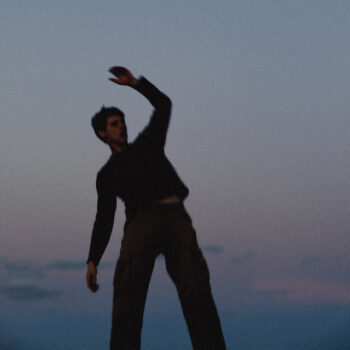
Released in June via Play It Again Sam, “Easy” is the second preview of Noonzy’s debut album, Plan Is Bad, out October 2. It follows “Yeah (I’m In)” and marks a bold step forward from the laid-back acoustic intimacy of his 2022 Post-it-tapes EP and last year’s Puppies. Working in London with producer Nathan Jenkins, better known as Bullion, Noonzy has expanded his songwriting into a vivid world of groovy electronics, sweeping pop production, and happy accidents – preserving the warmth at the heart of his music while embracing a larger, more unapologetic scale.
At its core, “Easy” is about loosening your grip and trusting the body to know what the mind cannot solve. “Hang like a willow / Stand on the brink” imagines surrender as a kind of flexible strength, while “We’re dancing on water / And deeper I sink” allows freedom, uncertainty, and intimacy to coexist. Noonzy stops resisting what the moment asks of him: “I’m letting my body feel what it wants,” he sings, exchanging deliberation for instinct. The repeated “Only when you move through me” turns that private awakening into connection – two people finding release by moving together rather than trying to contain or define what passes between them.
Rolled dice pick a number let’s go
Chase high let the fire grow
Sunrise we don’t wanna go home
You know I know
Remember times we spent with nothing ahead
Four five and we live in the moment
Young hearts in love again and again and again
Only when you move…
The song soon widens that surrender into a way of living. Dice are rolled, fires are fed, and sunrise arrives before anyone is ready to go home. Memories of having “nothing ahead” become a celebration of their own: young hearts falling in love again and again, choosing experience before certainty and joy before explanation. Even when old questions surface – “Are we good enough?” and “Does it matter / When nothing ever makes sense anyway?” – the song refuses to become trapped inside them. Its answer remains movement: step forward, let go, and allow life to reveal itself while you are already living it.
That philosophy is built into the arrangement. “Easy” began as a mellow demo in 3/4 time, but its transformation into an uptempo 4/4 pop song unlocked an energy Noonzy could not ignore. Rather than discard the original waltz, he preserved its suspended character in the opening, allowing the synths and vocal harmonies to gather gradually until the rhythm finally breaks through.
“What started out as a mellow demo in 3/4 – yes, a waltz! – turned into an uptempo 4/4 pop track,” Noonzy tells Atwood Magazine. “The intro still carries the character of what the demo used to be; there’s a stillness in it, almost like a moment of pause where everything is allowed to exist without resistance: ‘Hang like a willow.’”
“As we experimented with the rhythm, we found that the 4/4 version of the same musical idea had an undeniable energy. We didn’t want to lose the character of the intro entirely, though – it felt too important. That stillness is what makes the energy of the 4/4 hit the way it does, so instead of choosing between them, we found a way to bridge the two.”
It’s a sign from above
Tell me are we good enough
Tell me what you’re thinking off
Does it matter
When nothing ever makes sense anyway
Won’t you come and take a look
It’s chapter in a bigger book
Only when you move…
When the drums finally arrive, “Easy” does more than accelerate; it seems to lift clear off the ground. Rhythmic synths shimmer beneath layers of harmony as Noonzy’s voice opens from tender restraint into a showstopping rush, each note carrying equal measures of wonder and conviction. His singing is the song’s crown jewel, a luminous performance whose warmth gives its sweetness depth and its euphoria a human pulse. The contrast gives the song its enchanting power: We are allowed to pause, breathe, and exist before the music sweeps us forward. Its joy never feels imposed. It grows naturally, gathering heat and color until the listener is fully inside its current, lighter and more alive than when the song began.
“That shift leads into the central idea of the song: ‘only when you move,’” Noonzy explains. “It’s a turning point – a call to release everything you’ve been holding in. When the drums finally kick in, the track bursts into motion, almost like a train leaving the station.”
That balance between careful songcraft and fearless surrender sits at the heart of Plan Is Bad. Its title reflects Noonzy’s desire to loosen his need for control, accept uncertainty, and trust wherever the creative process leads. The album remains rooted in traditional pop songwriting, but its songs have been reshaped through collaboration, instinct, and experimentation: Guitars disappeared, tempos shifted, and imperfect machinery opened doors no plan could have anticipated. “Easy” is the breathtaking proof of that approach – a song that begins by asking us to release resistance and ends by making release irresistible. Golden-hued and utterly soul-stirring, it gives joy room to breathe before carrying us headlong into its light. By the final refrain, even gravity seems negotiable.
“bum-a-cig”
by NauticsEmotional freefall has rarely sounded this exhilarating.
Infectiously kinetic and deliciously unruly, Nautics’ “bum-a-cig” channels breakup confusion, frayed nerves, and a last-ditch plea not to be abandoned into a bright, angular indie rock sprint that hits with the giddy force of a city night suddenly cracking open. Guitars flash and ricochet, the rhythm section charges ahead with spring-loaded precision, and Kenzo Repola tumbles through every thought as though momentum itself might keep the hurt from catching up. Gloriously restless and impossible to sit still through, the song revives the sharp-dressed rush of early-2000s indie rock while preserving the looseness, danger, and youthful irreverence that made that music feel like freedom in the first place.
I could smoke a cigarette.
Down the street, I see you running at
All the things I couldn’t be for you,
But that’s okay.
Acting like a cannonball,
Honey, you were only five feet tall.
You lift me up and down, that’s all,
And that’s okay.

Released in June via Bright Antenna Records, “bum-a-cig” arrives at a genuine inflection point for the New York four-piece – Repola, bassist Van Cameron, guitarist Kitt Flamer-Calder, and drummer Levitt Yaffe. Formed in high school and forged across 11 years in the city’s indie and alternative underground, Nautics have built their following from the stage outward, selling out back-to-back nights at Mercury Lounge and headlining Bowery Ballroom. Their recent single “Wasteman” opened the door to a more elastic, electronically charged approach, and “bum-a-cig” barrels straight through it with a grin.
The song began in the vulnerable aftermath of a breakup. Repola’s narrator grasps at a relationship already slipping beyond reach, ricocheting between fondness, frustration, self-reproach, and naked desperation. “I’ve been thinking out loud / I can’t figure it out / What’s the matter with me?” he sings, every question sharpening the sense of a mind running too fast to find stable ground. Yet the music refuses to sink beneath that weight; it grabs the spiral by the hand and drags it out into the night.
I’ve been thinking out loud,
I can’t figure it out.
What’s the matter with me?
You said I’m overwhelmed.
I’ve been giving you hell,
You’ve been grinding your teeth.
That emotional instability sharpens in the lyrics, where the relationship collapses into contradiction. Repola watches someone run toward “all the things I couldn’t be for you,” then tries to brush away the sting with a brittle “but that’s okay.” Affection and resentment keep switching places as blame ricochets between both people: First, “you’ve been grinding your teeth”; later, “I’ve been grinding my teeth.” Even his most vulnerable plea – “Don’t let me go / Don’t fade me” – arrives in fragments, caught between wanting reassurance and fearing what the other person might finally say. By the last refrain, all that frantic questioning has curdled into exhaustion: “I’ve been having no fun / I’ve been going to sleep.” The music keeps sprinting, but the words reveal someone barely holding pace with the relationship slipping away.
You’ve been doing very well.
Oh, I save it, but you cannot tell.
And all the cameras can’t even tell
That I’ve been crying.
You can slip through my walls.
It’s for miles if you can’t call.
I’ve been wild,
You’ve been smiling back at me.
I’ve been shouting it out,
I can’t figure it out.
What’s the matter with me?
You said you’re overwhelmed.
I’ve been giving you hell,
I’ve been grinding my teeth.
“‘bum-a-cig’ started as a demo I made alone in a pretty vulnerable moment after a breakup,” Repola tells Atwood Magazine. “It was one of those songs that just kind of appeared. When I brought it to the band, everyone started adding their own pieces to it, but we really wanted to preserve the raw feeling that was there in that first demo. As a band, everything we’ve been making since has tapped into that same vulnerability and spontaneity.”
That spontaneity lives most vividly in Repola’s vocal, recorded in a single take as he searched for both the melody and the feeling at its center. He skitters, strains, and half-stumbles through the song, letting phrases arrive with the unfinished urgency of thoughts spoken before they can be reconsidered. Far from smoothing those edges away, Nautics build around them: clipped guitars jab from either side, the bassline bounces beneath his feet, and the drums keep pushing him forward. The performance feels precarious and thrilling because the listener can hear discovery happening inside it.
“There was only one vocal take,” Repola explains. “I recorded the melody off the top of my head, trying to find my way through a feeling. We ended up liking it so much that we kept it the way it was – almost impressionistic, stumbling through the song.”
Don’t let me go.
Don’t fade me.
Don’t sell your love.
I can look at it.
Don’t let me know,
I want you to say
I wouldn’t turn to bluff,
I’ve been there anyway.
Nautics frame that looseness with a stylish, tightly wound blend of post-punk revival, indie rock, and sleek electronic textures. Flashes of Phoenix, The Strokes, The Vaccines, and Bloc Party flicker through the track’s wiry guitars and buoyant pulse, filtered through the band’s own New York restlessness rather than treated as museum pieces. “Kenzo and I spent a lot of time watching Phoenix and the Vaccines live on Jools Holland clips,” Cameron shares. “That 2010s electronica space is really cool. We love electroclash as a whole, and the softer side is less explored right now.”
With more music already underway, “bum-a-cig” captures Nautics at their most immediate: Four longtime friends trusting instinct, imperfection, and the charge of the room. Its greatest pleasure lies in the way it converts emotional disarray into propulsion. Every jagged riff, clipped beat, and breathless phrase sends another jolt through the body until heartbreak becomes movement, movement becomes release, and the whole mess feels briefly survivable. Bright, reckless, and absurdly fun, “bum-a-cig” is an irresistible indie rock rush – one that makes spiraling out feel, for three glorious minutes, like freedom.
I’ve been shouting it out,
I can’t figure it out.
What’s the matter with me?
You said I’m overdone.
I’ve been having no fun,
I’ve been going to sleep.
“Placebo”
by Maggie MilesSometimes the only way back to yourself is to get loud enough to hear your own voice again.
Maggie Miles’ “Placebo” tears through the false comforts, misplaced trust, and self-erasure that kept her swallowing the same empty cure, turning anger and betrayal into a declaration of hard-won self-possession. Her first single of 2026 is a full-throttle alternative rock eruption: Guitars snarl, drums strike with blunt force, and Miles sings with a raw, unfiltered conviction that makes every line feel ripped loose in real time. Unrelenting and unapologetic, “Placebo” gives anyone who has mistaken endurance for healing permission to stop numbing the wound, step fully into themselves, and scream until the truth finally feels like freedom.
Planted a garden
Was pickin’ peaches, pickin’ friends
Touched ground and parted
Was in a hotel in Japan
Took time to pardon
To see the killer in the print
I needed guidance
Pins and needles, strip the ego
A placebo
Vain, vain
Is it vain?
To blame, blame
All this pain
Pain, pain
Had a good start and it’s such a shame
Stay awake
It’ll catch up, oh, just you wait
(Oh, just you wait)
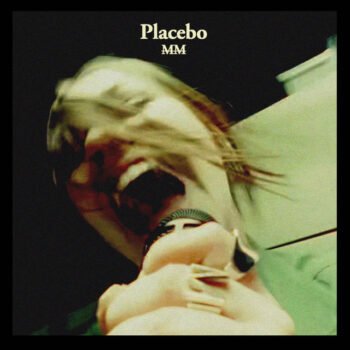
Released in May via APOLLO Distribution, “Placebo” marks Miles’ first offering since last July’s A Humble Extension EP. The Nashville-based singer/songwriter and producer has spent her career reaching into the messier corners of the human condition, moving freely between alternative rock, grunge, dark pop, and whatever else best serves the emotion at hand. Atwood has followed that journey since her 2020 debut album, Am I Drowning or Am I Just Learning How to Swim?, but “Placebo” finds Miles pushing her music toward a new extreme: Louder, sharper, and more physically commanding than ever.
The song takes its title from the false solutions we keep returning to because they are familiar – relationships, behaviors, or systems that promise relief while leaving the underlying damage untouched. For Miles, that pattern became entwined with years spent navigating the music industry through blind trust, only to emerge with feelings of rejection and defeat. “Placebo” is the moment she finally sees the treatment for what it was: daily medication fixing nothing, swallowed again and again until lived experience breaks the spell.
“‘Placebo’ is about the times you’re experiencing something – a relationship, a concept, a behavior, or pattern that you have been part of for so long that it’s perhaps all you know,” Miles tells Atwood Magazine. “Maybe you believe, despite what everything tells you, that it’s what’s best for you. One day in the aftermath, you look around and realize that you had been taking this placebo over and over. Daily medication, fixing nothing. That was an aspect of my career for many years – a lot of blind trust that ultimately led to feelings of rejection and defeat. But just like everything in this life, you live and then, by grace, you learn. What a gift.”
Drove to salinas
Was tasting wine, was tasting trends
You never got your mansion
Strip the ego, pins and needles
A placebo
Vain, vain
Is it vain?
To blame, blame
All this pain
Pain, pain
Had a good start and it’s such a shame
Stay awake
It’ll catch up, oh, just you wait
(Oh, just you wait)
Miles gives that awakening no room to remain abstract. “Placebo” charges forward with the exhilarating force of a body rejecting what has poisoned it: Electrified guitars bear down, booming drums keep the pressure high, and her voice cuts through the collision with equal parts fury and release. The track never softens its stance or apologizes for the space it takes up. It slams, surges, and scorches, offering a scream-along outlet for emotions that often arrive tangled together and resist easy definition.
That intensity carries a deeply generous purpose. Miles created “Placebo” with her younger self in mind – the version of her who needed to know that anger, doubt, and betrayal could be acknowledged without extinguishing love or hope. Where A Humble Extension gathered songs from across several uncertain years, this single stands firmly in the present, reclaiming the power to decide what healing looks like and who gets to define it.
Like a trophy, could’ve saved us
I couldn’t give you what you wanted
Like a moth drawn to the flamе, yeah
We burned right on sight, yеah
Like a trophy, could’ve saved us
I couldn’t give you what you wanted
Like a moth drawn to the flame, yeah
We burned right on sight, yeah
“You’re allowed to feel anger, betrayal, and even doubt,” Miles shares. “It doesn’t eliminate hope or love. Sometimes, to get to the latter, you have to walk through the first and truly process it.”
“I think my younger self would’ve needed this record. I just want people to feel like they have permission to be who they are, and to step into that.”
That permission is what makes “Placebo” resonate beyond Miles’ own reckoning. It is a pressure valve for anyone carrying an unnamed hurt – a song built to meet frustration at full volume and turn it into motion. “I hope they can have a song to scream to when maybe they don’t fully know what it is that they feel, but that they do indeed feel it,” Miles says. At her loudest, rawest, and hardest-hitting, she delivers exactly that: An explosive alternative anthem that refuses sedation, tears the false cure from our hands, and reminds us how powerful it can be to feel everything at once.
Vain, vain, is it vain
To blame, blame
All this
Had a good start
and it’s such a shame
Vain, vain, is it vain?
To blame, blame
All this – pain, pain
Had a good start
and it’s such a shame
“No Troubles Left At All”
by ClosebyeClosebye’s “No Troubles Left At All” washes over the body like a dream you can still feel after waking – warm, shadowed, and impossible to shake.
Its hypnotic pull turns a private exhale into an atmosphere listeners can disappear inside. Brooding bass and softly circling guitars hold the song in a suspended glow, while Jonah Smith sings from the other side of a difficult year with wonder still caught in his throat. The result is a vivid alternative reverie that lets relief arrive slowly, spreading through the ears and bloodstream until the title’s impossible promise begins to sound true.
Under the bed where you find me
Under the birthmark scar on your brow
Quick with the look so I know that you’re ready
You’re feeling my pulse with your ear to the ground
That’s what you can do
That’s what you can do
You play ball
It feels like our luck is changing
I wasn’t half then what I am now
Take off your pants
and our colors are blending
It’s over and done and we’re out
Released alongside its B-side, “Ann Arbor,” “No Troubles Left At All” follows Closebye’s 2024 debut album, Hammer of My Own, and arrives after the band spent more than a year completing their as-yet-unannounced next record. It also continues a history stretching back nearly a decade: Atwood first encountered Smith and guitarist Julian Smith through their former project Pueblo, premiering “Nausea” in 2017. Now joined by Margaux Bouchegnies and Simon Clinton, Closebye have grown into what Smith calls “a band in the truest sense of the word,” held together by shared history, deep friendship, and a collective desire to create music listeners can enter and inhabit.
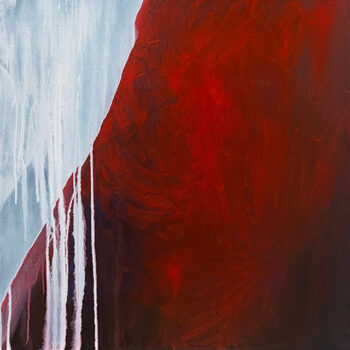
“No Troubles Left At All” appeared just when Closebye thought that creative season had ended. Alone in his apartment one night in March, with his wife away for the weekend, Smith found himself reflecting on how far they had come together. He stayed awake until seven the next morning writing and recording the demo in a single rush; the vocal captured that night remains on the finished song, preserving the tenderness and astonishment of a realization unfolding in real time.
“I think there’s something emotionally potent about that performance because I was experiencing those words in real time,” Smith tells Atwood Magazine. “I was writing, singing, and recording all at once. We ended up re-recording most of what I tracked on the demo that night, but we kept those vocals.”
That’s what I can do
That’s what I can do
I play ball
That’s what we can do…
We got no troubles left at all
That immediacy is everywhere in the recording. Smith’s voice hovers close to the surface, intimate enough to catch every breath, while the arrangement gathers around him without disturbing the spell. Even as the beat settles into a buoyant pulse, shadows flicker along the song’s edges; its softness carries the memory of what had to be endured before this moment became possible. Closebye make renewal sound lived-in rather than pristine, allowing joy and old pain to occupy the same hazy space.
Smith wrote the song during his first year of sobriety, after months spent confronting feelings he had long suppressed. Much of his earlier work emerged from his lowest points; “No Troubles Left At All,” by contrast, may be the first song he has written from within recovery. Its central lyric – “Had to decide if my past was my last life” – catches him at the threshold between an existence he understands and an unknown future he has chosen to enter.
I was alone when you met me
Asleep at the dive, I was there for a year
Had to decide if my past was my last life
You gas me up and you force me to steer
But that’s what you can do
That’s what you can do
You play ball
That’s what we can do
That’s what we can –
“It represents being at the crossroads of an old life and a new life and making the choice not to give up,” Smith explains. “If I continued on the path I was on, I have a pretty good idea of what that life looks like. But if I decided to take a different path, I had no idea what was going to happen, and stepping into the unknown was exciting to me.”
We got no troubles left at all
We got no troubles left at all
The chorus is earnest, though Smith knows its claim cannot remain literally true forever. Depression and anxiety have not vanished; the lyric preserves a smaller and perhaps more valuable victory – the sudden knowledge that some of life has begun to click, that the hardest stretch has passed, and that survival can finally open into possibility. “It’s more like a celebratory exhale,” he says. “This song just tries to preserve a feeling of relief that you’ve got some shit figured out.”
Recorded with engineer Tyler Postiglione at Thump Recording, “No Troubles Left At All” and “Ann Arbor” are also the first songs Closebye have self-produced as a band. That independence brings the former’s private origin into fuller focus without polishing away its nocturnal intimacy. The four musicians expand Smith’s early-morning revelation into a communal experience, giving his renewal a rhythm others can borrow and a chorus large enough to step inside.
“I truly hope people see themselves in these songs,” Smith shares. “‘No Troubles’ specifically, I hope it makes people confident when they hear it, and I hope it offers a feeling of renewal after a difficult period, like, ‘My life isn’t over; I survived this, and I’m just getting started.’ That is how I feel when I hear it now.”
(Under the bed where you find me
Under the birthmark scar on your brow
Quick with the look so I know that you’re ready
You get on top when you know that I’m down)
That invitation is what makes “No Troubles Left At All” so enchanting. Closebye do more than document one person’s recovery; they preserve the instant when heaviness loosens its grip and the future begins breathing again. The song moves with the soft force of a tide, enveloping listeners in its low-lit world until its relief becomes ours as well. Haunting, tender, and quietly radiant, it leaves behind the rarest kind of optimism: hard-won hope that still remembers every shadow it crossed to reach the light.
“Ladybug”
by Flowers for the DeadThe truth can make you sick before it sets you free.
In “Ladybug,” every buried warning and unwanted reflection comes roaring to the surface, transformed into an aching, unstoppable full-body release.
Flowers For The Dead’s latest single stares down the stories we invent about other people – and the harder truths waiting beneath them – until longing curdles into clarity and the self becomes impossible to evade. Singer/guitarist Jessie Szegö traces familiar patterns through another person’s face, follows a ladybug toward what appears to be an answer, and arrives instead at the brutal knowledge that what she wanted to see was never there at all.
Heavy, grungy, and engulfed in overdrive, the DC trio’s first song of 2026 gives that inner reckoning a cathartic physical force: Guitars soar and smolder, distortion closes in from every side, and every churning measure sends another shiver down the spine.
Chasing a rabbit’s tail
For 5 long years
Head in the dirt
I see his familiar ways
In the creases of your face
I know who you are
You saw a ladybug crawl
across your screen and
lead you to the way
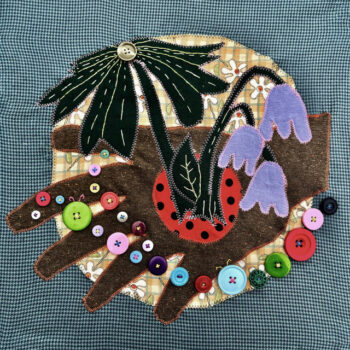
Released in June via Boxing Bear Records, “Ladybug” marks Flowers For The Dead’s first offering since last summer’s First Place EP and the beginning of a newly reconfigured era. The band – Szegö, drummer Ten Bears, and new bassist Naomi Seat – found their present lineup after Seat filled in during a fall tour supporting Die Spitz. Weeks spent sharing stages, vans, and the intensity of life on the road established a trust that carried naturally into the rehearsal room, giving Flowers For The Dead a fresh creative charge after a period of writer’s block and transition.
“I never like to force myself into writing if it doesn’t come naturally, because I know it likely won’t resonate with me or our audience as well if it’s not coming from a genuine feeling or realness of some sort,” Szegö tells Atwood Magazine. “That can be frustrating because I love writing, and I feel so fulfilled after writing a song that I’m really proud of, but I can’t force it.”
“With ‘Ladybug,’ it was the first song I had written in maybe three months, and it was anything but forced. It came together very quickly after I brought it to the band, and I instantly knew I wanted it to be the first song we put out together. Every time we put something out, there is a certain anxiety I feel about how it’ll take with our audience since we are always changing, but I think embracing change is exactly the energy that was captured in the song.”
I see it now for what it is
Not what I want in front of me
It’s all wrong
Where’s the sex appeal?
There’s no inherent truth
I can see myself too clear
It’s staring me back,
its eyes drilling holes
And telling me things
I don’t wanna know
That instinctive evolution has driven Flowers For The Dead from the beginning. Released last August, the four-track First Place found the band experimenting with a softer, more deliberate sound while digging into the pursuit and politics of community, friendship, and love. Its slyly humorous “sarcastic screw you songs” captured a young group solidifying their identity without sanding down their contradictions – a spirit “Ladybug” now pushes into harsher, more volatile territory. Szegö may not yet have a fixed interpretation of the song, but its uncertainty is part of its power: The writing arrived before the explanation, carrying the energy of a band whose next iteration was already taking shape.
“I’m actually not sure what the story is,” Szegö explains. “The meaning typically reveals itself to me later because I don’t usually write songs with a specific end goal or story in mind. ‘Ladybug’ was the first song that we had written since our lineup change, and it felt representative of this new chapter that we’re entering.”
Musically, that chapter begins in jangling, gauzy indie rock before splitting open into a darker and more confrontational second half. The guitars thicken, the haze catches fire, and Szegö’s delivery hardens into a cool, deadpan stare as the song moves from unease toward confrontation. “I really wanted to contrast the jangly indie rock sections of the song with something darker and more in-your-face in the second half,” she says. “Somewhere between Juliana Hatfield and Sonic Youth. I’m a huge Kim Gordon fan, and I wanted to capture her deadpan vocal delivery that’s on a lot of my favorite Sonic Youth tracks.”
No larger project has been announced yet, but Flowers For The Dead are already at work on more music set to arrive this year. As an opening statement, “Ladybug” makes their direction unmistakable: Rawer, heavier, and newly alive to the possibilities of change. Its ache doesn’t resolve so much as burn clean through, leaving behind the exhilarating sound of a band shedding its old skin in real time.
More importantly, it lands with the brute-force satisfaction of a stellar grunge song – one that catches in the ribs, floods the bloodstream, and makes every ugly thought easier to survive at maximum volume. “Ladybug” gives us somewhere to put our own dread, anger, and unwanted knowledge, then hurls it back through the speakers with enough force to feel cleansing. Bruising, addictive, and utterly all-consuming, it’ll knock the wind out of you and swallow you whole, leaving you wrung out, exhilarated, and lighter for having survived it. It’s a gut-level triumph, hitting like a breakdown and healing like one, too.
— — — —

Connect to us on
Facebook, 𝕏, Instagram
Discover new music on Atwood Magazine
Editor’s Picks
follow EDITOR’S PICKS on Spotify