Every Friday, Atwood Magazine’s staff share what they’ve been listening to that week – a song, an album, an artist – whatever’s been having an impact on them, in the moment.
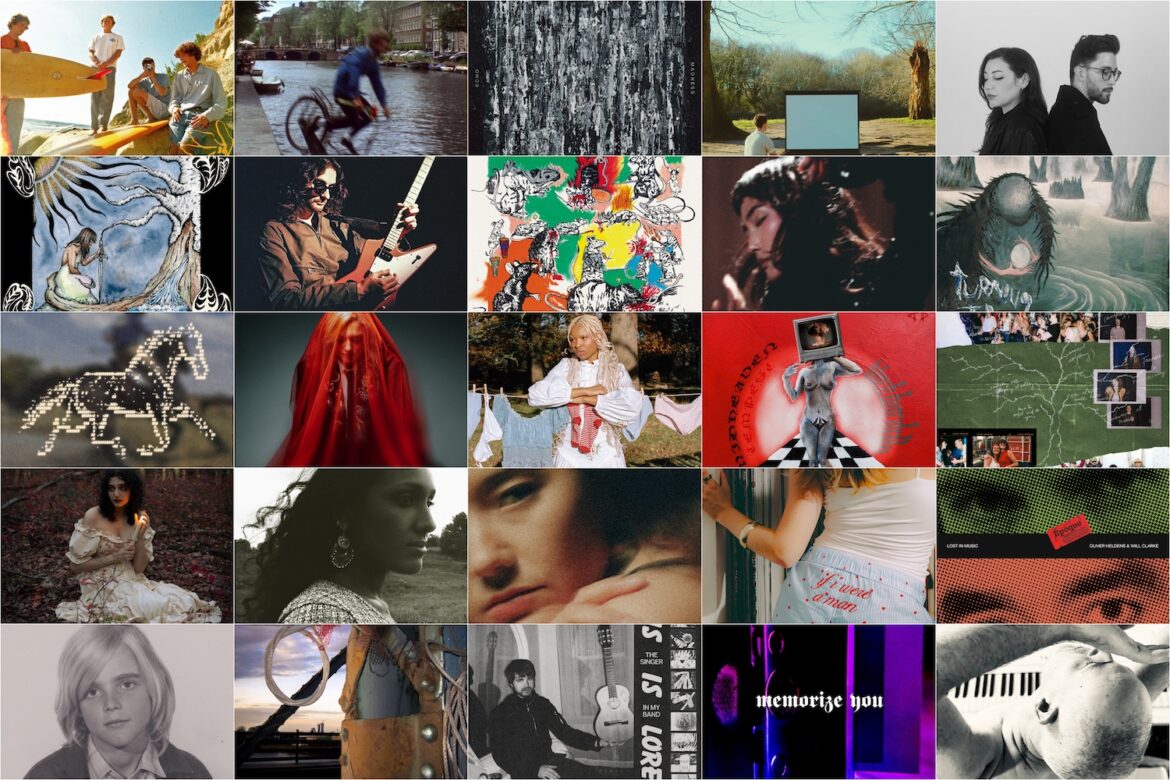
This week’s weekly roundup features music by Essence Martins, This Is Lorelei, Fright Years, Crimson99, Aly Navarro, Blue Capricorn, Gregory Douglass, New Translations, Eliza Hull, Surfing for Daisy, Dogviolet, Mock Media, Some Days Are Darker, Tender Youth, Oliver Heldens & Will Clarke, Tobacco Road, Superfan, Val McCallum, Black Bordello, Sven Ross, Sachi Keiko, Where’s West?, George Bone, Camellia Grove, and Ren McLean!
•• •• •• ••
 follow WEEKLY ROUNDUP on Spotify


•• ••
:: “A Confession (I’m broke)” – Essence Martins ::
Charlie Recksieck, San Diego, CA
First of all, why aren’t more songs directly about money? There are a billion love songs out there and every songwriter feels passionately about love. But when it comes to “write what you know”, most songwriters are also broke and when you’re out of money it dominates your thoughts and emotions even more than love.
That said, this jangly little song is completely direct about being cash strapped. Perhaps songwriters don’t admit being broke out of shame – and hip-hop ballin’-out braggadocio doesn’t help. But I’m completely refreshed by singer Essence Martins attitude here: “Got a confession and new phone / But no money, not to take me home / If I’m honest, trying not to let it show / Cause nobody really wants to know.” Brava.
Martins is a few years into her music career – and a woman who appeals to me as a former college tennis player now making her way in music and she’s an artist on the rise. She’s been an opener for some great acts, including Mika who is a great comp for her seemingly lighthearted-sounding songs which possess way more depth. If you don’t know Essence Martins, start by adding this to a playlist as your entry point and get to know her.
:: “Hey Sarah Is It Gonna Rain Forever” – This Is Lorelei ::
Julia Dzurillay, New Jersey
While this whole album is, undoubtedly, one of my favorites of this year, “Hey Sarah Is It Gonna Rain Forever” is the true standout. Sure, it doesn’t immediately hook you like more upbeat tracks “The Kid With the Crown” or “Billy Came Back,” but I think it being a hidden gem just makes it sweeter. It almost feels like the acoustic guitar is singing the melody and the vocals are just there for effect. As the song progresses it just gets more layered and detailed, with a steady, distant drumbeat driving the song forward.
It all explodes during the last minute, with layered strings, synths and drums tagging along as the lyrics lament time gone by. The singer croons, “Sarah, will we be in pain forever? / Will the future hurt, will the memories cry? / While the days roll by, hey Sarah, could you tell me why?” It’s a genre of “sad boy” music that I normally stay away from, but it’s just so well done and addictive; I can’t stop listening!
:: “Dye Star” – Fright Years ::
Mitch Mosk, Beacon, New York

Fright Years have been an Atwood favorite for years, and “Dye Star” makes it easy to remember why. The Edinburgh quartet’s second single of 2026 is utterly spellbinding – a dreamy indie pop anthem shot through with passion, heat, and the kind of restless forward motion that makes every chorus feel like it might lift clean off the ground. Glitchy piano swells, layered guitars, and a taut rhythm section gather beneath Jules Kelly’s voice, carrying her from inward reflection toward full-throated release. The result is bright and buoyant without losing its emotional weight, a song about uncertainty that somehow makes uncertainty sound exhilarating.
“Where will you go to looking like that?
Have you gone too far to ever come back?
With your face to the wheel and hands out to god
Asking how do I know when I get what I want?”
That question becomes the axis of “Dye Star.” Kelly is tracing the distance between the people we’ve been, the people we’re trying to become, and the versions of ourselves we keep dressing up along the way. The song keeps pressing at the line between construction and recognition: How much of identity is chosen, how much is inherited, and at what point do you stop trying on possible selves and decide that the person staring back at you is finally yours?
“Dye Star is the journey towards trusting your own vision and having the courage to stand by your decisions. Lyrically it questions how many versions of yourself there will be before you feel fulfilled, and why happiness can stem from something small on one day and be reserved for a grand vision of yourself on another. The song doesn’t give an answer, because I don’t have one yet, but repeating the question to the end, ‘how do I know when I get what I want,’ makes the unknown feel brighter,” Jules Kelly tells Atwood Magazine.
That brightness matters. “Dye Star” could easily collapse under the weight of its own questions, but Fright Years keep pushing upward. The verses drive with a clipped, propulsive urgency before the chorus opens into something widescreen, Kelly’s voice rising above the band with an almost incandescent force. Producer Pete Hutchings helps them expand the scale without sacrificing intimacy, building a denser, more assured sound around a question that remains deeply private. Fright Years have always known how to make personal turmoil communal, and here they turn self-doubt into the kind of chorus built for both solitary drives and rooms full of people shouting every word back.
The imagery keeps widening the song’s world. “Is it laced to the veil of a long black night? / Hung from a star that you just can’t lower?” Kelly asks, imagining happiness as some glittering destination forever held just beyond reach. Then she offers a smaller possibility: “A hand in the dark when your love turns over.” Fulfillment might live in the grand vision, or it might arrive in the fleeting intimacy beside you before you’ve even learned to recognize it. That tension gives “Dye Star” its gorgeous emotional churn – the collision between the life we imagine and the life already happening around us.
The song’s second verse begins to sound like a decision forming in real time. “I’ll flash you a smile when the wind turns west / You can only jump so high in a ten ton dress,” Kelly sings before landing on the striking declaration, “I’m cerulean now the witching hour.” Fright Years describe that image as reaching the dead of night alone with your thoughts and, for once, feeling completely sure of who you are. It’s a fleeting certainty, perhaps, but “Dye Star” doesn’t need permanence. Sometimes becoming yourself begins with trusting the person you are for one charged, electric instant.
That evolution mirrors Fright Years’ own. Kelly, Harrison MacLeod-Bonnar, Struan Blacklock, and Fraser Charleson released their debut EP Still Life in 2025, and their recent run has included sold-out UK dates, support slots with Belle and Sebastian, and an expanding live audience. “Dye Star,” following May’s “Never Been Wrong,” points toward a new EP due February 2027 and a band increasingly comfortable stretching the scale of their sound. Their roots in ’90s alt-rock, ’80s post-punk and new wave, and modern indie remain audible, but the ambition is growing around them.
And still, the song refuses to answer its central question. “How do I know when I get what I want?” Kelly repeats again and again until uncertainty itself begins to glow. That repetition is where “Dye Star” becomes more than a search for certainty; it becomes an anthem for learning to move without it. Fright Years let the guitars surge, the rhythm drive, and Kelly’s voice reach higher while the question remains beautifully unresolved. Breathtaking, effervescent, and alive with possibility, “Dye Star” doesn’t tell us when we’ve arrived. It makes the searching sound glorious.
:: “Open Up Your Heart” – Crimson99 ::
Mitch Mosk, Beacon, New York

Crimson99 makes backsliding sound almost irresistible. “Open Up Your Heart” is a soulful, smoldering seduction, a blazing reverie where heat and tenderness move in the same current. The groove churns with an unhurried confidence while Maria Brousseau-Labbé’s voice burns at the center, breathtaking in its control and utterly spellbinding when she lets even the slightest grain of desperation through. There’s ache here, but there’s pleasure too – the dangerous comfort of returning to what once made you feel good, even when you already know where it leads.
“It’s getting dark
It seems like I can’t even see my feet no more
It’s getting dark in my mind
It’s getting hard
A strange feeling has overthrown my place of rest
It’s getting hard in my heart”
Crimson99 lets that darkness simmer before the song begins reaching outward. “After all, I make the rules,” she sings, moments before admitting, “All I want now is to quit.” Then comes the plea at the center of everything: “Open up my heart to your love / Open up my heart to yours / Open up my heart to your touch.” Desire, exhaustion, faith, and self-destruction all press against one another, giving “Open Up Your Heart” its magnetic tension. The song knows exactly how seductive an old pattern can become when loneliness starts making promises of its own.
“Open Up Your Heart is about the desire to backslide. It’s about missing things from your past that never truly served you but felt good in the moment. It’s about wanting to return to your own vomit because it can sometimes feel more comfortable than the suffering of being alone, without distraction.
This song is also a reminder that, as the great Sam Cooke said: ‘A change gon’ come, oh yes it will.’ You won’t always be hurting, and you won’t always feel alone, but often, if not always, the only way out is through, and you need the right attitude to make it to the other side. If you open up your heart to God, things will work out, not necessarily as you planned, but hope is still available today and even tomorrow. Regarding the tone and the vibe, I hear it as Neil Young meets Fleetwood Mac meets Mitski.
There’s an Americana tone to it. It’s definitely a road trip song,” Crimson99 shares.
That collision between temptation and renewal sharpens in the second half, when Crimson99 stops romanticizing the past and starts naming it plainly: “You used to go to the bar and get wasted,” “Wishing for your man to come in,” “Waking up God knows where / After giving yourself / To the wrong person again.” The details strip away any glamour from the life she is tempted to revisit. What once looked like freedom begins to read as repetition, and the chorus becomes less a romantic invitation than an act of surrender – opening herself toward another source of love instead of reaching backward for an old escape.
That surrender is central to Crimson99’s debut EP Daredevil, out today. The Montreal-based Dominican-Canadian artist recorded its five songs live in a single day with producer Koko Love, embracing imperfection as part of a larger search for self-discovery, spirituality, and truth. Brousseau-Labbé arrived at music after years of keeping that part of herself at a distance; the songs eventually emerged during a period of spiritually guided introspection, first as private expressions she never expected to record. That origin gives Daredevil an immediacy you can hear throughout “Open Up Your Heart” – a song reaching for transcendence without hiding the mess that makes transcendence necessary.
And eventually, the song does move forward. “Your breakthrough, your breakthrough is near,” Crimson99 repeats until the language finally changes: “Your breakthrough, your breakthrough is here.” That tiny shift carries enormous weight. “Open Up Your Heart” spends most of its runtime smoldering inside the pull between old comforts and new convictions, but Crimson99 refuses to leave herself there. Soulful, sensual, and charged with spiritual longing, the song burns through temptation until hope finally becomes present tense – and Brousseau-Labbé’s spellbinding delivery makes every second of that passage impossible to resist.
:: “If I Were a Man” – Aly Navarro ::
Danielle Holian, Galway, Ireland

Aly Navarro’s “If I Were a Man” is the kind of track that turns emotional fallout into something unexpectedly exhilarating. Built around the complicated experience of losing yourself inside the wrong relationship and having to rediscover who you are afterwards, the single carries a striking sense of relatability without becoming weighed down by its subject matter. Navarro approaches heartbreak with a playful edge, transforming anger, frustration, lost time and emotional distance into a song that feels less like a lament and more like a reclamation. That balance is central to the track’s appeal. The music moves with a carefree, danceable momentum, while the writing digs into the less glamorous realities of becoming a different version of yourself for somebody else. Rather than romanticising the past, Navarro looks directly at what the relationship took from her and turns that reflection into renewed self-possession. There is catharsis here, but importantly, it comes wrapped in energy and personality. The contrast between the buoyant musical backdrop and the heavier emotional themes gives the song an appealing sense of duality, allowing listeners to dance through feelings that might otherwise be difficult to articulate.
“If I Were a Man” benefits from a richly assembled arrangement that gives Navarro plenty of room to inhabit the song’s playful confidence. Michael Leto’s production, alongside his contributions on organ and drums, establishes the track’s rhythmic drive, while Ethan Rounds adds an expansive instrumental palette across guitar, bass, banjo and mandolin. Zach Ryan’s guitar work and the layered background vocals from Natalie Renée Sullivan, Shade Tramp and Makena Tate add further texture, creating a sound that feels lively without losing its emotional centre. Navarro, who co-wrote the track with Makena Tate Shlens and Leto, understands that reclaiming your identity does not have to sound solemn. There is a refreshing irreverence in the way “If I Were a Man” addresses the aftermath of a relationship, particularly in its willingness to turn frustration into something spirited and even fun. The song captures that strange stage of recovery when anger begins to become clarity, and clarity starts to feel like freedom. It is this emotional transformation that makes the track resonate beyond its specific narrative. Anyone who has felt themselves becoming smaller, quieter or less recognisable within a relationship can find something familiar in Navarro’s perspective, while the song’s infectious energy offers a sense of release. If I Were a Man ultimately succeeds because it does not simply sing about getting yourself back. It makes the process sound liberating, celebratory and entirely worth dancing to.
:: “honest” – Blue Capricorn ::
Danielle Holian, Galway, Ireland

There is a particular kind of silence that follows a love that could not last. It is not the silence of absence but of presence, the weight of everything unsaid still hanging in the air. “honest,” the new single from Blue Capricorn and LOREN KOLE, lives inside that silence. It is a song that understands how vulnerability and distance can occupy the same breath, how two voices can reach for each other even as they begin to let go. The production is a landscape of mist and memory. Synths shimmer like heat rising from summer pavement. Delicate keys fall like rain against a windowpane. Atmospheric guitars drift through the mix like half-remembered dreams, while restrained percussion provides a heartbeat, fragile and steady, grounding the ethereal in something achingly human. Blue Capricorn, the project of Dallas-based Mexican-Argentine artist Rodrigo Caraballo-Marin, and LOREN KOLE, a Cuban-American artist whose dark and dreamy sound has carved its own universe, do not perform on this track so much as they confess. Their voices intertwine with a tenderness that feels almost too intimate to witness, capturing the complicated space between wanting connection and recognizing when a relationship cannot be sustained. This is not a song about the anger of a breakup. It is a song about the lingering ache of attachment, the part of you that still hopes even when you know you should not.
Written over the course of a year and a half during a period of personal and creative transition, “honest” carries the weight of that evolution in every note. It is a song that has lived, that has been reshaped by time and trust and the slow work of two artists finding a shared language. Caraballo-Marin has said that the more time they spent on it, the more he realized it was nothing more than a song about vulnerability and accepting failed love. That simplicity is its power. There are no grand gestures here, no dramatic crescendos, no easy resolutions. There is only the truth, spoken softly, held between two people who understand that sometimes the most profound statement is simply the willingness to be seen. “honest” arrives as the third track from “when you come back, transcend me,” Blue Capricorn’s forthcoming second EP, due October 15, 2026. If this single is any indication, the project will be a stunning meditation on longing, nostalgia, and self-discovery. But for now, we have this song. A quiet masterpiece. A shared breath. A reminder that beauty can be found in the breakdown, if only we are brave enough to listen.
:: “Tear In Your Hand” – Gregory Douglass ::
Chloe Robinson, California

What better way to celebrate an artist who has influenced you than by creating your own rendition of their music? Gregory Douglass’s cover of Tori Amos’ “Tear In Your Hand” does just that. The song is an ode to moving on, leaving comfort behind, and embracing the uncertainty of a new beginning. Amos delivers each note with raw emotion, while Douglass echoes that intensity, giving every lyric a weight that is deeply felt. He infuses the piece with a theatrical, cinematic quality that is simply stunning. The singer reveals, “This version honors the woman who taught me how to write songs that matter. It’s a song I’ve turned to in every major life transition.”
Douglas has always fought for everything he’s built. He’s been writing songs at the piano, independently releasing music, constantly taking it on the road, bringing performances into intimate house concerts, and cultivating a devoted community of listeners through their support. For 25 years, Douglass has carved out his own path, releasing ten studio albums, collaborating with producers across the globe, and performing alongside the likes of Grace Potter and Jason Mraz. It’s a journey defined by persistence and passion and this bold rendition shows that fire.
:: “Modern Lovers” – New Translations ::
Mitch Mosk, Beacon, New York

New Translations spend the first minute of “Modern Lovers” winding the spring. Pulsing synths and a gentle four-on-the-floor kick hold the song in a brooding suspension while Oliver Pierce sings from somewhere deep inside the haze, his voice carrying years of distance and hindsight. Then everything breaks open. Guitars flare, drums crack harder, and the Nashville band launches into a searing rush of synth-pop and post-punk energy – bright, buoyant, and exhilarating enough to make the whole world around it seem suddenly faster.
“Take me out to the modern lovers
On the streets where we used to feel the same
Tangled up in the arms of another
Make me into something new
I need to feel it too”
That chorus is the moment “Modern Lovers” fully arrives. New Translations settle into a faster, more expansive plane of existence, propelled by churning guitars, crackling drums, and synths that keep the song glowing at the edges. Pierce sounds swept up in it all, reaching toward a past he knows he cannot recover and a future that no longer carries quite the same boundlessness. The song never loses its pulse, even when its emotional center starts to reveal itself: all that effervescence is carrying a very real grief for the people we used to be.
“When we took this song to Yves, it was just a verse. Isaac was so sold on the song as a vibe, but there was still a lot of heavy lifting to be done structurally and lyrically that I wasn’t sure it would make the cut. Yves was sold on the vibe and trusted that we would find the rest along the way. The song is really a reflection on who I was and who my friends were during COVID era. We would talk about moving to Thailand, we were living off the government, we were making grand plans. A song about the distance between who we were then and who we are now, the shortcomings, vices, and the miles of hindsight. The song is about not longing to be who we were then, but longing for the feeling that anything was possible and now everything feels so pathed out and certain,” Oliver Pearce shares.
That distinction gives “Modern Lovers” its emotional charge. Pierce isn’t trying to rewind his life; he misses the reckless possibility that once seemed to stretch in every direction. The verses carry the evidence of that era – plans for Thailand, government checks, Adderall and Vyvanse, serial monogamy, grand ideas and bad habits – while the chorus reaches for the feeling underneath all of it. “Everything that I ever wanted / Slips away from me,” he sings later, before keeping his “ear to the ground” and his “thumb to the pulse,” still waiting for some kind of signal that life can open up again.
Produced by Yves Rothman, “Modern Lovers” is New Translations’ first new music since their 2025 debut album Vacation, and it pushes the Nashville quintet deeper into the collision of synths and guitars that has increasingly defined them. Oliver Pierce handles vocals, Isaac Middleton plays synths, electric guitar, and bass, Andres Ahogado adds synths, and Philip Walker drives the song from behind the kit. Together they build a track that feels gloriously unstuck in time: shades of New Order and mid-’80s new wave flicker through its pulsing synths and clean-lined guitars, while the full-band eruption gives everything a distinctly modern urgency.
“Modern Lovers” keeps racing even as Pierce looks backward. That friction is where the song becomes irresistible – nostalgia set against propulsion, hindsight carried by music that refuses to stand still. By the time he pleads, “Take me to / Somewhere new / So I can be at one / With all the modern blues,” the song has become its own answer: dynamic, dramatic, emotionally charged, and thrillingly alive. New Translations have made something breathtaking out of the distance between then and now – simply exquisite post-punk pleasure.
:: “Better” – Eliza Hull ::
Mitch Mosk, Beacon, New York

Eliza Hull leaves the heaviest feelings for the softest moments. Hushed and utterly soul-stirring, “Better” is a gentle giant of a song, breathtakingly reserved and quietly devastating, its warped guitars, forlorn piano, and glistening textures creating a space where every hesitation carries weight. Hull sings with an intimacy that aches, holding herself back even as the music gracefully gathers around her. The tension is exquisite: you can sense the song wanting to break open, but Hull understands that restraint can carry its own force.
“Light comes, light leaves
When you’re laying here beside me
Messy thoughts, white sheets
Something doesn’t feel right in me
Cause we’ve been fighting all night”
“‘Better’ is about me searching for answers,” Hull tells Atwood Magazine. “I was at a point in my life where I felt exposed, like I was transitioning into a different person, and I was afraid I wasn’t bringing everyone along with me. I think we all go through strange times where things feel a bit off, either inside of ourselves or in our relationships. I was having one of those odd times where I didn’t really know what I wanted anymore, and I was trying so hard to make myself feel better and make other people feel better around me.”
That disquiet lives inside every inch of “Better.” Hull isn’t writing from the clean aftermath of a relationship, where all the lessons have already been learned; she is caught inside the harder middle, loving someone deeply while knowing that an unnamed distance has crept into the room. “You say don’t worry / But how do we make it better?” she asks, and the repetition carries its own kind of desperation. The question keeps returning because there is no neat answer waiting behind it.
The song itself went through a similarly instinctive process. Hull first wrote “Better” on piano at Ainslie Wills’ studio before finishing it with James McGuffie and later reshaping it with longtime collaborator Pip Norman, who co-produced the track alongside Hull. When it came time to record the vocals, the existing verses stopped working. Hull brought in a new verse she had written only a week earlier; Norman hit record, and the take stayed.
“We didn’t change it. I remember after recording it, I burst into tears. I can’t really define why it impacted me so much. I felt so torn by my own emotions, not sure if I should be living in this fantasy world or trying to mend my life,” Hull recalls.
The production keeps that uncertainty suspended in the air. Warped guitars and forlorn piano gather around Hull’s close, exposed vocal, each element adding pressure while leaving plenty of space for every hesitation to register. When the song finally swells, the chorus intensifies that unease, as though everything Hull has been holding inside has suddenly entered the room.
“Pip and I wanted the production to have a sense of restraint in the verses and then really open up in the chorus. I remember being very clear that I wanted the drums to feel huge when the chorus arrived: the drums represent my internal torn world in my mind.
Lyrically there is this desire to keep trying and to believe that things can change, while underneath that is the question of how long you can keep pretending everything is okay,” Hull shares.
That push and pull reaches far beyond one relationship. “Better” arrives ahead of Hull’s forthcoming album You’d Think We’d Be Used To Change By Now, out December 4, a record born from a period of profound personal and creative transition. Hull co-produced the album with Norman, marking her first co-producer credit, and much of the record preserves demo vocals and instinctive performances, keeping their emotional edges intact. Across its 11 songs, Hull wrestles with change, identity, relationships, desire, and the unnerving realization that becoming someone new often begins before you understand who that person will be.
“That tension runs through a lot of my upcoming album, You’d Think We’d Be Used To Change By Now. The record looks at change, relationships, desire, nostalgia and the strange experience of looking back at who you were while also realising, you’re already becoming someone different.”
“For me, ‘Better’ is about wanting to move towards something better, while acknowledging that sometimes you don’t know what better is going to look like yet,” Hull says.
That uncertainty is exactly where “Better” draws its power. Hull leaves the heaviest emotions suspended inside the song’s softest spaces, asking us to sit with the discomfort instead of rushing toward resolution. Every piano note, drum hit, and breath carries the strain of a person trying to hold love together while also listening to the part of herself that knows something has shifted. “Better” aches because Hull refuses to resolve that contradiction for us. She simply lets it hang there, golden and bruised, until we have no choice but to carry some of its weight ourselves.
:: Echo The Madness – Surfing for Daisy ::
Julius Robinson, California
Indie rock outfit Surfing for Daisy effortlessly captures the laid-back spirit of the surf, creating music that feels warm, inviting, and easy to sink into. Their new album Echo The Madness displays that same relaxed air, but with a raw, alternative edge. The record opens with “Two Grams,” a seductive song filled with an intoxicating angst that grips you instantly. The moody vocals paired with a dark sonic landscape evoke a sense of mystery and wonder. The title track, “Echo the Madness,” unfolds as another shadowy, atmospheric piece, pairing smooth, syrupy vocals with pulsating percussion to create something deeply emotive and primal. The record concludes with “Piercing Through,” a track which does exactly that. The fiery release oozes with pure passion and you can hear just how much every note is felt. Dreamy sonic textures expand its emotional impact.
Surfing for Daisy came to life on a porch in Asbury Park, NJ, where old friends and new connections gathered to create something together. Their music blends the earthy feel of alternative folk rock with psychedelic touches, while constantly shifting between sounds, styles, and moods. Since forming, the band has steadily made its mark, taking the stage at Sea.Hear.Now Festival in September 2025 before thousands of fans. Echo The Madness keeps that strong momentum traveling.
:: Wilting – Dogviolet ::
Danielle Holian, Galway, Ireland
Dogviolet’s Wilting thrives in the tension between delicacy and destruction. Across four tracks, the London quartet build a sound where post-punk abrasion, ethereal grunge and shoegaze haze constantly push against one another, with Naz Toorabally’s vocals shifting from spectral restraint to full-throated confrontation. “Daughter” is a particularly potent example, beginning in a drifting haze before detonating into biting guitars and thunderous drums, its portrait of familial expectation carrying a weight that feels both deeply personal and instantly recognisable. Elsewhere, “Daisy Crowns” turns towards the bittersweet pull of youth and the complications of adulthood, while “Fig Leaves” and “Black Walnut” widen the scope, confronting misogyny and societal decay through darker, more theatrical textures. Produced by guitarist Ella Patenall, the EP gives each track room to breathe before unleashing its heavier moments, making the contrast between beauty and brutality feel deliberate rather than decorative.
What makes Wilting land is the sense that its botanical imagery is more than an aesthetic flourish. For Dogviolet, roots, growth and decay become a language for examining the conditions that shape us, from inherited trauma and family roles to injustice and a wider sense of social unease. The band’s fifteen-year creative history gives the record a sense of trust and purpose, but there is nothing overly polished about its emotional edges. Instead, the songs retain a bruised immediacy, balancing lush guitars and folk-inflected melodies against moments of genuine sonic violence. Wilting ultimately feels less concerned with depicting despair than with resisting it, finding small flashes of hope within the wreckage. Dogviolet emerge from their debut with a sound that is expansive, uncompromising and emotionally charged, proving that sometimes survival is its own form of defiance.
:: “Rat Bastard” – Mock Media ::
Mitch Mosk, Beacon, New York
Mock Media know the sweet spot between rock ’n’ roll cool and total rat-bastard chaos. “Rat Bastard” barrels forward on a deep, spring-loaded groove, its ’80s reverb snare cracking beneath spellbinding electric guitars and charged vocals that sound ready to leap out of the speakers. There’s raw rock charm and churn everywhere you look, but the British Columbia quartet keep it tight, melodic, and ridiculously fun – every riff, shout, and rhythmic jolt landing exactly where it should.
The lyrics meet that swagger head-on. Mock Media lean into the song’s unruly streak with a grin, sketching a character whose messiness has long since become part of the attraction:
“You’re acting like an animal
Hot mess chimpanzee
You’re acting like an animal
Rat bastard dirt nasty
Rat bastard dirt nasty
Hot mess
She can’t stand me
Acting like an animal”
Guitarist-vocalist Evan Aasen puts it even more plainly: “It is a classic The Cars-inspired rock song to play on the radio while you’re in the shop, working on some rusty metal with the radio on in the background. ‘Rat Bastard’ is a song about everyone having a little rat bastard inside them, acting too wild. A pop rock song for the whole family to enjoy.”
That Cars influence is all over the track, especially when the guitar solo hits around the halfway point. It’s gorgeous – melodic, sharp-edged, and perfectly timed, opening a quick portal back to the late ’70s and early ’80s when new wave, power pop, and rock ’n’ roll could all live inside the same four minutes. Fans of The Cars, INXS, John Waite, and Rick Springfield will find plenty to fall for here, from the clean-lined guitar work to the restless melodic pull and the way the whole song seems to strut even when it’s standing still.
“Rat Bastard” also captures why Mock Media are so much fun to listen to. A troupe of four childhood friends from North Okanagan, British Columbia – Evan Aasen, Garnet Aronyk Muhammad, Austin Boylan, and Bennett Smith – they approach rock history with appetite rather than reverence. Their new album Rat Bastard, released July 17 via Mac’s Record Label, ricochets through punk, dub, heavy metal, Afrobeats, Eurodance, and plenty more, yet the title track stays rooted in the kind of guitar-driven pop rock that demands to be played loud with the windows down.
“We’re constantly trying to channel that spiritual energy, and it’s hard, especially in recordings. We feel like we’ve achieved it live before, but we want to fully lose ourselves and lock in as a group. As for any specific message: we really just care about each other, and about making music together. At the end of the day, it’s us singing and us playing together… and that’s all we really know how to do.”
You can hear that lock-in throughout “Rat Bastard.” The groove digs deep, the guitars blaze, the vocals crackle with personality, and the band never sacrifices melody for mayhem. Mock Media have made a rock song with grime under its fingernails and a giant grin on its face – charged, catchy, gloriously unruly, and exactly the kind of thing you want to play again the second it ends.
:: “Memorize You”- Some Days Are Darker ::
Chloe Robinson, California

Obsession is a powerful thing. It can consume you until you lose yourself in it, going mad. Some Days Are Darker’s single “Memorize You” examines when deep affection crosses into something darker and more destructive. The quick, heavy base that opens the track leading into moody synths sets the tone perfectly. The intense, emotive vocals heighten the song’s sense of desperation. The video follows a girl who appears increasingly uneasy, as though she’s being watched. This imagery truly brings the piece’s message to life. Together, the haunting production and unsettling visuals capture the dangerous side of becoming fixated on someone.
What started as Lear Mason’s personal creative outlet has since taken shape as a three-member project. Joined by Chris Martin and Robbie Williamson, Mason has found a musical partnership rooted in years of collective experience and a shared interest in exploring the more disturbing and complex sides of human nature. Some Days Are Darker creates a sound that feels like stepping into a late-night film, dark, immersive, and emotionally charged. Gothic undertones, pulsing synths, and alternative rock textures come together without fitting neatly into a single genre. That is what makes their music such a uniquely entrancing listen.
:: Turning Torso – Tender Youth ::
Danielle Holian, Galway, Ireland
Tender Youth’s sophomore album, Turning Torso, feels like a record built around transformation. The London based four piece, originally from Copenhagen, have taken the raw energy that has defined their reputation as a live act and pushed it into something stranger, heavier and considerably more experimental. At the centre of that evolution is the decision to abandon the guitar in favour of the violin, a move that could easily have become a gimmick but instead becomes the defining creative force of the album. Through distortion, effects and unconventional playing techniques, the violin is repeatedly pushed beyond its traditional identity, becoming abrasive, atmospheric and occasionally almost unrecognisable. Across the ten tracks, Tender Youth combine distorted strings, driving drums, bass, industrial electronics and Tobias Bryld’s urgent vocals to create a sound that sits somewhere between art rock, post punk and industrial rock. The result is physical and theatrical without sacrificing its sense of experimentation, recalling elements of Opus Kink, Man/Woman/Chainsaw, Depeche Mode and Prostitute while maintaining a distinct identity of its own.
What makes Turning Torso particularly compelling is the way its experimentation remains connected to the emotional weight of the songs. Tracks such as “Marina Drive” demonstrate the band’s ability to create sprawling, abrasive intensity, while “Portugal” and “Erotica” open the record into more expansive and texturally adventurous territory. Rather than relying on conventional rock structures, Tender Youth use their stripped back instrumental approach to create tension through rhythm, repetition, distortion and space. The absence of a traditional guitar leaves room for the violin to function almost like another voice, shifting between melody, noise and texture. This gives the album an unpredictable quality, with moments of aggression sitting alongside passages that feel more exposed and vulnerable. The record’s lyrical focus on relationships, intimacy, naivety and trust adds another dimension to that musical restlessness. Tender Youth are interested not simply in romantic connection, but in the broader difficulty of relating to other people within an increasingly alienating world. That tension between closeness and disconnection gives Turning Torso an emotional centre beneath its harsher exterior.
Turning Torso sounds like a band deliberately refusing to remain comfortable within the boundaries of its earlier identity. Tender Youth have taken the intensity of their live performances and translated it into a studio record that feels restless, tactile and continually in motion. The decision to build the album around a distorted violin has allowed them to rethink how their songs can be written and what a rock arrangement can sound like without depending on familiar conventions. From the industrial textures of “Overtones” and “Shift The Weight” to the more emotionally charged territory of “I Give My All, But Not To You” and “Bliss I See In You,” the album maintains a sense of curiosity throughout. There is a deliberate rawness to the record, but also a clear ambition to expand beyond straightforward punk or rock songwriting. Having already developed their reputation through appearances at Roskilde Festival and SPOT Festival and extensive European touring, Tender Youth arrive at Turning Torso with a sound that feels particularly suited to the intensity of a live environment. It is an album about experimentation, connection and discomfort, and its greatest strength is the sense that the band are still discovering exactly how far their music can go.
:: “Lost In Music” – Oliver Heldens & Will Clarke ::
Ashley Littlefield, California
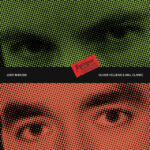
Summer may be in the rearview mirror, but Oliver Heldens and Will Clarke bring it back for one last spin before we reach the peak of fall with “Lost In Music,” a rework of Sister Sledge’s iconic disco dancefloor groove. The track is released on Charlotte de Witte’s Époque label, best known for reimagining dance classics. “When I heard this remix for the first time, I just knew it would be the perfect release for Époque,” de Witte says. “It captures summer entirely and lifts any mood. Pure happiness in audio form.”
“Lost In Music” is a warm, glistening groove that makes any summertime blues disappear with just one listen. Oliver Heldens and Will Clarke bring their own styles, and in this second track they’ve teamed up on, they deliver a magnetic reworked dance anthem. While their sounds can be distinguished – from Heldens’ elevating the high-end to Will Clarke’s low-end – it’s the melodic disco charm that can take over your entire body as you listen to the hi-hats. In the lyrics: “We’re lost in music / Don’t take away our music / More than a track / No Turning back,” Heldens and Clarke offer their take on “Lost In Music,” with a sound that allows the mind to escape from the outside world, which is exactly what makes any track continue to resurface throughout the decades.
:: “Everything” – Tobacco Road ::
Julius Robinson, California
The line, “If it wasn’t for the love that I’m feeling, why else would I break my heart for free,” feels incredibly meaningful. Through all the late nights, long drives and arguments, Tobacco Road has been through it all. The happiness along with the turmoil has only made the band stronger and that power is shown beautifully in their latest single, “Everything.” The song was conceived on a summer afternoon in Nashville, when band members Annabel Dwyer and Briggs McElwee teamed up with Nashville singer-songwriters Ben Chapman and Meg McRee to write together. Through passionate vocals and vibrant instrumentation, the track captures the growing pains Tobacco Road was experiencing firsthand, while keeping love at the heart of the story.
The band is composed of frontwoman Dwyer, McElwee on vocals and guitar, TJ Fink on vocals and bass, Hayden Robert on guitar, and Madi Schoninger on cajón. Inspired by acts like Mt. Joy and The Revivalists the fivesome have been known to showcase intimately detailed storytelling. Their high-energy performances, genuine songwriting, and effortless chemistry have helped them cultivate a fervent and steadily expanding fanbase.
:: “Picture of Return” – Superfan ::
Mitch Mosk, Beacon, New York

For nearly 45 seconds, Superfan says nothing. “Picture of Return” opens with Omeed Almassi’s cello alone, its low, softly seductive pull establishing an intimacy that already feels almost too close for comfort. Then Kali Priya Flanagan enters. The voice aches from the first line, drawing us deeper into a brooding world of heat, churn, and exposed nerve as strings gather around the melody and the song tightens its grip.
“Breaking at the corners
The room acting as my witness
To manipulated order
I’m wishing his face
was never a picture of return”
The language is disorienting because the relationship itself has become disorienting. “Picture of Return” traces the aftermath of emotional manipulation, when another person’s projections and desires have crowded out your own and even recognizing the trap offers little immediate escape. Flanagan doesn’t tidy that experience into resolution; the song stays inside its claustrophobia, letting the strings strain and the vocal carry the weight of being caught there.
“The song is a reflection on emotional manipulation – falling into a trap built by someone else’s projections and desires that oppose your own. There’s a sadness in knowing that sometimes the only agency you can have is hoping that it’ll pass,” Flanagan shares.
The arrangement makes that helplessness visceral. Almassi’s cello remains central as additional strings rise and recede around Flanagan, while the drums chart a solemn course beneath them. Every element seems to pull against the next: the song lilts with an eerie grace even as Flanagan bleeds through the performance, voice fraying against lyrics about shame, control, and violated boundaries. “To drink my blood, you drank it all up / and held admission behind your eyes,” Flanagan sings, a line that gives the song’s intimacy an almost predatory charge.
That tension sits at the center of Superfan’s evolving sound. The Brooklyn-based project has increasingly taken shape through Flanagan’s collaboration with Almassi, whose ambitious string arrangements have become integral to what Flanagan calls an “Acousticello” approach. “Picture of Return” now sits on Superfan’s forthcoming album My Piledriver Heart, out October 16 via AD 93, a record built around deeply tuned acoustic guitar, cello, and performances that blur folk, chamber music, pop rock, and experimental indie rock.
“Picture of Return” demands undivided attention because it gives so little distance from the experience it describes. The strings ache, the drums press forward, and Flanagan stays frighteningly exposed at the center, carrying the song through four minutes of bruised intimacy and unrelenting emotional pressure. As graceful as it is haunting, “Picture of Return” leaves us trapped in the room with Flanagan until the final note – and it is absolutely spellbinding.
:: “Fifty Fifty” – Val McCallum ::
Mitch Mosk, Beacon, New York

Val McCallum’s graceful, spellbinding “Fifty Fifty” belongs in the slanting sunshine of an early autumn afternoon. Gentle and wistful, the song pulses with acoustic charm, McCallum’s weathered voice settling into an easy groove as rubber-bridge guitar, keys, and understated percussion give the arrangement its warm, glistening bed. Nothing rushes. Everything breathes. A brief, beautifully timed slide guitar solo slips through the middle, adding one more glint of color before the song moves on.
Those words begin with a man tired of the role he’s been playing: “Some days run just like a bad movie / And the part I’m playing is starting to get to me.” McCallum keeps pulling at that thread until dissatisfaction becomes self-recognition – “This ain’t who I wanna be / There’s a better part of me / This ain’t half of who I am.” The song’s easygoing sway gives those admissions room to land, carrying their weight with a light touch that makes “Fifty Fifty” as welcoming as it is searching.
“I’m most inspired first thing in the morning, so I’ll usually pick up a guitar and start strumming and mumbling without thinking too much. I’m at my best when I don’t really know what I’m doing. When I’m just reacting and letting myself become part of something bigger,” McCallum tells Atwood Magazine. “I always make sure to record the first thing that comes out, because there’s often some strange, unexplainable magic in it. First takes can be inspired in a very particular way.”
“I’ll share those recordings, along with some of the stories and memories the music brings to mind, with my writing partner, Rudi Maier. Writing with Rudi is wonderful. He somehow gets inside the feeling of the music I give him and finds the words that allow me to sing it and believe every word of it.”
That partnership gives “Fifty Fifty” much of its understated depth. McCallum wrote the music, while Maier wrote the lyrics and produced the track; together they shape a song that starts with the fantasy of escape and gradually reveals where its real center lies. “Tried to go somewhere else, tried to find something new / Found I don’t like myself when I’m not around you,” McCallum sings, realizing that getting away hasn’t solved the deeper dislocation. By the end, “Who knows who I am / When you ain’t with me” lands as both confession and question, love becoming the mirror through which he recognizes himself again.
McCallum has spent more than four decades as one of Los Angeles’ great musicians behind the music, playing and writing with Jackson Browne and collaborating with Lucinda Williams, Sheryl Crow, Randy Newman, and others; Phoebe Bridgers even covered his song “Tokyo Girl.” Now 62, he steps further into his own spotlight with “Fifty Fifty,” the first single from his forthcoming album As If We Didn’t Know, due March 19, 2027. The record brings together a deep bench of longtime friends and collaborators, but “Fifty Fifty” keeps its pleasures intimate – McCallum on vocals and acoustic guitar, Michael Landau on electric guitar, Jay Bellerose on drums and percussion, Maier on bass and percussion, and Zac Rae and Mitchell Froom adding keys.
The result is a song you instantly want to bask in. “Fifty Fifty” glides and aches with effortless folk-rock ease, carrying a lifetime of questions about identity, love, and the versions of ourselves we outgrow. McCallum has spent decades helping other artists bring their songs to life; here, his own voice sits radiant at the center, and you can’t help but bask in it.
:: Midheaven Tempest – Black Bordello ::
Danielle Holian, Galway, Ireland
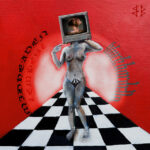
Black Bordello have never sounded particularly interested in behaving themselves, and Midheaven Tempest doubles down on that instinct. Across four tracks, the London five-piece construct a world where gothic rock, post-punk, psychedelia and trip-hop collide under flickering theatre lights. “Fugue” is the perfect curtain-raiser, Hammond organ and Velvet Underground fuzz dragging the listener into something simultaneously romantic and rotten, while Sienna Bordello’s vocals shift from spectral soprano to guttural provocation with gleeful disregard for convention. “Numb-Lock” pushes the theatricality further, lurching between swelling strings, Bond-like melodrama, fuzzy guitar and uneasy piano, yet somehow holding its fractured pieces together. There is a sense that every song could collapse at any moment, and that instability becomes the record’s greatest pleasure.
What makes Midheaven Tempest compelling is its refusal to settle on a single version of itself. “Daddy” spirals into psychedelic theatricality before “Mechanical Dancer” brings the curtain crashing down in suitably expansive fashion. Black Bordello understand that darkness need not mean dourness, finding humour, glamour and genuine beauty amongst the grime. Their music feels like stumbling into a forgotten theatre after midnight, only to discover the band are still playing and have no intention of explaining the plot. It is strange, ornate and occasionally abrasive, but beneath all the costume and chaos sits a strong instinct for melody and drama. Midheaven Tempest finds Black Bordello leaning harder into their peculiar mythology, and the result is a suitably unruly piece of art-rock theatre.
:: “The Man I Was Before” – Sven Ross ::
Mitch Mosk, Beacon, New York
The easiest songs can sometimes hold the hardest questions. Sven Ross lets “The Man I Was Before” glide by like a hazy late-summer afternoon, all gently picked guitar, dusty warmth, and a wistful vocal that never pushes harder than it needs to. The song moves with an easy, welcoming grace, but beneath that calm surface Ross is asking a deceptively heavy question: Strip away the years, expectations, promises, and accumulated baggage, and who is left underneath?
“I’m looking for the man I was before
Before the morning light poured down the corridor
When I could smile with nothing in my hands
Everything was mine”
Ross isn’t simply indulging nostalgia; he’s searching for the person who existed before ambition and experience started piling themselves on top of him. His warm, unguarded vocal settles easily into the song’s fingerstyle-inspired foundation, while the arrangement gently glides around him, leaving plenty of space for lines like “I’ve taken years / But I don’t know who they’re from” to sink in.
“I wrote my album by accident after moving to London for two months in spring 2025,” Ross tells Atwood Magazine. “I saved some money and gave myself permission to do whatever I felt like doing. During this time, I learned a lot about myself, broke patterns that worked against me, and found myself writing songs that thematically fit together. ‘The Man I Was Before’ was one of the first songs written during this process, and eventually became the title track of the album.”
“Those months, I was reading a lot of books on philosophy and psychology, and this song was inspired by a passage I read in ‘Een Simpel Leven’ (‘A Simple Life’) by Roderick Nieuwenhuis. If we take away all ego-driven parts of our personality, what are the parts that remain? Rather than by layering things on top of eachother, I started reinventing myself by taking things away.”
That idea of subtraction gives “The Man I Was Before” its emotional center. “I’m peeling back the layers ‘til I get to the core / Where all that is has always been that way,” Ross sings, treating self-discovery as an act of removing rather than adding. The song’s understated alt-folk palette suits that process perfectly, its spacious arrangement giving Ross room to listen for whatever remains.
Based between Amsterdam and London, the Dutch singer/songwriter has spent years shaping contemporary folk songs around change, love, and the search for self. “The Man I Was Before” is the fourth single and title track from his forthcoming debut album, due March 1, 2027, and it grew out of the same two-month London period that set the wider record in motion.
By the time Ross repeats “I’m looking for / I’m looking for / The man I was before,” the search itself has become the song’s point. “The Man I Was Before” doesn’t arrive at a grand revelation; it simply keeps peeling back the layers, one gentle guitar figure at a time. In that patience lies its endearing pull – a warm, wistful folk song about trying to hear your own voice beneath everything life has taught you to carry.
:: “If I Fall” – Sachi Keiko ::
Mitch Mosk, Beacon, New York

Falling in love can be terrifying when you’ve spent years learning how to protect yourself. Sachi Keiko lets that tension drift through “If I Fall,” a dreamy folk reverie that sounds like an easy late-summer afternoon with the sunshine out in force. Acoustic guitar lays the foundation as lush keys and a warm bed of vocal harmonies gather around her, while Keiko’s sweet, gently jazzy voice carries both the rush of surrender and the fear that comes with allowing another person all the way in.
“Bore me with your secrets
I’m dying to know
Tell me everything
Give me everything
Press yourself to me
Get close as you can
Do you feel me?
It’s everything I have”
The invitation is total, yet Keiko’s longing comes with years of self-preservation attached. “I’m falling so reckless / So recklessly for you,” she sings, her voice floating easily over the song’s lilting acoustic pulse. The music radiates sweetness and ease, but the lyrics keep pressing into the risk beneath that bliss: How do you give yourself fully to love when part of you is still waiting for the fall?
“‘If I Fall’ is about deep yearning – the desire to know someone entirely, to witness all the details of their life, and to surrender everything in return,” Keiko tells Atwood Magazine. “I wrote this song from the comfort of a safe and healthy relationship. During the process, I realized that I was still holding back parts of myself in an attempt to self-preserve and avoid romantic hurt. In ‘If I Fall,’ I’m challenging old risk-assessments by facing my fears of being known and loved, and asking myself what it would look like to truly heal.”
The second verse opens that question further. “I have saved my secrets / Protected the pain,” Keiko admits before arriving at a gentler realization: “I am letting in / I’m learning to love / Grace and empathy / They can heal me too.” Her arrangement follows that opening-up in miniature, its guitars, keys, harmonies, and steady rhythmic pulse creating an increasingly lush space around her. By the time she asks, “If I fall, you’ll catch me / And hold me til it’s through,” the song has become less about the thrill of romance than the courage required to trust it.
A Las Vegas-raised percussionist who studied at Northwestern before pursuing music in New York City, Keiko found her way to songwriting after years spent imagining a different path for herself as a Broadway percussionist. “If I Fall” leads into her debut EP Keep It Down, out October 9, a four-song collection exploring repression across work, love, and art. That larger theme already glows through this song: Keiko spent years learning how to hold parts of herself back, and “If I Fall” captures the sweetness of finally loosening that grip.
Its closing plea says everything: “Oh, let me be loved and / Let me love you too.” “If I Fall” wraps that surrender in dreamy, sun-soaked folk bliss, giving fear room to dissolve into possibility. It’s the sound of opening the windows after a long season indoors and realizing the light has been waiting for you.
:: Wave to Come – Where’s West? ::
Julius Robinson, California

Where’s West’s chill psychedelic sound is a hypnotic, breezy paradise. Its laid-back rhythms and hazy textures create an effortless escape allowing listeners to drift away. The band’s current 8-track album Wave to Come transports you to another world through lush, atmospheric instrumentation and warm, feathery vocals. The first track “Wave to Come” features silky vocals serenading us atop groovy, glimmering sonics. Lyrics like “maybe it all was just a phase / lost in all of the ways / got to get up now / sing my song for someone else” reflect the ebb and flow of life, reminding us that sometimes we have to let go of what no longer serves us and move forward. “Need Your Love” possesses that same dewy landscape and tender tone. With its nostalgic undertones and contemporary sound, the track strikes a balance between familiar and fresh. The hauntingly pleading vocals draw us in and keep us hooked. Closing with “Kitchen”, the bold percussion drives the track forward as the heartbeat of the record. This piece in particular emanates Arctic Monkeys energy through effortless easy-going rock vibes.
Where’s West is made up of Zan Curleigh (vocals/guitar), Aidan Babuka Black (keys/vocals), Robbie Cullerton (bass), and West Hauser (drums) and captures a cool, California quality. At the core of their music is a deep sense of love and connection. Where’s West? took shape in the basement laundry room of their college house. The group got their start performing school shows and backyard parties to now playing at iconic stages like The Troubadour. That evolution speaks to the band’s ability to turn a simple joy for making music together into something that continues to reach new audiences.
:: The Yes Man – George Bone ::
Danielle Holian, Galway, Ireland

George Bone arrives with The Yes Man, a debut EP that wears its emotional heart openly while never sacrificing musical detail. Across six tracks, Bone threads intimate singer-songwriter confessionals through lush arrangements, subtle jazz flourishes and instinctive pop melody, creating a sound that feels polished without losing its human edge. “Seven Years in the Making” sets the scene with drifting drones and fractured percussion before “The Wrong Person” brings the record into focus, its acoustic foundations gradually surrounded by piano, understated drums, elegant saxophone and hazy guitar. It is a strong introduction to an artist who understands that accessibility and sophistication need not exist at opposite ends of the spectrum.
That balance between intimacy and ambition carries through The Yes Man, with “I’m Broke” and “Notes In A Bottle” offering moments of unguarded lyricism before “Floating Away” brings a more overt pop instinct to the surface. Yet it is the closing “Changes In Us” that leaves the deepest impression, reducing everything to piano and voice and allowing the EP’s emotional weight to settle. What began, in Bone’s own words, as post-breakup therapy has evolved into something more revealing, a record concerned as much with personal reckoning as romantic fallout. Crucially, it never feels overworked. The arrangements are detailed without becoming cluttered, while Bone’s voice carries the vulnerability at the heart of it all. The Yes Man is an assured debut that places thoughtful songwriting and genuine musicality at its core, introducing an artist who understands that sometimes the quietest moments can say the most.
:: “Heartbreak Hotel” – Camellia Grove ::
Mitch Mosk, Beacon, New York
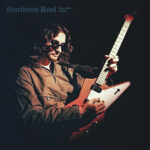
Camellia Grove has written a pop banger for the moment you finally throw off the sheets. “Heartbreak Hotel” takes the paralysis of depression and unemployment and gives it forward motion, pairing a propulsive, sprightly drumbeat with a strong kick, glistening keys, and Kevin McCarthy’s radiant vocal. His voice keeps climbing with the song, roaring and soaring as the arrangement gathers force around him, all that charged frustration pushing toward release.
The song begins inside the room, where staying in bed offers temporary refuge from a world that has become too heavy to face. McCarthy makes the image painfully literal from the opening lines:
“Oh the heavy days, in a world behind your eyes
Might defer the pain if you just stay in bed this time
Little angels calling cuz you’re too afraid to die
Devil’s on your back but baby,
you’ve known him your whole life”
“During my unemployment, if I wasn’t applying for jobs, there was a fairly decent chance that I was in bed,” McCarthy tells Atwood Magazine. “Despite not wanting to be, my energy was so low that all I could do was lay there and promise myself that tomorrow would be different. ‘Heartbreak Hotel’ is a song about bedrotting, and trying to overcome the depression that causes it. It’s also the track that catalyzed the idea of ‘Waiting Room Music’ as an EP to capture the moment I was living through. Just like how I eventually overcame my mental prison, the song’s narrator also finds the strength to leave the hotel behind.”
That change begins with a snake. Written during an eight-month stretch of unemployment, “Heartbreak Hotel” took shape after McCarthy went for a walk and heard Arcade Fire’s “Year of the Snake,” which sent him home thinking about the Wood Snake and its symbolism of shedding an old skin. The first lines he wrote carry that image straight into his own stalled-out life: “Year of the snake I found it heavy, wrapped around my neck and holding / Promised me that it would maybe shed my skin and get me going.” The metaphor gives “Heartbreak Hotel” its axis: confinement gradually gives way to movement, and heaviness begins to loosen its grip.
The music runs with that awakening. Camellia Grove’s cinematic pop instincts come alive in the collision of gleaming keys, driving percussion, and McCarthy’s full-bodied delivery, which quakes with raw, visceral passion as the song swells. His love of The Killers is especially audible in that scale – McCarthy calls “Heartbreak Hotel” “very specifically Killers coded,” pointing to Brandon Flowers’ stadium-sized anthems as a major influence on its “driving determination.” The result is a true gem of a pop song: emotionally bruised, musically buoyant, and increasingly exhilarating as it pushes toward the light.
By the final verse, the breakthrough happens in plain sight: “In a beat threw off the sheets and tried with all his might / Lifted the drapes and let his face sit burning in the light.” “Staying at the Heartbreak Hotel” becomes “Checking out the heartbreak hotel,” and a song born from stasis finally gets moving. “Heartbreak Hotel” also became the catalyst for Camellia Grove’s forthcoming Waiting Room Music EP, out November 13, a project McCarthy wrote for the uncertain space between one chapter ending and another beginning. Here, he makes that in-between exhilarating – four minutes of fighting your way back toward yourself, one pounding beat at a time.
Checking out the heartbreak hotel
Punching in a one-way ticket to ride
And may we all find better days to take it all in stride
Caught between a life of peace and money on our dime
And may we all find better ways to leave it all behind
Caught between a life of peace and money on our dime
:: “Wildfire” – Ren McLean ::
Mitch Mosk, Beacon, New York

Ren McLean knows exactly what it sounds like to lose yourself in another person. On “Wildfire,” the Boston singer/songwriter casts a devastating breakup as an elemental disaster, placing herself in the path of a love that consumes whatever it can reach. “You’re wildfire and I am the woods / Caught in denial as you scorch up the earth / But I see it now as I come apart / You’re wildfire and you take what you want,” she sings, realizing only in retrospect how much of herself she surrendered trying to keep the relationship alive.
The title track of McLean’s forthcoming seven-song concept EP Wildfire begins with little more than her tender voice and acoustic fingerpicking, lilting gently as the guitars glisten and gather texture around her. The restraint makes the song’s central metaphor physical. What starts as a spark keeps spreading, each new instrumental layer adding heat until the arrangement can no longer contain itself.
“I wrote this song two and a half years ago based off of a sentence I said during a conversation: ‘I’d hate to burn down a bridge I just started to build.’ I immediately wrote it down in my notes app, and then a few weeks later when I sat down to write, I rediscovered the sentence, and the song flowed out of me in one session,” McLean tells Atwood Magazine.
“I wrote this song a few months after a pretty rough breakup I went through, and it was the first song I wrote about the experience that really resonated with me, that felt real. The song is about the moment after a break up where you’re looking back at everything, and you have the epiphany of where and how it all went wrong. In my specific experience, it all went wrong because I let this person take and take, losing everything that made me ‘me’ in the process, and so when it all ended, I felt like I had been burned away with the relationship itself. To create that feeling musically, I wanted the song to build the way a fire does, slow at first (just vocals and acoustic fingerpicking guitar), and then it explodes exponentially (a chaotic bridge with a bunch of loud and haunting guitars, drums, piano, mandolin, screaming, etc. where we told all the players to just go crazy in the studio), before it dies down quickly to a few embers, and then a pile of ash (a lead vocal all alone).”
That explosion arrives around the three-minute mark. Drums pound toward a fever pitch as guitars, piano, mandolin, and layered vocals pile atop one another, McLean repeating “You’re catching up to me / Catching up to me” until the entire song roars. The escalation is thrilling because the arrangement has spent so long holding itself back; suddenly, the fire she has been describing is everywhere. Then McLean pulls the floor out. The instruments fall away, the blaze collapses, and “Wildfire” returns to a hushed acoustic finale with almost nothing left standing.
McLean has released nine singles since 2022 and graduated from Berklee College of Music’s songwriting program, but “Wildfire” opens a larger chapter in her work. The forthcoming Wildfire EP traces a first heartbreak through grief, acceptance, and the slow reconstruction of a self that had been swallowed by a relationship. Its title track captures the point when devastation finally becomes recognition. By the time the flames die out, McLean is still standing among the ashes – and for the first time, she can see exactly what burned.
— — — —

Connect to us on
Facebook, 𝕏, Instagram
Discover new music on Atwood Magazine
:: Weekly Roundup ::
follow WEEKLY ROUNDUP on Spotify
:: This Week’s Features ::