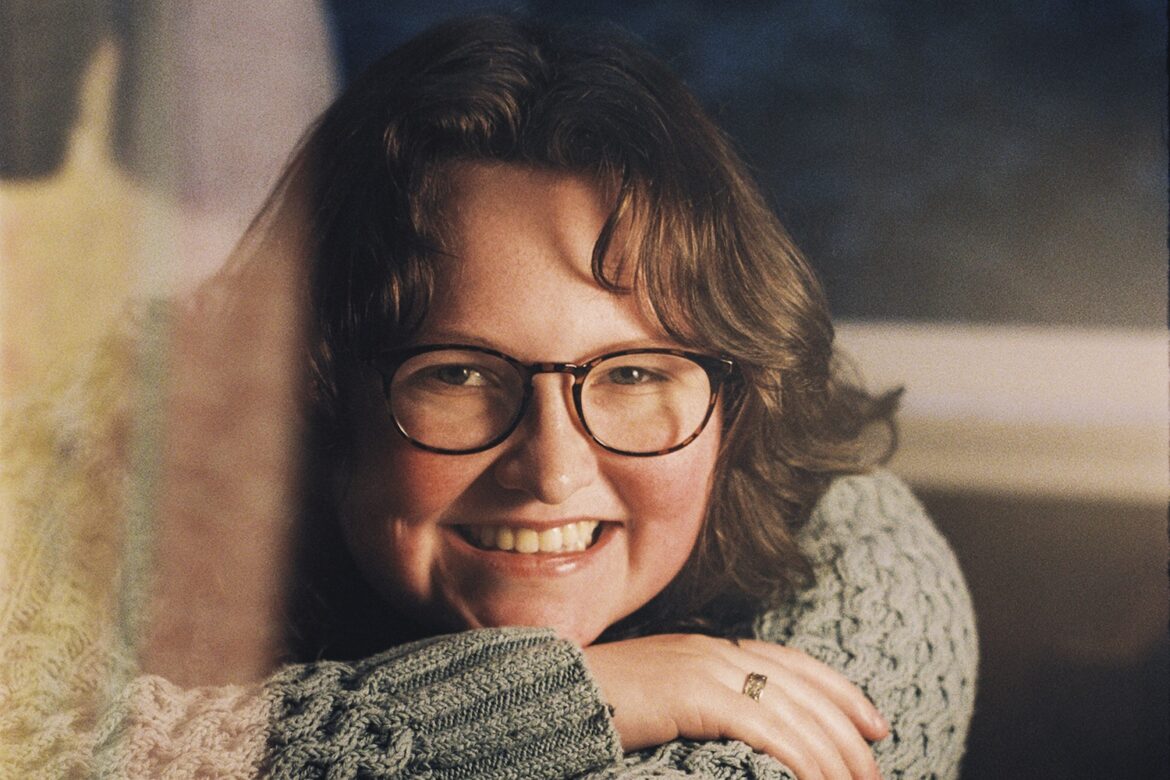
With a crystalline voice and a gift for plainspoken emotional honesty, 21-year-old singer/songwriter Aubory Bugg makes her debut with ‘i think i had something once,’ a candid indie folk album that asks what remains after people, places, and past selves slip away. Speaking with Atwood Magazine, Bugg opens up about writing through the worst breakup of her life, leaving home for Nashville, and learning that losing something doesn’t erase what it meant – from the bright, biting “nosedive” and the wistful resignation of “farewell to dreaming” to a spellbinding album that slowly trades bargaining for imperfect closure.
Stream: “nosedive” – Aubory Bugg
Knowing exactly how a love story is going to end doesn’t make the fall any softer.
Sometimes the cruelest part is watching someone drift back toward the person they never really got over – and wondering why you’re still standing there.
Charming, charged, and effortlessly catchy, Aubory Bugg’s “nosedive” is a folk rock enchantment with the timeless snap of those great ’90s and early-aughts country-pop crossovers. Bright guitars and rocking drums keep it surging forward, while Bugg’s crystalline voice and spirited melodies give all that sweetness a cathartic, cutting edge. Taken from her recently released debut album i think i had something once, “nosedive” finds the 21-year-old singer/songwriter caught in one of romance’s crueler waiting rooms: The miserable limbo of knowing a relationship is slipping away before anyone has actually said the words out loud.

Guess I saw this coming
You’re so good at jumping
Into old things like they’re new
So you can leave me stranded
Take this all for granted
And go spend your nights up in his room
Bugg’s own story has moved almost as quickly as the song. She grew up in a blue-collar steel-mill town in Illinois, in a family where creativity and hard work were closely intertwined. Her father played drums in local bands and at family gatherings, while her parents picked up extra jobs and even bartered home repairs for piano lessons from a relative.
By 13, Bugg was already playing local coffeehouses. Growing up queer in a conservative, tight-knit town complicated her sense of belonging early, sharpening the feeling that however much home had shaped her, she would eventually need to leave it.
Her wider breakthrough arrived in early 2024, when she challenged herself to post a cover every day on TikTok. A rendition of Reneé Rapp’s “Tummy Hurts” went viral and brought more than 110,000 new followers, but Bugg quickly redirected that attention toward her own music. She eventually moved to Nashville, where she found independence alongside a new community of queer artists and collaborators and began building the body of work that would become her debut album i think i had something once (out now via Dualtone).

By the time “nosedive” arrived, Bugg had little interest in hiding the mess behind metaphor.
“I was seeing someone who I really cared about and while we were dating they reconnected with their ‘one that got away,’” Bugg tells Atwood Magazine. “There were a solid few days of ‘well okay I know what’s gonna happen, and you know what’s gonna happen, so what’re we doing?’ and I think ‘nosedive’ really lives in those few days. Now looking back, it’s a little funny. I think about that version of myself and I think ‘girl get up what’re you doing?’ but it was important for me to be able to work through it in a fun song and I’m excited for it to connect with people who’ve been through similar things.”
The second verse lives inside that awful limbo. “Am I overthinking? / ’Cause we’re barely speaking / sucks you’d rather be with him / so should I stop calling? / Or I can just keep stalling / until he makes you mad again,” Bugg sings, narrating the little bargains we make when the answer has already become obvious but we aren’t ready to act on it. That’s what makes “nosedive” such a perfect title: This isn’t one sudden crash. It’s watching the ground rush closer while everyone involved pretends there’s still time to pull up.
The chorus turns that helplessness into release. “There’s nothing like a first love / coming back into your life f***ing it all up for me,” Bugg sings, the melody practically beaming while the lyric seethes underneath. Bitterness becomes buoyant; humiliation becomes something you can shout back at the speakers. And every return to “nothing like your right guy, wrong time” shifts the balance between resignation and accusation, as though repetition itself is helping Bugg decide what she actually thinks of the mess.
‘Cause there’s nothing like a first love
Coming back into your life
f***ing it all up for me
Nothing like the good stuff
Rushing back into your mind
like it’s a real love story
Nothing like a nosedive
Falling blind, wasting your time
on things you loved before me
Nothing like your right guy, wrong time
“I think to me it just really hits home on the anger and simultaneous understanding,” Bugg explains. “Like, ‘yeah this makes sense but god it really sucks.’”
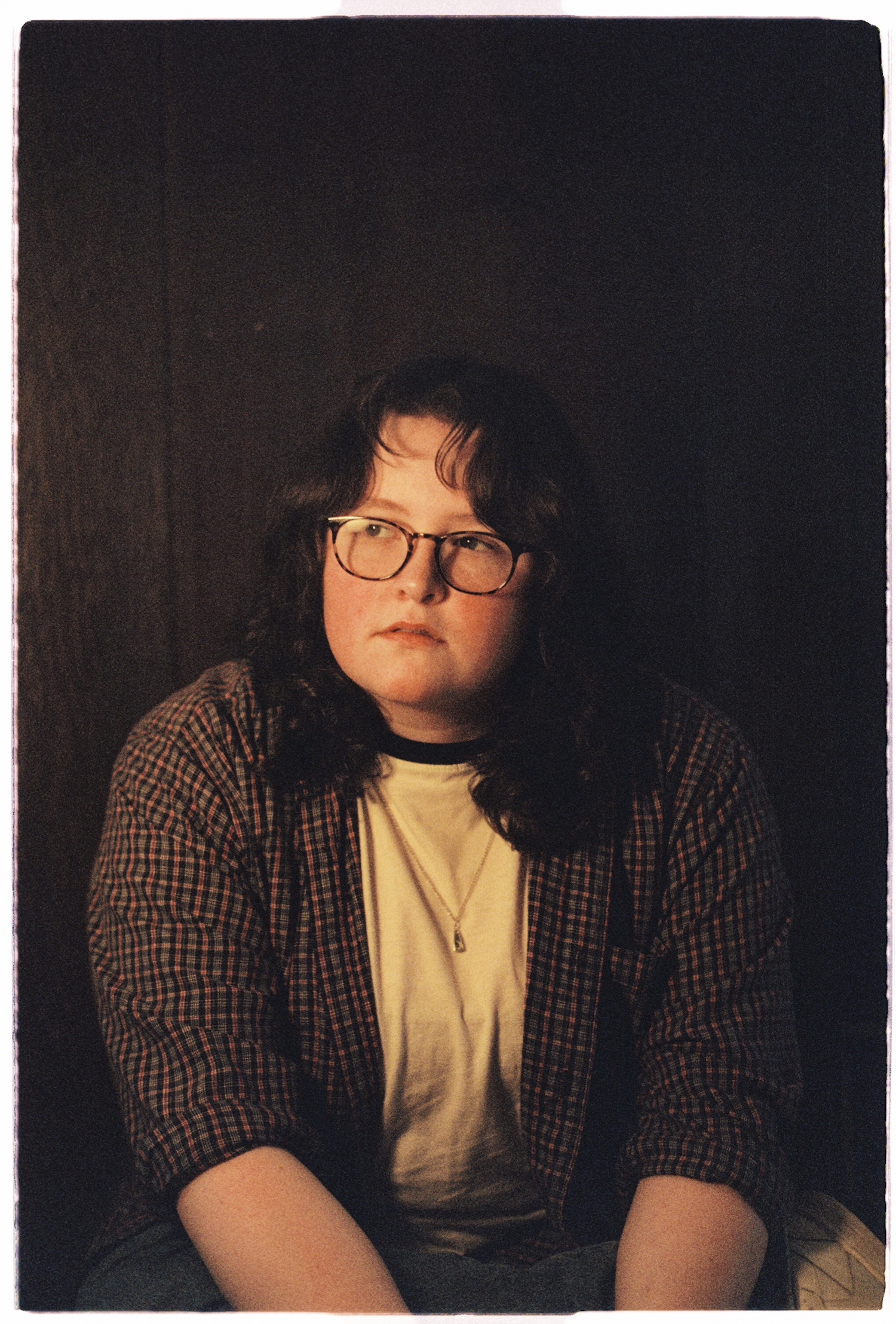
Within i think i had something once, “nosedive” sits at the center of a 12-song record shaped by two upheavals arriving at once.
Bugg was leaving her Illinois hometown for Nashville while weathering what she calls “maybe the worst breakup of my life,” and much of the album grew from trying to navigate that collision of freedom, displacement, heartbreak, and change. Rather than smoothing those experiences into one sonic palette, Bugg and collaborators Matt Martin and Jon Class let those contrasts stand; “nosedive” gets to be the bright, biting folk rock release valve. Its embarrassment and anger make a fitting doorway into a record preoccupied with everything that remains after a person, a place, or an earlier version of yourself slips out of reach.
“I think this is the most honest and straightforward I’ve ever been in my music,” Bugg says. “I really love weaving these veiled and complex narratives that kind of hint at the truth, but this record is a departure into my real life and how I felt about it at the time.”
This directness puts Bugg in conversation with generations of songwriters who have made plainspoken emotional truth hit like revelation. She counts Joni Mitchell, Bonnie Raitt, Carole King, and Linda Ronstadt among her musical north stars, alongside contemporary inspirations Christian Lee Hutson, Phoebe Bridgers, and Adrianne Lenker. “nosedive” carries that lineage lightly: Its storytelling cuts straight to the bruise, while its enormous melodic lift keeps the song moving forward even when Bugg herself is emotionally stuck.
With enough distance, that honesty has changed its posture. “When I started it, I felt very defeated and embarrassed, and I think that was how the song originally felt to write,” Bugg says. “I think now though, it’s a little less self-deprecative and a little more accusatory.”
That evolution is clearest in the bridge. The person Bugg was seeing may have been caught between past and present; now Bugg begins imagining a future in which she finally steps outside the triangle. “When I finally make my peace / don’t come crawling back to me / oh, when I’ve put my mind at ease / oh, don’t come crawling back,” she sings, turning the questions of verse two into the first outline of a boundary. The nosedive may already be underway, but she’s no longer strapped helplessly into the passenger seat.
Bitter without becoming joyless, wounded without losing its grin, “nosedive” transforms an excruciating few days into the kind of chorus you’ll want to shout for years.

But i think i had something once refuses to let heartbreak remain the whole story.
Across its 12 songs, Bugg keeps returning to a larger question: If something ends, does that make the time we spent loving it any less real? Again and again, the record answers no. People leave. Childhood disappears. Families change. Old versions of ourselves become unreachable. Bugg’s songs let those losses hurt without allowing them to invalidate what came before.
The title track establishes that idea before romance even enters the frame. Streetlights coming on, feet in the pool, and the vanished ease of looking at the world like a child become proof of how difficult it is to recognize a good life while you’re still inside it. “I wish I knew when the good was when I was in it,” Bugg sings, collapsing nostalgia into one beautifully cruel realization: We often understand the value of a season only after it has already become memory. The album title carries the same uncertainty. i think i had something once sounds less like a declaration than someone reaching backward in the dark, trying to decide whether what she remembers was ever as solid as it now seems.
Romantic loss keeps testing that idea from different distances. Where “nosedive” is still caught inside the crash, “just embers now” has lived long enough beyond a relationship to see what the fire left behind. “Can’t call our season wasted time,” Bugg sings over buoyant folk-pop guitars and drums, thanking a first love for changing her even after the relationship itself has burned out. The hurt has cooled into gratitude. What remains is not a plea to restore the past, but an acknowledgement that being changed by someone can still matter after they stop being yours.
“i’ve come to realize” widens the record’s gaze further, moving from breakups into death, family, and the terrifying arithmetic of a long life. Bugg wonders whether her mother still needs her own mother when she hurts, whether her father misses his best friend, and where love goes when the person receiving it is gone. The chorus arrives at one of the album’s clearest answers: “Loving just to lose is not the same as wasting time.” Suddenly the heartbreak songs sit inside a much bigger truth. Loss is not evidence that love failed. Sometimes loss is simply the cost of having had something worth losing.
The record’s emotional continuity never requires its songs to wear the same clothes.
“I think every single kind of had a mind of its own production-wise, if that makes sense,” Bugg tells Atwood Magazine. “I was lucky enough to work with two of my favorite collaborators Matt Martin and Jon Class on making sure the record was cohesive, but what was most important to me was to give each song its own lane. I really think the most important thing is that no songs step on each other’s sonic toes.”
You can hear that philosophy in the distance between the title track’s gently strummed indie folk, the full-bodied rush of “nosedive,” and the brighter folk-pop pulse of “just embers now.” The differences are functional rather than decorative. Each arrangement meets Bugg at the emotional temperature of the song instead of asking every memory to speak in the same voice. Her crystalline vocal becomes the constant – clear enough to carry conversational detail, yet powerful enough to open wide when the songs demand release.
Other songs catch Bugg much earlier in that process of letting go, while love is still tangled up with bargaining and self-abandonment. “circumstances” circles a relationship both people keep pretending can survive, asking for one more kiss, one more minute, one more chance to forget what they already know. “still want you to” pushes that desperation somewhere harsher: Bugg imagines herself pulling her punches until she is “black and blue,” admitting that even being hurt has not extinguished the desire to stay. By “i can’t,” the limit finally becomes impossible to ignore. “I can’t make you want me / I can’t make you happy,” she sings, arriving at the brutal realization that effort cannot manufacture reciprocity. Across these songs, heartbreak is not one clean ending but the slow exhaustion of trying to rescue what another person has already stopped choosing.
The album’s final three songs refuse any easy version of closure.
Bugg calls “farewell to dreaming” – the only song on the record she wrote entirely by herself – her personal favorite, and its imagined world is heartbreaking precisely because she knows it cannot exist. Trees blossom in winter, good things never end, hard conversations become unnecessary, and a lost relationship survives: “What a life we could’ve had / If the world worked like that.” Reality arrives in the second verse with spring and the admission that she still misses this person, but Bugg no longer bargains with what happened. “Guess that’s farewell to dreaming / It’s my last farewell to you,” she sings, letting go not only of the relationship, but of the parallel life she once imagined for it.
“close enough” wakes up from that dream. Bugg imagines the apology she never received – a phone call asking whether she is okay – only to open her eyes to a world where nothing outside her has changed. She has. “Can’t call it closure but it’s close enough for me,” she sings, accepting an ending that is neither fair nor satisfying because waiting for something cleaner would keep her tethered to it. The line may be the album’s most practical definition of moving on: You do not always get the ending you deserve; sometimes you decide the ending you have is enough.
Closer “sometimes (i love you)” leaves even that acceptance imperfect. “Sometimes, I love you / but I’m working on it,” Bugg admits, no longer asking for the relationship back but unwilling to fake indifference either. By the outro, the boundary sharpens: “After this one I’m not writing you songs.” The record ends without pretending love has disappeared on command. Moving on becomes a practice rather than a finish line.
Seen from the other side of the album, “nosedive” lands differently. Its narrator is still staring straight at the inevitable crash, bargaining for a few more moments before impact. By the end of i think i had something once, Bugg has learned that surviving loss does not require rewriting the past as meaningless. A relationship can burn out and still have changed your life. Childhood can disappear without becoming imaginary. Someone can be gone while the love remains.
For a debut album, that is an unusually generous way of looking backward. Bugg does not ask memory to stop hurting; she asks what the hurt proves. The answer running beneath these songs is simple and difficult: We lose things because we had them. The ending never gets to erase the having.
Atwood Magazine recently caught up with Aubory Bugg to talk about the real-life upheaval behind i think i had something once, the making of her sonically wide-ranging debut, and what she has learned about herself while leaving home and building a new life in Nashville. Read our candid conversation below, and meet a songwriter already learning how to make absence sing without letting it have the last word.
— —
:: stream/purchase i think i had something once here ::
:: connect with Aubory Bugg here ::
— —
‘i think i had something once’ – Aubory Bugg
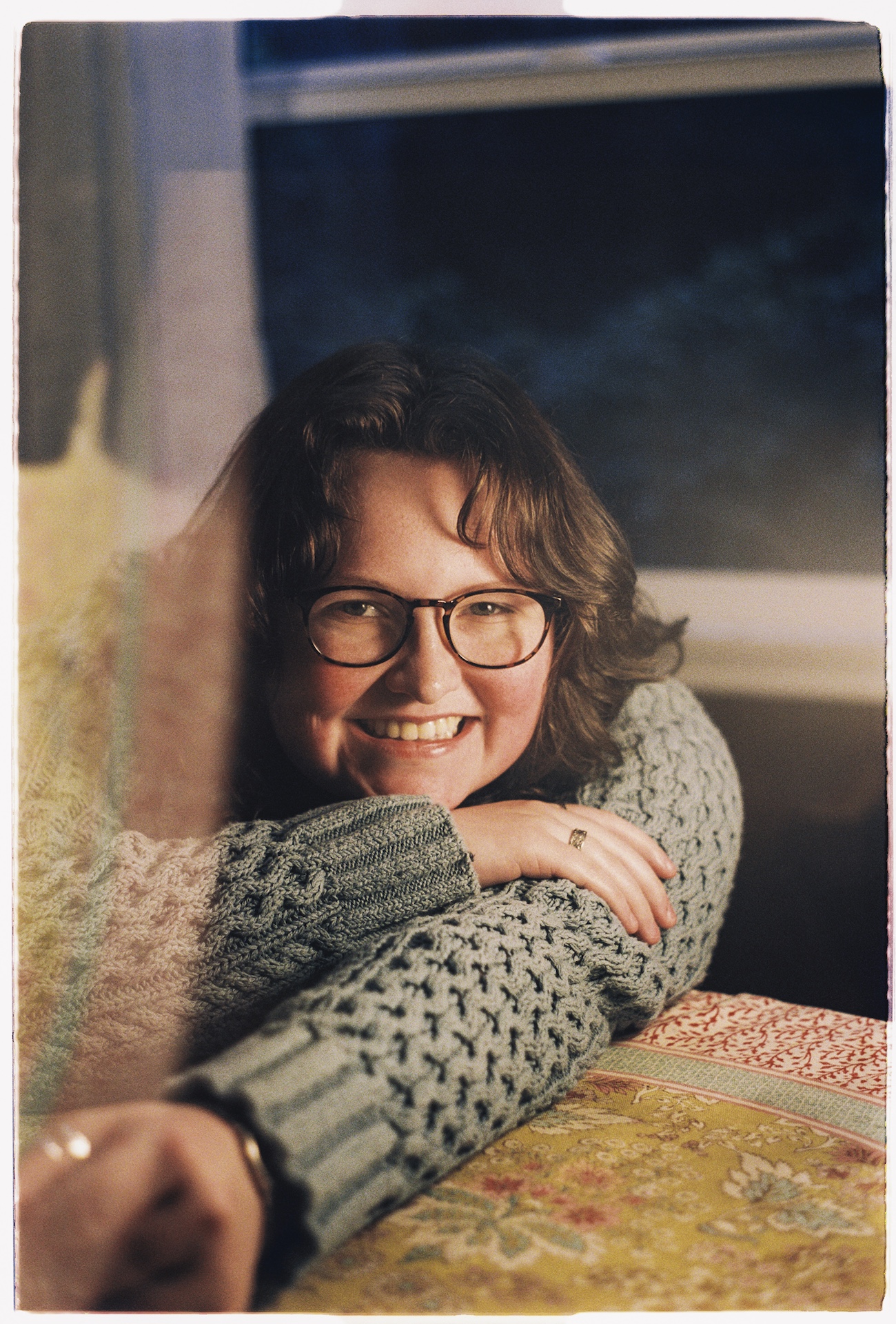
A CONVERSATION WITH AUBORY BUGG

Atwood Magazine: Aubory, hello and thank you for your time! For those who are just discovering you today through this writeup, what do you want them to know about you and your music?
Aubory Bugg: I want people to get a decent frame for this record and for me as a person. I think a lot of my music can stand alone but I always appreciate being able to dive a little deeper!
Who are some of your musical north stars, and what are you most excited about the music you're making today?
Aubory Bugg: I’m hugely inspired by classic female powerhouse songwriters like Joni Mitchell, Bonnie Raitt, Carole King, and Linda Ronstadt. I’m also very into artists like Christian Lee Hutson, Phoebe Bridgers, and Adrianne Lenker as of late!
Your debut album i think i had something once is such a phenomenal journey! How do you feel this record introduces you and captures your artistry?
Aubory Bugg: I think this is the most honest and straightforward I’ve ever been in my music. I really love weaving these veiled and complex narratives that kind of hint at the truth but this record is a departure into my real life and how I felt about it at the time.
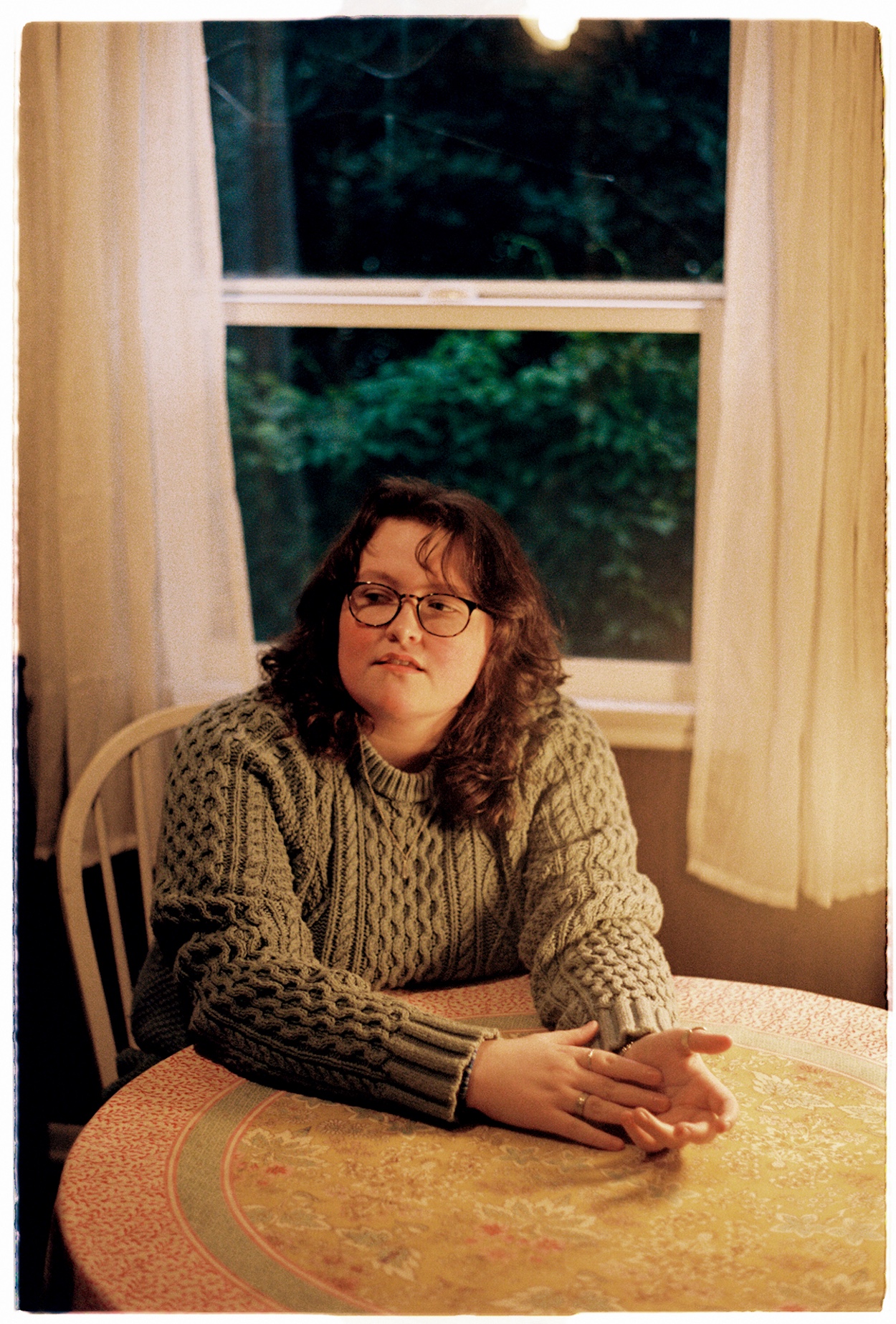
The album seems to hold so much: Leaving home, finding community, navigating identity, losing love, looking back on childhood, and trying to understand what stays with us. What were you working through while writing these songs?
Aubory Bugg: When I really dove into writing this record, I was in the middle of moving away from my hometown to Nashville and going through maybe the worst breakup of my life. The meat of the record is about navigating so much change and so much heartbreak at the same time.
What does the title i think i had something once mean to you, and why did it feel like the right phrase to hold this record together?
Aubory Bugg: It’s actually so funny – we wrote the title track first and I showed it to a few people I loved and all of them said “so that’s a title track” when it was done. And then we wrote SO MANY songs in such a short time that it was really about picking the ones that worked best together and with that title.
“nosedive” is such a sharp, cathartic song – bitter, funny, wounded, and self-aware all at once. What were you trying to capture in that moment?
Aubory Bugg: Hey thank you! It was a very cathartic song to write, really. When I started it, I felt very defeated and embarrassed, and I think that was how the song originally felt to write. I think now though it’s a little less self deprecative and a little more accusatory.
There’s a real bite to “nosedive,” but also a sense of warmth, humor, and release. What's the story behind this song, and what does it mean to you now, as you put it out into the world?
Aubory Bugg: I was seeing someone who I really cared about and while we were dating they reconnected with their “one that got away.” There were a solid few days of “well okay I know what’s gonna happen, and you know what’s gonna happen, so what’re we doing?” and I think Nosedive really lives in those few days. Now looking back, it’s a little funny. I think about that version of myself and I think “girl get up what’re you doing?” but it was important for me to be able to work through it in a fun song and I’m excited for it to connect with people who’ve been through similar things.
The chorus keeps circling back to the lyric “nothing like your right guy, wrong time,” and by the end, that catchy line feels both cutting and cathartic. What did that phrase unlock for you, and how did you want the repetition to build emotionally as the song goes on?
Aubory Bugg: I think to me it just really hits home on the anger and simultaneous understanding. like “yeah this makes sense but god it really sucks”
Your voice carries so much emotional weight on this record, but the songs also have this indie rock / folk-pop charge around them. How did you want i think i had something once to sound and feel as a complete body of work – what was your vision for this album, sonically?
Aubory Bugg: I think every single kind of had a mind of its own production-wise, if that makes sense. I was lucky enough to work with two of my favorite collaborators Matt Martin and Jon Class on making sure the record was cohesive, but what was most important to me was to give each song its own lane. I really think the most important thing is that no songs step on each other’s sonic toes.
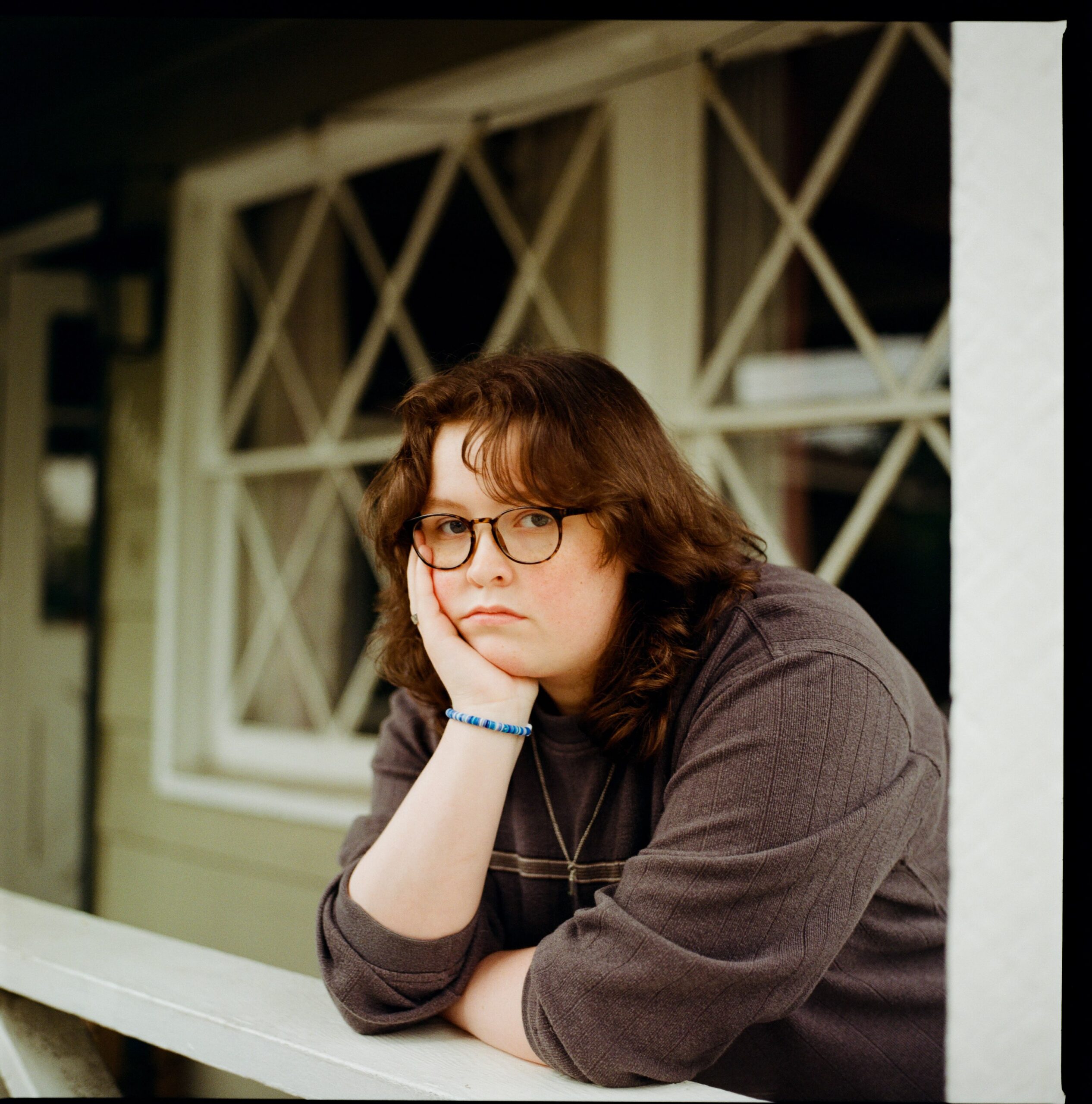
You’re living in Nashville now, surrounded by a thriving community of queer artists and collaborators. How has finding that sense of community shaped this chapter of your life and music?
Aubory Bugg: Oh my GOD it’s the best thing in the world. I love my friends and family back home but I LOVE being independent. My friends (who are mostly queer and all wicked talented) are all in similar seasons as me and it’s so beautiful to go through life with them and to have people to lean on emotionally and creatively.
Just to tease fans and listeners, do you have any definitive favorites or personal highlights off this record – anything folks should keep their ears open for?
Aubory Bugg: The very last song I wrote for this record is called “farewell to dreaming” and it’s the only 100% solo written song on the record. It’s my favorite song on the record for sure. There’s another one called “sometimes (i love you)” that seems to be a fan favorite based off of one line and I’m SO EXCITED to see the reaction to the whole song.
What do you hope listeners take away from “nosedive” and i think i had something once, and what have you taken away from creating this music and now putting it out?
Aubory Bugg: I hope i think i had something once and “nosedive” can find listeners where they are, whether that be in a bad breakup, the loss of a loved one, moving out of your parents’ house, etc, and reminds them that they’re not the only one to have gone through it. I think in making this record, I understand myself a lot more and I know how I relate to the people around me, and I’m so stoked to see how it connects with everybody.
In the spirit of paying it forward, who are you listening to these days that you’d recommend to our readers?
Aubory Bugg: I’ve been listening to a lot of Caroline Carter, Abby Powledge, Bridey Costello, and we just met!
— —
:: stream/purchase i think i had something once here ::
:: connect with Aubory Bugg here ::
— —
Stream: “nosedive” – Aubory Bugg
— — — —

Connect to Aubory Bugg on
Facebook, 𝕏, TikTok, Instagram
Discover new music on Atwood Magazine
© Caity Krone
 © Caity Krone
:: Stream Aubory Bugg ::