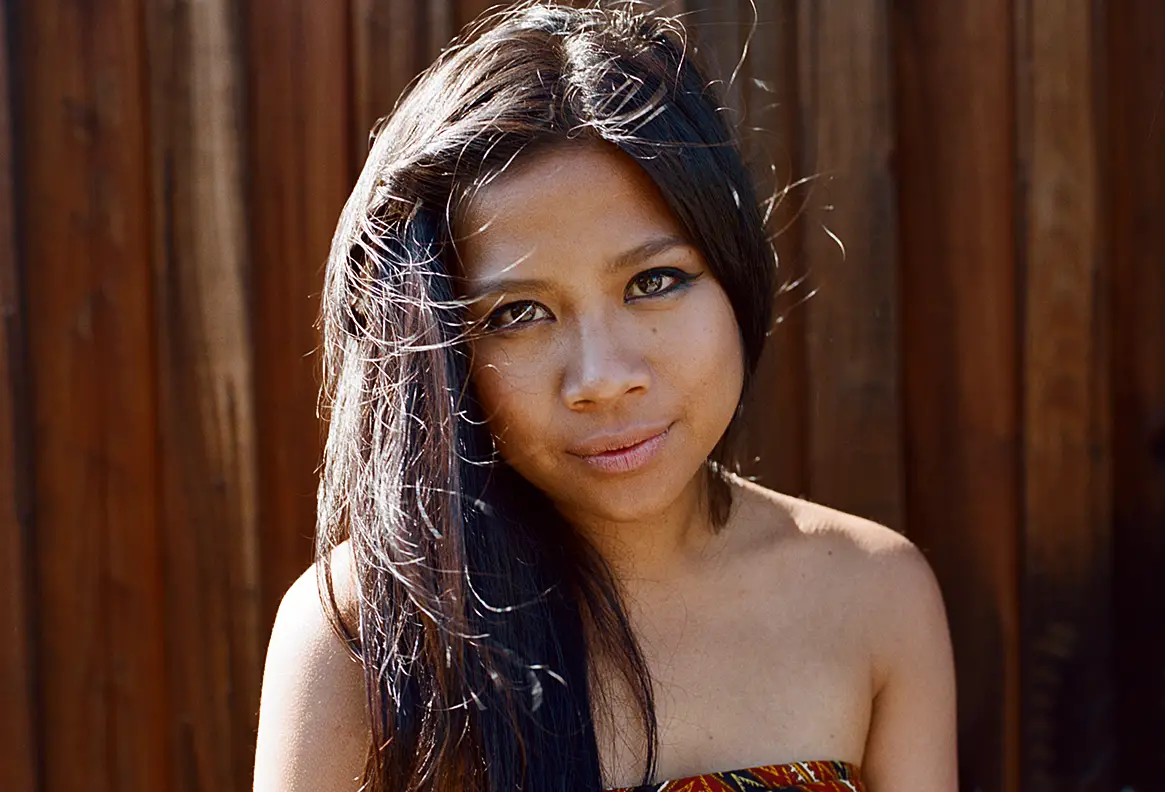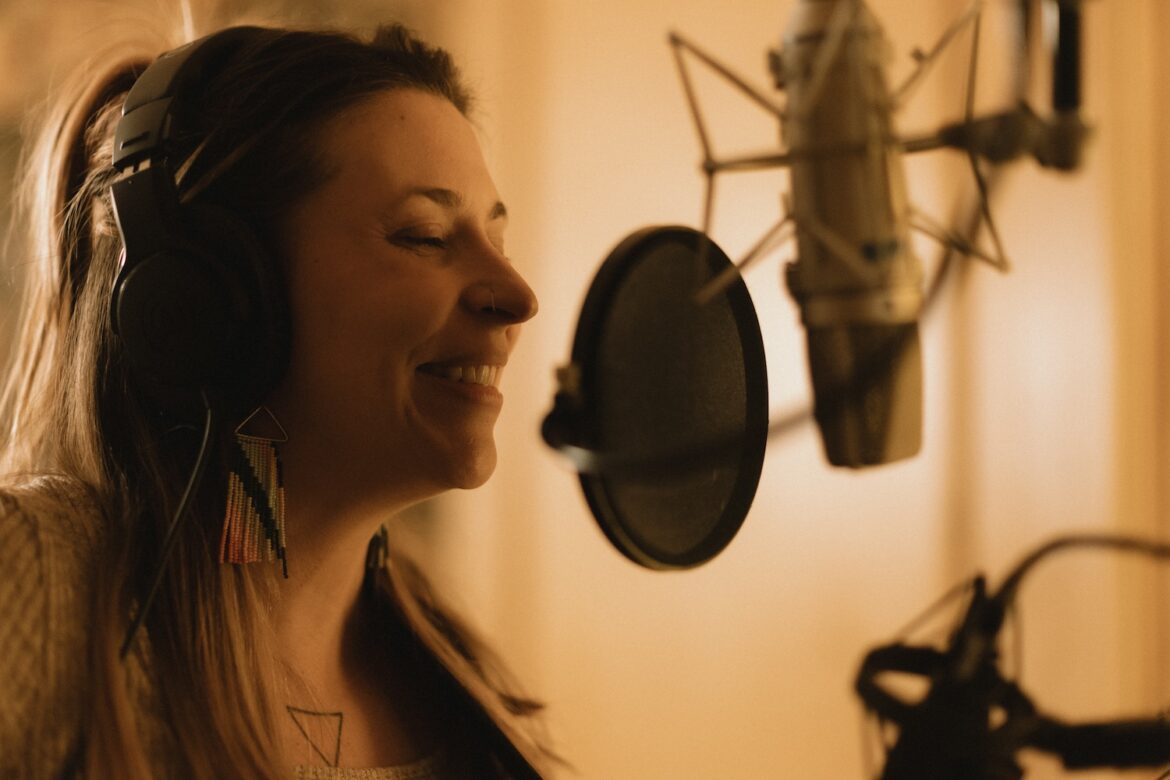
A decade of digging led Lindsay Lou to the women behind her favorite bluegrass songs. On her communal album ‘Bluegrass Women,’ the acclaimed singer/songwriter gathers an all-women cast across generations to return those writers to the story – bringing ten timeworn songs to life with the loose, collaborative energy of the picking circles where bluegrass still lives.
Stream: ‘Bluegrass Women’ – Lindsay Lou
By the time Lindsay Lou and a group of musicians started playing the songs that became Bluegrass Women, there was already a lot of history between them.
These were songs Lou played for years, through picking circles and late-night jams, and now she was hearing them come together with some of the musicians she most admires. A harmony would pop up, another player would jump in, and they’d build from there.
“It was just the coolest,” Lou says. “There was a serious reverence and respect that we shared among all of us.”
That feeling runs through Bluegrass Women, a 10-song album that returns to songs that have lived in bluegrass for generations and shines a light on the women who wrote them. Along the way, she uncovered the stories behind songs that had been familiar for years, bringing them together with the women making and carrying bluegrass forward today.
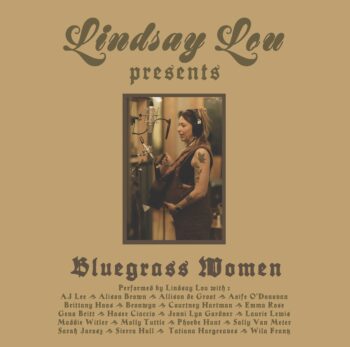
One hundred percent written, recorded, performed and produced by women in bluegrass, the album brings together generations of musicians, from legends such as Alison Brown and Laurie Lewis to contemporary leaders including Molly Tuttle, Sierra Hull, Sarah Jarosz and Aoife O’Donovan. Tatiana Hargreaves, AJ Lee, Gena Britt, Allison de Groot, Brittany Haas and Courtney Hartman are also part of the cast.
The idea began with a realization: How many familiar songs had women’s names attached to them, if you knew where to look.
Lou had been singing “All I Ever Loved Was You,” a song closely associated with Ricky Skaggs and Keith Whitley, before discovering it was written by Skaggs’ mother, Dorothy Skaggs. She learned that “I Only Exist,” another song she knew through the Stanley Brothers, was written by Jimmie Stanley, Ralph Stanley’s wife, and her friend Joyce Morris.
“I just felt like, man, there’s got to be so many more like this,” Lou says. “That I’ve been singing all along and didn’t realize were written by a woman.”
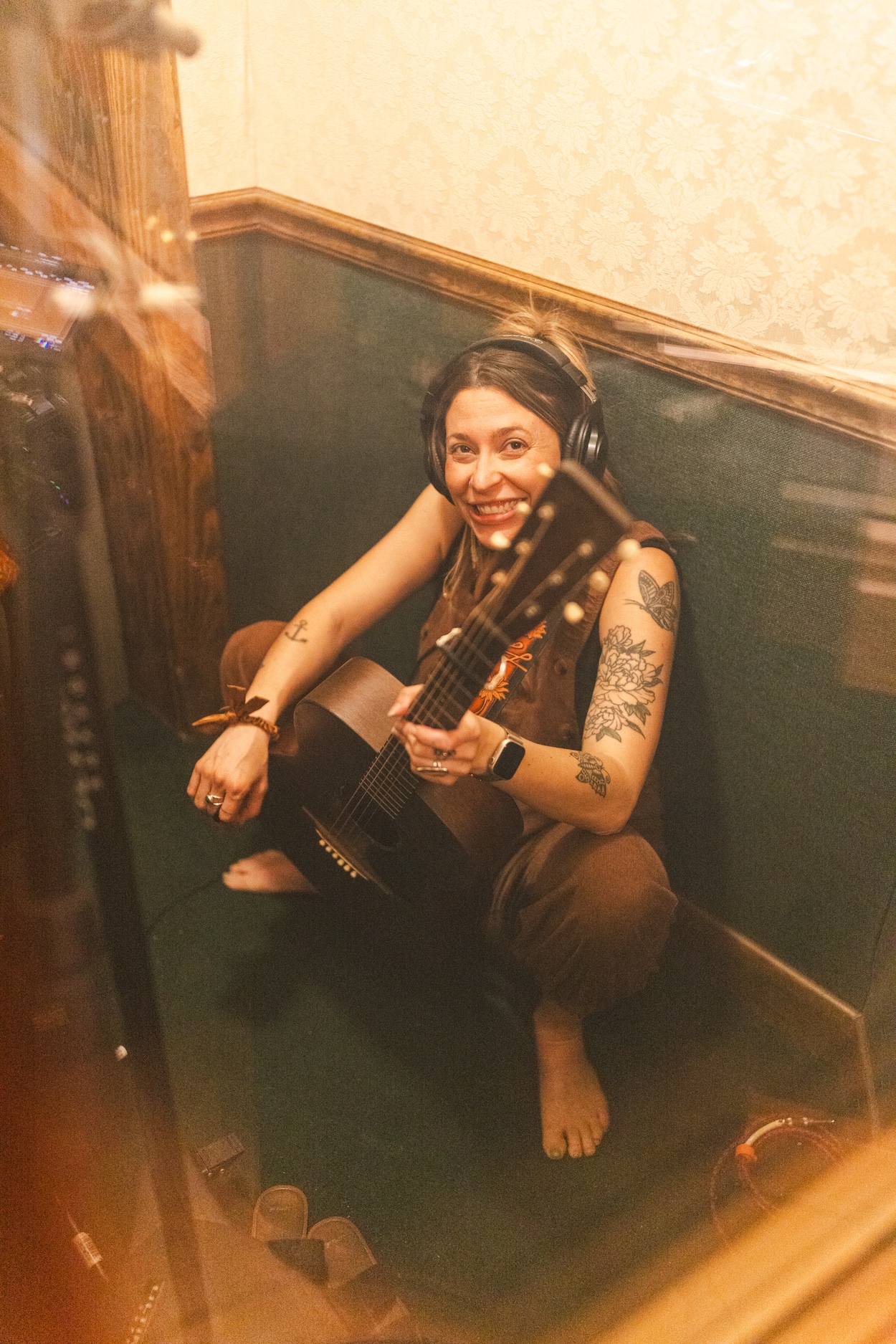
She kept looking. Over the next decade, more familiar songs led her to the women who had written them. Eventually, those discoveries became an album.
And making it brought her right back to the place where bluegrass feels most natural to her: the picking circle.
“Picking circles is really where bluegrass lives,” she says. “It’s made for playing in living rooms and around fires.”
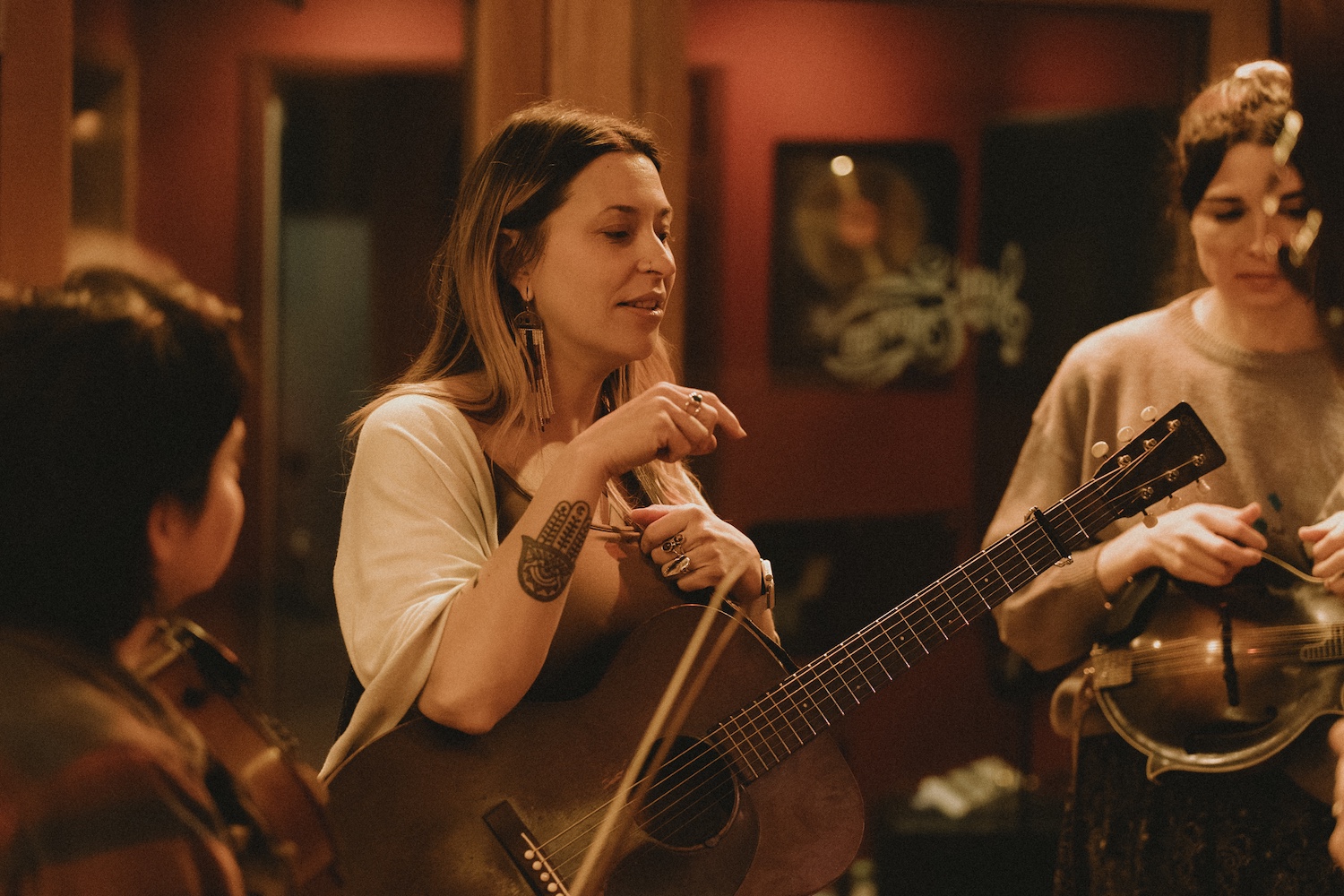
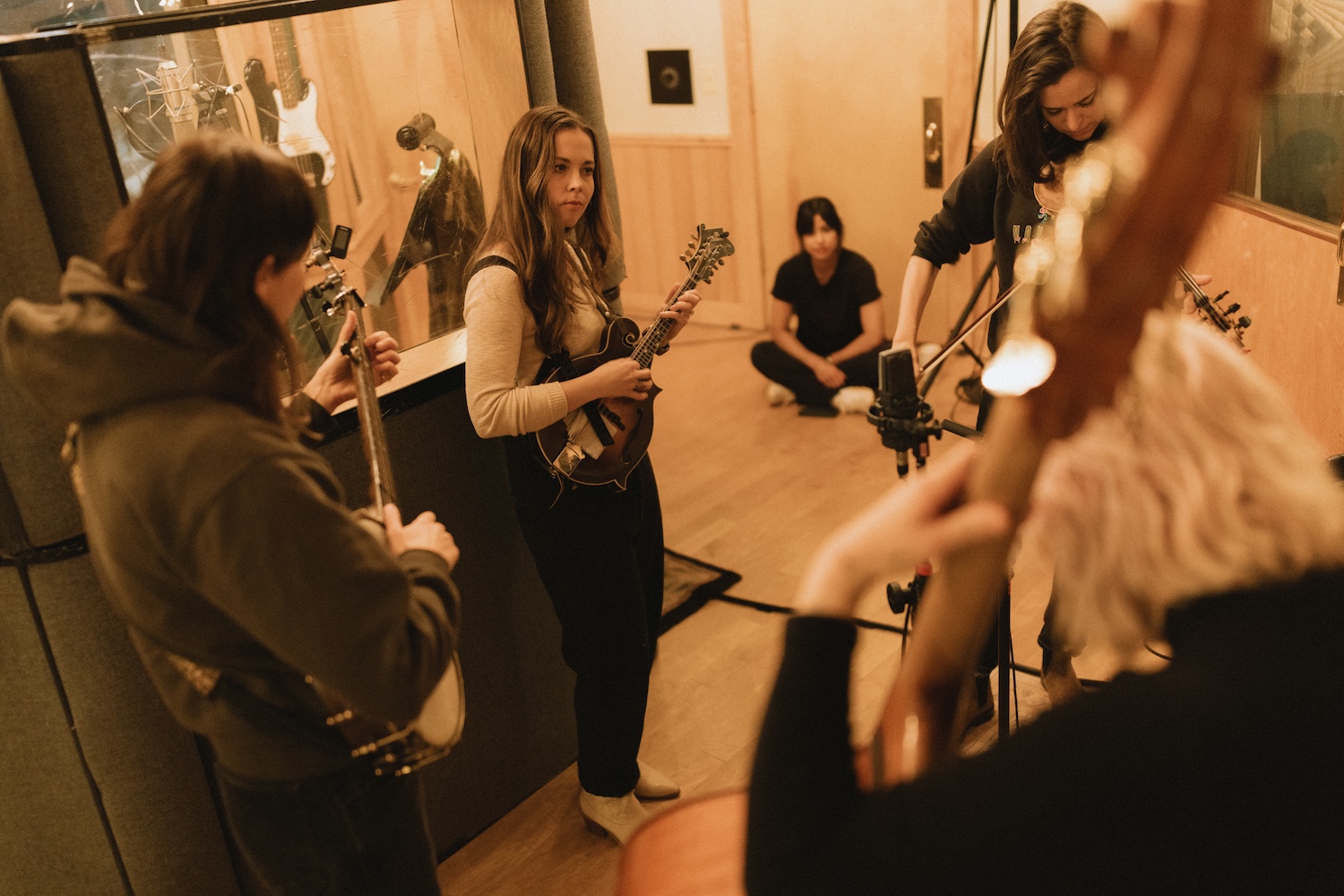
That same feeling carried into the studio. The musicians played through each song, worked out harmonies and breaks, and shaped the arrangements together. Some came together quickly. Others needed more time to come together.
The four-part documentary that accompanies the album captures that process, following the musicians as they work through the songs, trade ideas and talk about the women behind the music.
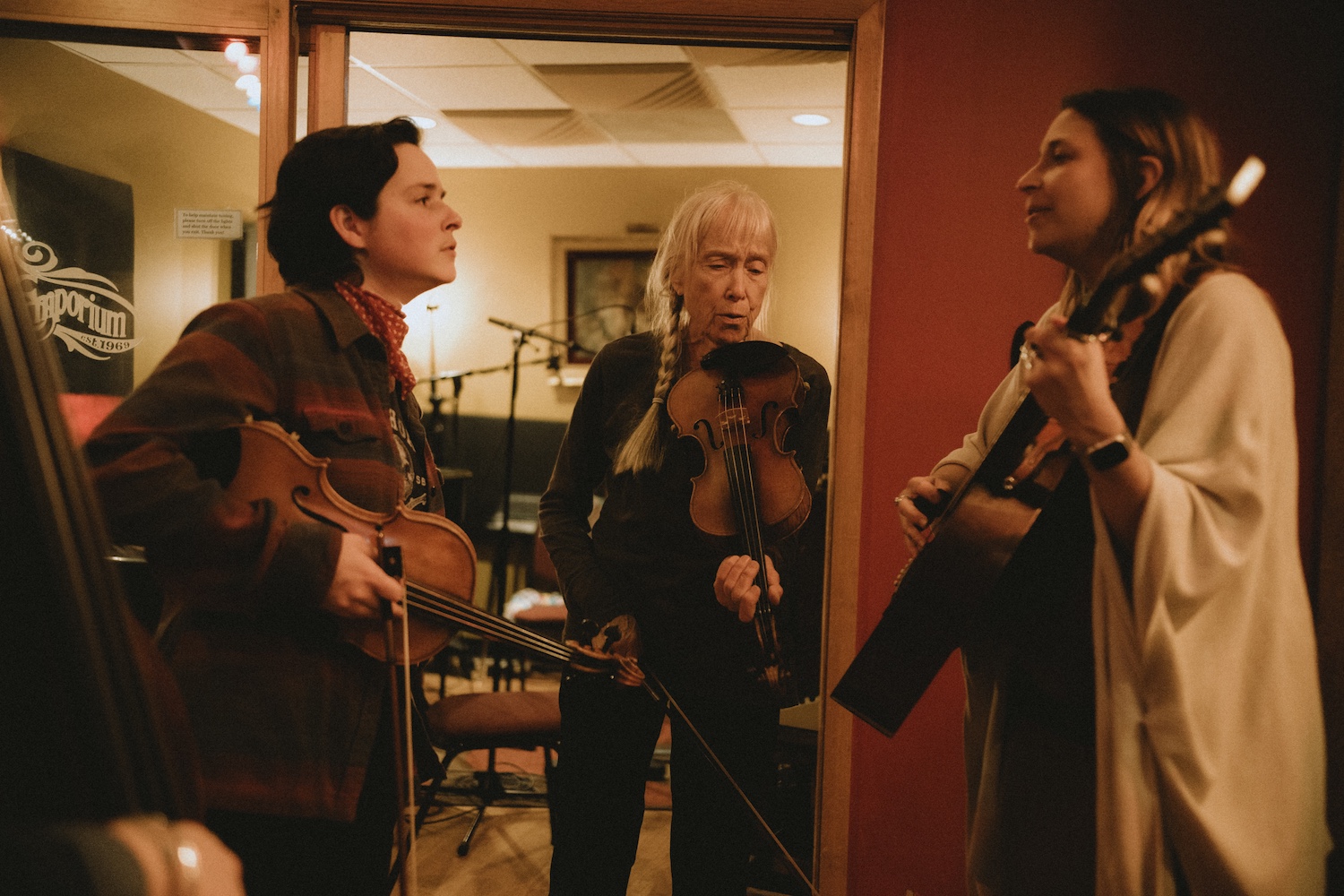
It’s a natural setting for someone who has spent much of her career in those kinds of rooms. Lou grew up in Michigan and spent years touring with the Flatbellys and the Sweet Water Warblers before making Nashville home. Along the way, she built a reputation as much for bringing people together as for her own music, often sitting in with other bands or joining an all-star set at a festival.
She’s spent the past 15 years on the road, playing thousands of shows and building a career that has taken her from the picking circles where she first fell in love with the music to the Grand Ole Opry.
She’s a new mom now, too, and every so often, her baby’s soft cooing drifts into the conversation.
But the project gave her a different way to think about the music she had built her career around.
The more she learned about the songs, the more she began to see herself in their history.
“Every time I find out there was a great woman who wrote it, it just felt like such a delight and such a little quiet piece of encouragement,” she says. “Like, hey, there’s a place for you here. And there always has been.”
That feeling shaped the record without turning it into a history lesson. These are songs that have stayed alive because musicians kept singing them, playing them and passing them along.
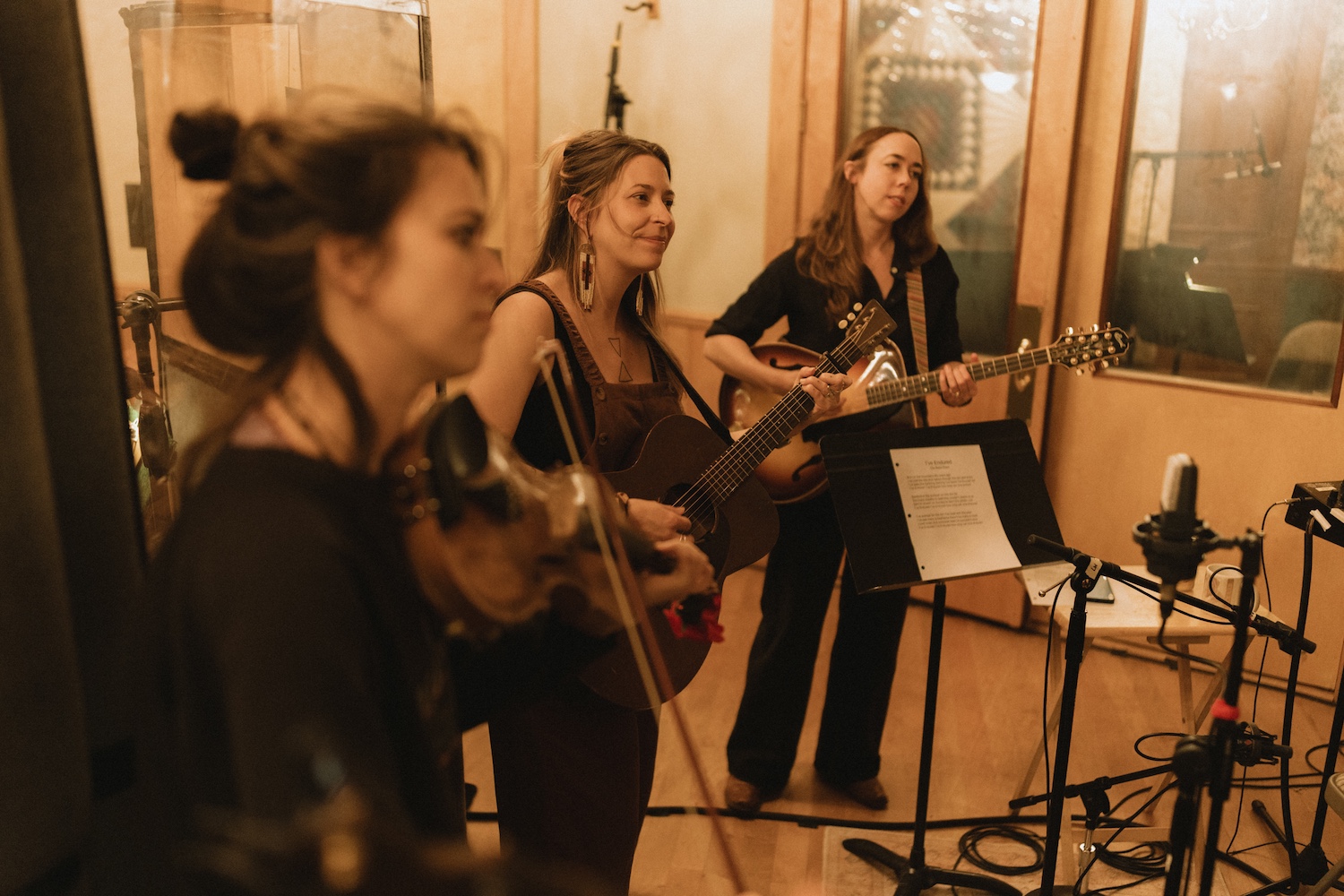
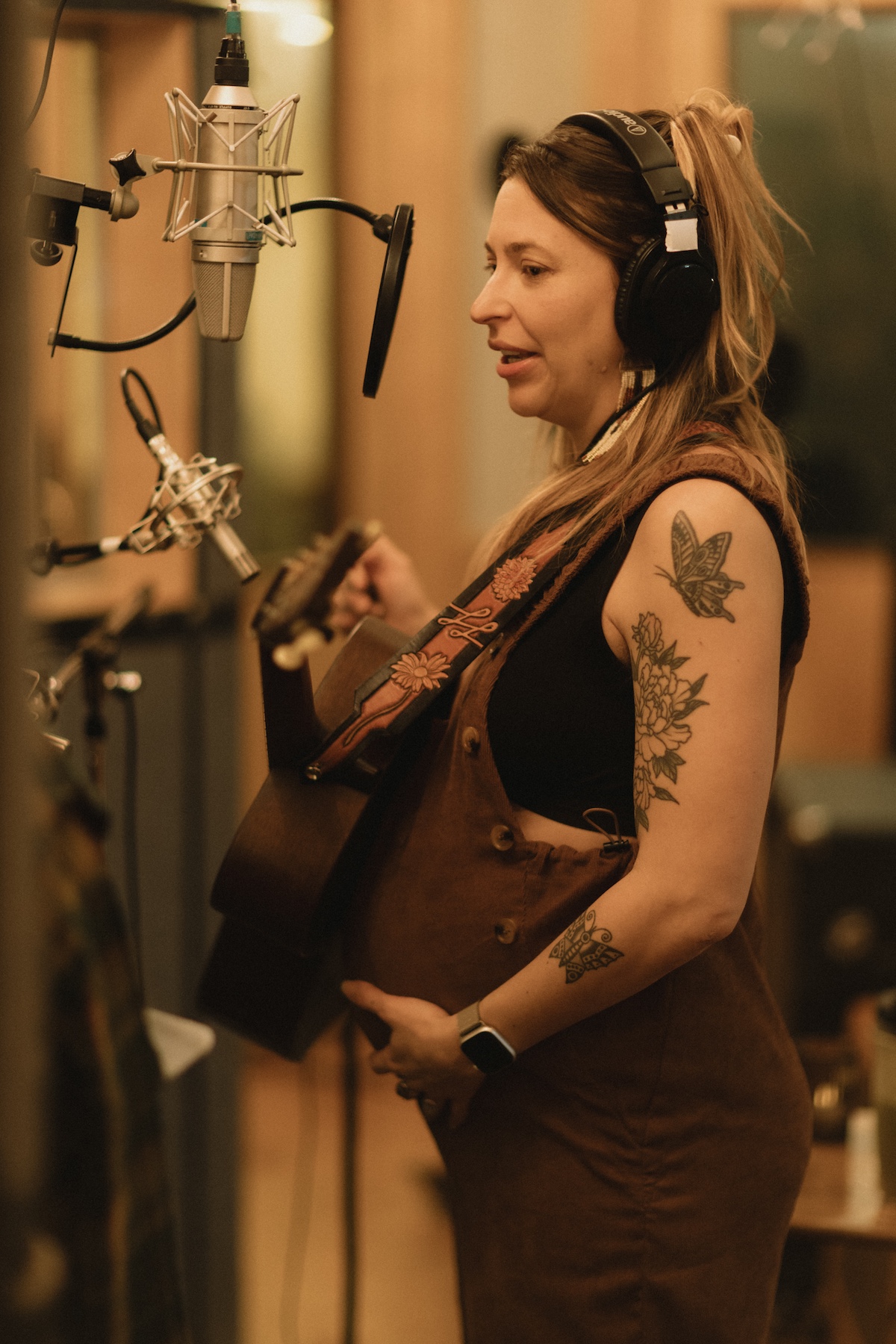
The album came together on a tight timeline: Lou was six months pregnant and wanted to get the project finished before having a baby. Her producer was pregnant, too.
She had spoken with labels about funding but eventually found a private loan and went ahead.
Lou and producer Shani Gandhi co-produced the album, working quickly to get the sessions finished.
The compressed timeline never changed how strongly Lou believed in the project. “I felt that way always,” Lou says. “From the minute I found out about those two songs, I thought this is something remarkable.”
There’s something moving about hearing these familiar songs in this context. “Freight Train,” “High on a Mountain,” “I’ve Endured,” “Won’t You Come and Sing for Me” and “Your Lone Journey” have traveled a long way through bluegrass, folk and old-time music. These versions bring the women who wrote them back into the story.
From the first glorious strings of “All I Ever Loved Was You” to the deep ache of “Your Lone Journey,” Bluegrass Women has the feeling of something bigger than a collection of songs. These are old songs carrying the voices, lives and histories of the women who wrote them, brought together by musicians who clearly love this music. The harmonies are rich, the picking is extraordinary, and there are moments when it feels like you’re sitting right in the circle with them.
And Lou hopes that feeling carries beyond the record.
“I just wanted to know that, you know, you can’t scrub women from history,” she says. “I don’t think that it was intentional to have all these women not be in this spot, but that’s just kind of the way it panned out. So, I really want people to know that women’s voices have been in this music all along.”
— —
:: stream/purchase Bluegrass Women here ::
:: connect with Lindsay Lou here ::
— —
Stream: ‘Bluegrass Women’ – Lindsay Lou
:: Inside Bluegrass Women ::
— —
“All I Ever Loved Was You”
Atwood Magazine: You sang this song for years before realizing Dorothy Skaggs wrote it. What changed for you once you learned the story behind the songwriter?
Lindsay Lou: I had been singing it forever and had no idea. When I found out Dorothy wrote it, it was one of those moments where I thought, Man, there have to be so many more like this. Songs I’ve been singing all along that I didn’t realize were written by women.
The song is so closely associated with Ricky Skaggs and Keith Whitley. How did you honour that history while making it your own?
Lindsay Lou: Those harmonies are about the best that ever were. I love that recording so much. With all of these songs, you just have to show up and be at peace with who you are and what you have to bring to it.
Alison Brown came in and played banjo, and we had Laurie Lewis and musicians from different generations playing together. It was really cool to have all these people who are giants of their craft in the same studio.
“Like a River”
What is it about “Like a River” that still feels so timeless to you?
Lindsay Lou: It felt like a song that was made for picking circles. I had played it and loved it for a long time, and I thought, Man, this is going to be a song that gets played at all the picking festivals.
I hope this helps get it there, because it deserves to be. Gena Britt plays the intro, Hasee Ciaccio is on bass and AJ Lee plays mandolin, so there’s a really nice West Coast representation in there.
“High on a Mountain”
This song is almost sacred in bluegrass circles. Were you intimidated by taking on a song so many people already love?
Lindsay Lou: I just wanted to honour Ola Belle Reed. She contributed songs that are still played by everyone’s brother and cousin in the jam circle. Del McCoury recorded it, Tim O’Brien recorded it, so it’s got a huge life already.
I love the intro with Sierra Hull and Brittany Haas. Sierra takes it from there, and you just can’t go wrong.
“I Only Exist”
What was it about “I Only Exist” that made you feel it belonged on this record?
Lindsay Lou: I learned it through the Stanley Brothers, and I think Billy was probably the first person I sang it with. There’s a YouTube video of us singing it together at ROMP Festival in Kentucky.
It just doesn’t get any sadder than that. “I’m not living, I only exist.” Come on.
I wanted the arrangement to have that really straight-ahead, almost Jimmy Martin feel to it. That’s such a bluegrass thing – the saddest thing you could possibly say, but the music just drives forward.
“I’ve Endured”
What does the word endured mean to you today?
Lindsay Lou: Tim O’Brien already has such a great version that it was obviously in all of our minds. We really wanted to honour the music, the tradition and the life this song has already had, while also making it our own.
We had Sarah Jarosz and some of my favourite voices in the studio. It felt like a really nice opportunity to share the lead because it’s such a vivid story. Everybody knows the words, even though there isn’t really a traditional chorus.
“Jubilee”
Every album needs moments of light. What did “Jubilee” bring to this record?
Lindsay Lou: I sang it with Tyler Childers at Bonnaroo, and I’ve also sung it with my friend Rachael Davis, who grew up singing it. That’s when I started to understand the deep heritage of the song and how it had lived in folk and old-time music.
Tyler did a really cool version with Teresa Prince, a folk musician from Kentucky. This is one of two tracks on the record that are more traditional songs.
“Won’t You Come and Sing for Me”
This song feels like a conversation across generations. What does it mean to you?
Lindsay Lou: My mom sent me the Hazel Dickens and Alice Gerrard Smithsonian CD when I was in college, and I just about wore it out. This song in particular really stuck with me.
For a lot of us, this is our church – the music, the community, the songs and the shared spirit we get from playing together. The words are so simple: we should hold hands and sing our songs. Especially now, I think that’s an important message.
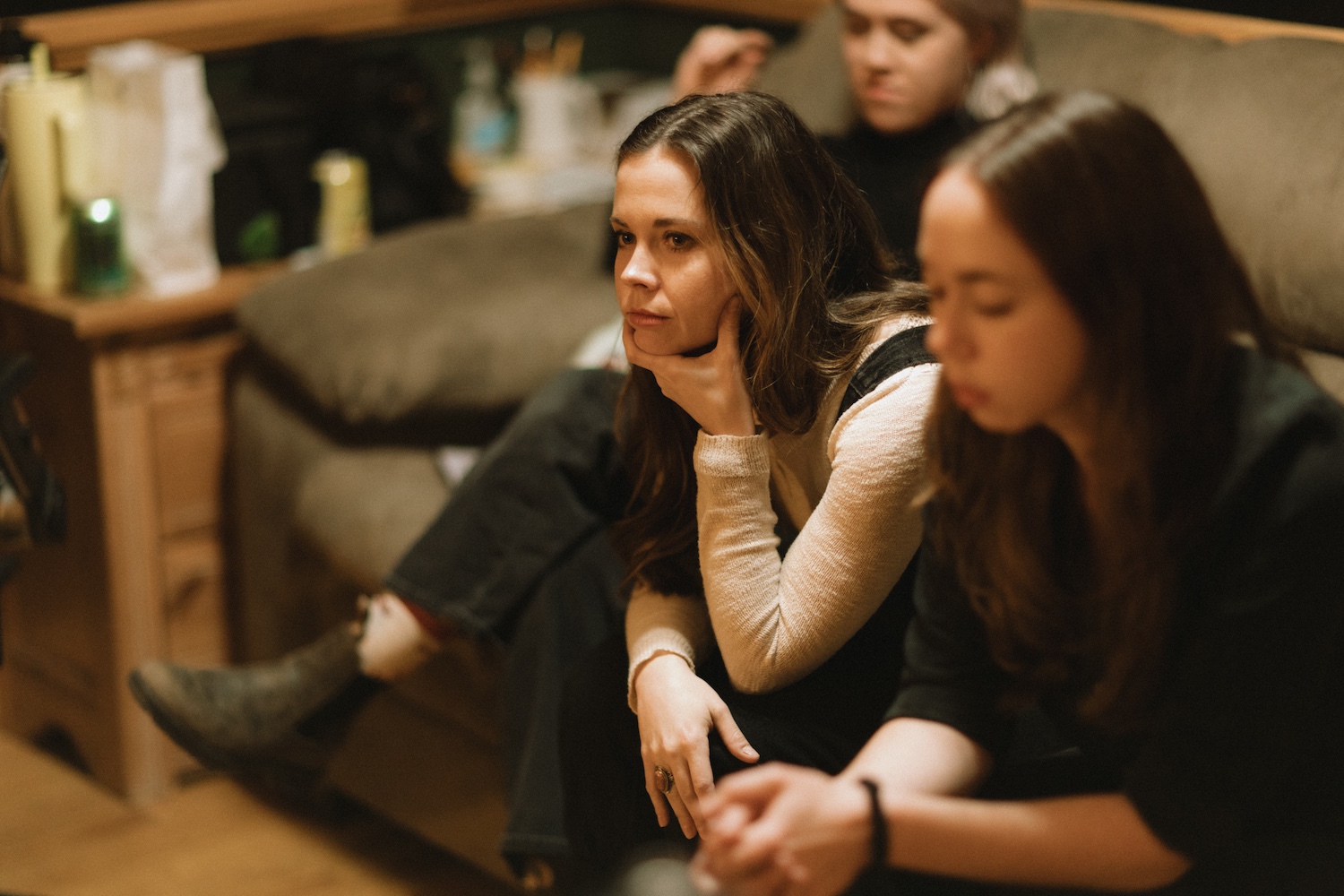
I was really pleased to have Stevie Hunt, one of my dearest friends, on it. She brought her five-month-old baby, and Tatiana Hargreaves played with us. Stevie talked about remembering Tatiana as a little girl at fiddle camp, so that was really special.
I wanted it to feel natural. People gathered around a microphone, playing the song, and what you hear is what you get.
“CC Rider”
What made you decide “CC Rider” belonged on Bluegrass Women?
Lindsay Lou: A friend reminded me that Ma Rainey had recorded it. It’s one of those songs where you realize there’s a whole history behind something that feels familiar.
It just felt right for the record.
“Freight Train”
What drew you to Elizabeth Cotten’s songwriting?
Lindsay Lou: “Freight Train” is something almost any guitar player encounters when they’re learning. It’s such a standard.
But Elizabeth Cotten is remarkable, and I wanted to honour where the song came from. In all of these songs, I was trying to go back to the source and really respect those original recordings.
Molly Tuttle and Courtney Hartman were both really excited about the idea. We’ve been friends for a long time, so it was an easy sell.
“Your Lone Journey”
Why was “Your Lone Journey” the right way to end Bluegrass Women?
Lindsay Lou: I hadn’t really thought about it that way before, but now, in the context of the whole conversation, I can see it. It’s such a vulnerable song. It was written by Rosa Lee Watson, and it’s about a really devastating loss. Knowing that Doc Watson had lost his son, and that she wrote these words about that experience, is hard for me to even say as a mother.
It’s heartbreaking to sing, but somehow, it’s also one of the most beautiful songs.
Aoife O’Donovan is on the record with me. I really wanted her voice on it, and she was one of the few people I made an exception for because I couldn’t get her into the studio. It’s really special to me that she sings it with me.
— —
:: stream/purchase Bluegrass Women here ::
:: connect with Lindsay Lou here ::
— —
— — — —
Connect to Lindsay Lou on
Facebook, 𝕏, Threads, Instagram
Discover new music on Atwood Magazine
© Sawyer Gieseke
 © Sawyer Gieseke
Bluegrass Women
an album by Lindsay Lou