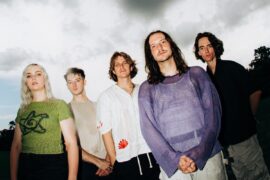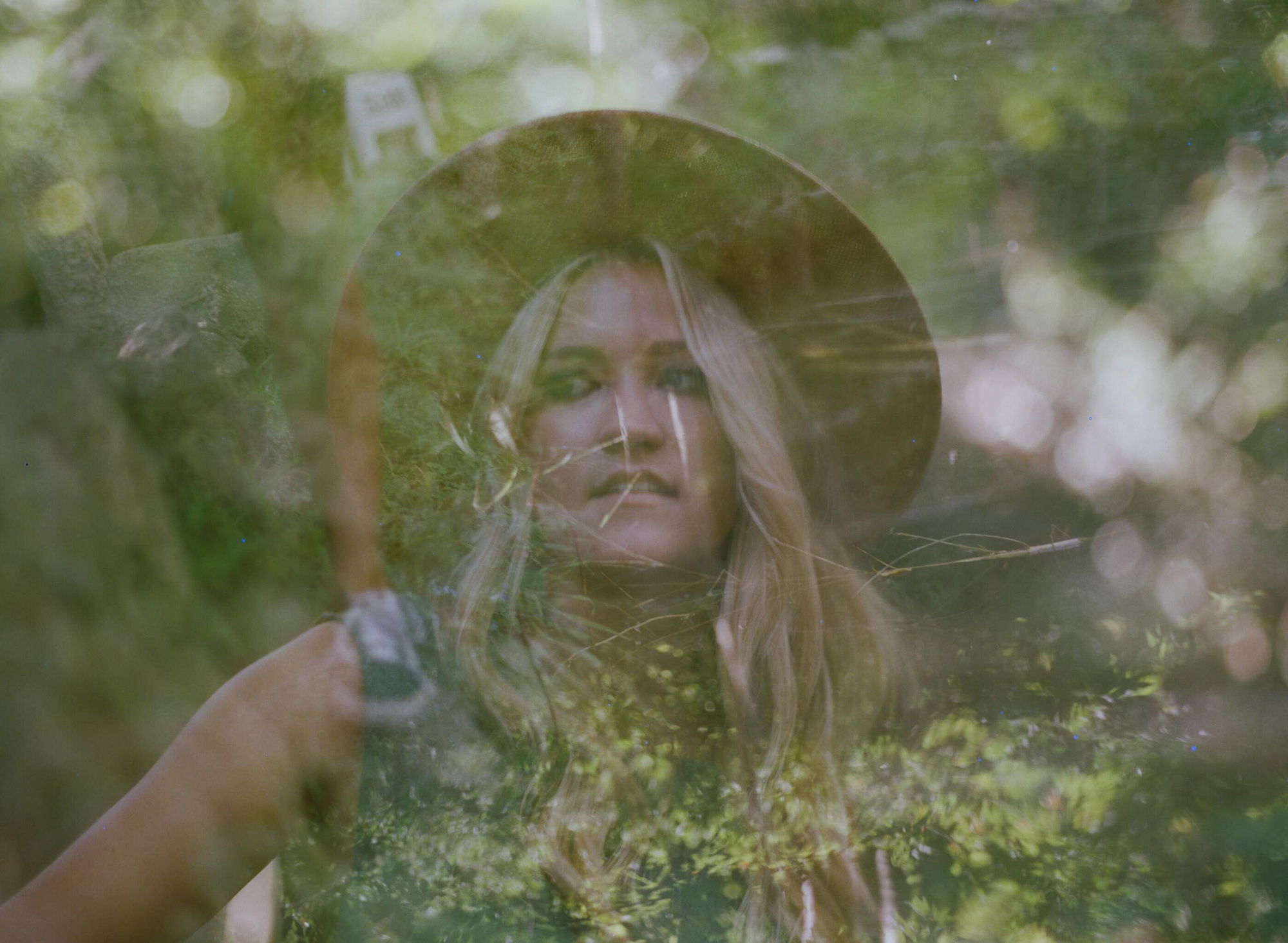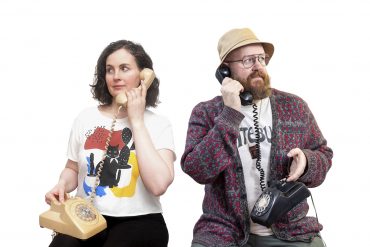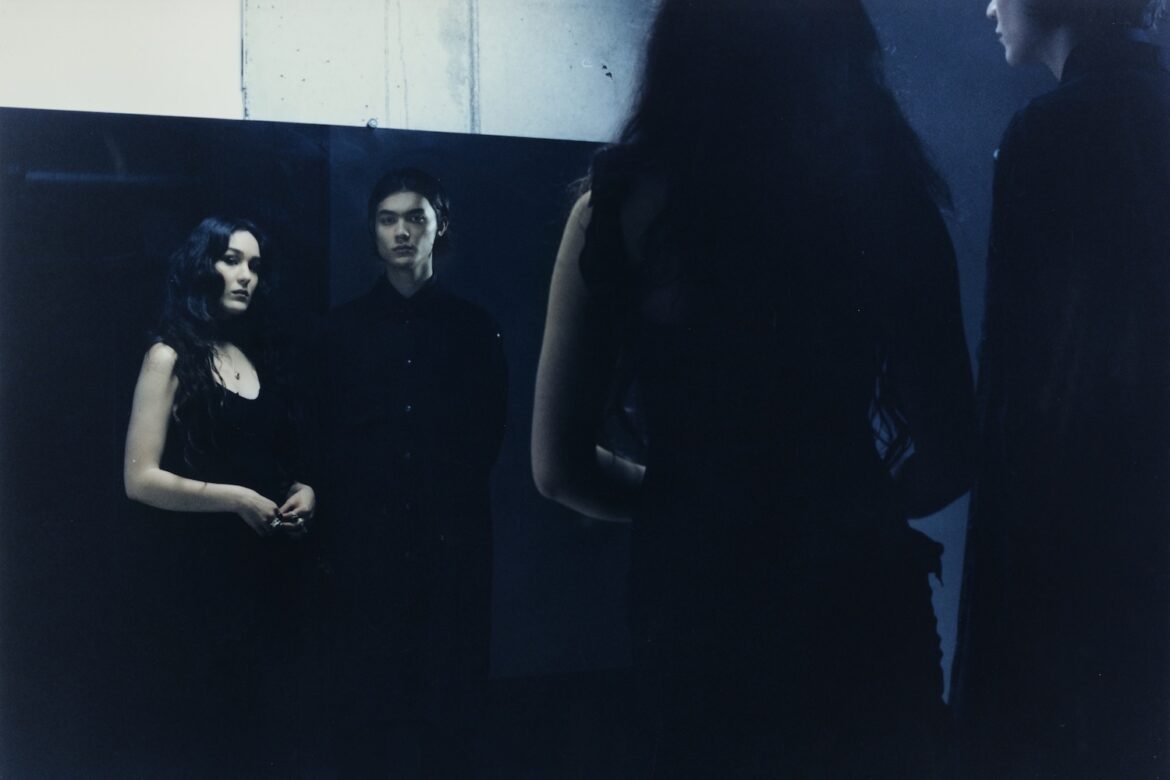
London sibling duo Wasia Project open up about the loneliness and existential questions behind their late-night debut album ‘Nocturne,’ tracing how their instinctive creative bond shaped a darker, more collaborative record for an age of constant connection and growing distance.
Stream: ‘Nocturne’ – Wasia Project
Obviously, I’m not healed, but the final three songs are like being shot three f***ing times. I don’t know how we did that order, but it’s just abominable.
* * *
How beautiful it is that we have spaces to talk through our thoughts and connect with others who feel the same.
In a world of endless scrolling, we so rarely take a second to truly understand each other. In the words of Olivia Hardy, “Everybody’s just looking hot to that Steve Lacy song on their story… but when was the last time I talked to someone about death?”
Existential dread, heartbreak, and not feeling good enough run throughout Nocturne, the debut studio album from London-based sibling duo Wasia Project, released September 18 via AWAL Recordings.
“This time, when we were making this album, was very isolating,” the duo tell Atwood Magazine. “Both of us went from school into this professional sector, which is such a dream come true, but also full of these complexities of chasing a career and feeling different from people you once felt very close to… It does speak for a wider generation in a digital age, where we’re all connected but not very close.”
But the word “siblings” doesn’t begin to describe Will Gao and Olivia Hardy. They are a unit: attached at the hip and connected by more than blood. I’ve rarely seen two people respect each other more; as a twin, it warmed my heart to hear a brother speak about his sister with such tenderness. The pair wear their hearts on their sleeves and listen to each other in the process.
Two years apart, they are in sync in the way they think, yet opposite in how they turn those thoughts into songs, and that contrast creates the balance at the heart of their debut.
Stuck on a bus and find myself crying
Nowhere to go, and it’s cold, and I find it
Hard to call you when nothing’s going right
I get to a stop with a shop, and I’m sighing
Neon and bright, with a light, so inviting
Nowhere near my hometown anymore
And it feels like everything and nothing
Yes, it feels like everything and nothing now
– “Bleeding Gold,” Wasia Project
For Wasia Project, the roots of that connection run back to home.
Their mixed British and Chinese heritage will always be at the core of their music. “Our parents come from such different cultures, which is so crazy – you can find love and connection in that,” Hardy says. “Our mum left China when she was 23/24 and always knew she wanted to leave… That kind of bravery matched with our dad’s open-mindedness.” Growing up in an open household, free to follow their curiosity wherever it led, has shaped their ability to dig past surface-level conversation.
Formed in 2019, the duo broke through with “ur so pretty,” which soundtracked the season two finale of Netflix’s Heartstopper, where Gao plays Tao Xu. Their 2024 EP Isotope mixed older songs with ones closer to who they were at the time, taking a few steps down into a darker sound. Nocturne goes all the way, moving beyond bedroom pop into something bigger. It speaks to who they are now and how they’re still growing, musically and emotionally.
For Gao and Hardy, Nocturne is an album about missing the people you love, made by two people who never stopped leaning on each other.
— —
:: stream/purchase Nocturne here ::
:: connect with Wasia Project here ::
— —
Stream: ‘Nocturne’ – Wasia Project
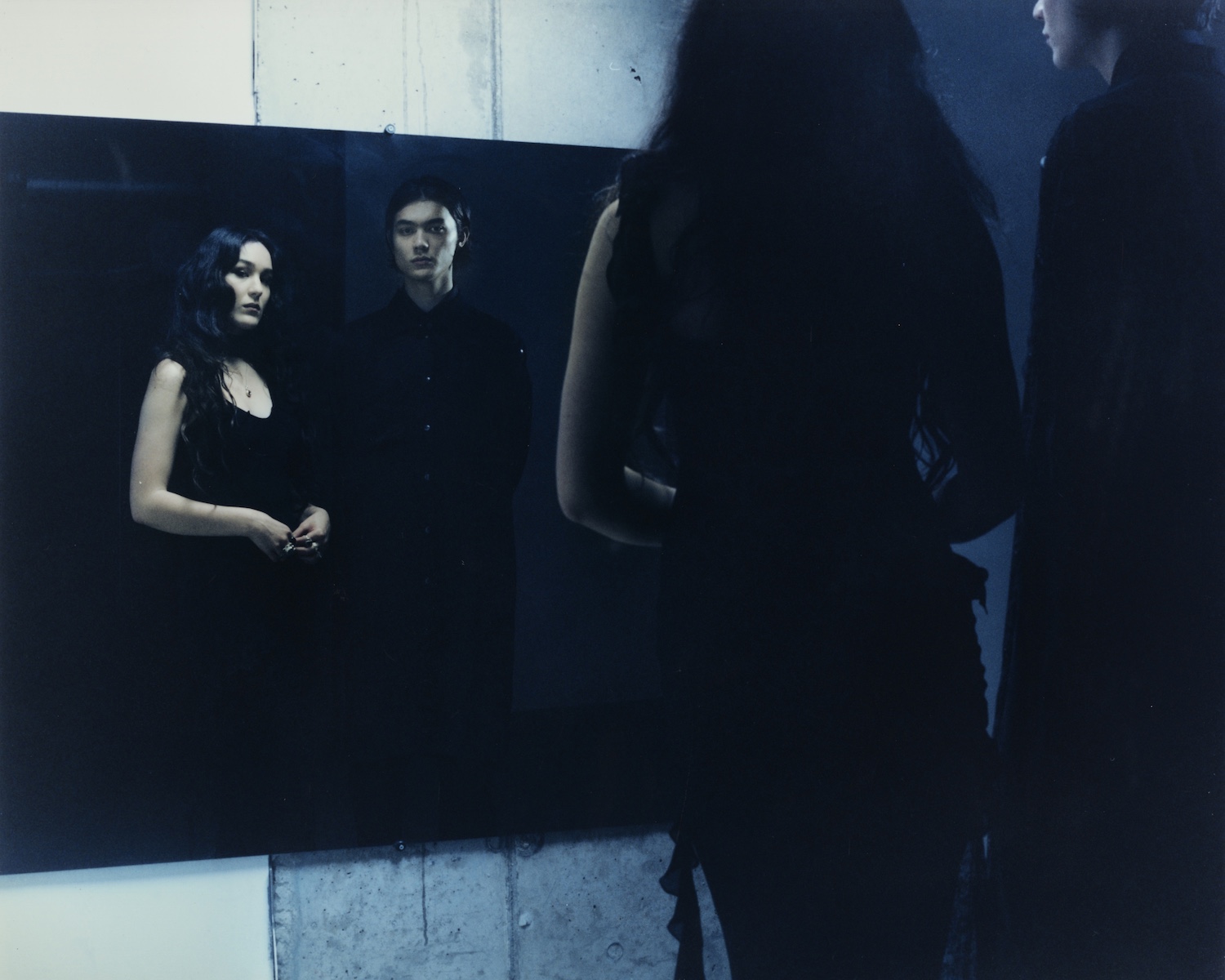
A CONVERSATION WITH WASIA PROJECT

Atwood Magazine: I want to talk about your writing dynamic as siblings. What exactly does your creative process look like, and do you think the way you work together would shift if you weren't related?
Will Gao: We’ve been doing this since we were 16 and 14. Our songwriting process ranges; for this new record it was completely different. It’s not always easy, but what is true for both of us is we have a trust in taste and a faith in the work that we each bring in. We have faith in each other – that’s the most important thing that binds us. I get really nervous about the idea of collaborating with other songwriters purely out of trust in the quality – I completely trust my sister.
Olivia Hardy: I agree with that. Our process changed a lot for this album specifically, but essentially we come to each other with ideas, whether that’s most of the song or just the verse. Beforehand, we’d collaborate in the studio mainly, where we’d both write things and bring our ideas together, but with this album, it was a lot more of a collaging of ideas, and improvising in tandem with the production. Maybe it is because we’re family, but we’ve collaborated this long and we’ve shared this much; there is this inherent space that is created when it is a vulnerable song. You don’t have to worry about anything.
Would you say you two have similar writing styles?
Will Gao: We’re very different as people and the way we write songs.
Olivia Hardy: I think it’s like a Venn Diagram, especially for this process.
Will Gao: It’s difficult to put my finger on it. I write a lot on my own, almost like keeping a diary. I can’t speak for Olivia, but I think for you, you lock in and you’re like “I’m gonna just bang out these songs,” and you’ll have a feeling you want to convey, and then the music goes around it. For me, I’ll bring in every day something that’s from a diary entry and we go off that.
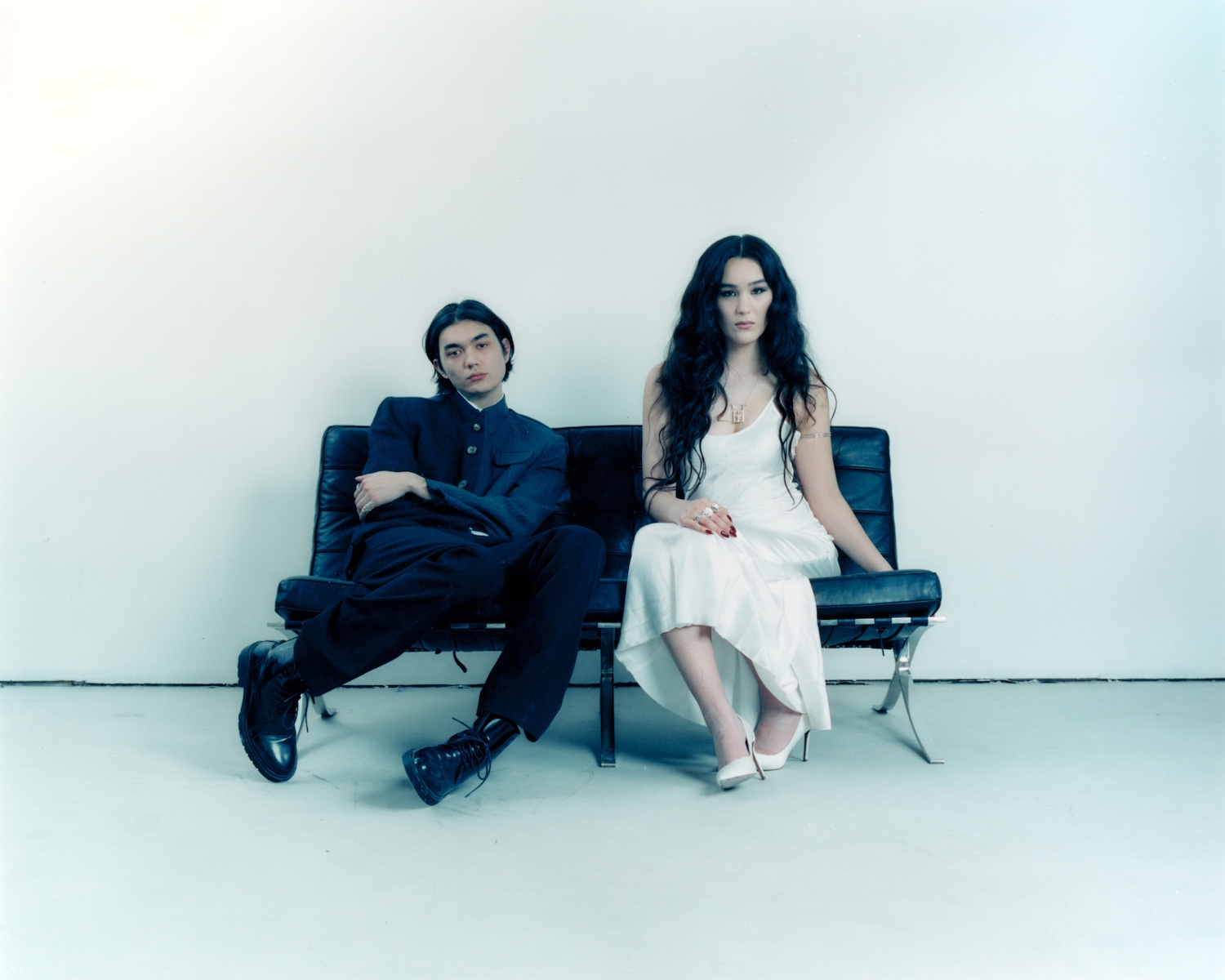
What would you say is the biggest shift from when you first started writing together to now writing Nocturne?
Will Gao: The biggest shift is maybe more collaboration. This record is definitely more of a collage of both our ideas as opposed to full songs. Before, with some of the songs I’d bring in, Olivia would come in and write the bridge, and with songs that Olivia brought in, I’d be more in a production perspective. This was really from the ground up, really collaborative, and I think that’s what makes it more fun and more interesting.
Also the fact that it’s our first album – Olivia had this thing of “this is an album, it’s a big deal.” The concept of an album was very foreign to me, and the format of an album changed the way we wrote and collaborated a lot. It wasn’t just four or five songs; it needed to be a cohesive body of work. There were so many songs that didn’t make it on the album that we both really enjoyed and could have released, but we didn’t because we wanted it curated. For me, the project sounds really new for us and it’s got more oomph to it.
What caused this shift into some of these deeper topics? What did that require from you creatively and emotionally?
WASIA PROJECT: We wanted to make a body of work that was more representative of who we were at the time. Although Isotope was a couple steps down into that cellar of the darker sound, we really wanted to immerse ourselves in that and go down that rabbit hole to see where we found ourselves. That was always the intention – doing something more dramatic, more dark. This album feels more like us at the ages we are now. In our SoundCloud era, it was us trying to make the most of what we had at the time, which was just a karaoke mic and the instruments at home. Now, we had the privilege of being in a studio with these really nice instruments, getting amazing and talented players, and we were like, “let’s just take this to the max and make this feel vital.”
Will Gao: That was something I was really trying to hit home: vitality in music. We could all go and make something sweet that we could smile at, but on the same record, we can also question and ask ourselves the bigger questions on the human condition.
Olivia Hardy: I completely agree. We’ve always released very vulnerable music, but I love the elements of this album that cross into the existential, as opposed to love, because some of the songs about relationships feel a lot more about the nature of them as opposed to the thing itself. There’s a lot of reflection on the album, and with things like “Nightingale,” a lot of reflection on time. Thinking about time and personifying it as this malevolent thing taking away everything from you – I think it’s really interesting to have lateral ways of thinking about these things.
Would you say you have similar viewpoints on life?
Will Gao: I think we’re both pretty deep. Olivia, you’re just as existential as I am, but you tend to avoid it.
Olivia Hardy: The reason why it’s Nocturne is because I feel these things at night; that is my free time to unpack these things. I’m not trying to be on the freaking tube unpacking this when it’s rush hour; I’m overwhelmed. I need to be in my room; it’s raining outside; it’s 3 am; nobody’s bothering me. I can think about what’s gonna happen when I die… these big things you feel at night.
I think we’re quite different, though. We think about the same things, but maybe we have different viewpoints as people. On the deeper things, we have an ability to empathize on that very deep level when we are in those spaces sharing music. There’s a connection there. We both have this passion for seeing live music; I know that we are affected in this bigger, borderline spiritual way. We can get really wanky about it and talk about it surface level, but that’s when it gets a bit wishwashy… At the crux of it, when we are in these moments, they’re so fundamental.
Why do you think you two understand each other on that level? Was it something taught to you during your childhood?
Olivia Hardy: The older we get, the more I think about our upbringing and how interesting it is.
Will Gao: Our household was very open; we had lots of people around all the time. Growing up, we had a space for us kids to creatively follow whatever we wanted to do. I’d find myself in the forest with my friends, making films, and compared to some of my friends and the way they were brought up, it was a lot more chaotic. The most creatively free time was during that time in my upbringing. Since then, it’s been me trying to protect that feeling. That environment of absolute freedom and following your instincts was very helpful, and the diaspora of characters that we met along the way perhaps informed the tragedy and the joy of a life led by connection with other people.
How would you say your upbringing is integrated into the new album?
Will Gao: I couldn’t point to a specific song or moment; it’s more the effect it has on the way we work and this environment of boundlessness. There’s no ceiling, and where anyone does see a barrier with genre or sounds, we’re always more curious to cross it now. Our ethos is that we can literally do what we want and feel there’s no limit… as we grow older, it’s just about preserving and containing that feeling.
Sometimes I just romanticize if we were a post-punk band. Post-punk is just so contained within a space – sometimes I wish that it was that linear for our sounds. Maybe we would have more friends… more collaboration. It’s just me and Olivia working away in the studio, which is amazing. I think the expansiveness that we feel in our ethos is maybe socially malnourishing, but it’s worth it for the music.
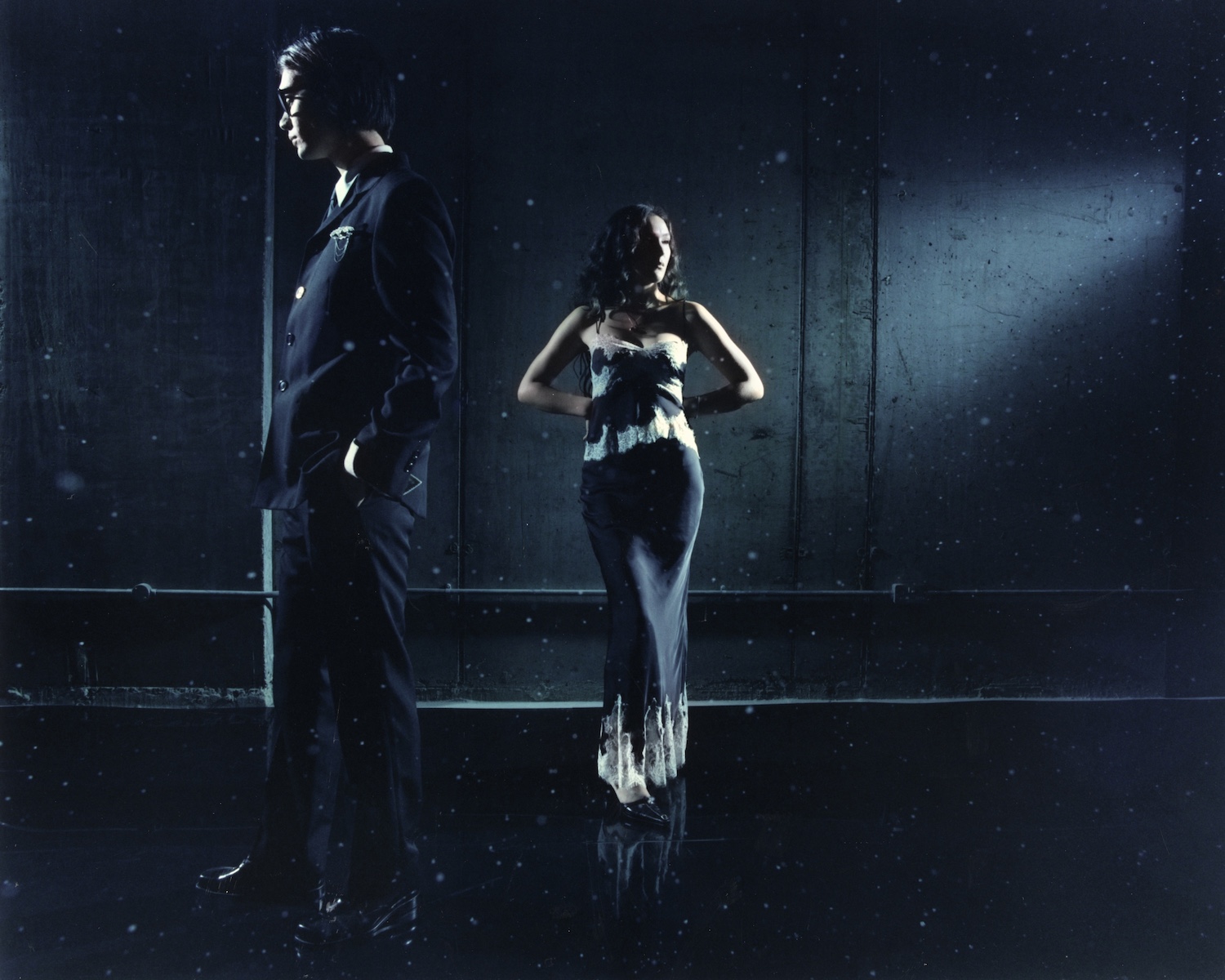
Will, your previous track “ur so pretty” debuted on your Netflix show Heartstopper, while your new track “Whale Call” was featured in the film Heartstopper Forever. How is it hearing your music over someone else's story versus in its original context?
Will Gao: I was actually at the premiere, but I missed it… I went to the loo. When you watch it, it just pairs well with the scene. It becomes a part of the bigger picture. When acting and music collide, it’s a very potent combination.
Olivia Hardy: I think it’s so special. It almost makes it more emotional; it makes it easier for me to let go. Some of the songs are about my personal life, so when I see it in a context that is different, it’s easier to disconnect, but it still means something to you. It’s like cognitive dissonance – you appreciate it more because it allows you to see the song in a different light, and it’s so much looser as a concept. It can also mean so many different things to different people, which is the best thing.
What was “Whale Call” based on?
Will Gao: The song is really sad. It’s about early romantic love and this sad realization within a relationship. I did bring in the chorus, but Olivia wrote most of the song.
Olivia Hardy: It’s feeling neglected in a relationship and feeling like there’s something else. It’s the classic girl best friend thing; I just think intuition as a woman is the one thing that never fails, and I can speak for so many girls out there on that front. It’s just a canon event, and a lot of people resonate with these emotions.
Do you have a favorite track on the album?
Will Gao: My favorite track is “Wildfire.” Out of all the songs, it’s the most different to anything we’ve done before. It’s anthemic, it’s catharsis, and I’m just deeply impressed by it. Olivia was really pushing for it, and I was really proud of the way it came together. I was saying to my friend, I can eat as much “humble pie” as I want, but that song is pop shit.
Olivia Hardy: Obviously, I’m not healed, but the final three songs are like being shot three f***ing times. I don’t know how we did that order, but it’s just abominable. Hearing “Stay,” I’m sobbing already; “Nightingale” is just salt on the wound, and then “Wildfire” is just like “what the ****.” That being said, “Nightingale” is my favorite. I’ve had such a love hate with it, but when it hits, it really hits. It sounds like I’m literally on my deathbed and it’s the last seven seconds, and I see my life flashing before my eyes. It feels like one of those cinematic montages, all these memories of connecting with people you love. It’s just devastating but amazing; I wouldn’t want it any other way.
— —
:: stream/purchase Nocturne here ::
:: connect with Wasia Project here ::
— —
— — — —
Connect to Wasia Project on
Facebook, 𝕏, TikTok, Instagram
Discover new music on Atwood Magazine
© Claryn Chong
 © Claryn Chong
:: Stream Wasia Project ::