Every Friday, Atwood Magazine’s staff share what they’ve been listening to that week – a song, an album, an artist – whatever’s been having an impact on them, in the moment.
This week’s weekly roundup features music by ANT ENOCH, People I’ve Met, GIRLBAND!, JILG, mercury, Sleep In., Magdalene, Sid Seth, WYNNE ft. MARO, The Upsides, Deja Vu, The Tallest Man on Earth, Earthquake Lights, mildred, Karim Panzetta, Nova Dream, Stephen Mugford, Asha Wells, New Vision, and The Spongetones!
•• •• •• ••
 follow WEEKLY ROUNDUP on Spotify


•• ••
:: “Dovetail” – ANT ENOCH ::
Mitch Mosk, Beacon, New York

It’s Monday, he’s running late, and his mind has wandered to the house he dreams of calling home. The prettiest house on Portland Road can wait. For ANT ENOCH, the life we dream about can sometimes distract us from the one unfolding right in front of us. Seductively soulful and blissfully unhurried, his latest single, “Dovetail,” finds profound wonder in passing glances and little flickers of connection, carrying that revelation in a gorgeous, glistening alt-pop embrace. It’s an utterly enchanting song, one that seems to wrap its arms around you and hold you close, inviting you to slow down and appreciate the beauty of being alive.
A rounded bass line anchors the music, its gentle pulse providing the foundation for a lush, pillowy arrangement of vintage analogue synths, understated drums, and subtly distorted backing vocals. Enoch and co-producer Chris Hyson have created an astonishingly immersive atmosphere, one that ebbs and flows with a natural grace as delicate melodies drift through the mix. Enoch’s voice is as tender and soothing as ever, his expressive delivery settling into the production with effortless ease. The synthesizers shimmer along the edges while little instrumental flourishes emerge and recede, adding texture and dimension to a song that seems to breathe with a life of its own. There’s an incredible sense of comfort here, as though the music itself were offering shelter from the rush and demands of everyday existence. Every element contributes to that sensation, creating a dreamlike sanctuary where the listener can simply exist, suspended in the warmth of the moment.
And that’s precisely where “Dovetail” wants us to be. The song opens on an ordinary Monday, with Enoch running late, feeling nervous, and imagining the prettiest house on Portland Road. There’s ambition in that image, the familiar desire to reach toward a bigger, better version of life. But as the verse unfolds, Enoch offers a deceptively simple thought: “Make the most of it / That’s enough.” The song’s focus shifts from what we hope to achieve toward what we might discover along the way. An exchanged glance, a stolen cigarette, the outline of a hand – these fleeting encounters carry their own significance, little reminders that fulfillment can arrive in ways we never planned or anticipated.
“It’s all in the dovetail
In the detail
When the wings
of your day ain’t enough”
That refrain is the song’s beating heart, a sweet and stirring affirmation of the small things that make life worthwhile. The dovetail itself is a particularly lovely metaphor: A woodworking joint whose interlocking pieces fit together to create a strong, lasting connection. Enoch draws on that image to suggest that our lives, too, are held together by countless little details, each one contributing to the larger picture in ways we may never fully recognize. There’s even a playful beauty in the relationship between the dovetail and the song’s reference to wings, evoking the possibility of finding support when our own strength isn’t quite enough to carry us through the day. These are the moments Enoch calls “glimmers,” brief sensory experiences that bring us back into the present. His music makes an inviting case for noticing them, for allowing a passing interaction or an unexpected sight to interrupt our routine and remind us of everything worth celebrating.
It’s a philosophy that carries particular resonance when considered alongside Enoch’s artistic evolution. I’ve had the pleasure of following his solo career since its earliest chapters, and everything he’s shared has drawn me further into his world. In 2024, the Australian singer/songwriter introduced himself through songs of heartbreak, grief, and hard-won renewal, initially recorded with piano and vintage drum machines in a makeshift studio behind a mattress factory in Bankstown, Sydney. His debut single “Television” opened the door to that deeply personal musical universe, while his smoldering duet with Moreton, “Tunnel Road,” captured the exhilarating vulnerability of falling in love again. When his debut EP, Big Talk Big Party, arrived that May, Atwood Magazine described it as “a breathtakingly beautiful exhale of love, loss, grief, and growth” – a record that confronted life-altering change with unguarded honesty, finding strength and catharsis in the very act of opening oneself to the world.
Last year’s “9INE to 5IVE” marked another significant step forward, expanding Enoch’s musical palette into bolder indie-electronic territory while wrestling with the demands of modern life, the pressures of productivity, and the importance of choosing where we devote our time and energy. In our accompanying interview, he described his work as “songs that live in the space between the club and the confessional,” a wonderfully evocative expression of his ability to combine movement and introspection, euphoria and vulnerability. “Dovetail” continues that exploration from a different perspective. Where “9INE to 5IVE” confronted the structures that pull us away from ourselves, this new song celebrates the little experiences that bring us back. There’s a lovely sense of progression here, from processing the upheaval of personal loss, to reclaiming one’s freedom, to discovering fulfillment in the everyday. Enoch’s music has always sought connection, and perhaps “Dovetail” represents one of his most gracious expressions of that pursuit yet.
Released October 8 via Embassy of Music, “Dovetail” introduces a new body of work recorded between Berlin and London alongside Hyson, whose credits include Jordan Rakei and Frida Touray. The song also reflects a particularly revealing creative experience, one that began with an unfinished instrumental sketch and grew through the encouragement of friends.
Enoch’s explanation of its origins offers a wonderful glimpse into both his songwriting process and the philosophy behind this new chapter:
“‘Dovetail’ started just as an instrumental tucked away in my voice notes,” he tells Atwood Magazine. “My right hand played the melody with some quiet confidence which rarely comes with my new ideas, hehe. Sharing with my nearest and dearest, this basic voice memo kept creeping to the top of everyone’s list – whilst sitting alongside some fully written songs (goes to show how important it is to have creative buds you can show shonky ideas too)!”
“Written on a basic electric piano at my friend’s house in Notting Hill, the song came simple. It’s about how life’s greatest loves are wound up in the details. Pigeons silhouetted on a London sky. Catching the eye of a friendly stranger. The meeting of a dovetail joint. A little reminder to slow down and notice how the details can be the tether to a fulfilled day. The bridge from a bleak moment to a bright one co-produced with Chris Hyson, we built a bizarre world of sounds made up of vintage synths and distorted backing vocals, all anchored with the drums and bass down straight down the line.”
There’s a marvelous symmetry to the way “Dovetail” came together. An unfinished electric-piano idea, tucked away among more fully realized songs, kept capturing the attention of Enoch’s closest friends. They heard the promise in that humble voice memo, returning to it again and again until it became impossible to ignore. It’s fitting that a song about finding wonder in life’s overlooked details should begin with an easily overlooked musical fragment. The very thing Enoch is encouraging us to do – slow down, pay attention, recognize the value in what’s already there – helped give “Dovetail” its own life. And in that sense, the song’s creation becomes an extension of its message, a celebration of the creative friendships and meaningful exchanges that can transform even the smallest beginnings into meaningful art.
That spirit of appreciation extends to the finished recording, where each bass note, vocal inflection, and synthesizer flourish contributes to an extraordinary sense of closeness. I’ve long admired Enoch’s ability to create deeply affecting musical environments, and “Dovetail” is especially captivating in the way it draws the listener into its embrace. Its restraint gives every detail room to shine, allowing the arrangement’s understated intricacies to carry as much significance as the words themselves. There’s a generosity to that approach, a trust in the audience to meet the music where it lives and discover their own moments of recognition within it. The result is an exquisite reminder of how much feeling can be contained in the most delicate of sounds, and how powerfully a song can resonate when every element has been assembled with such care.
ANT ENOCH has spent the past several years making music out of life’s great ruptures, revelations, and reinventions. Now, with “Dovetail,” he invites us to find equal meaning in the ordinary moments that pass between them. It’s a fitting evolution for an artist whose work has consistently celebrated connection in all its forms, and an especially poignant message for a world that so often demands our attention everywhere except where we are. Sometimes the most significant thing we can do is notice the person beside us, the changing light across the street, or the little details that make an otherwise forgettable day worth remembering. “Dovetail” wraps us in a blanket of sound, then sends us back out into the world with our senses wide open. The prettiest house on Portland Road can wait. There’s so much to love along the way.
:: “We Like Making Noise” – People I’ve Met ::
Mitch Mosk, Beacon, New York
They’re trying to take his style, his pride, and his dreams. Moses Martin has an answer: Make some damn noise. People I’ve Met come roaring out of the gate on “We Like Making Noise,” a feverish, full-throttle indie rock eruption that channels frustration into freedom with exhilarating force. It’s fun, frenetic, and fiercely cathartic, a gloriously charged performance brimming with restless energy and an almost reckless sense of abandon. The New York-based trio sound like they’re having the time of their lives, their latest single bristling with the electricity of three musicians feeding off one another’s instincts and pushing everything to the brink. There’s a wonderful sense of controlled chaos to the whole affair, the music surging and recoiling before bursting wide open in a chorus that practically demands to be shouted at the top of your lungs. And beneath all that joyous uproar lies a deeper declaration of independence, one that makes the song’s exuberance all the more compelling.
“We Like Making Noise” is an all-consuming rush of seductive sound and raw release, its churning guitars and hard-hitting rhythms colliding with an aching ambient backdrop that gives the arrangement an unexpected sense of depth and dimension. Orlando Wiltshire’s shuffling, breakneck drumming drives the action, his beats tumbling forward with a propulsive urgency that seems to keep the entire performance on the edge of combustion. Andrew Suster’s bass adds a muscular undercurrent while Martin’s electric guitar lashes through the mix, its jagged attack heightening the tension. And then there’s Martin’s voice, moving between intimately murmured verses and fiery, full-throated outbursts with unguarded conviction. The way the band leap from those hushed, atmospheric passages into the chorus is absolutely thrilling: Everything erupts at once, the drums crashing and melodies soaring as the three musicians unleash a wall of sound that somehow remains remarkably catchy amid all the commotion. It’s a captivating outpouring, and every second hits with purpose.
For all its playful energy, the lyrics suggest a struggle to hold on to one’s identity and ambition in the face of forces threatening to wear them down. “They’re tryna take my style / They’re tryna take my pride again,” Martin sings, his words capturing the exhaustion of having to defend what makes you who you are. “My comedown machine / Keeps breaking my dreams,” he continues, giving the song’s momentum a more desperate dimension. There’s disillusionment here, and the lingering frustration of feeling trapped in routines and relationships that offer little fulfillment. Later, Martin confronts “this momentary / And loveless routine,” his words circling the desire to escape patterns that keep pulling him back. Against that backdrop, the chorus becomes a release valve, its repeated “We like making noise” transforming a simple, infectious refrain into an act of self-assertion. The band are reclaiming the right to be loud, to take up space, to pursue what matters to them on their own terms. And the sheer physicality of the performance makes that conviction impossible to ignore.
That spirit is rooted in a friendship that stretches back years. Wiltshire and Suster first played together in their Los Angeles middle school’s jazz ensemble before Martin joined them in tenth grade, and the three began developing their musical chemistry in Wiltshire’s garage. They eventually relocated to the East Coast, building a following with songs that balance deeply personal songwriting and adventurous arrangements. Written and produced entirely by People I’ve Met, “We Like Making Noise” grew out of the same collaborative kinship that brought them together in the first place. As Suster shares, “It felt closer to the source, and more pure given that we made it at our own houses.” There’s a palpable immediacy to the finished recording, the band’s collective personality coming through in every sharp rhythmic shift and uninhibited instrumental flourish.
Drummer Orlando Wiltshire traces the song’s evolution from an impulsive idea into the rousing anthem it has become: “‘We Like Making Noise’ came together when Moses spontaneously had an idea of a song with the main lyric being ‘we like making noise’ and he asked me to beatbox a break beat of some sorts,” he tells Atwood Magazine. “That was the very first version about 3 or 4 years ago. Then we cooked it up at my studio and had a solid demo. It was untouched for years until these last few months where we finished recording and producing the song and decided to release it as a single.”
He continues, “It’s quite a unique feeling coming back to an old song from years ago, like opening a dirty time capsule. It was difficult to finish at times as we are different people but we added more maturity and depth to the song. The meaning of the song is honestly kind of represented by its name. It’s a song about making noise, literally, metaphorically, and I’d say culturally too. It’s a bit punk and rough but that’s why we love it; it feels different to our other songs which is why we wanted to release it as a standalone single. I think it’s the perfect song to follow Bunny because it’s a forward and confident way to show our passion for music and it symbolizes that we’re going to do this unapologetically our own way, not what the status quo says we should do.”
That last sentiment is especially resonant coming from a band whose debut EP, Bunny, introduced such a distinctive range of musical personalities earlier this May. Songs like “Loving One” found Martin, Suster, and Wiltshire immersed in the intimate complexities of heartbreak and longing, giving their more restrained instincts room to breathe before building toward overwhelming climaxes. “We Like Making Noise,” released September 25 via Interscope Records as the first taste of their forthcoming EP, brings a more confrontational heat to the forefront. Its rougher edges and explosive dynamics reveal another side of People I’ve Met, one that’s equally rooted in the emotional candor that made their earlier material so affecting. There’s also an appealing maturity to the idea of revisiting a song conceived years ago and discovering how it can speak for the people you’ve become. That old beatboxed sketch has grown into a spirited statement of intent, capturing a group whose ambitions have only strengthened with time.
And what a statement it is. “We Like Making Noise” is a soul-stirring rush of indie rock firepower, a song that makes room for frustration and uncertainty before sending them hurtling through one irresistible chorus after another. The band regularly close their live sets with it, and it’s easy to imagine the entire room coming alive as Wiltshire’s drums kick into overdrive and Martin lets loose, the audience shouting the refrain back until the distinction between performer and listener all but disappears. That’s part of the magic here: The joy of making music with your friends becomes an invitation for everybody else to join in, to get swept up in the frenzy and let go of whatever’s weighing them down. People I’ve Met have taken an instinct as simple as wanting to make a racket and given it urgency, purpose, and personality. Their latest is a thrilling reminder of how liberating rock music can be when musicians surrender to their own impulses and go all in together. People I’ve Met have every reason to be loud. And the rest of us have every reason to listen.
:: “5 AM” – GIRLBAND! ::
Cassandra Fong, United Kingdom

For Nottingham-based three-piece GIRLBAND!, there’s something inherently romantic about 5 AM; it feels restless without becoming chaotic.
On “5 AM” the song, GIRLBAND! build their appeal around that tension, marrying a bassline with an almost irresistible sense of movement to a razor-sharp instrumental performance, an eccentric solo section and a chorus that seems to arrive fully formed. It is an immediate, high-energy piece of guitar music, with something deliciously physical about a bassline that refuses to remain in the background.
The chorus is massive, immediate and stupidly catchy, with the arrangement particularly effective in building and releasing tension. There’s a sense that the band are having fun with the structure, allowing the instrumentation to get a little weird while still keeping the song firmly anchored by its rhythm. The result is an energetic, hook-driven single with a clear sense of its own character.
:: “Remember” – JILG ::
Danielle Holian, Galway, Ireland
On “Remember,” Wiltshire songwriter and multi-instrumentalist Alexander Jilg introduces JILG with a song that understands the difference between sentimentality and genuine emotional weight. Written in response to a close family member’s struggle with illness, the track could easily have succumbed to solemnity, yet JILG chooses a more expansive emotional vocabulary. Bright electronics, chiming guitars and a broad, anthemic melody give the song an almost sunlit quality, creating an intriguing tension between its subject matter and its musical surface. Produced by Matt Glasbey at Salvation Music Studios in Brighton, the track possesses the polished architecture of contemporary alternative radio, but its emotional centre remains notably human. The result is not a song about overcoming uncertainty so much as learning how to inhabit it, a subtle distinction that gives ‘Remember’ considerably more depth than its immediately accessible exterior might suggest.
JILG draws from a lineage of British and American songwriting in which personal experience is enlarged into something communal. The comparison to Sam Fender and Bruce Springsteen is understandable, particularly in the emphasis on direct storytelling and anthemic release, but ‘Remember’ is at its most compelling when it moves beyond those reference points into something more intimate. The jangling guitars provide momentum while the electronic textures lend the arrangement a contemporary sheen, allowing JILG’s melodic writing to occupy the centre of the track without becoming overbearing. Glasbey’s production, informed by work with artists including David Gilmour, Ed Sheeran, Coldplay, alt-J and Maisie Peters, gives the recording a considerable sense of scale, yet the song’s underlying idea remains disarmingly simple: there are circumstances in life that cannot be negotiated with, and sometimes the only meaningful response is to recognise what is still within reach. That restraint is crucial. JILG does not attempt to manufacture catharsis where none exists, instead allowing the song’s uplift to emerge from acceptance.
“Remember” therefore feels like a purposeful introduction rather than merely a debut calling card. JILG arrives with a history already established through his work with FOURA.M, alongside Spotify playlist placements, alternative press coverage and radio exposure on SiriusXM with Simon Le Bon, but this new project reveals a songwriter increasingly interested in distilling those experiences into something personal. The forthcoming debut EP promises to develop that language further, following studio work with Glasbey and John Fortis, whose credits include Michael Kiwanuka, Lewis Capaldi and Lana Del Rey. For now, “Remember” makes its strongest impression through its refusal to confuse emotional seriousness with musical gloom. It takes a difficult subject and finds a radiant musical frame for it, turning uncertainty into something communal and melodic. In doing so, JILG establishes himself as a songwriter with an instinct for the kind of expansive, emotionally literate indie rock that can feel both deeply personal and built for a room full of people singing along.
:: “Roar of the Heliac Goat” – mercury ::
Mitch Mosk, Beacon, New York
A billiard ball is lodged in Maddie Kerr’s throat, and she’s terrified it might never go away. On “Roar of the Heliac Goat,” the Nashville artist behind mercury gives that fear a fierce, physical shape, channeling old wounds and lingering resentment into a seething surge of indie rock. This is anger that has settled so deeply into the body that it begins to threaten a person’s sense of self. Kerr knows the danger of letting it out, and the cost of keeping it in. Her first single of 2026 lives in that agonizing space between wanting to scream and being frightened of what the scream might reveal, capturing the terrible weight of pain that changes us forever.
Billiard ball in my throat
I’m getting scared it’s not gonna go away
Roar of the Heliac goat
Fate of what burns is getting closer every day
Catching a stray from each sound
Singing of wrongs, they beg to hang from a display
Bitterness slips from my mouth
And I’m getting scared it’s not gonna go away
Dark electric guitars churn in thick, droning waves, their distortion blurring against heavy, insistent beats that give the song a relentless forward pull. Kerr’s voice sits hot against the mic, unnervingly close as she threads her way through the commotion. She sounds weightless at moments, a hypnotic, soulful presence amid the grinding instrumental pressure, and the tension between those textures is mesmerizing. The arrangement swells and bears down around her, yet she never disappears inside it; every phrase cuts through with its own urgency. There’s a haunting, almost celestial quality to her delivery, an enchanting sweetness that makes the surrounding turbulence all the more unsettling. The result is a charged, strangely intimate performance that draws us directly into the unease beneath all that volume.
The lyrics give that fear sharp edges. “Bitterness slips from my mouth,” Kerr sings, frightened that the resentment she’s trying to contain might become a permanent part of her. The pocket blade pressed against her back suggests a world in which even the body has become a site of conflict, with every thought and feeling carrying the threat of another injury. The song’s recurring chorus offers an especially striking image of that internal struggle:
“Cut on a barbed wire fence
Got caught trying to
dig my way out of it”
It’s a devastating metaphor for the way anger can keep us trapped inside the very pain we’re desperate to escape. The harder Kerr struggles against the fence, the more it cuts into her, each attempt at freedom threatening to leave another scar. There’s a cruel irony in that image, an acknowledgment of how difficult it can be to release the hurt that has shaped our understanding of ourselves. And beneath the song’s oppressive atmosphere lies an even more complicated truth: Part of her is afraid to let that hurt go.
Released September 30 via Big Loud Rock, “Roar of the Heliac Goat” reunites Kerr with longtime collaborator and producer Alex Farrar, whose work with Wednesday, MJ Lenderman, and Merce Lemon has helped establish him as a distinctive voice in contemporary indie rock. Their creative partnership stretches across several mercury releases, and this latest offering picks up where last year’s “Heaven” left off. An accompanying music video directed by Eliot Lee brings that turmoil into a fever-dream narrative of neurosis and guilt, with a missing goat consuming Kerr’s increasingly troubled thoughts. It’s a fitting visual companion to a song rooted in the frightening persistence of unresolved feelings. As Kerr explains:
“I wrote ‘Roar Of The Heliac Goat’ about feeling really angry and not knowing what to do with the emotion. Being so scared that this overwhelming feeling derived from certain types of pain I’ve felt will be a part of me forever. Being angry makes me feel so far away from myself and it’s an emotion I hate to feel, especially when it’s directed toward other people. It’s about pain that has changed me forever, and that will probably be a defining part of my character forever. It’s about sharp words constantly being on the tip of my tongue and not wanting to let them out, but at the same time wanting to scream them at the top of my lungs. It’s about being trapped in a jail of my own pain and anger, constantly trying to escape but never fully wanting to let go of it.”
Pocket blade pressed to my back
Suddenly nothing can ever go away
Only my love is in tact
And I’m getting scared
that it’s fading every day
Cut on a barbed wire fence
Got caught trying to dig my way out of it
Drug out by my feet with my hands
Tied up, knowing there’s no way out of this
That push and pull runs through every second of “Roar of the Heliac Goat,” giving its overdriven guitars and thunderous rhythm a suffocating intensity. The music seems to strain against its own boundaries, with Kerr’s voice holding steady at the center, simultaneously exposed and defiant. What makes the song so affecting is the way she allows those conflicting impulses to coexist, giving the anger room to breathe while reckoning with the person it’s made her become. There’s incredible power in this collision of crushing sound and close-up confession, the singer’s ethereal presence carrying us through a storm of distortion without ever losing its vulnerability. “Roar of the Heliac Goat” is a gripping, soul-stirring return from an artist whose music continues to confront life’s most difficult truths with extraordinary conviction. The fence is still there, and the wounds haven’t healed. But mercury has given that pain a voice – and what a mighty roar it is.
:: “Cigs Inside” – Sleep In. ::
Mitch Mosk, Beacon, New York
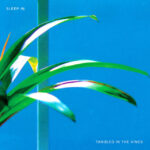
The windows are rolled up, the cigarettes are burning, and Sleep In. are about to blow the doors off. The New Jersey band’s “Cigs Inside” is a feverish, full-throttle blast of pop punk-laced alt-rock that makes getting tangled up in your own bad habits sound like an absolute riot. Charming, upbeat, and bursting with infectious energy, it’s an exhilarating standout from the group’s fourth album, Tangled in the Vines – a record that rips from start to finish, but whose second track has become a personal favorite. And while its narrator wrestles with an exhausting cycle of desire and self-doubt, the music comes charging out of the gates with all the fire, verve, and irresistible enthusiasm of a band having the time of their lives.
This heat
The summer afternoon
I shouldn’t be lazy
But I can’t seem to
get my head on straight
Away I drive to you
It’s raining and my eyes burn
I’m smoking cigarettes
with all of the windows up
I can see my breath
Does it seem like I’m desperate?
Can you feel my hands
‘cause I can’t feel my hands
“Cigs Inside” is a glorious rush of guitars, drums, and rock ‘n’ roll spirit. Eric McNelis and Joe Franks’ electric guitars bustle and blaze, their angular riffs giving the song a restless, irrepressible pulse while Mike Dameo’s thunderous drumming drives everything forward with tremendous force. Neale DiMento’s bass grounds the commotion, and Sean McCall’s piano and organ add another layer of color to the arrangement. Above it all, Tom Fowler’s spirited vocals command the spotlight, his delivery brimming with a captivating urgency that makes every melodic hook hit that much harder. There’s a wonderful collision of pop rock immediacy and alt-emo grit here, with enough personality and punch to bring a smile to your face before you’ve even reached the chorus. It’s a dynamic performance, full of unexpected flourishes and an almost reckless sense of fun. And just when you think the band have given you everything they’ve got, they pull out one hell of a surprise.
The lyrics, meanwhile, tell a far less carefree story. Fowler’s narrator is caught between what he wants and what he knows is good for him, drifting through a sweltering summer afternoon with a cigarette in his hand and a relationship he can’t seem to escape occupying his thoughts. “I’m smoking cigarettes with all of the windows up,” he sings, a brilliantly suffocating image that captures the self-inflicted nature of his predicament. The air is thick, his head is spinning, and the familiar pull of another person keeps drawing him back into the same old patterns. Then comes the line that gives the album its name:
What is this game we play?
We pretend like we’re both okay
Can we twist into knots
and tangle in the vines we’ve hung?
It’s a striking metaphor for the ways we complicate our own lives, creating attachments that become increasingly difficult to navigate or escape. The vines are of their own making, the knots tied by choices they continue to revisit. There’s frustration in that realization, but also an awareness of how deeply desire can override better judgment. Fowler captures the song’s emotional conflict with a wonderfully candid explanation, before revealing the rather less complicated ambition behind its instrumental finale:
“Cigs Inside is about walking that tightrope between desire and need. It’s the sound of a circle leaving just to end up back where it begins. We also just really wanted to hear a saxophone solo.”
And WHAT a saxophone solo it is. Will Schade absolutely steals the show in the song’s final stretch, his feverish, freewheeling playing bursting through the arrangement with a rousing combination of soul, swagger, and unbridled joy. The solo keeps building, growing louder and more impassioned as Schade sends his instrument soaring over the guitars and drums, adding an electrifying new dimension to an already irresistible performance. One can’t help but think of Clarence Clemons, and the way his saxophone brought so much light, depth, and larger-than-life personality to Bruce Springsteen’s music. Schade channels that same spirit here, his playing lifting the entire band into a more dramatic, exuberant musical space. It’s a brilliant finishing touch, the kind of inspired instrumental moment that elevates a great song into an unforgettable one. By the time the saxophone reaches its blazing peak, “Cigs Inside” has become a full-blown celebration of everything that makes rock music so damn exciting. What a spectacular way to go out.
That appetite for adventure runs throughout Tangled in the Vines, released September 25 via New Jersey indie label Choke Artist. Sleep In. have been making music together for over a decade, evolving from the math-rock-inflected urgency of their debut Settling through Tension & Release and The Stars on Your Ceiling, refining their sound while preserving the chemistry that has always been at its core. Their latest record embraces an even broader musical palette, with guest contributions from friends in Bike Routes and Sweet Pill alongside inventive arrangements that give the band’s songwriting plenty of room to roam.
There’s a sense of freedom coursing through the album, and as Sleep In. explain, that spirit grew out of a very different approach to the recording process: “Our other records were all made in a relatively short period of time. Tangled in the Vines was made over the course of several years, without any expectation of how quickly we needed to get it done, and we imposed far less musical rules on ourselves. This process was purely for the love of making music, and we think that shows in the songs.”
You can hear that creative freedom in “Cigs Inside,” where the band’s pop punk instincts collide with a willingness to follow whatever musical idea excites them next. The song’s exuberance is especially compelling against the backdrop of an album that wrestles with personal struggles, self-loathing, and the complicated business of trying to become a better version of yourself. Here, those anxieties are carried by music that seems determined to have a blast, the band’s collective energy offering an exhilarating counterweight to the narrator’s internal turmoil. For guitarist Eric McNelis, the new record captures Sleep In. at a particularly meaningful point in their journey:
“This record is a long time coming and represents Sleep in. at our most authentic, most vulnerable, and most fun. We’ve never had a better time working on a collection of songs. This one was for us, and now it’s for you.”
And perhaps that joy is the most infectious thing about “Cigs Inside.” The song begins with its narrator trapped in a car full of smoke, tangled in familiar frustrations, but by the end he’s dreaming of driving with all the windows down. The circumstances may be complicated, yet the music carries an unmistakable sense of release, culminating in Schade’s saxophone blowing the whole thing wide open. It’s an inspired contrast, and one that captures the spirit of Tangled in the Vines beautifully: Life gets messy, people get stuck, and sometimes we have to find our way through the same old knots before we can finally loosen them. Sleep In. give that struggle a glorious soundtrack, full of roaring guitars, catchy melodies, and a saxophone solo for the ages. The narrator keeps circling back to what he can’t escape. I keep coming back for another listen. And every time, “Cigs Inside” hits just as hard.
It seems I’m always after you
It’s making me crazy
But I can’t seem to get over over you
Dream another dream of you
whenever I close my eyes
It’s always you and I
with all of the windows down
:: “Mattress Actress” – Magdalene ::
Charlie Recksieck, San Diego, CA
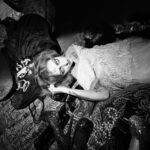
It’s such a great era for big-sounding pop. Yes, there are stars like Lady Gaga and Taylor Swift who aren’t going to disappear anytime soon. But there are also so many great emerging acts who also craft dance pop masterpieces that belong in the same league. Which brings me to Magdalene’s “Mattress Actress.”
The pop drive in this and the low-end layered synthesizers sound like something that could make Britney Spears envious. It’s smart, theatrical bubble gum with enough balls in the guitar to make this not just for teenagers. There are enough vocal hooks and novel chord changes here to make two great pop songs.
“Mattress actress” is shorthand for porn star or even anybody plying their trade on an OnlyFans account. Magdalene’s treatment of the actress here is equal parts seductive and jaded. Great lyrics sitting on top of a killer musical hook:
We don’t have to pretend that we don’t f*** in your bed
You can light me up and burn me like your cigarette
Fill me up with regret, let’s make some love on cassette
Come on, dirty baby, shut your mouth and picture it
Not a bad video, either. It’s like Lana Del Rey got off antidepressants and put on a show with her theater-kid friends and posted it to YouTube. This song is way more fun than it sounds in print, take it from me.
:: “Precious Gift” – Sid Seth ::
Joe Beer, Surrey, UK

Sid Seth delivers a deeply moving reflection on love, loss and grief with his latest single, “Precious Gift.” Written in the aftermath of losing his mother, the song captures those raw emotions with one clear purpose. As Sid puts it, “All I want is for there to be a way this song could reach my mom.”
With its mellow acoustic guitar, subtle harmonies and beautifully restrained production, the track keeps things simple, allowing Sid’s soulful vocals and heartfelt lyrics to stay front and center.
Beyond its personal significance, “Precious Gift” also represents an important step forward for Sid, who found his way back to performing through the process of creating the song. The result is a touching tribute to his mother and a reminder of music’s ability to bring people together through shared experiences.
:: “Lowells” – WYNNE ft. MARO ::
Mitch Mosk, Beacon, New York

WYNNE makes the promise of forever sound like the sweetest kind of surrender. Featuring MARO, “Lowells” is a glistening, brooding alt-R&B enchantment, a love song wrapped in late-night shadows with rays of light spilling through the cracks. Intimate yet wonderfully lush, the New York singer/songwriter and producer’s latest single is a simply gorgeous work of art, its haunting melodies and stirring vocals creating an atmosphere that’s as comforting as it is consuming. The music draws you in slowly, one dulcet piano note at a time, until the world beyond it begins to fade away.
Layers of distant, glowing piano ripple behind moody, resonant chords, creating an incredible sense of depth as the arrangement gently ebbs, flows, and swells. Propulsive drums shuffle in the foreground, lending a steady, hypnotic pulse to an otherwise dreamlike atmosphere. There’s a remarkable interplay between movement and stillness here, the music continually gathering and releasing its energy as the vocals drift through the mix with a hushed, soulful intensity. And then there’s MARO, the critically acclaimed Portuguese indie pop artist, whose voice arrives like a ray of light through the darkness – soft, radiant, and utterly intoxicating, her delicate delivery illuminating every corner of this beautifully brooding soundscape. Together, the two artists create an extraordinary sense of intimacy, their voices and instruments suspended in a mesmerizing world of their own. It’s an exquisite, soul-stirring performance, spellbinding in its restraint and breathtaking in its emotional reach.
Beneath that rich musical atmosphere lies a wonderfully sincere expression of love and devotion. The lyrics speak to the dizzying wonder of discovering someone who changes how you see the world, and the possibility of building a future together. “I see you everywhere I go / You’ve been lighting up all that I know,” the song declares, before opening itself to the dreams that such a connection inspires:
“I see us going the same road
You’ve been making me dream
Of all that we could build together
With you I dream of forever”
There’s an endearing simplicity to those words, a sense of awe at the prospect of sharing your life with another person. And yet, the repeated “Don’t stop waiting / I hope I won’t” introduces a hint of uncertainty, as though the desire to believe in that future is accompanied by an awareness of how fragile even our greatest hopes can be. The contrast is captivating: A song that dreams so openly of forever, carried by music that seems to exist in a suspended, fleeting moment. Its lush arrangement gives those uncomplicated words room to resonate, allowing the listener to linger inside their promise.
For WYNNE, the project of three-time Grammy-nominated songwriter and producer Rory Andrew, “Lowells” also represents a deeply meaningful creative return. Andrew’s extensive career includes writing and producing for artists like ODESZA, Jessie Murph, and Lennon Stella, with his work on ODESZA’s “Line of Sight” earning a Grammy nomination. Released October 2, “Lowells” marks his first new WYNNE music in years, and the beginning of a larger project set to unfold over the coming months. There’s a particularly affecting story behind this new chapter, one that gives the song’s dreamlike atmosphere another dimension.
“This song was born out of a period of frustration with the industry,” Andrew tells Atwood Magazine. “I’d been working on projects that didn’t particularly resonate, so I wanted to take a break from the session circuit and hopefully rediscover the joy and creative freedom in making music for myself again. And that’s exactly what happened with ‘Lowells.’ It was actually the first piece of music a friend and I started messing around with, purely to have fun, and I fell in love with it instantly.”
“Something about the piano drone and the underlying chords hit me in a way I hadn’t felt in a while. From there, my wonderful friend MARO heard it and wanted to jump on remotely, adding her own beautiful and haunting writing. Hearing her vocals really solidified it as a proper song, rather than just this cool (and slightly weird) idea.”
And perhaps that’s part of what makes “Lowells” so profoundly moving: The sense that we’re hearing two artists discover the magic of a song as it comes to life, guided by instinct and the simple pleasure of creating together. MARO’s contribution brings an extraordinary sweetness to Andrew’s immersive production, her voice floating above the piano and percussion like a reassuring presence in the night. There’s a beautiful parallel between the love expressed in the lyrics and the creative rediscovery that gave rise to the music itself – both animated by the wonder of finding a connection that opens new possibilities. “Lowells” is an utterly captivating return, a hauntingly lovely piece of alt-R&B that invites us to surrender to its spell and dream of all that lies ahead. For a song born out of frustration, it carries an astonishing amount of hope. And in WYNNE and MARO’s hands, the future sounds impossibly beautiful.
:: “Very Bad Kids” – The Upsides ::
Mitch Mosk, Beacon, New York
The Upsides are making my favorite kind of noise on “Very Bad Kids“: Roaring guitars, charging drums, and a chorus built to be shouted back. The New York band’s charged single is a feverish, full-body jolt of indie rock, all heat and hustle and glorious forward momentum – the sort of song that makes you smile just to witness five musicians playing with this much fire.
It’s exhilarating, invigorating, and downright infectious, recalling the early-to-mid-2010s rush of Bad Suns and that era’s most spirited rock bands – The 1975, Hippo Campus, COIN – while announcing The Upsides as a force in their own right. And tucked inside all that excitement is a far more precarious question: What happens when the people who’ve promised to go all in together start having second thoughts?
“Very Bad Kids” wastes no time getting the blood pumping. A fierce foundational riff sets the music ablaze, with bustling electric guitars surging over passionate, hard-hitting drums as the arrangement barrels ahead with an irresistible sense of urgency. Matt Fullam’s captivating vocals soar over the fray, carrying both the conviction of the verses and the explosive release of the chorus with a fervor that practically leaps out of the speakers. There’s a thrilling dynamism to the whole performance, the band pushing and pulling against their own momentum as the melodies climb and the instruments roar around them. It’s stunning, sweltering, smile-inducing rock ‘n’ roll, with an electric verve that makes you want to crank the volume and lose yourself in the moment. And beneath all that musical exuberance, the lyrics reveal a very different struggle.
The song opens with an unsettling contrast between public applause and private anguish: “Outside they clap for that brave young man / In private weep for the fool.” From the outset, The Upsides capture the distance between appearing certain and actually knowing what you want. Commitment demands conviction, but conviction can become a burden when the people beside you begin questioning the road ahead. Fullam’s impassioned delivery gives that uncertainty an almost desperate urgency, especially as the chorus reaches out to someone whose confidence has begun to falter:
“But oh man, now you’ve been
looking lost like me, you
Said it’s what you want, you
Said all the right things
I can, if you’re having
second thoughts, set you free
Just say the word, don’t
Say the right thing”
Those final words strike particularly hard. There’s an enormous difference between saying what somebody wants to hear and telling them what they need to know, especially when honesty could jeopardize everything you’ve built together. The Upsides capture that fragile moment when loyalty and doubt collide, when moving forward requires the courage to acknowledge what’s holding you back. The chorus becomes an invitation to speak freely, even when the truth might change the future. As the band explain:
“‘Very Bad Kids’ is a song about commitment, partnership and doubt. Some of the most complex emotions happen around big decisions or commitments – one moment you’re zealously bought into the mission, and the next you’re tearing it all down with questions. This dynamic gets exponentially more interesting in a group setting, and we wanted to explore the vulnerability of admitting you have doubts and relying on those around you for help.”
That perspective carries particular weight coming from a band built on years of friendship and shared musical ambition. The Upsides – brothers Matt and Dan Fullam, alongside Hart Mechlin, Pat Freeman, and Matt DaSilva – have been refining their chemistry since long before their 2024 self-titled debut, and “Very Bad Kids” marks a bold new chapter in their evolution. Released May 27 as the first single from newly launched Dream Wolf Records, the track introduces a heavier, more visceral direction that carries through their forthcoming sophomore album, In the Maze, arriving October 16. Much of the record took shape during a songwriting retreat in Parksville, New York, before the band reconvened to record at The Building, a converted church in Marlboro. It’s a fitting backdrop for a project concerned with life’s difficult crossroads, and the invigorating intensity of “Very Bad Kids” suggests a group embracing the freedom to push themselves further than ever before.
What a rush it is. “Very Bad Kids” is an absolute firecracker, a radiantly charged indie rock anthem that channels all the uncertainty of life’s biggest decisions into a performance overflowing with passion and possibility. There’s real strength in its message, the understanding that believing in someone also means giving them room to question, hesitate, and tell the truth. The Upsides sound ready to take on the world together, but the most compelling part of their song is the invitation to admit when you’re scared of where that road might lead. It’s a thrilling contradiction, one that gives all those blazing guitars and soaring melodies an even greater purpose. When the final notes ring out, you’re left with the exhilarating sense of a band putting everything they’ve got into every second – and a reminder that sometimes the strongest thing we can do is hold our fire, speak our minds, and trust one another enough to listen.
True to their name, The Upsides are a bright spark in today’s indie rock landscape – and with In the Maze arriving this Friday, getting lost has never sounded so good.
:: “Dance Like No One’s Watching” – Deja Vu ::
Danielle Holian, Galway, Ireland
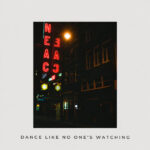
Deja Vu capture the beautifully messy intersection of attraction and self-doubt on “Dance Like No One’s Watching,” turning the familiar anxiety of making the first move into an infectious slice of guitar-driven pop. Rather than presenting a night out as pure escapism, the Wicklow band explore the tension between wanting to make a connection and overthinking the moment until the opportunity slips away. It is a relatable premise that gives the single its character, balancing romantic uncertainty with an uplifting, feel-good energy. Musically, the band embrace a more playful direction, pairing bright melodies with an expansive sound that draws on the anthemic pop-rock of Coldplay and The Coronas. Mixed and mastered by Ivan Jackman at Hellfire Studios, the track delivers a polished, hook-driven sound without losing the everyday vulnerability at its heart.
Following previous releases that explored anxiety and family, “Dance Like No One’s Watching” signals a welcome shift in perspective, with Deja Vu turning their attention towards spontaneity, connection and the freedom of letting go. The change in mood feels natural, demonstrating a willingness to explore different sides of their songwriting while retaining the melodic sensibility that has helped them build an audience. With all four of their singles reaching number one on the iTunes chart, alongside growing support from Irish music tastemakers, the band have already established a promising foundation. This latest release builds on that momentum with a lighter touch, offering a track that feels tailor-made for the live stage. By embracing the excitement of the moment rather than getting caught up in the fear of what might happen next, Deja Vu deliver an engaging and assured release that points towards an exciting next chapter.
:: Just Beyond Endless Mountain – The Tallest Man on Earth ::
Charlie Recksieck, San Diego, CA
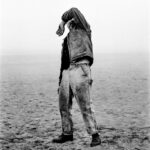
There’s an apocryphal Abraham Lincoln quote, “For those who like that sort of thing, I should think it is just the sort of thing they would like.” This gorgeous new album from The Tallest Man On Earth could be the perfect one for the right person. But only if played at the right time. This acoustic sonic treat isn’t to be played in the car on the way to the bar. But if you’re reading on the couch, maybe in bed late on a Sunday morning, or doing the crossword puzzle with your girlfriend, it could be exactly what you need.
Any record with acoustic guitar at the center of what he does is gonna be likened to Bob Dylan. And that’s been said often of The Tallest Man on Earth, aka Kristian Matsson from Sweden. I would correct that to say there’s a dash of Bon Iver (whom Matsson has opened for) or more accurately this reminds me of the inventive Norwegian singer/songwriter Sondre Lerche.
Just Beyond Endless Mountain sounds so perfectly just left of center in all its choices, you wouldn’t even need to know anything about the artist to know he’s Scandinavian.
Everything is a little off kilter, in the best sense. If your ears are a little jaded with most of the perfected music that comes out, this is the antidote. The thin tone almost sounds like this is coming out of a boombox instead of Bose speakers. The guitars seem a little intentionally out of tune at some points. And the wonderful wobbly rhythms feel like a 45 record without the centerpiece in the turntable messing with the overall speed of things.
From the opening track, “The Wildest of His Dreams,” with its deliberate, committed oddness reminiscent of Andrew Bird or Sufjan Stevens, to the closing “The Village,” everything is simultaneously so unpredictable and so right. There’s an acoustic propulsive vibe to most of it, like Eddie Vedder’s Into The Wild soundtrack.
Apparently, this is Matsson’s homecoming record in that it draws on the folk music of the Dalarna region of Sweden, where he returned to only recently. If this is what music in Dalarna sounds like, show me more.
I wish I had the words to describe the vibe here – as the eminently quotable comedian Martin Mull once said, “Writing about music is like dancing about architecture.” And I realize that’s what my job is here. But I’m just begging you to press play and get inside this album. And I’d wager to say that if you’re reading this review at Atwood, you probably are the right person for the record – and as Lincoln allegedly said, “This is just the sort of thing you would like.”
:: “Mr. Always-What-He-Had-To-Be” – Earthquake Lights ::
Mitch Mosk, Beacon, New York

According to him, he had a Top 40 hit in ’93, got shortchanged on the royalties, and was crucified in the press. Naturally, he thinks he has all the answers.
Earthquake Lights give this self-appointed music-industry sage the spotlight on “Mr. Always-What-He-Had-To-Be,” a sweeping, blues-soaked alt-rock stunner whose grandeur is matched only by the ego of the man at its center. Glistening, dramatic, and dangerously seductive, the New York band’s latest single is an extraordinary piece of musical theater, its intoxicating beauty concealing a decidedly ugly personality. And what a glorious contradiction that makes.
The music is absolutely breathtaking. Cameron Underhill’s spacious, reverb-drenched guitars ripple and swell across a brooding, psychedelic soundscape, their shimmering tones giving the bass and drums room to breathe as the arrangement gathers momentum. Sweeping orchestral strings enrich the atmosphere, lending the music a magnificent sense of scale, while the band’s muscular alt-rock foundation keeps everything grounded in a simmering, restless groove. And then there’s Myles Rodenhouse’s voice – radiant, bluesy, and positively sweltering, his passionate delivery commanding every inch of the song with an almost theatrical intensity. His performance is utterly spellbinding, soaring through the arrangement as the guitars blaze and the strings swell around him. It’s a lush, dynamic, and wonderfully dramatic experience, with an irresistible swagger that bleeds into every note. That commanding presence was baked into the music from the very beginning, as Rodenhouse explains:
“The tune began as a few throw away chords that we trialed as a group and ended up loving the feel of. The confident swagger of the arrangement inspired the mood of the lyrics, which convey the misguided opinions of an arrogant, narcissistic, self-described artist. “Fear and Loathing in Las Vegas” was a spiritual guide as we developed the character and lyrics. Inevitably, there’s a kernel of truth to what this lowlife has to say, but is it the kind of advice you want to take?”
The resulting character is a magnificent piece of work. “Mr. Always-What-He-Had-To-Be” unfolds through the eyes of a once-successful musician who has spent years nursing grievances against an industry he believes betrayed him. He rails against the press, recalls his former chart success, and dismisses younger artists with a bitterness that betrays his wounded pride. Every boast comes with a complaint, every recollection another reason the world has done him wrong:
“You might’ve heard me in the pharmacy
Top 40 back in ’93
I got a quarter of the royalties
Until they sued me”
There’s delicious irony in the way Earthquake Lights bring this man to life. His refrain, “So take it from me / If you wanna make it,” carries the authority of someone who has seen the industry’s ugliest corners firsthand, even as his self-importance threatens to undermine everything he says. And when he warns aspiring musicians that “You’ve gotta get acquainted / With the shameless pigs,” the line lands somewhere between hard-earned wisdom and bitter self-justification. Perhaps he’s telling the truth. Perhaps he’s simply incapable of seeing his own part in the mess. By the time he admits “I’d bathe in the mud / For another one,” the desperation beneath his bluster comes rushing to the surface. This is a man who would gladly wade back into the very industry he condemns for another taste of the glory he once knew. The song’s unusual title captures that self-mythologizing perfectly. Rodenhouse explains how the character took shape:
“Words written in collaboration with my friend Will Cavanaugh. The title came from one of my favorite lines in the tune that captures the essence of the character, and that sparked the initial concept for the lyrics. This is the second single for our upcoming LP.”
Earthquake Lights give their narrator a stage big enough for his ego, and the arrangement gains power from the friction between theatrical ambition and rock-band instinct. Rodenhouse explains how the recording came together:
“We recorded this one almost entirely together, with very little comping and editing. Justin Garcia improvised the guitar solo on the day. Vocal, Rhodes, and strings were overdubbed later. Co produced with Phil Joly, formerly of Electric Lady studios. Strings recorded at Abbey Road studios in London (as were most of the strings on the record – in one day) but the band was recorded at Douglass Recording in Brooklyn, NY. We punched some small bits for the strings with an orchestra in Brooklyn.”
Released September 30, “Mr. Always-What-He-Had-To-Be” is the second taste of Earthquake Lights’ forthcoming fourth album, expected in early 2027. Where its predecessor, “Too Late,” leaned into longing and regret through soulful, neo-classical songwriting, this latest offering reveals a more confrontational, mischievous side of the band’s artistry. And goodness, it’s spectacular. Earthquake Lights have crafted a gorgeous, groundsweeping psych-rock epic that seduces us into the world of a man who may be his own worst enemy, blurring the line between conviction and delusion until we’re left wondering how much of his bravado we ought to believe. There’s a wonderfully wicked thrill in that uncertainty, especially when the music surrounding it is this stirring, this passionate, and this utterly enchanting. Mr. Always-What-He-Had-To-Be may have lost his grip on reality, but Earthquake Lights have theirs firmly on the pulse of a magnificent song. The man wants another hit. The band have given him one.
:: “Bird Laugh” – mildred ::
Mitch Mosk, Beacon, New York
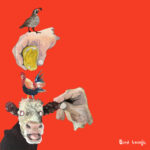
You can’t stop the snow from falling, and you can’t always keep somebody from leaving. Mildred make the strange beauty of surrender sound downright enchanting on “Bird Laugh,” a chugging, wistful alt-country indie rock gem that captures everything we love about the Oakland quartet’s wonderfully freewheeling sound. Sweet and stirring, with an irresistible melody and a whole lot of personality, their latest single is the sort of song you want to put on again the moment it ends. It’s a little bit of resignation, a little bit of longing, and a whole lot of Mildred – and goodness, it’s lovely.
“Bird Laugh” moves with an easy, rolling momentum, its chugging guitars and steady drums giving the music a restless pulse. The guitar work is especially infectious, balancing a country-tinged twang with the scrappy, homespun spirit of indie rock, while Jack Schrott’s candid, striking vocals bring every passing thought and observation to life. There’s an unassuming magic to the way these musicians play together, their instruments moving in and out of focus as the melody gathers strength. The music pushes forward, even as the lyrics linger in the uncertainty of a moment slipping away. And when the band settles into its simple refrain, “Now you’ve got me if you want me,” the whole song seems to open its arms.
Written by Schrott following a West Coast tour, “Bird Laugh” unfolds in fragments of weather, movement, and memory. Snow melts, trees pass by, and a departure looms on the horizon. There’s an almost dreamlike quality to the imagery, the outside world moving along while the narrator struggles to articulate what’s happening within:
“I heard the laughter of a bird
On the eve of your departure
a white noise stirred
In my mouth was the outline of a sound
Edges turn to ashes
just as soon as they form”
Those lines are stunning, capturing the strange paralysis of a goodbye, when the words we want to say crumble before they can leave our mouths. And yet, the song’s recurring invitation carries a remarkable openness. “Now you’ve got me if you want me” is an offering made in the face of uncertainty, an expression of willingness that leaves the outcome in somebody else’s hands. Schrott traces the song’s origins to an experience that gave him a different perspective on the things we can’t change:
“Wrote this song after a tour on the West Coast,” he recalls. “I was thinking about a snowstorm we got stuck in. I think the song is about resigning yourself to something. Some things you can’t fight, like snow falling. And sometimes the things you resign yourself to are the most beautiful things, like snow.”
Mildred have become one of our favorite indie rock discoveries, and their April debut album, Fenceline, remains one of 2026’s most endearing records. A lovingly unruly collection of everyday scenes, strange poetry, and delightfully offbeat storytelling, it introduced a band with a singular ability to make the ordinary extraordinary. The four-piece – Schrott, Henry Easton Koehler, Matthew Palmquist, and Will Fortna – are all songwriters, and their collaborative spirit gives their music its distinctive character, each voice contributing to a sound that seems to breathe and wander wherever the moment takes it. “Bird Laugh” carries that same homespun magic into a new chapter. A live favorite from their recent US tour supporting Naima Bock, the song arrives ahead of its companion track, “Fluorescence,” with the two forming a double single set for November 10.
And perhaps that’s the most affecting thing about “Bird Laugh”: The way its gentle resignation becomes an expression of possibility. Life moves whether we’re ready or not. People come and go, seasons change, and the things we try to hold onto have a way of slipping through our fingers. Mildred meet that uncertainty with a melody that keeps rolling forward and a refrain that offers itself freely, embracing the beauty of being open to whatever happens next. There’s real comfort in that sentiment, and even greater pleasure in the way the band bring it to life. “Bird Laugh” is an utterly charming, soul-stirring little marvel of a song, a reminder that surrender can carry its own kind of freedom. The snow will fall where it falls. Sometimes the loveliest thing we can do is stand beneath it and let it come.
:: “Lost Me” – Karim Panzetta ::
Joe Beer, Surrey, UK

Singer, songwriter and producer KARIM PANZETTA delivers a striking blend of contemporary pop and R&B with his latest single, “Lost Me.” Combining atmospheric production, smooth vocals and emotionally charged lyricism, the track explores the moment when someone finally recognizes their worth and walks away from a relationship that has run its course. Drawing on feelings of frustration and disappointment, KARIM reflects on the difference between physical attraction and genuine commitment, emphasizing that chemistry alone isn’t enough.
“Lost Me” oozes with confidence and its polished production provides an added edge to its message, turning a painful experience into a statement of self-respect. Working closely with Grammy-nominated producer Riley Urick, KARIM continues to develop his distinctive sound, with “Lost Me” offering another glimpse into his growing catalogue.
:: The Ideal Start – Nova Dream ::
Danielle Holian, Galway, Ireland

Dublin-based alternative rock trio Nova Dream make a compelling statement with their debut EP, The Ideal Start, a four-track release that showcases the band’s ability to balance grunge-inspired heaviness with expansive melodies and an infectious indie-rock urgency. Drawing on the spirit of ’90s alternative rock while maintaining a sound that feels distinctly their own, the trio deliver a collection that is both sonically powerful and emotionally resonant. From the driving, Foo Fighters-esque energy of “El Matador” to the bluesy undertones of “Playing God,” Nova Dream demonstrates an impressive versatility, shifting between muscular guitar work, atmospheric production and soaring hooks without losing the EP’s cohesive identity.
Beneath its energetic exterior, The Ideal Start offers a thoughtful exploration of anxiety, isolation, disillusionment and the struggle to maintain a sense of self amid external pressures. Each track contributes to a wider narrative, moving from internal unrest towards a state of detachment, with “Open Wide” capturing the uncomfortable realisation that reality rarely matches expectations, before “It Means Nothing” brings the journey to a striking conclusion. There is a refreshing honesty to the band’s approach, embracing uncertainty and emotional complexity rather than reaching for easy answers. The EP’s four-quadrant artwork further reinforces this conceptual journey, while the polished production of Keelan O’Reilly and the mixing and mastering of Alex Loring give the material both weight and clarity, allowing its raw emotion and melodic immediacy to shine.
With The Ideal Start, Nova Dream establish themselves as an exciting emerging force within Ireland’s alternative rock scene, combining the intensity of their live performances with a strong sense of artistic direction. The EP’s ability to pair introspective songwriting with expansive, guitar-driven arrangements makes for a rewarding listen, revealing a band unafraid to confront uncomfortable truths while pushing their sound forward. Released independently via Right Track Records, this is a confident debut that captures a trio finding their footing, embracing creative freedom and carving out an identity on their own terms. For listeners drawn to dynamic alternative rock with both substance and punch, Nova Dream are a band well worth keeping on the radar.
:: “Fuzzy Socks (Na Na Na Song)” – Stephen Mugford ::
Mitch Mosk, Beacon, New York

The meaning of life might just be hiding in a pair of fuzzy socks. Stephen Mugford makes a surprisingly convincing case on “Fuzzy Socks (Na Na Na),” a sun-kissed, smile-inducing sing-along that arrives like a good friend at just the right time. Bursting with warmth and whimsy, the Boston-based singer/songwriter’s latest single is a joyful celebration of life’s little pleasures, offering a welcome reprieve from the worries and what-ifs that so often consume our days. There’s sunlight pouring out of every corner of this song, and beneath all that musical cheer lies a wonderfully simple proposition: What if we spent a little less time worrying about life and a whole lot more time actually living it?
“Fuzzy Socks” is pure musical sunshine, full of dreamy, smiling guitars, buoyant piano and organ, and whimsical drums that give the whole arrangement an irresistible spring in its step. Mugford’s gentle, easygoing vocals glide across the music with a conversational sweetness, while the piano-led melodies carry a touch of Billy Joel’s classic singer/songwriter charm. Everything lilts and sways with an infectious lightness, the instruments playing off one another as though they’re sharing in the fun. And then comes that beautifully uncomplicated “na na na” refrain, an open invitation to throw your worries to the wind and sing along. It’s the sort of song that brightens your afternoon almost effortlessly – a musical companion, a sonic friend, happy to keep you company wherever the day takes you.
But Mugford has a lot more on his mind than fuzzy socks. Across three verses, he travels through an entire lifetime, beginning with a grown traveler seeking life’s meaning from a holy man, who reveals himself to be “just a man beneath a robe.” From there, we meet a young girl worrying about the world from the safety of her bed, surrounded by an army of stuffed bears ready to defend her against the unknown. And finally, Mugford brings us to life’s last chapter, where even the weight of mortality gives way to the everyday wonders that have been there all along: “Watchin flowers break through snow / Funny lovers, corny covers, fuzzy socks.” It’s a sweetly playful way of tackling some pretty enormous questions, and the recurring sing-along chorus becomes its own answer – a celebration of being here, right now, together. Mugford explains the thinking behind the song:
“The irony of anxiety is that worrying about everything that might ruin your life gets in the way of living it. Obsessing about the meaning of life, or the risks of life, or the end of life eclipses the point of life – to live it, to feel it, to taste it out loud. I think living is found less in the monumental stuff and more in the little joys and wonders we so often rush past.”
Released September 25, “Fuzzy Socks (Na Na Na)” offers a delightful taste of Mugford’s forthcoming sophomore album, Letters Never Sent, due in early 2027. Following his 2024 debut Palooza Beach, the singer/songwriter continues to embrace the classic sounds of ’70s and ’80s pop, folk, and jazz, writing and arranging his own material before bringing it to life alongside producer John Escobar and guitarist/arranger Claudio Ragazzi. There’s an endearing sincerity to his music, and this latest single captures it in full, balancing thoughtful, observant songwriting with a breezy, irresistible sense of fun.
“Fuzzy Socks” is a little burst of joy for anyone who could use a reminder to slow down, take stock, and appreciate what’s right in front of them. Life is full of reasons to worry, but it’s also full of reasons to smile. Sometimes all it takes is a song like this to help us remember the difference – and send us skipping into the sunshine, humming “na na na” all the way.
:: “Gift Horse” – Asha Wells ::
Mitch Mosk, Beacon, New York
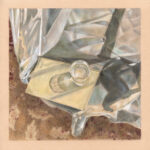
It’s hard to leave the past behind when it sounds this gorgeous. Ravishing, radiant, and profoundly moving, Asha Wells’ “Gift Horse” gazes back at a former love, tracing the questions that surface once the moment has passed and the choices can no longer be remade. Wrapped in glistening piano, lush brass, and gently jazzy rhythms, the Oakland artist’s stunning single is an intoxicating work of art folk and chamber pop – dreamy, intimate, and utterly all-consuming. Its beauty draws us in; its lingering uncertainty keeps us there.
Wells’ piano moves with a dulcet grace, each phrase given room to linger, while Zachary Elsasser’s gentle but steady drumming keeps the music in motion. Jason Kick’s bass adds depth to the arrangement, as Wells’ own trumpet and Lizzy Dutton’s violin enrich the song’s sumptuous, enchanting atmosphere. And then there’s Wells’ voice – soft, stirring, and mesmerizing in its restraint, caressing each lyric as though they’re singing to someone sitting right beside them. Everything unfolds with an almost hypnotic fluidity, the instruments gathering around the singer and opening outward in waves of sound. It’s a spellbinding balancing act, intimately rendered yet wonderfully expansive, and through it all, the music seems to wash over you like a half-remembered dream.
Risk it all, for one bite
I missed it all, I missed the whole night
Crying in my car, is this what loves like?
Don’t look a gift horse,
Don’t look a gift horse in the mouth
High on those red pills you brought
From up above the west bridge
If I’d gone where i said id go
Would I be with you still
Beneath that exquisite arrangement lies a much more complicated picture of love. “Risk it all, for one bite / I missed it all, I missed the whole night,” Wells sings, before arriving at the bruising question, “Crying in my car, is this what loves like?” The title’s familiar proverb, a warning against scrutinizing a gift too closely, takes on an uneasy significance here. What happens when we accept love without questioning its terms? When the beauty of what we’ve been given distracts us from the things we ought to have seen? Wells revisits the past with an awareness that only distance can bring, searching through its memories for the moments when everything might have gone differently.
“If I’d gone where I said I’d go
Would I be with you still”
The question is devastating in its simplicity. Two lines are enough to conjure an entire alternate life, one in which a different decision might have kept two people together. Later, Wells wonders what honesty might have changed, singing “If I was honest from the beginning / and called a duck, a duck.” There’s an extraordinary tension between the sweetness of the music and the painful clarity of these reflections. Hindsight has given the narrator a new understanding of what happened, but it also invites them to imagine the possibilities that slipped away. The song lives inside that contradiction, holding the joy of what once existed alongside the regret of what might have been.
As Wells tells Atwood Magazine, “‘Gift Horse’ is a final fleeting glance at a once love. Lyrically alluding to what goes unquestioned in our lives. A returned glance towards a former love. Dallying in a slice of life romanticism. A picture of unapologetic reflection, and the clarity that hindsight can bring.”
Released August 11 via Anxiety Blanket Records, “Gift Horse” introduces Wells’ forthcoming sophomore album, Sleeping Sand, arriving November 13. The follow-up to their 2023 debut Water Words, the new record reaches into the subconscious, trading its predecessor’s stream-of-consciousness approach for a more patient, purposeful examination of memory and experience. A classically trained vocalist and self-taught instrumentalist, Wells produced the album alongside Jason Kick at Santo Recording in Oakland, bringing together a talented ensemble of collaborators to realize their richly textured musical vision. “Gift Horse” offers a breathtaking first glimpse into that world, its intricate arrangement and wandering reflections suggesting an artist increasingly at ease with the space between instinct and intention.
Since you called a single hour
I had to watch you lose a life
Doin’ good is good, better is better
Don’t look a gift horse
don’t look a gift horse in the..
High on those red pills you brought
From up above the west bridge
If I’d gone where I said I’d go
Would I be with you still
If I was honest from the beginning
and called a duck, a duck
for nothing else was i so willing
just to write a name in the dust
And perhaps the song’s most affecting moment arrives in its final image: “just to write a name in the dust.” It’s a striking expression of love’s impermanence, of how willingly we give ourselves to people and moments we can never truly hold on to. A name written in dust is destined to disappear, but the act of writing it still matters. There’s such extraordinary beauty in the way Wells honors that fleeting devotion, allowing their voice and instruments to linger over a memory that time has already carried away. “Gift Horse” is a mesmerizing, deeply stirring experience, a song that invites us to revisit the past with open eyes and an open mind, embracing all the beauty and pain that hindsight reveals. And for a few precious minutes, Wells gives a love that has faded one last chance to bloom.
:: “I Am a Muse” – New Vision ::
Mitch Mosk, Beacon, New York
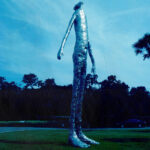
New Vision know their worth, and they’re done letting anybody else set the price. The Hudson Valley rockers come out swinging on “I Am a Muse,” a feverish, electric alt-rock anthem that channels the frustration of being beaten down, taken for granted, and forced to meet somebody else’s expectations into a fierce declaration of self-worth. It’s a song with fire in its belly and a point to prove – and these four musicians are ready to raise hell.
Everything about “I Am a Muse” is charged and churning. Burning drums and propulsive guitars collide in a fiery rush of sound, with abrasive riffs, muscular rhythms, and a restless, dramatic energy driving the song forward. There’s a tremendous sense of movement here, the whole performance crackling with urgency and verve as New Vision throw themselves headfirst into the music. And amid all that instrumental fury, the chorus cuts through with a simple, insistently repeated refrain: “I am a muse, I am of use.”
Those words carry a fascinating tension. Being someone’s muse means inspiring them, giving them a reason to create, but being of use suggests a value determined by what you can provide. New Vision wrestle with that distinction from the opening lines, where the narrator has been knocked down and pressured to become whoever somebody else wants them to be:
“Thrown in the dirt
Kicked in the teeth
Shape me to what
You want me to be”
The response comes with a rush of conviction: “Priceless, golden / I know my worth.” But the past still has its claws in them. “How long are these memories gonna last? / Why can I never outrun the past?” they ask, revealing the hurt beneath all that defiance. There’s a real struggle unfolding inside this song, between the damage someone else has done and the determination to reclaim a sense of identity on your own terms. Every shouted affirmation carries the weight of what came before it.
A four-piece spread across Beacon, Middletown, Newburgh, and Westchester, New Vision are helping keep the Hudson Valley’s rock scene loud and alive. Released September 23, “I Am a Muse” marks their first single with Papercut Recordings, the independent label co-founded by Brand of Sacrifice guitarist Michael Leo Valeri and Fit for a King’s Ryan “Tuck” O’Leary, himself a Hudson Valley native. Recorded, mixed, and mastered by Adam Cichocki at Timber Studios in Bayonne, New Jersey, the track captures a band firing on all cylinders, with a little studio experimentation adding an extra kick to its explosive finale.
Lead guitarist Ryan Skinner shares: “The lead I’m playing reminds me of something Drug Church would write, which is sick for me because they’re one of my favorite bands. I remember this song being fun to record in the studio just because it’s so high-energy. In the breakdown at the end of the song, our producer Adam Cichocki had me try out the Boss Rotary Ensemble pedal for the lead and it turned out sick. I went home after we finished recording and bought the pedal on Reverb.”
That enthusiasm comes roaring through the speakers. By the time “I Am a Muse” reaches its final breakdown, the repeated “Tick tock, tick tock / Brace for impact” sounds like a warning and a promise rolled into one. New Vision have poured their frustration into a song that confronts the past with all the force of a band playing at full blast, and there’s a thrilling sense of release in hearing them seize control of their own narrative. Self-worth can take time to rebuild, especially when someone else has spent so long tearing it down. Sometimes the first step is simply saying the words out loud, and believing them. Priceless, golden. I know my worth.
:: “The Music At The Close” – The Spongetones ::
Mitch Mosk, Beacon, New York

The ship is headed for disaster, and The Spongetones make its final voyage sound positively heavenly. Their exquisitely arranged single, “The Music at the Close,” could have drifted straight out of the late ’60s or early ’70s, a dreamy power pop reverie steeped in wondrous multipart vocal harmonies and gentle psychedelic flourishes. It’s groovy, glistening, and utterly enchanting, the sort of song whose pillowy sweetness draws you into its world before you realize just how troubled that world has become. And there’s a special magic in that contrast, as the band wrap their darkly cautionary tale in some of the most delightful, transporting melodies imaginable.
Minor-key guitar arpeggios establish an undercurrent of unease, with bassist Steve Stoeckel’s lead vocals carrying the story forward before the choruses open into cascades of resplendent harmony. There’s a wonderful sense of time travel here, the band’s intricate arrangements recalling the golden age of British Invasion pop and the imaginative brilliance of The Beach Boys’ Pet Sounds. Voices intertwine and soar, the music gently swelling with rich melodic color as each new phrase adds another layer to the experience. A brief Spanish guitar solo brings an especially charming flourish, while the final organ and tom-tom coda casts a more ominous shadow over the proceedings. It’s all so gracefully assembled, balancing the comfort of those vintage sounds with an underlying tension that makes the whole performance unexpectedly compelling. Even as the narrative grows darker, the music remains irresistibly inviting, its delicate textures and radiant melodies offering an almost surreal sense of reassurance.
And what a story those melodies carry. “The Music at the Close” unfolds as a doomed voyage, its passengers promised a magnificent new world while troubling signs gather all around them. “Ignorance and innocence, the belles of last year’s ball,” Stoeckel sings, setting the stage for a parable about misplaced faith, familiar mistakes, and the dangers of blindly following those who promise us a better tomorrow. The ship becomes a vessel for a society sailing toward its own undoing, with the band playing on as disaster approaches. There’s a pointed contemporary resonance to the imagery, particularly as Stoeckel observes, “All that’s old is new again, and now the world is flat.” Yet amid the wreckage, the song still reaches for the possibility of renewal:
“Save your souls,
it’s much too late for us you surely see
So take some life
from anything you find in the debris”
Stoeckel, who co-wrote the song with Joel Tinnel, explains the inspiration behind this striking change of pace:
“This is a collaboration between Joel Tinnel and me. Joel had the title and the first two verses, and I was drawn in immediately and came up with some spooky music. The subject inspiration is obvious, and metaphors abound for the doomed ship and the new world right ahead. There’s hope in the debris, however, and that’s part of what I take from this.”
That interplay of darkness and hope gives “The Music at the Close” its distinctive character, while the band’s extraordinary musical chemistry makes it an absolute pleasure to experience. The Spongetones have been bringing their love of British Invasion-era pop into the present for over four decades, and founding members Jamie Hoover, Steve Stoeckel, and Pat Walters, alongside drummer Eric Wilhelm, continue to prove just how much life remains in that timeless sound. Released August 21 via Big Stir Records, this is their fourth new single of 2026, following “So Long,” “(I Really Need) To Kiss You,” and “Lifetimeline,” and another inspired chapter in a creative resurgence that followed last year’s The 40th Anniversary Concert… And Beyond. There’s an unmistakable affection for the craft running through every note, from the carefully layered voices to the playful instrumental accents that give the song such personality. And perhaps that’s the loveliest irony of all: The Spongetones have written a song about a world coming apart, yet their music celebrates the extraordinary things that can happen when people come together. “The Music at the Close” is an immersive, soul-soothing delight, a reminder that even when the future looks uncertain, there’s still beauty worth holding on to. The ship may be sinking, but oh, what a marvelous song to sail away to.
— — — —

Connect to us on
Facebook, 𝕏, Instagram
Discover new music on Atwood Magazine
:: Weekly Roundup ::
follow WEEKLY ROUNDUP on Spotify
:: This Week’s Features ::