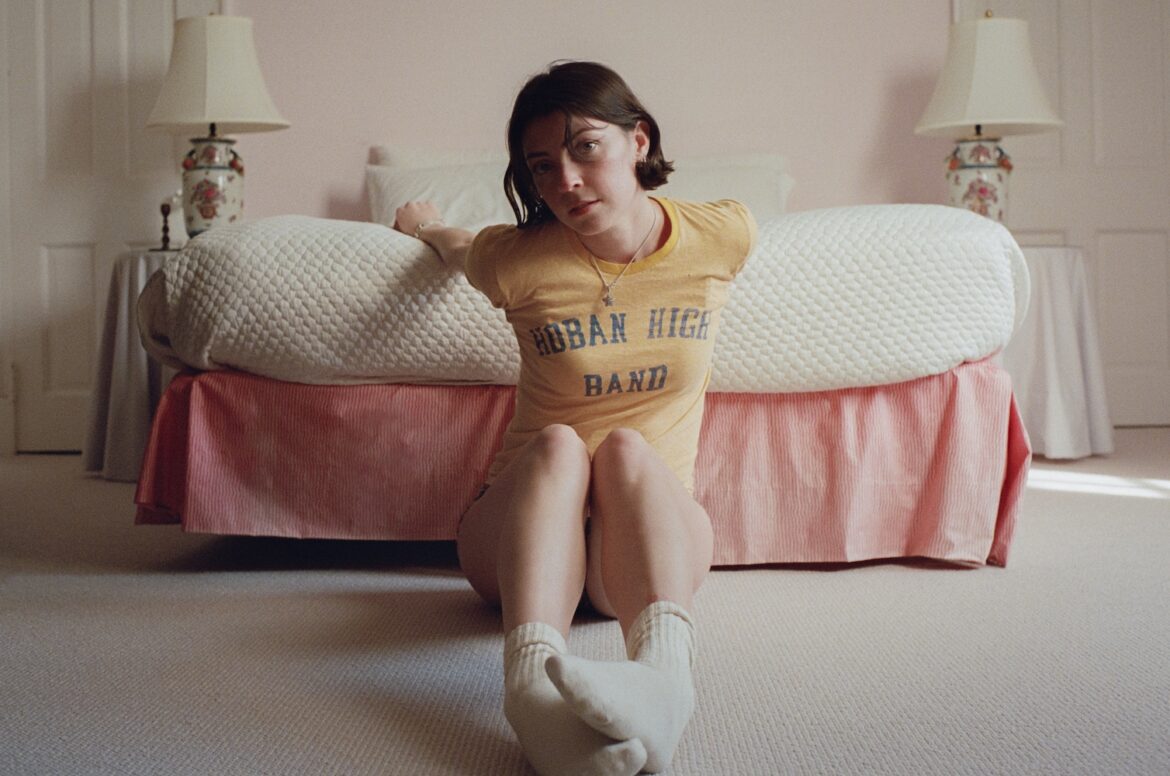
Anna Shoemaker charts the beautiful, messy aftermath of choosing herself on ‘Back to Pennsylvania,’ an enchanting, achingly vulnerable third album steeped in heartache, hard-won hope, and folk-pop warmth. Speaking with Atwood Magazine, the singer/songwriter opens up about leaving Brooklyn, returning to her childhood home, and how the daunting experience of starting over brought her closer to the life and music she’s always wanted. Eight years after her debut single, Shoemaker has come full circle – and then some: For the first time, she’s written herself a happy ending.
Stream: “Already Low” – Anna Shoemaker
In choosing myself, I ruined my life for a little bit.
* * *
Anna Shoemaker had finally done what she’d spent years learning to do: Put herself first.
But walking away from a relationship also meant leaving behind the Brooklyn life she’d spent years building. Back at her parents’ house outside Philadelphia, the singer/songwriter found herself facing an uncertain future, wondering whether she could keep making music at all. She’d made the decision she knew was right for herself – but figuring out how to move forward was another matter.
This difficult homecoming sits at the heart of Shoemaker’s enchanting third studio album, Back to Pennsylvania. Released October 16 via +1 Records, the achingly vulnerable ten-song record explores the uncomfortable aftermath of making a decision you know is right, even when everything that follows feels wrong. Steeped in the folk and country sounds she grew up loving, yet grounded in her unmistakable pop sensibilities, it’s a deeply personal account of losing your footing, finding perspective, and learning that moving forward sometimes means taking a step back.
First time you got lucky
Second time shame on me
Three times is a charm
Four times you withheld it
You love the fifth amendment
You got me counting stars
‘Cause counting on you’s
too damn hard
– “Counting,” Anna Shoemaker
Eight years ago, Shoemaker was headed in the opposite direction. She wrote her debut single, “What Am I Doing to Me?,” on a train from her parents’ house in Philadelphia to New York, a song Atwood Magazine premiered in June 2018. Since then, we’ve followed her through the emotional upheaval of 2022’s feverish debut album Everything Is Fine (I’m Only on Fire) and the hard-won independence of 2025’s soul-searching sophomore LP, Someone Should Stop Her. Each record has captured a different chapter in her life, documenting her struggles and successes with disarming honesty.
Now, with her third album, Shoemaker’s journey has come full circle, and then some. She returns to the place she once left to pursue her dreams – only to discover that coming home is what allows her to begin an entirely different life.
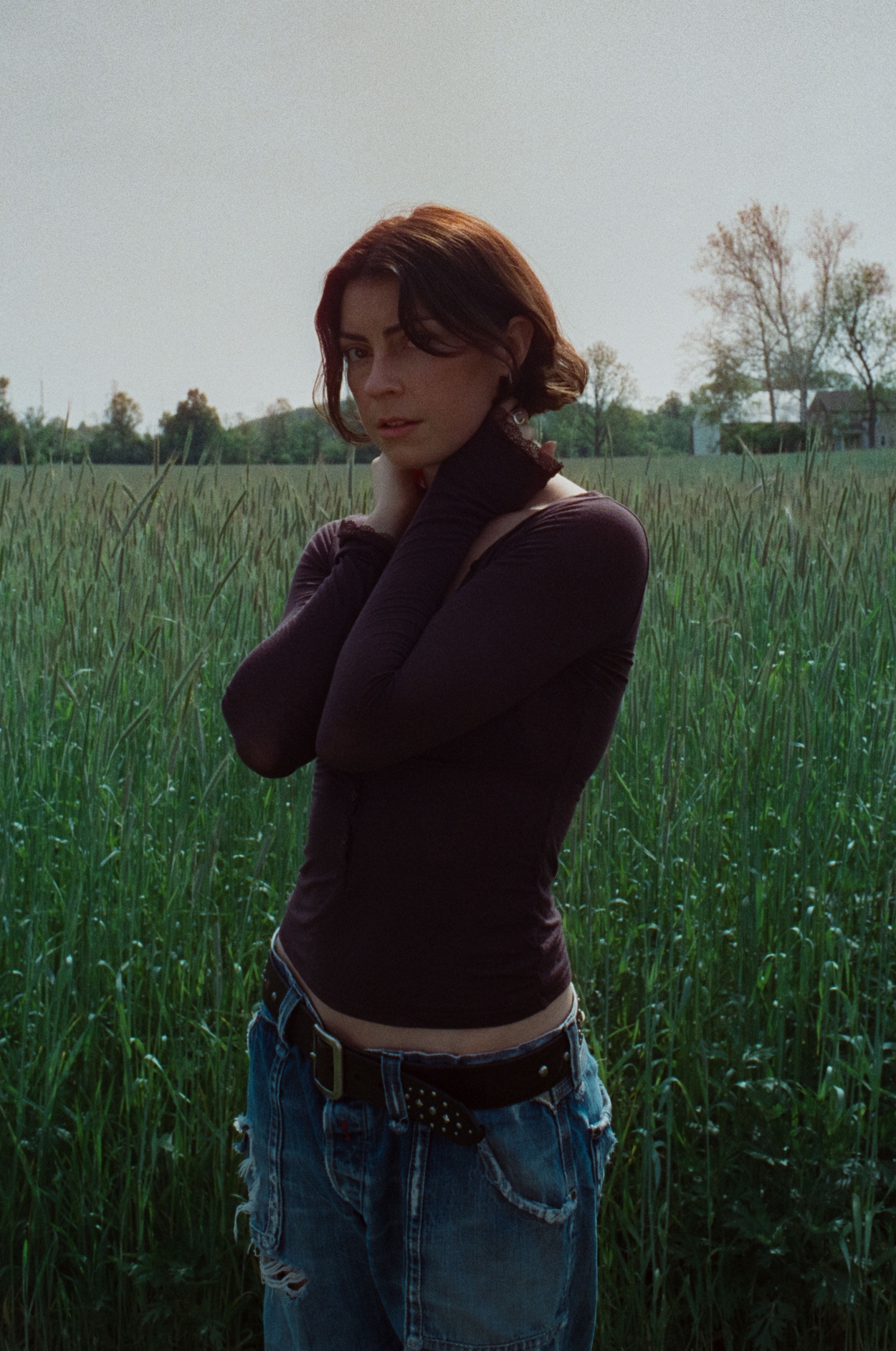
After six or seven years in New York, returning to the Philadelphia suburbs was a strange experience.
Shoemaker found herself walking the streets of her childhood, sitting at her hometown bar with her father and his friends, and watching peers who seemed to have their lives figured out while hers remained in flux. She’d grown accustomed to the relentless momentum of New York City, where slowing down can feel like falling behind. Now, without the relationship or the familiar routines that had defined her adulthood, she had to confront the possibility that the life she’d worked so hard to build might not be the one she needed.
Yet stepping away also gave Shoemaker room to question the pressure she’d been living under. For all the anxiety that came with leaving Brooklyn, she discovered that her fears of losing everything were far greater than the reality of starting over.
“I took that step back, and nothing happened. It was all okay. That was a big learning experience for me,” Shoemaker tells Atwood Magazine.
I planted flowers they weren’t growing
in the backyard of the house we used to live
I was depressed and didn’t know it
you took everything I had to give
And somehow even though there’s
nothing left for me on your side of the fence
I walked by and saw a blooming
in the backyard of the house that I left
I’ll go back to where I came from
Back to Pennsylvania
I thought that I could come and save ya
Like an angel in a graveyard
– “Back to Pennsylvania,” Anna Shoemaker
Songwriting helped her make sense of that transition. During a session with her friend and collaborator Taylor Van Ginkel, Shoemaker was talking about her return to Pennsylvania when he jokingly suggested putting it into a song. She’d been struggling so much that she’d cried during one of their earlier sessions, but something about this suggestion immediately clicked. The resulting title track became the foundation for Back to Pennsylvania, giving shape to an album that would document the difficult, often surprising process of rebuilding her life.
Musically, the record feels like a homecoming of its own. Shoemaker embraces the influences that have long informed her songwriting, drawing inspiration from the likes of Sheryl Crow and Kacey Musgraves while retaining the sharp pop instincts that have defined her work since the beginning. Working closely with producers Gab Strum and Aaron Kennedy, she creates a richly textured sound that balances earthy Americana warmth with bright, inviting melodies. There’s more space in these arrangements, too – longer instrumental passages, room for the music to linger, and a growing confidence in allowing the songs to unfold at their own pace.
“I don’t want to make music that I think people would like. I just want to make music that I want to listen to,” Shoemaker says.
This freedom gives Back to Pennsylvania its distinctive character.
The album opens with the sharp-edged defiance of “Counting,” a spirited declaration of independence that finds Shoemaker welcoming anger as a necessary part of moving on. The dreamy ‘Landmine’ reveals a more fragile perspective, pairing delicate alt-folk textures with the painful realization that even after ending a relationship, learning to trust yourself again can be its own struggle. And on the bittersweet, beautifully bruised “Pissin’,” homesickness and disorientation come pouring out as Shoemaker reckons with the distance between the life she’s left behind and the one she’s still learning to navigate. Throughout, her incisive lyricism and flashes of irreverent humor keep the heavier emotions grounded in the wonderfully messy realities of being alive.
Elsewhere, “Already Low” meets heartbreak with Shoemaker’s signature dark humor, while the gentle, heated “Dying On Your Hill” channels the frustration and exhaustion of a relationship at an impasse. “Girl Song” is especially revealing, turning her attention away from an ex and toward herself. Buoyed by vibrant guitar textures, the restless indie pop confession finds Shoemaker replaying conversations, second-guessing herself, and struggling to find her footing in an unfamiliar life. “I’ve spent a lot of time writing love songs and break up songs about other people, but ‘Girl Song’ is a song for me,” she explains. It’s a striking portrait of the anxious, often uncomfortable moments that accompany starting over.
I get home I take off all of my clothes
I say what I wish I said over and over again
I get takeout and wish I still got stoned
Maybe I’d be paranoid but at least I let it go
Sitting, thinking, on the curb outside
I’m nodding listening, grateful that you didn’t
Come out swinging
I’m so tired of being lucky
and forgiving but I can’t let it go
– “Girl Song,” Anna Shoemaker
The driving, sonically and emotionally charged “Dead Giveaway,” meanwhile, captures the exhilarating uncertainty of falling for someone new. Shoemaker lays bare the vulnerability of wanting to be wanted, of waiting all day to hear someone’s voice and wondering whether her feelings are becoming too much. It’s an intimate, disarmingly honest exploration of romantic longing, where excitement and insecurity are never far apart. “Clover” offers a sunnier counterpoint, embracing the thrill of newfound affection against the backdrop of her first autumn in Los Angeles. Together, the songs capture another side of Shoemaker’s transformation: The gradual willingness to open herself up to love again, even when doing so means risking another heartbreak.
For all the difficult emotions she confronts on Back to Pennsylvania, Shoemaker finds genuine joy in the act of expressing them – and oftentimes working through the – via her music. “It feels so good to wrap up a problem that you have in a little bow in a song,” Shoemaker says. “For me, when I write about something, I feel like I can send it on a boat down the river, and that’s where that problem is… That’s a big thing with this record.”
Yet the album’s final destination is somewhere Shoemaker has rarely allowed herself to go before. Written for her boyfriend in the early days of their relationship, closing track “Love Me Back” offers a striking contrast to the frustration and disillusionment of “Counting.” Here, love is no longer something to fight for at the expense of yourself, but something two people can freely give one another. After everything she’s endured, the simplicity of that sentiment feels especially profound.
“That’s why I wanted to have ‘Love Me Back’ last, because to me, it felt like a happy ending. I’ve really never had that on any of my records,” Shoemaker explains.
It might have seemed like an ending at the time, but going home was only ever the beginning.
Today, Shoemaker is building a life in Los Angeles, surrounded by collaborators she trusts and looking ahead to her first-ever headlining tour. That tour will conclude in Philadelphia on March 20, 2027 – a fitting destination for an artist whose journey has taken her so far from home, only to bring her back when she needed it most. What once felt like losing everything has opened up possibilities she couldn’t have imagined, and Back to Pennsylvania captures the remarkable distance she’s traveled simply by following her dreams, believing in herself, and giving herself permission to start again.
Anna Shoemaker has emerged from that uncertain chapter with a renewed sense of purpose and a record that feels closer than ever to the music she’s always wanted to make. In our intimate conversation below, she reflects on the unexpected costs of choosing herself, the strange comfort of starting over, and how a period of feeling utterly lost ultimately opened the door to a whole new life.
— —
:: stream/purchase Back to Pennsylvania here ::
:: connect with Anna Shoemaker here ::
— —
‘Back to Pennsylvania’ – Anna Shoemaker
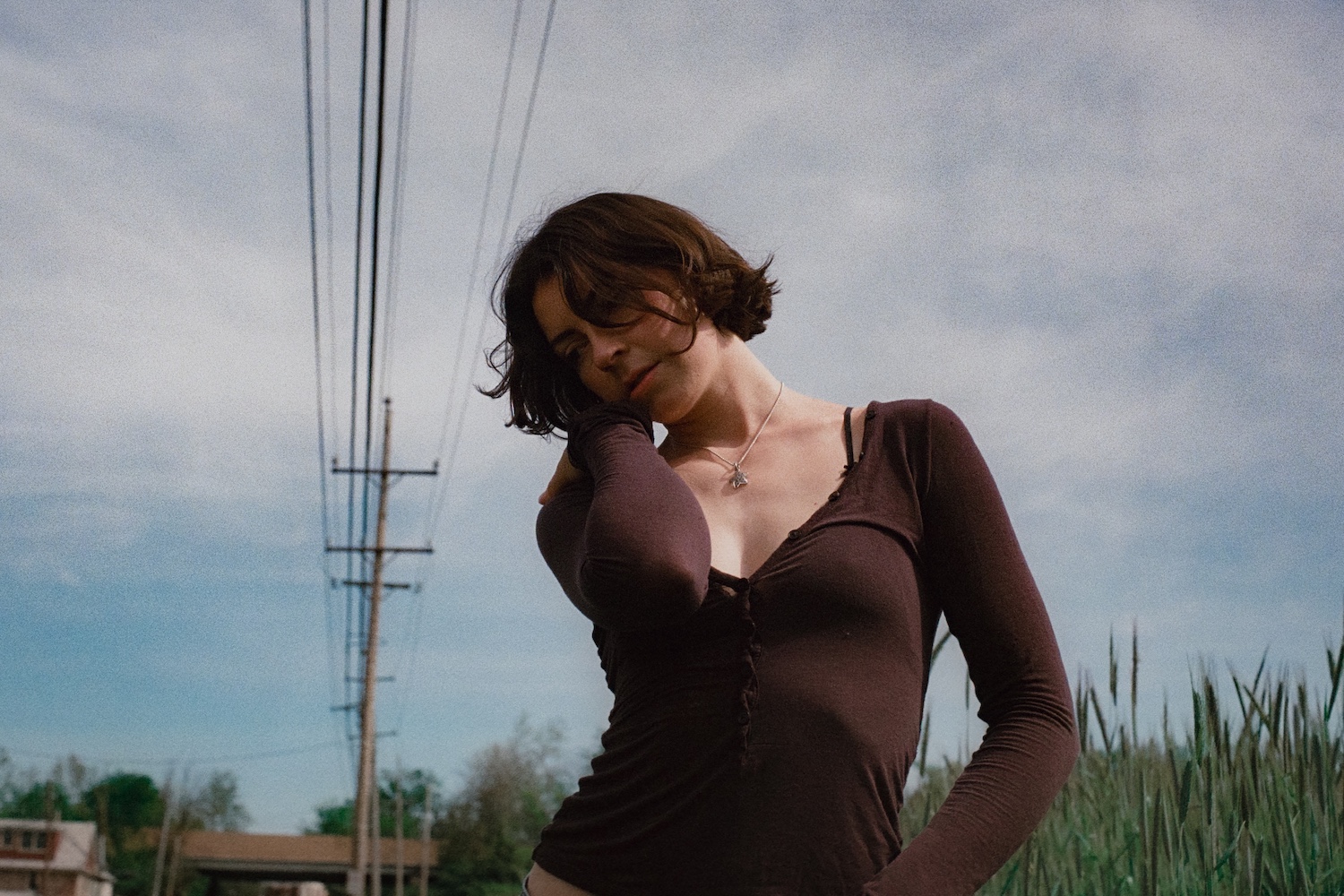
A CONVERSATION WITH ANNA SHOEMAKER

Atwood Magazine: Anna! Your third studio album, Back to Pennsylvania, is finally here. How are you feeling?
Anna Shoemaker: I’m really excited. I feel like this has been the quickest turnaround in terms of making music, so all of these songs still feel really fresh. I really love this record. It means so much to me, so I’m just excited and grateful to be putting it out.
We last spoke in early 2025, so I think it's only fair to go back and start our conversation from there. How's the past year and a half been for you?
Anna Shoemaker: It’s been good. I feel like a lot has changed. It’s kind of crazy, because that’s right around the time that I first moved to L.A. I fully live in L.A. now, and in that time, I made this record. There were maybe one or two songs that had been written before then, but they’ve all pretty much been written in this past year and a half.
A lot of making music, making new friends, writing with new people, working with new people. I’ve never made a record in L.A. before, so getting to do that, finding new managers – it’s been a whole journey. I feel like I’ve lived a lifetime in this past year and a half.
It’s definitely been a lot, but it feels really good. It feels like things are aligning. There was a period about a year ago where I was a little… I don’t know. I think when I’m in these in-between spaces, it’s really hard. I talk to a lot of different artists, and I think they go through that, too. They have a lull period of, “What am I doing?”
So what do you think you're doing now? How have you realigned? Where's the new center?
Anna Shoemaker: Well, I’m really excited for my first headline tour next year. That’s been a huge goal of mine, but it’s also become a North Star for me. I’ve been touring a bunch over the past couple of years as support, so I’m really excited to headline, especially with this record, and bring these songs to life with a band.
Most of the touring I’ve been doing has been solo acoustic, or maybe even just two people. I’m really excited to hear these songs with a band.
When we spoke last year, you described Someone Should Stop Her as ultimately being about choosing yourself. A year and a half later, what's your relationship with that record and its songs today?
Anna Shoemaker: I love that record. I really, really do. I think anytime you make a record, or even anytime I write a song, I learn so much about myself and who I am.
That whole album was about choosing myself, walking away, and starting over. I think about it every day, that in choosing myself, I ruined my life for a little bit. I think that’s what a lot of this newer record is about – that miserable in-between period of choosing yourself and then ultimately dealing with the consequences and starting over.
I’m so grateful every day that I really doubled down on choosing myself, focusing on my work, focusing on my mental health, even though that meant moving back to my parents’ for a second and re-centering myself. It eventually brought me to L.A., it eventually brought me to meet my boyfriend, and it eventually brought me to write this record.
It’s really crazy where decisions in life can take you. I know that’s obvious, but it’s pretty amazing.
It's so special, and I'm so happy to hear that. It sounds like everything that was going on around Someone Should Stop Her really set the stage for where you are today. We wouldn't be here without that record, without the events that transpired around that album, and without those songs. We wouldn't have gotten to Back to Pennsylvania and these songs, either.
Anna Shoemaker: For sure. It’s so funny, because I’ve been thinking about that a lot recently – what drives you to write certain songs. I also love writing for other people, so that’s a totally different craft. But when I’m writing for myself, I really try to have it be as subconscious and free-flowing as possible, and try to tap into something bigger. I try to listen to what my heart is saying.
I think a lot of these songs felt a little bit like they came out of nowhere. They were the comfort that I needed in this time. Things would be really different if I hadn’t made certain decisions. Every little decision you make affects what happens next.
It's one thing to say that out loud, but it's another thing to be living it, feeling those dominoes fall, and then looking back and thinking, “Wow, who would have thought they would all turn out right for me?”
Anna Shoemaker: Totally.
Back to Pennsylvania is your third studio album, and I'm curious: How do you feel this record reintroduces who Anna Shoemaker is today, especially compared to Someone Should Stop Her and Everything is Fine (I'm Only on Fire)?
Anna Shoemaker: I feel like there was a hint of where this sound was going on Someone Should Stop Her. There were definitely a lot more Americana and country elements. Ultimately, I love pop music, and that’s where my heart is. I always love to keep the writing super pop. That’s just how I write. But I think this record is a return to home, a return to these sounds that I was listening to when I was growing up, like Sheryl Crow.
Obviously, sounds change, and it always depends on where you are in your life and who you’re working with, but I feel like everything aligned with this album to give me that folk pop country sound of my dreams.
I got to work with two of my really good friends, Gab Strum and Aaron Kennedy. Aaron is very good with this more abstract country sound. He’s just so cool. And then Gab is so awesome and amazing at making gorgeous pop music. I loved bringing those two people together to make this folk pop country record. Every record feels a little bit closer to where I want to be.
You're answering about five of my questions at once here! You mentioned Sheryl Crow. Who are some of your other musical North Stars right now? And what excites you most about this vein of folk pop you've unearthed with Gab?
Anna Shoemaker: I would say that probably two of my favorite artists are Kacey Musgraves and Alex G. But if I’m in the car alone, I also listen to a lot of Teyana Taylor, India.Arie, and Lauryn Hill.
Storytelling is above all else for me. I love a good writer, and I love specific writing that makes me feel, “Oh wow, I feel that. I wish I wrote that.” I love a song that I wish I wrote. That’s always what I’m trying to do. I’m always trying to be as specific as possible. It feels so good to wrap up a problem that you have in a little bow in a song. For me, when I write about something, I feel like I can send it on a boat down the river, and that’s where that problem is. I really like that.
That’s a big thing with this record, especially with a song like “Pissin’,” which is really emotional. It reminds me of a time when I was so deeply sad and struggling. But when I wrote that song, I remember listening to it on the car ride home, and I felt so much better because I was like, “Oh wow, I named this feeling. I bottled this up, and now I can get rid of it.” I think that’s what excites me most – the songwriting and being able to share my thoughts.
Let's dig deeper into that, because that's exactly where I wanted to go next in the vein of storytelling. At its core, what is Back to Pennsylvania about for you?
Anna Shoemaker: I think, to me, it’s about having to take a step back in order to take a step forward. Having to really take inventory of everything in order to move on, and having to close some doors in order for others to open. It’s okay to slow down and do that. It’s really okay.
Especially living in New York, I was really scared to do that. I think there’s a culture in New York of just, “Go, go, go, go, go,” and if you stop, you’ll lose progress, or it won’t be good for you. I took that step back, and nothing happened. It was all okay. That was a big learning experience for me.
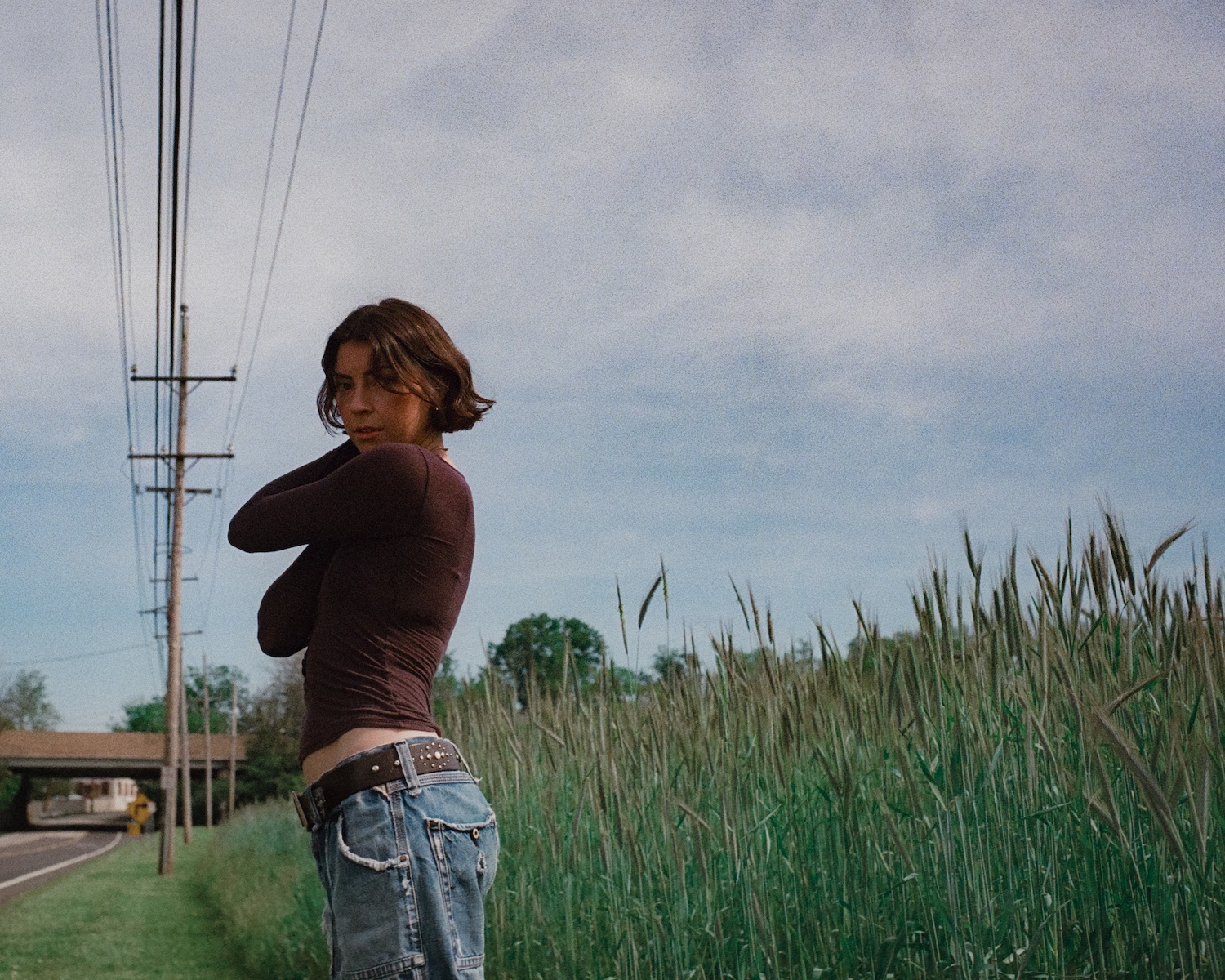
There's the literal element to the title – leaving Brooklyn and physically moving back home to Pennsylvania. What was it like returning home at that point in your life? But even more so, I feel like the shift we're talking about is a mental and emotional one, too. Getting out of the craze of our twenties, where you feel like you have to live your life at 100% all the time, and returning to, if not quite childhood innocence, then an openness to living without an agenda. What was that shift like for you?
Anna Shoemaker: It was very bittersweet. I felt like I was really closing out a chapter in New York. It’s hard. Living in L.A. is so different, and most of my friends are all still in New York. I think it’s really hard to move on and not know, “Oh, that’s the last time I’ll do that.” I spent so long in New York – I was there for six or seven years. Moving back to my parents’, I feel like I didn’t realize I was being held underwater. The second I left New York, I felt like everything was going to collapse, my life was going to be over, and who knew if I could keep doing music, or if I wanted to, or what I was going to do.
Honestly, though, I’m always writing songs, so I knew that was my North Star. Being able to get out of New York gave me a little bit of new energy. I don’t ever want to speak poorly of New York, because I love New York, and I could totally move back there one day. But I think I needed to change to see the bigger picture. Doing the same thing over and over again is the definition of insanity, and I think if you have the opportunity, everyone should make a change.
We're two ex-New York City folks here talking about it, and there's nothing wrong with choosing a new perspective and giving yourself that life experience. I know some people who have lived in New York City their entire lives, and they're really happy with that choice. I just don't think that was ever me, either.
Anna Shoemaker: Same. I’m from Philadelphia, so I feel like the East Coast is very much in my blood, and I really miss the East Coast vibes. I’m such an East Coast person. My boyfriend is, and a lot of our friends are. That’ll always be it for me.
How are you adjusting to car culture?
Anna Shoemaker: I love car culture! I love being in the car. I’ll talk to my best friend on the phone, I’ll listen to a podcast. Granted, I really don’t leave my little bubble a lot. Last night, I drove 30 minutes to get dinner, and that’s about as far as I’ll leave my little bubble. But I really, really love car culture. I love running errands in my car. I don’t have to schlep groceries. I like it.
We've talked a little about how what initially felt like a step backward became a leap forward. When did your perspective on leaving New York and coming back home begin to shift?
Anna Shoemaker: That’s a really good question. I think as I’ve gotten older – and I tell my cousins and my sister this, because I have a bunch of younger cousins and a younger sister – anytime they’re going through something difficult, whether it’s heartbreak or a challenging transition or something painful that’s obviously not actually harming them, I feel like I’ve realized through all these transitions and heartbreak that that’s the time when you’re growing. It doesn’t last forever.
Anytime you’re experiencing that, it’s almost a blessing. I mean, it is a blessing, because it’s like, “Wow, I’m getting through this, and I know I’ll get to the other side because I put one foot in front of the other.” I’m always getting to the other side of it, and I always have gotten to the other side of it.
I think it’s those little moments of joy. When I moved to L.A., I was in the middle of a tour, and I didn’t have an apartment. I was living out of my parents’ house and driving my car around, basically following Joe P on this tour and touring out of my Toyota.
When I finally got my apartment, I was sleeping on my air mattress and finally had my own closet, my own kitchen. When you have those little wins, that’s when you’re like, “Oh, this was so worth it.” You’re like, “Wow, I’m really proud of myself.”
Now I see my cousins or my sister go through similar things, and I’m like, “Wow, this is gonna be really great for you.” And they’re like, “What’s wrong with you? Why would you say that? I’m miserable!” And I’m like, “No, this is what’s shaping your life. This is what’s making you resilient.”
For me, those difficult times are just growing. Obviously, not if you’re in a dangerous situation, but I don’t think a little heartbreak ever killed anybody. (laughs)
This transition to a new physical environment comes with a transition to a new sonic environment as well. Your new album leans farther into the alt-folk, Americana, and country worlds than I think I've ever heard from you before. What drew you to these sounds, and how did you move from the indie pop of your last record to this warmer, folk-influenced sound?
Anna Shoemaker: I think it just felt like a natural transition. A lot of the music I listen to has those sounds, and then there were also the people I was working with and the people I met. One of the first songs that I knew was definitely going to be on the album was “Dying On Your Hill,” and I wrote that one with Jacob Allen and Aaron Kennedy. They’re both, in my mind, masters of that country world, that twang world. I was really inspired writing with them.
I’ve also been really inspired in general by this shift of country music becoming so huge, with Ella Langley, and Lana allegedly releasing a country album. I feel like Alex G’s God Save the Animals really shifted into those warmer tones of a more country sound. I really felt that, because I grew up listening to tons of Shania Twain and Miranda Lambert. I’m in love with country pop writing. I love a big reveal at the end of the chorus. That is everything to me.
I’ve always been really inspired by country music. I feel like it’s been a battle for me throughout the years, from my first EP to now, listening to myself and following my gut. It used to be a lot harder to do that. I feel like a lot of people had a certain sound they wanted to hear from me, and I’ve really, really quieted all of that. I don’t want to make music that I think people would like. I just want to make music that I want to listen to.
So what we're hearing is the purest distillation of you that you've been able to bring out thus far.
Anna Shoemaker: Yeah, basically. And I’m sure I’ve said that for every single song or album I’ve put out, which I wouldn’t want to have it any other way.
That's the trajectory, right?
Anna Shoemaker: Exactly.
I read that the title track, “Back to Pennsylvania,” became something of an emotional catalyst for the entire record. What's the story behind this song, and when did you realize it was also the title of the album?
Anna Shoemaker: Well, I wrote it with one of my favorite people ever, my friend Taylor. He’s an amazing producer and songwriter, and actually maybe one of the funniest people I know. He’s so funny. I was really going through it. I had a few sessions with him, one in which I was literally crying in the session. I was having a really hard time, and he always cheers me up. He’s such a great guy.
We were writing this song, and I was talking about how I was going back to Pennsylvania and all this stuff. He was like, almost as a joke, “Oh, well, we should put that in the song.” And then he was like, “Oh, I’m kidding.” But I was like, “Wait, that is so smart!” We wrote that song, and from day one, I was like, “This is the album. This is exactly what I want to do and where I want to go with it.”
Because I was in that transitional period, I was like, “I want to write this album.” That was the first song I knew was on it. Obviously, I wrote a bunch of others, and some made it, some didn’t, but to me, that was always the vision.
So this really is an encapsulation of a very specific moment in your life.
Anna Shoemaker: It definitely is. Especially with Someone Should Stop Her, we went to Montana to shoot all of that, because with that album, I was fighting for my life a little bit in a breakup. I was almost running away from everything. I always work with the same director on all the visuals. It felt so special to be in Montana with her a few years ago shooting all of that, and then now being in Pennsylvania shooting everything with her. She’s also from Pennsylvania. I feel like we’ve experienced my albums together. It can be quite difficult shooting some of the visuals because we’re literally recreating moments. Being in Montana for my last record, heartbroken, we literally recreated that to a T.
And then for Back to Pennsylvania, I’m really excited about the “Already Low” video. We recreated a family party where I’m so miserable. It’s like that meme that’s, “The type of s*** your family has you doing when you’re actually being ghosted.” There’s a family birthday party happening all around me, and I’m so miserable. It’s fun to recreate those things.
That must be so interesting when you're writing so autobiographically, especially about moments your family or friends also experienced. Has anybody ever checked you on that and said, “Oh my God, that is what happened here,” or “I didn't know you were feeling that way”? Has anybody ever piped up?
Anna Shoemaker: I have a really big family, so I feel like I could come into a family party in a Santa suit, and no one would blink an eye. It’s funny, I should ask them. I think definitely with this video, because my two little cousins are actually in it, which they’re very excited about. But we hired actors for the rest of my family, so I wonder if they might have some opinions on that.
I knew they weren’t gonna want to act and be in it, so I was like, “I have to hire actors.” We’ll see. I’ll keep you updated on that. But I think my family keeps it pretty chill. No one’s looking over anyone’s shoulder, which is great.
“Counting” opens the album at a point where you've finally had enough: “You got me counting stars / 'Cause counting on you is too damn hard.” Great line, by the way. Why did it feel like the right place to begin the record?
Anna Shoemaker: Because I think that after you’re over a breakup, to me, the most important part and the best part of a breakup transition is anger. That’s when you finally can move on. That’s the moment when you can finally get to where you need to be.
I feel like sometimes anger can be a really useful tool to get you where you need to go. And for me, that was “Counting.” It was like, “Let’s just come out swinging. F*** you.”
I wanted to come out swinging like that and be like, “I’m not pining over anyone. I’m not missing anyone. This is not what this record is. Love you, but I gotta move on.”
But also, that song energetically feels like a really special opening.
You've called “Landmine” one of your favorite songs on the album and talked about wanting to give the perspective of the person who ends a relationship but is still heartbroken afterward. What was it like writing this song and having it out in the world now?
Anna Shoemaker: This song is still one of my favorite songs I’ve ever written. I feel like it’s one of those moments where I really, really got out what I wanted to say. To me, it’s looking back on a relationship and thinking, “Oh, this was all wrong.” And realizing, if the other person’s okay with this all being wrong, I don’t know if I can ever be in a relationship again. That’s terrifying, that I could unknowingly be in the wrong situation.
Also, sonically, that song just feels so good. I was really inspired by “Slow Burn” by Kacey Musgraves. That’s a huge North Star song for me, and I wanted to channel my inner “Slow Burn” and have a song about where I was in my life.
I was looking back, but also present at the same time, you know?
You mentioned “Pissin’” earlier, and I think that's such a vivid song, especially the transition from Montana to Manhattan to Pennsylvania. I'd love to hear you tell me more about that one.
Anna Shoemaker: I think to Gab and me, who wrote it together, that’s one of our really special songs. I can’t even… It just feels like a really special one. I was writing about the situation, and it all came out that way. Gab was building that beautiful track.
Gab and I both moved to L.A. around the same time, and I think we were both experiencing culture shock and homesickness and all of that stuff. It can be really, really disorienting moving to a new place and not having your people, not having a sense of gravity. That can make you romanticize the past a little bit. That one, to me, is just pure emotion. Brutal.
I realized that the album begins with “Counting,” where you're done relying on someone else who keeps letting you down, and ends with “Love Me Back,” where you're opening yourself up to somebody new again. How do you think about the emotional arc between those two songs and the journey you go on throughout this album?
Anna Shoemaker: When I wrote “Love Me Back,” it was such a realization moment for me, because I wrote that song for my boyfriend. I sent him a little voice memo. For me, “Love Me Back” is like, we can just do this, and we don’t need to have all this other stuff. I think I’ve learned so much from being in different relationships where there are all these expectations and all these different things that muddy up relationships.
I wrote this at the start of my relationship with my boyfriend, and it was a promise to him and myself that maybe all we need to do is focus on love and just love each other. You don’t have to worry about, “Are we going too fast? Are we going too slow? Am I saying the right thing? Am I showing up for…?”
All we have to do is act out of love for each other. Love me back, and I’ll love you back. It’s those pure first months of a relationship where you’re hoping to do things differently this time, you know?
Absolutely. I like that this album ends in a healthier place than you may have even been in when you first started writing it.
Anna Shoemaker: No, I definitely wasn’t. I feel like I really built this world around me. I started out the record in a really, really difficult spot. “Pissin'” was a really low point.
But that’s why I wanted to have “Love Me Back” last, because to me, it felt like a happy ending. I’ve really never had that on any of my records.
Sonically, I hear a lot more space on this album than in any of your past work. “Landmine,” “Pissin’,” “Dying On Your Hill” – even toward the end of the title track, there are moments where your voice takes a backseat and the instruments soak up the spotlight. What was your goal for how this album should look and feel? Was that an intentional choice?
Anna Shoemaker: Definitely. In the past, I’ve been a little bit intimidated by that. I started to dabble in having a little more space on my last record, and on this one, I felt very familiar with, “Oh, what if we just let things go here, or have a little bit of a longer intro?”
I think it’s come with making more music, growing, and trusting the people that I work with. I really, really trust Gab and Aaron.
Everything they were making was so beautiful. I was just like, “I want more of it.”
As a lyricist, somebody who puts so much time and effort into storytelling and getting the right words in the right order, do you have any favorite lyrics across Back to Pennsylvania?
Anna Shoemaker: For sure. I have a lot of favorite lyrics. I think maybe my favorite is on “Already Low”: “I think I’ll take the cat and leave the sheets,” and “Comatose temporarily and come up with a better personality.” That feels very dramatic and very me. Anything that’s very dramatic. I also mention Britney Spears two separate times on this record, which is also very me. I was obsessed with Britney Spears when I was younger, so I love that she made it in there a few times.
And on “Landmine,” “He’s dating a model who DJs as well” is definitely one of my favorite lyrics, because that was real at the time. I was like, “Yeah, I’m just gonna speak my truth.”
Likewise, are there any other favorites or songs we haven't hit so far that I'd be remiss not to mention?
Anna Shoemaker: I think “Dying On Your Hill,” similarly to “Pissin’,” is a really special one. We had to remake that song a few different times because we couldn’t get it quite right. I had really bad demo-itis. I wanted to put the demo version out, and luckily, we got it to where I wanted it to be. But that song felt like lightning in a bottle to me when we wrote it.
I played it a bunch on my last tour with Mallrat, and that was really fun. I’d never experienced that before – playing a song live a bunch of times and then going to record it. That was really fun because I felt the areas I wanted to change melodically, where I wanted to build, and where I felt like it should pull back. That was a really, really cool experience.
I've talked to a couple of people who've done it that way in recent years, and they say there's no going back. Once you tour a song or an album and then record it, you get such a different product because it's already been road-tested.
Anna Shoemaker: I would love to do that with a song or two on this tour. That would be so cool, to play a new song or do something like that again. It’s true, it is a really cool experience.
You've mentioned you're going out on your first-ever headline tour next year. Tell me more about this milestone, and what are you most excited about when it comes to the shows themselves?
Anna Shoemaker: Well, I love touring, and I love everything about touring. I’m not a morning person, but on tour, I could be a morning person. I love playing shows, and I’m honestly excited to rehearse and get my band together so that I don’t have to stress about that.
I’m really excited to build these songs out live and see what we can do to make them feel even more special, what we can do to make the show as special as possible. I’m really nervous about headline touring, but like I said earlier, I think that’s probably a good thing, to be a little bit on my toes. I’m ready to go through it again. I feel like I have all the tools.
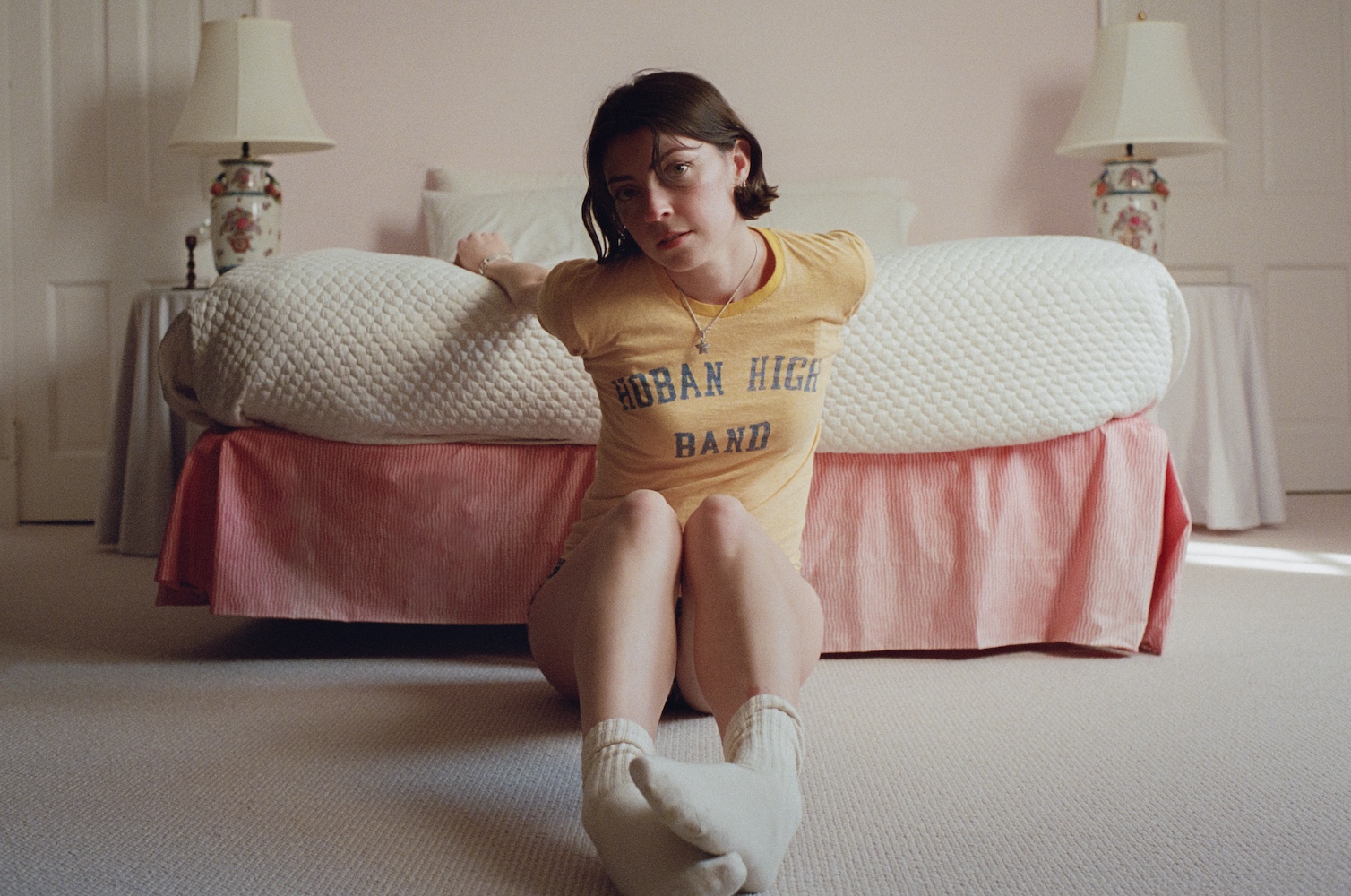
What do you hope listeners take away from Back to Pennsylvania? And what have you taken away from creating it and now putting it out?
Anna Shoemaker: I think it’s okay to take a step back. It’s okay to slow down and listen to yourself. Anything that’s a whisper in your heart, anything that’s like, “I think I should do this,” any gut feeling is so real, and it’s only gonna get louder and louder.
Sure, wait ‘til it’s really loud so that you’re sure, but listen to your gut and listen to yourself. Take a second if you need it. I think that’s what I really hope people can get from it.
In the spirit of paying it forward, who are you listening to these days that you'd recommend to our readers?
Anna Shoemaker: I’m listening to Angela Autumn, her new record, Believer. I’m actually obsessed. Her voice, her writing, everything. She’s so good.
— —
:: stream/purchase Back to Pennsylvania here ::
:: connect with Anna Shoemaker here ::
— —
— — — —
Connect to Anna Shoemaker on
Facebook, 𝕏, TikTok, Instagram
Discover new music on Atwood Magazine
© Josefine Cardoni
 © Josefine Cardoni
Back to Pennsylvania
an album by Anna Shoemaker