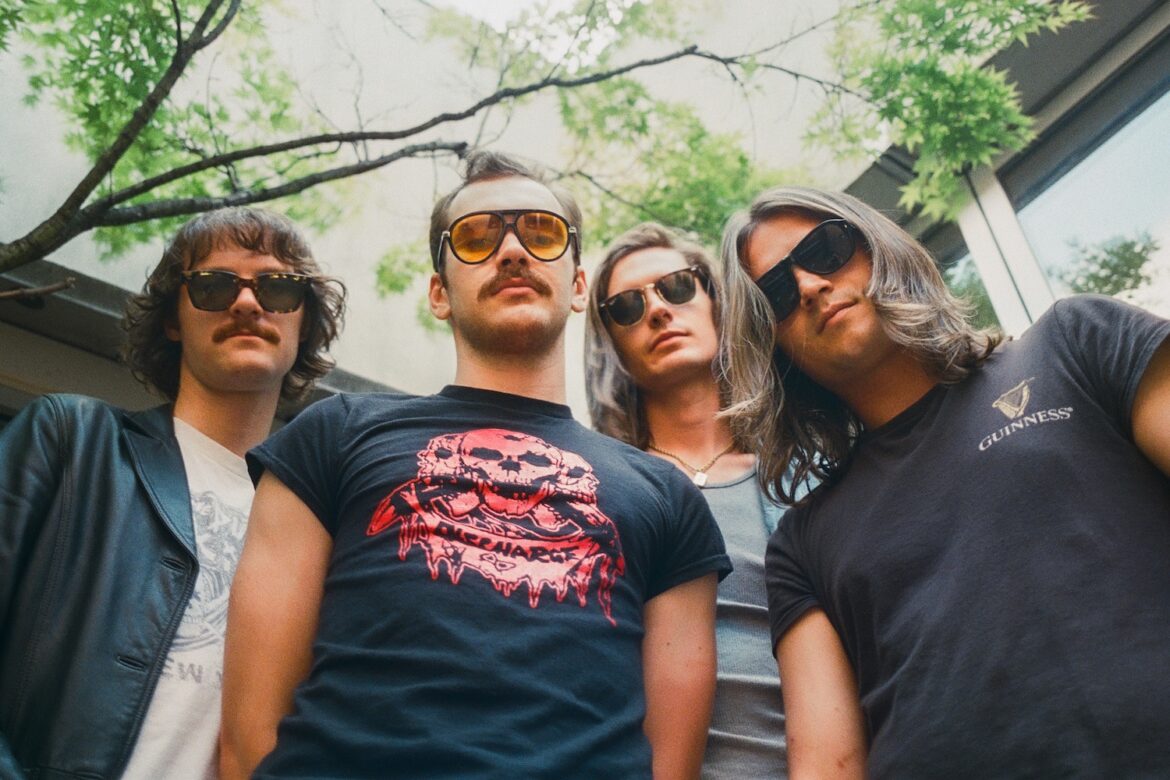
The Madelines have introduced themselves with a head full of memories and a chorus you can’t shake on “Amy,” a radiant, ridiculously catchy song whose sun-kissed guitars and restless rhythms carry a much heavier story beneath the rush. Speaking with Atwood Magazine, the Brooklyn indie rock band open up about the Arizona desert memories at the song’s core, the chemistry that made them a true four-piece, and why “Amy” became the doorway into their forthcoming debut album. Charming and restless, The Madelines sound like they’re having the time of their lives – and that joy is as irresistible as it is impossible to resist.
 follow our Today’s Song(s) playlist


Stream: “Amy” – The Madelines
Meet “Amy” once and she’s already stuck in your head.
The Madelines’ debut single is the kind of smile-inducing indie rock jam that hits your gut almost immediately – bright, hooky, and ridiculously easy to sing along with by the second spin. Its angular guitars carry the post-punk revival snap of New York’s noughties heyday, but here they’re more sun-kissed than severe, radiating warmth as they roar and soar around Owen Tressider’s wonderfully charming vocal. “Amy” is pure propulsive pleasure: A little dreamy, a little scrappy, and completely irresistible.
Oh I act so good
But I feel so bad
I’m not the only one in this desert land
I need to be with you
But I’m all alone
I wish I could call you on the telephone
You miss the way her eyes felt on you
Now you never know
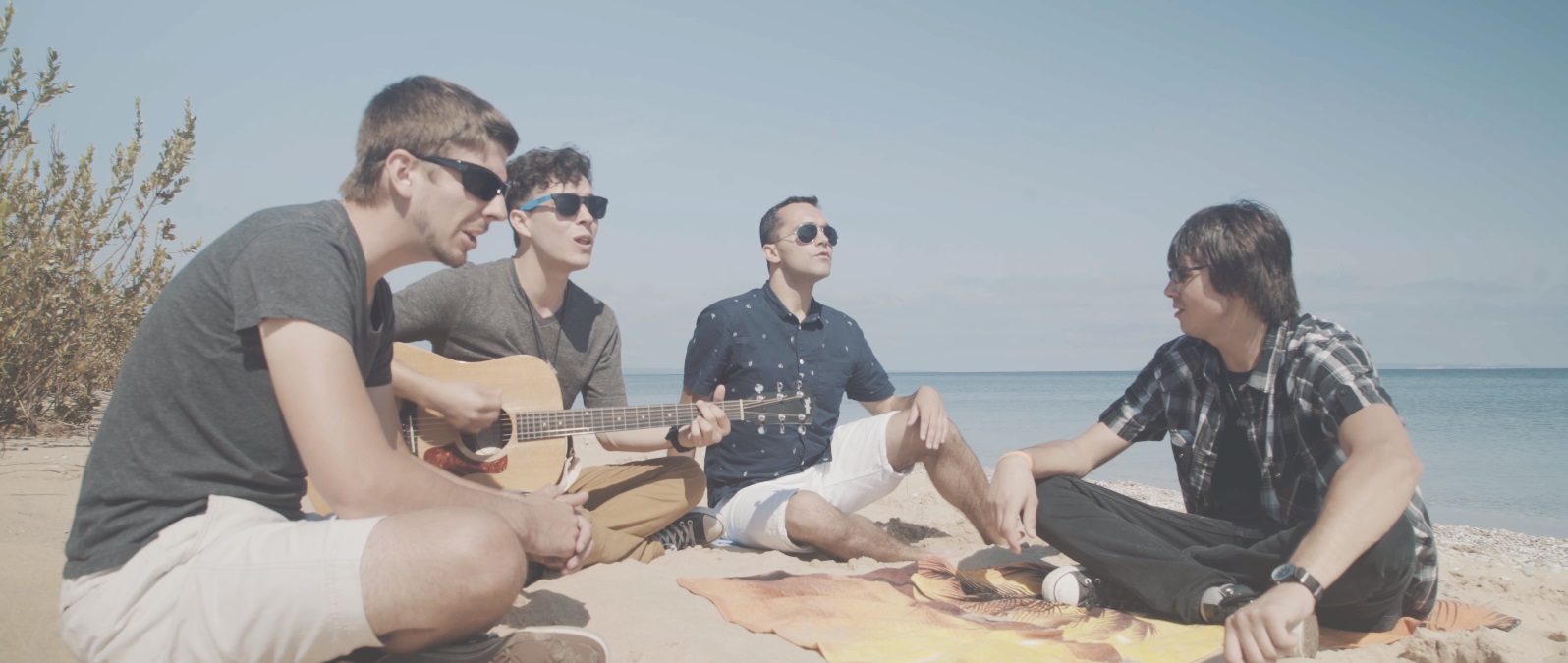
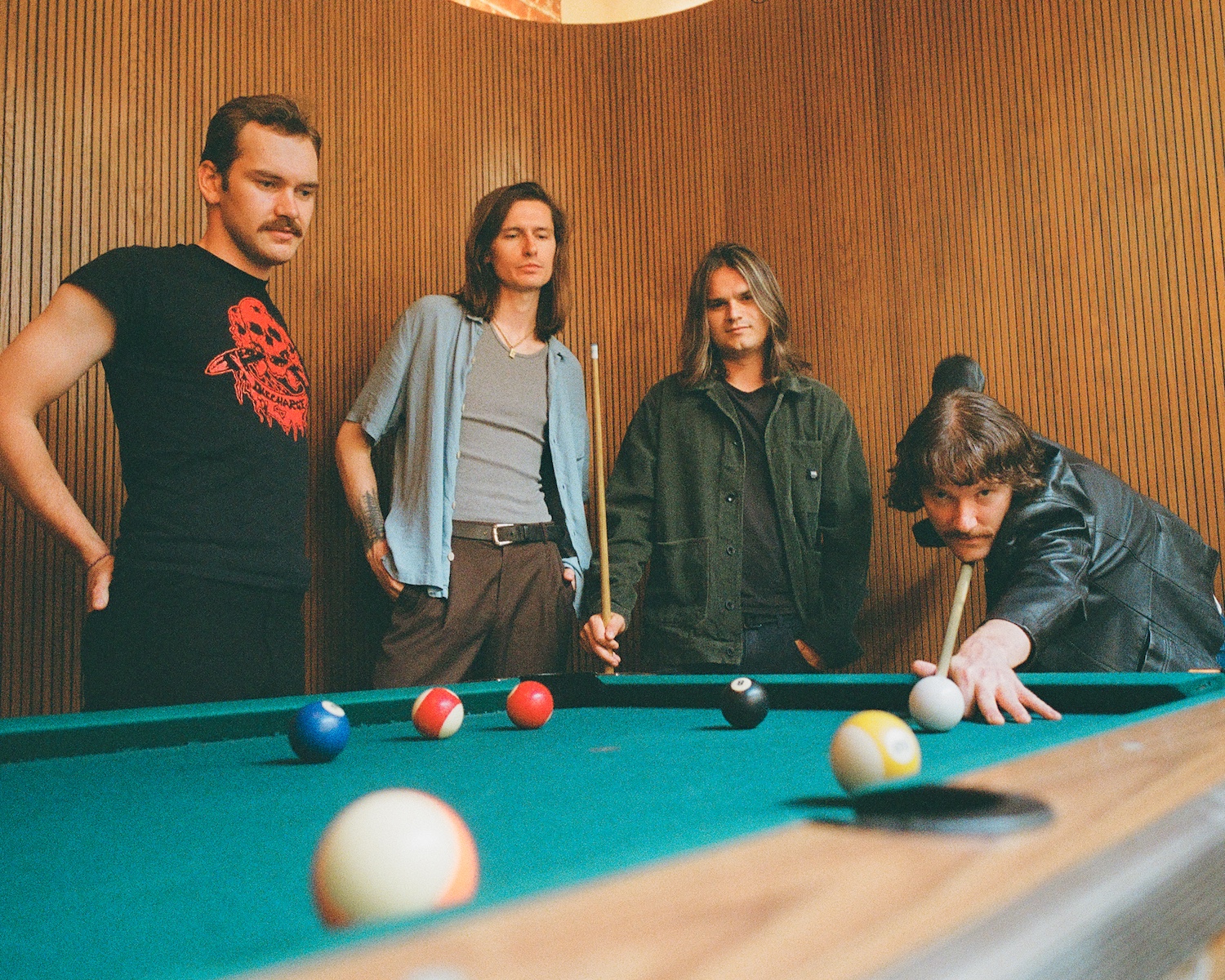
The Brooklyn quartet – Tressider on vocals and guitar, Ralph Franco on bass, Alex Taylor on guitar and keys, and Jack Barrett on drums – have spent the past several years growing alongside the music itself. Written in 2023 during The Madelines’ earliest days, “Amy” survived lineup changes, new arrangements, and countless rehearsals before becoming the title track and first of four singles leading into the band’s debut album Amy, currently slated for spring 2027. The song was produced by The Madelines, mixed by Max Goulding, and mastered by Alec Ness, with all that accumulated time somehow leaving the finished track sounding wonderfully immediate.
The Madelines came together with considerably less ceremony. Tressider had been playing solo sets to backing tracks when a show at the now-closed Bushwick Public House connected him with the band’s original drummer, Spencer Krush, who introduced him to Franco; Taylor followed, and when Krush eventually departed, Franco called up Barrett, an old high school friend. The name arrived during an even less glamorous night out. “We were all sitting at this shitty sports bar in the Financial District after we showed up to do a podcast interview that never happened,” Franco tells Atwood Magazine. “At the time we were still playing under Owen’s name and we were like ‘we gotta nail down a band name.’ Everyone in the band except Owen was dating someone named Madeleine, and when we were brainstorming ideas, the name ‘The Madelines’ got thrown out and it just made sense. It felt right.” For Tressider, the current four-piece finally clicked as a band in the fullest sense – the point where the project stopped reading as his songs played by other people and became four friends building their own identity together.
At the center of all that accumulated history is a memory that predates the band by years.
“‘Amy’ is really about memory, and the strange way certain periods of your life can stay completely intact in your head even after everything around them has changed. I started writing from memories of being a teenager in Arizona, where I spent a long stretch of my adolescence at a boarding school in the desert. I was lonely, homesick, and constantly thinking about the people and the life that existed somewhere outside of where I was. Years later, when I wrote ‘Amy,’ I found myself returning to that feeling – not necessarily trying to document exactly what happened, but trying to capture what it felt like to want somebody who felt impossibly far away,” Tressider tells Atwood Magazine.
“I wrote the song around 2023, when The Madelines were first starting to become a real band. The lineup wasn’t completely formed yet, but there was suddenly a place for these songs to live outside of my own head. That became really important to me. I had spent years writing and recording largely on my own, and over time Ralph, Alex, and Jack started bringing things to the music that I never could have arrived at by myself. That’s a big part of why we chose ‘Amy’ to introduce the album. The song looks backward, but the record represents finally being able to let all of these things go. Some of the songs have followed me through different cities, relationships, apartments, bands, and different versions of myself. ‘Amy’ sits somewhere in the middle of all of that. It feels less like trying to explain a memory than opening a box of photographs and realizing how much time has passed.”
It’s not over
Wish I could come over
Head upon my shoulder
You’re only five years older than me
Amy, I wonder why you hate me
I wish you would sedate me
I would push up daisies for you
Seventeen months in the Arizona desert gave memory plenty of room to swell beyond proportion. Tressider remembers lying awake thinking about home, old friends, and girls he had known – ordinary pieces of life that suddenly seemed impossibly distant. “When you can’t see people, you start mythologizing them,” he explains. “Somebody who maybe occupied a relatively small part of your life can become enormous in your imagination because they represent everything you’re missing and craving so desperately.” “Amy,” then, carries more than one person inside her. Tressider describes her as a container for different people, memories, and a version of his life he knew he couldn’t return to, with the first verse coming closest to the teenager he actually was in Arizona.
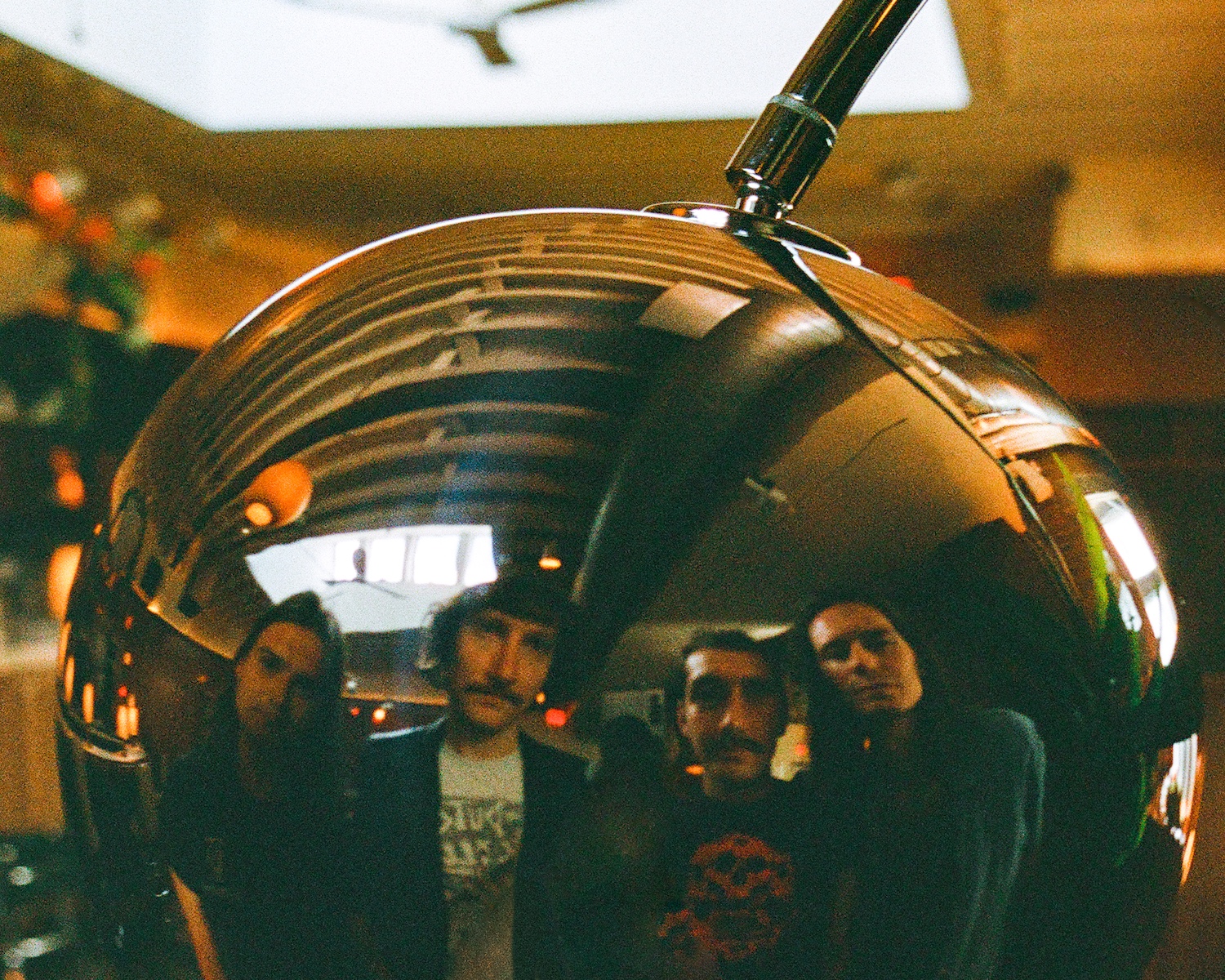
The music races in the opposite direction, and that friction is deliberate. “I’ve never really been interested in the idea that sad lyrics require sad music,” Tressider says. “Sometimes putting something painful inside music that makes you want to move can make the feeling hit you harder, like smiling through the pain.” That philosophy is all over “Amy”: the rhythm section keeps charging ahead, the guitars flash with life, and the chorus practically leaps out of the speakers while Tressider’s head remains lodged somewhere miles and years away.
The deeper you listen, the brighter surface starts to crack. That memory carries more ache than “Amy” initially lets on. Tressider sings, “Oh I act so good / But I feel so bad / I’m not the only one in this desert land,” then reaches for a person who already seems halfway gone: “I need to be with you / But I’m all alone / I wish I could call you on the telephone.” The chorus packages all that longing inside one of the year’s most immediately lovable refrains, bouncing between devotion, frustration, and gallows humor as “I would push up daisies for you” eventually gives way to “Just leave me all alone / Oh, please just go.”
The irrational swing is exactly how Tressider remembers longing working: Wanting somebody desperately, resenting the power they hold over you, then laughing at how absurd your own inner monologue has become. He calls “I would push up daisies for you” deliberately melodramatic, almost ridiculous – the kind of line that belongs to a mind consumed enough to lose all dignity. The Madelines wisely leave the contradiction unresolved. Desire can be romantic and embarrassing within the same breath, and “Amy” gets a huge part of its spark from refusing to clean that mess up.
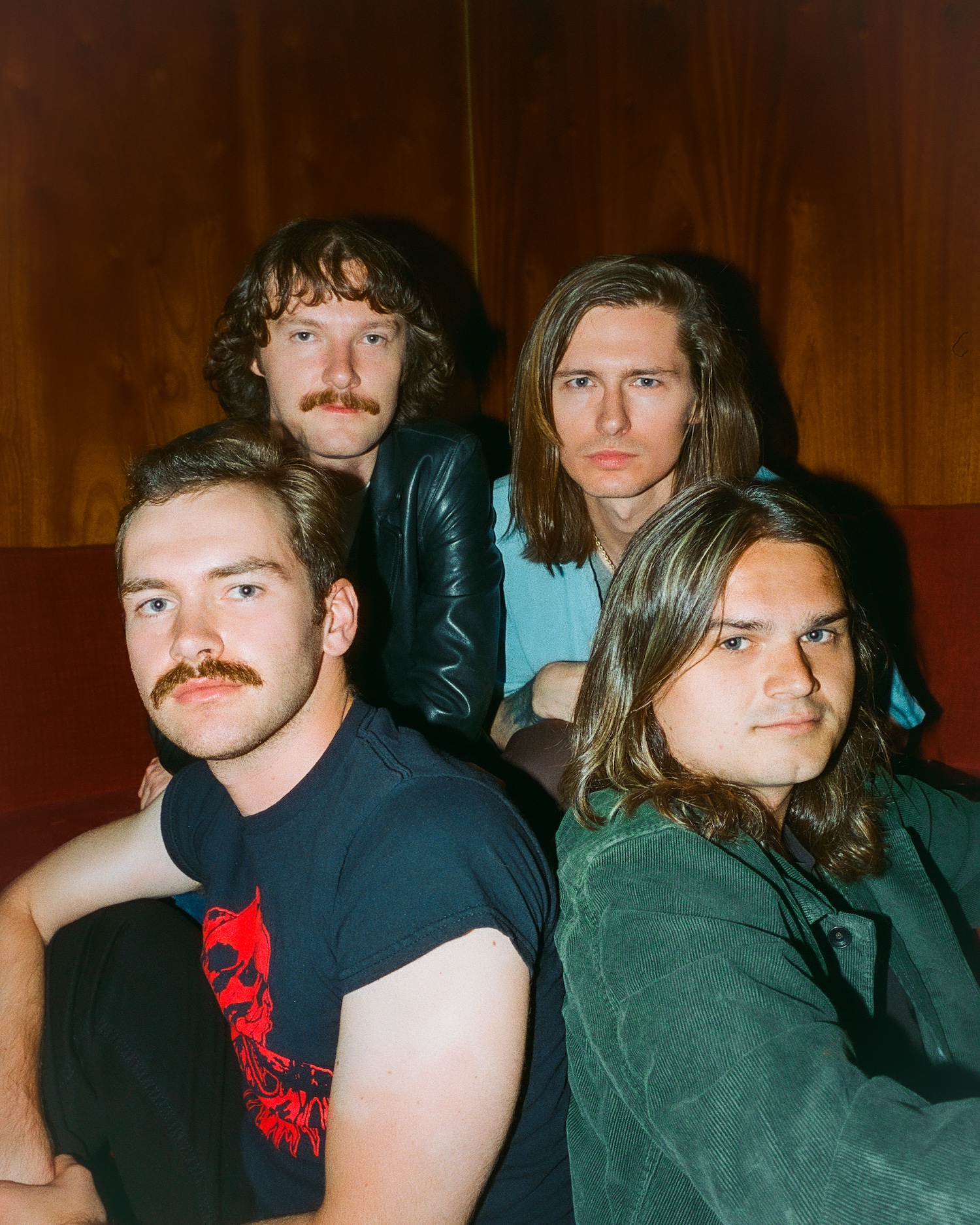
The band’s fingerprints deepen that tension everywhere you look. Franco approaches bass melodically and rhythmically, drawing on players like Flea and John Paul Jones; Taylor brings a pianist and saxophonist’s harmonic imagination to guitar, regularly working in alternate tunings that collide with Tressider’s more straightforward parts; Barrett can completely alter the pressure of a song through where his drums sit and how aggressively he pushes against it. The result is music Tressider can start but can no longer entirely predict. “That’s probably the most exciting part of the band for me now,” he says. “Bringing in something that I think I understand or have a clear direction on where I want the song to go, and twenty minutes later it doesn’t belong entirely to me anymore, and it’s usually something way more beautiful.”
That same surrender helped Tressider understand what Amy had become beyond its title track. His parents recently digitized a vast collection of old home movies stretching back to the 1950s and ’60s, and he found himself watching his mother at her second birthday, his grandparents as young adults, his great-grandparents walking around their turkey farm in Oklahoma, and decades-old footage of Paris, New York, Mexico City, and Antwerp. The images gave physical form to an obsession already running through the album: people and places preserved exactly as they were, long after life itself has moved on. “I also don’t think nostalgia has to mean wanting to go backward,” Tressider says. “There’s a lot of looking back on Amy, but I love my life in the present and I’m extremely optimistic about the future.” Finishing the record, he adds, helped him finally stop carrying some of these memories around.
Anyone expecting three more shots of the title track is in for a much stranger ride. “Definitely not three more versions of ‘Amy,’” Tressider laughs when asked about the remaining singles. “Brickweed,” due October 6, is a short, scrappy surf-rock jolt; “MAMA” comes out of a Franco-Barrett jam and hits with a looser, more aggressive charge; “Sick Day” reaches toward strings, timpani, piano, and keys, opening up one of the record’s most emotionally intense corners. The variety is intentional. Tressider would rather leave listeners slightly confused about what Amy might sound like than give away its entire hand with one single, and Alex Taylor describes the album as a “sprinkling” of the band’s ideas – a snapshot of where they began and where they’re already headed.
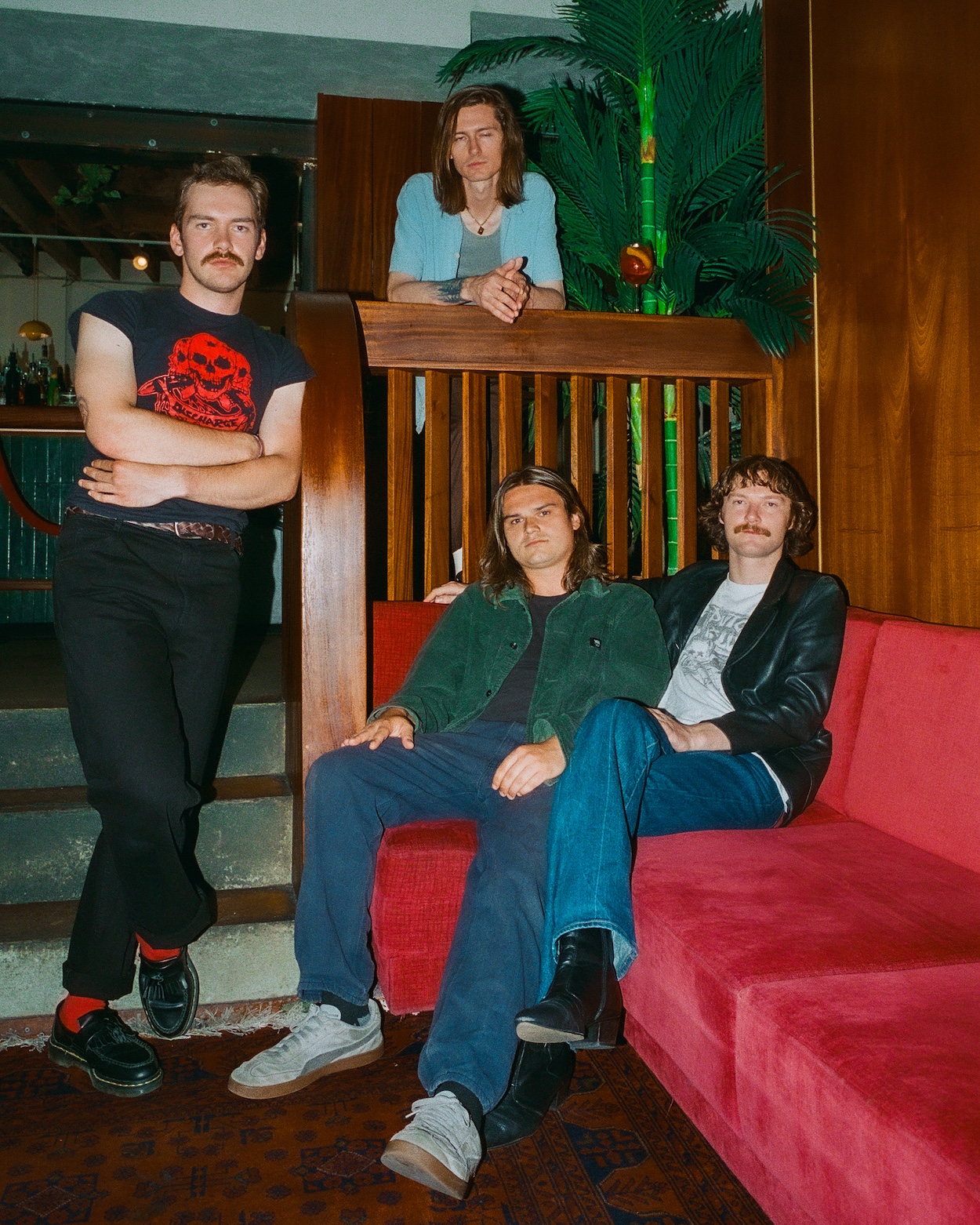
For a song so tangled up in memory, release itself has become one final act of letting go.
“For me, putting it out has been strangely freeing,” Tressider says. “You can carry a song around for so long that it starts to feel like part of your private life. Once other people hear it, it doesn’t really belong entirely to you anymore. People attach their own memories to it. I think that’s probably the best possible ending for a song that started with me being stuck inside my own memories.”
By the song’s final stretch, joy and hurt are running side by side. That push and pull is exactly what gives “Amy” its charm. The past hurts; the guitars grin anyway. The Madelines take homesickness, distance, and a memory that refused to disappear and send them racing through radiant chords and restless rhythms, leaving behind a song that practically begs to be blasted with the windows down. “Amy” may look backward, but everything about the way this band plays it points forward – and it’s hard to imagine a more fun introduction to wherever The Madelines go next.
— —
:: stream/purchase Amy here ::
:: connect with The Madelines here ::
— —
Stream: “Amy” – The Madelines
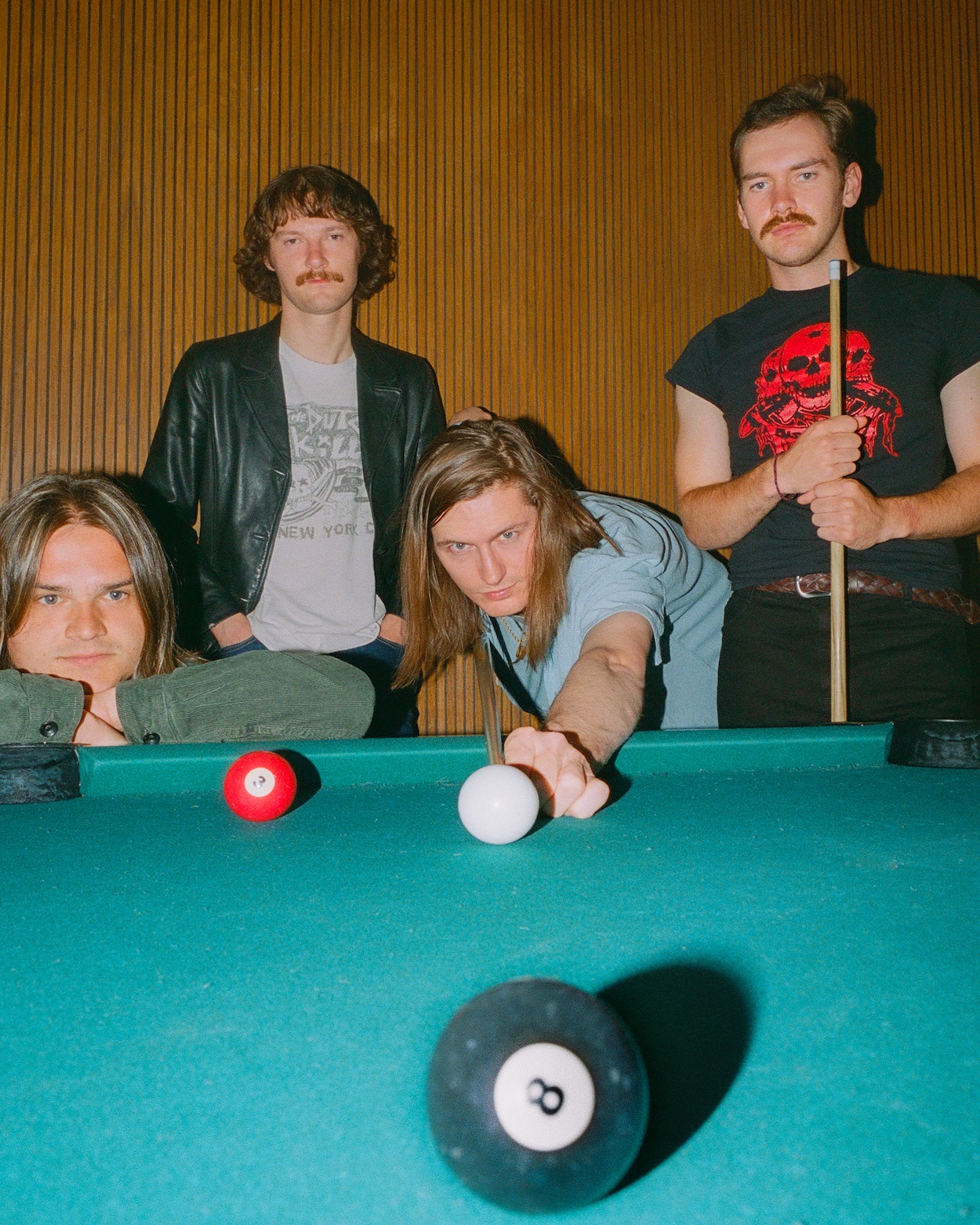
A CONVERSATION WITH THE MADELINES

Atwood Magazine: The Madelines, hello and thank you for your time! For those who are just discovering you today, what do you want them to know about the band and your music?
Alex: You’re so welcome, and thank you for having us! That’s a hard question. We’re definitely all good buddies and we’ve been playing together for almost 2 years, at least in this iteration of the band. We’ve definitely gotten closer through playing and we have a lot of new music on the way. We’ve been dialing in our sound and the way we approach writing together now. I like making more surf-sounding music.
Owen: I think the main thing is that we’re four people who really love being in a band. We take the music really seriously without taking ourselves too seriously. I typically have written most of the songs, but lately, when I bring something into the room it gets pulled apart and rebuilt with Ralph, Alex and Jack, and then I kind of go home tinker around, rearrange things, and it usually ends up somewhere I wouldn’t have gotten to on my own. I think my favorite way to write is taking an idea Alex or Ralph might have and expanding on it, I think that’s been a really productive way of writing new songs.
We also don’t really want to limit ourselves, or for there to be one prescribed idea of what a Madelines song is supposed to sound like. There are definitely common threads that connect everything, but hopefully the main connection people feel is the four of us playing together more than it is a particular genre. I think I would want people to know that we’re just being ourselves and doing this because we love it, and I think it keeps us sane.
How did The Madelines come together – what’s your origin story, and why the band name?”
Owen: The band came together pretty slowly. The long version is I’d been writing and recording songs on my own for years, and one night I played this show at Bushwick Public House, (which is now closed,) and it was just me playing guitar to backing tracks, and I met our original drummer, Spencer Krush who was playing in another band called The Kindergarden. I was trying to meet people who shared my vision, and Spencer introduced me to his longtime friend from school, Ralph Franco. When Ralph and I got together, it was just an easy, immediate chemistry, and it was the same feeling when I met Alex, who joined not too long after Ralph. And then when Spencer left the band, Ralph immediately called up Jack, who he’s known since high school, and the rest is history. Ralph and I have definitely seen the lineup change quite a bit over the years, but when it boiled down to just us four guys, that was really when it started feeling like The Madelines rather than playing my songs with other people. The name of the band was kind of interesting, it was actually suggested by Ralph’s girlfriend at the time.
Ralph: We were all sitting at this shitty sports bar in the Financial District after we showed up to do a podcast interview that never happened. At the time we were still playing under Owen’s name and we were like “we gotta nail down a band name.” Everyone in the band except Owen was dating someone named Madeleine, and when we were brainstorming ideas, the name “The Madelines” got thrown out and it just made sense. It felt right.
Owen: It was the only suggestion where I could immediately picture the name written in giant letters behind us, so that pretty much sealed it. For me, there’s also a more personal connection. My mom had an aunt named Madeleine in Paris who was a really important person in her life, so I liked that the name happened to connect with my family history as well.
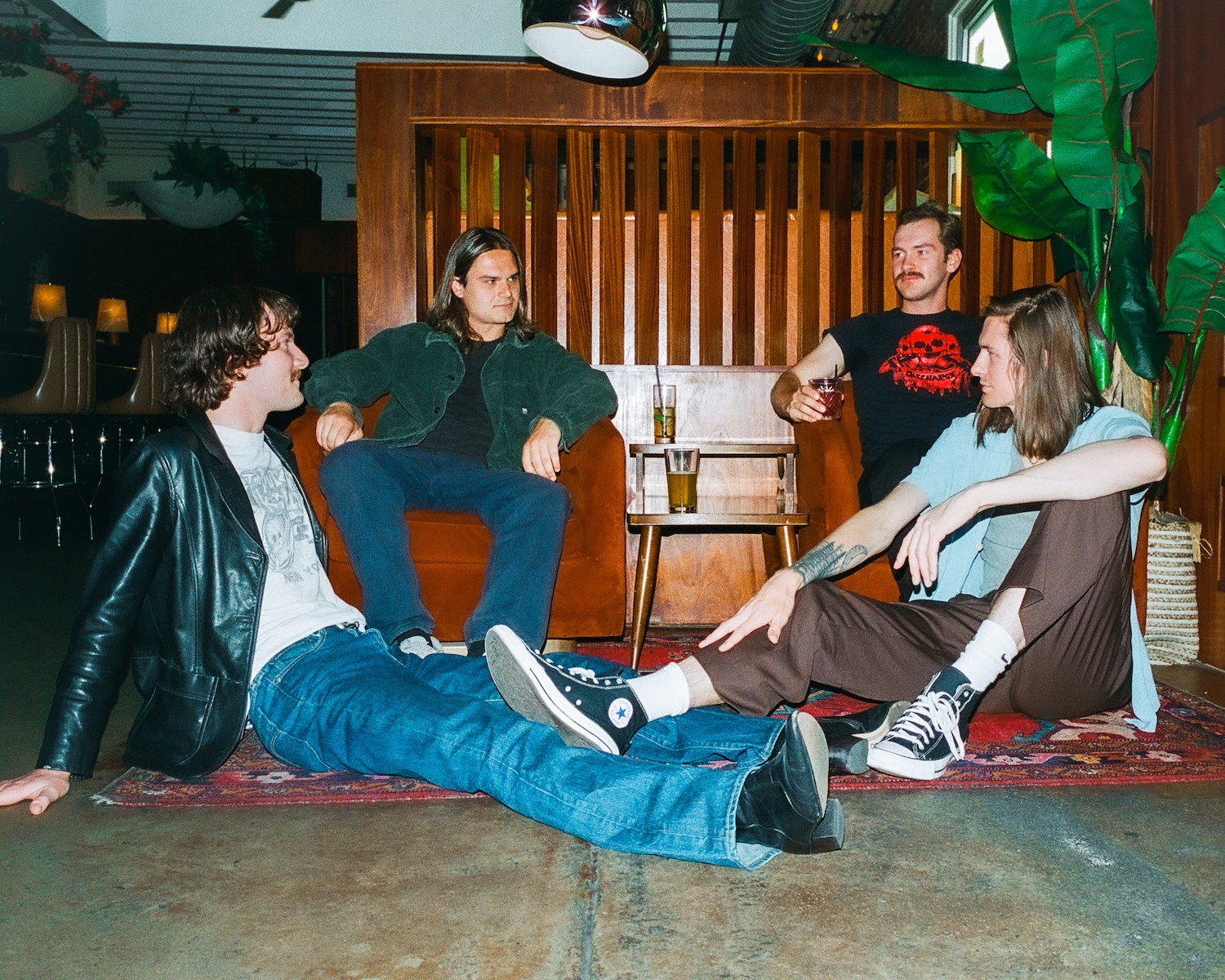
“Amy” is the title track from your forthcoming debut album. Why did this feel like the right song to introduce yourselves and this record?
Alex: It’s ear wormy, it’s catchy, and it feels to me like the song rounds out the album and glues it all together.
Owen: It just felt like the center of the record. It wasn’t necessarily a calculated decision where we sat down and decided which song was the most commercially sensible introduction to the band. “Amy” just feels like it contains a lot of what the record is about: memory, longing, romanticizing the past, wanting to go back somewhere while knowing you can’t, or probably shouldn’t.
Musically it felt right too because it’s just immediate. You don’t have to know the story behind it to enjoy it. Hopefully you can just hear the guitars and the chorus and have fun with it, and then if you pay attention to the lyrics, there’s this much heavier thing happening underneath.
Owen, you’ve said “Amy” began with memories of being a teenager at boarding school in the Arizona desert: Lonely, homesick, and thinking about people and a life that felt far away. What’s the story behind this song?
Owen: Yep. I was sent away when I was pretty young and ended up living at a boarding school in the Arizona desert for about a year and a half, like 17 months total. It was incredibly isolated. I was thousands of miles away from home, and when you’re that age, a year and a half feels like an entire lifetime.
I remember lying awake at night and thinking about home and girls I’d known and all my friends, and these completely ordinary things that felt impossibly far away. When you can’t see people, you start mythologizing them. Somebody who maybe occupied a relatively small part of your life can become enormous in your imagination because they represent everything you’re missing and craving so desperately.
I wrote “Amy” so many years after that experience, but I was definitely accessing that feeling. The song isn’t necessarily meant to function as a literal portrait of one person. She became this container for a bunch of memories and people, and this version of my life that I couldn’t get back to. The first verse is probably the closest the song gets to the actual kid I was in Arizona.
I love how “Amy” wraps all that ache inside such a bright, hooky rush. What was your musical vision for this song?
Owen: I think that’s contrast is probably one of my favorite devices in music. I’ve never really been interested in the idea that sad lyrics require sad music. Sometimes putting something painful inside music that makes you want to move can make the feeling hit you harder, like smiling through the pain.
I wanted “Amy” to feel almost effortless – bright guitars, a driving rhythm section that’s chugging forward, and a chorus you could understand the first time you heard it. The music is maybe doing what I’m trying to do – keep moving while my head is somewhere else at times.
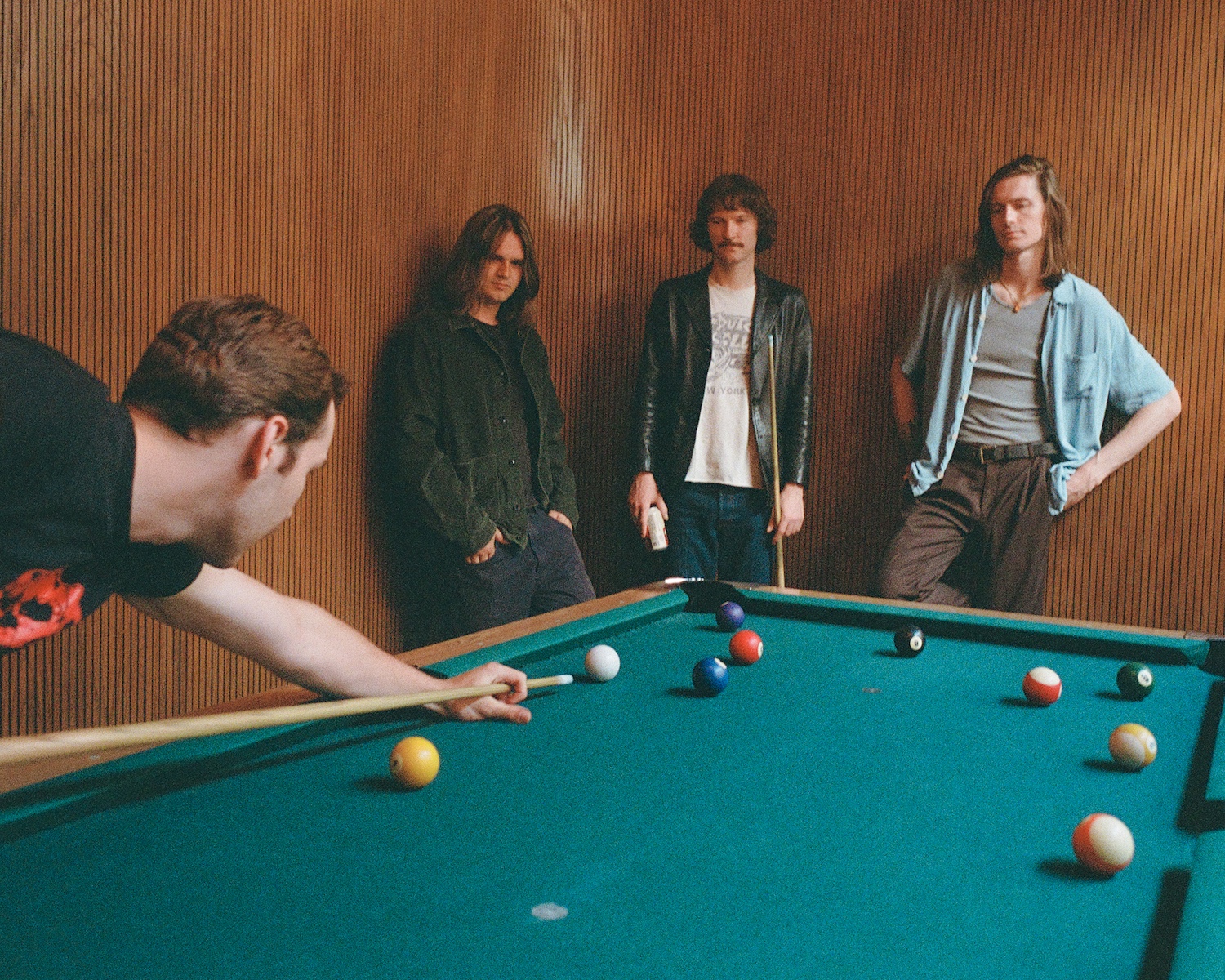
The chorus moves between longing, devotion, humor, and rejection: “Amy, I wonder why you hate me / I wish you would sedate me / I would push up daisies for you,” before later landing on “Just leave me all alone / Oh, please just go.” What were you trying to capture in that emotional push and pull?
Owen: Basically how irrational and intense longing actually feels. You can spend all day wanting somebody to call you and then the second they do, you might want them to leave you alone. You can convince yourself that somebody is “the one” or the most important person in the world and simultaneously resent them for having that much power over you.
And I think humor is a part of that too. “I would push up daisies for you” is so melodramatic to the point of where it’s a bit ridiculous, and I honestly like that. When you’re completely consumed by somebody, your internal monologue is usually not particularly dignified. I wanted the song to allow all of those feelings to exist at once rather than resolve them.
You’ve said the song looks backward, while the record represents finally being able to let these things go. What can you tell us about the world of your debut album Amy?
Owen: A lot of the record feels like opening a box of old photographs. The songs weren’t all written at the same time. Some of them followed me through totally different apartments, relationships, cities and versions of myself. When we finally recorded them and put them next to each other, I realized they were talking to each other in ways I hadn’t intended.
I’ve always been really drawn to the past in that way. Recently, my parents digitized this huge collection of old home movies, some of them going back to the 1950s and ’60s, and I’ve become kind of obsessed with watching them. I get to see my mom at her second birthday, my grandparents when they were young, my great-grandparents walking around their turkey farm in Oklahoma, all these people moving through a world that doesn’t exist anymore. My grandfather shot incredible footage in places like Paris, New York, Mexico City and Antwerp from the ’50s through the ’70s, and you might actually see some of it in visual work for the band going forward.
But there’s something really moving to me about being able to look backward so clearly like that. You’re watching people who had no idea what their lives were going to become, and seeing places before you ever knew them. I’m incredibly grateful that I get to see that stuff.
But I also don’t think nostalgia has to mean wanting to go backward. There’s a lot of looking back on Amy, but I love my life in the present and I’m extremely optimistic about the future. Making the album actually did the opposite of trapping me in the past. Finishing these songs and putting them into the world feels like finally being able to stop carrying some of these things around.
That’s part of why calling the album Amy made sense. The name became bigger than the person or the song. To me it represents this whole collection of people, places and memories that I had been holding onto.
Alex: The album is kind of a “sprinkling” of all of the ideas we’ve had, and I think each song has its own personality, but it’s still cohesive. It’s a mixture of where we started out and where we’re going, and you can hear us evolving and finding out what our sound is.
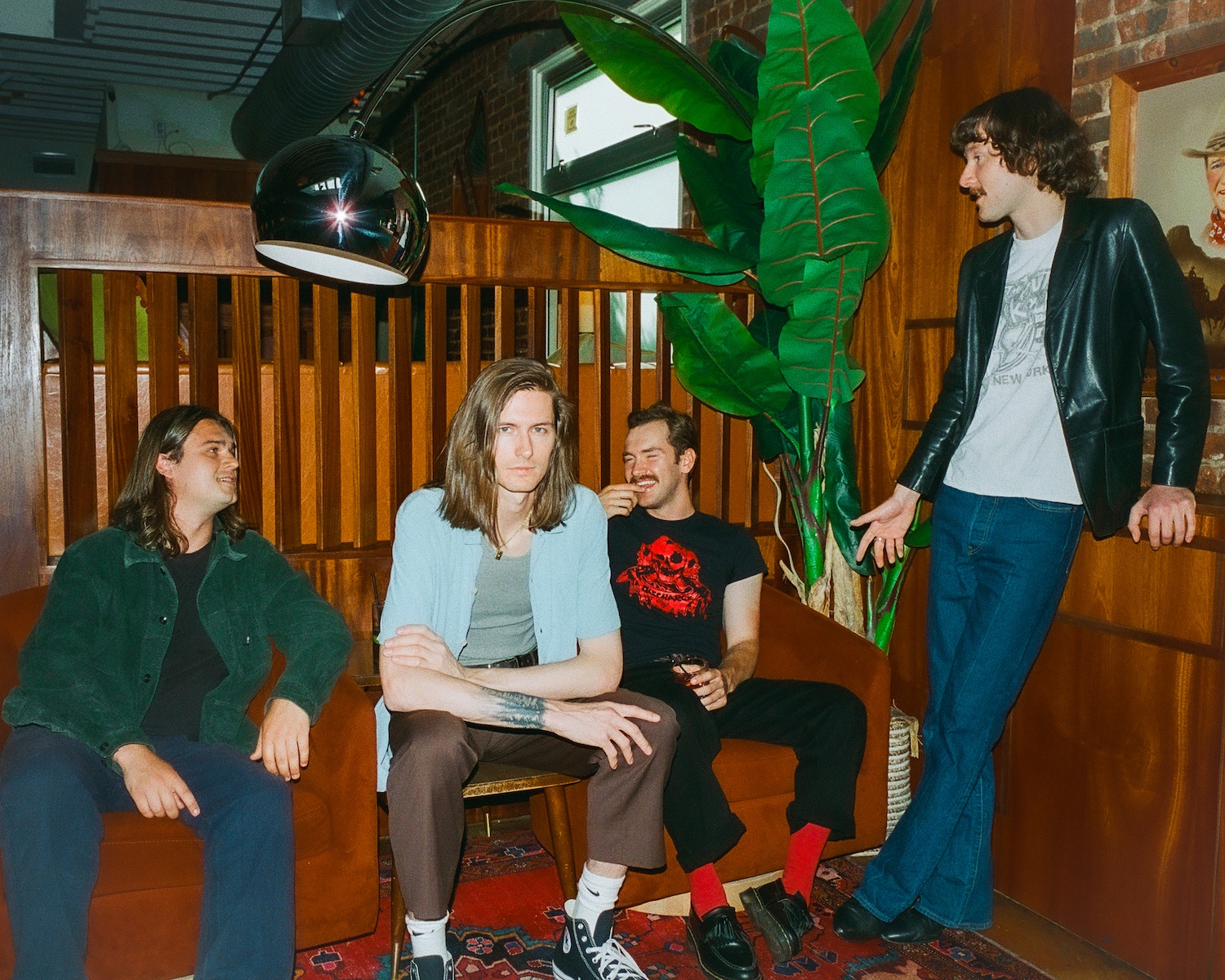
Some of these songs have followed you through different cities, relationships, apartments, bands, and versions of yourself. What changed once Ralph, Alex, and Jack started bringing their own voices into the music?
Owen: Everything, really. There’s only so much you can surprise yourself with when you’re playing every instrument. I can hear a bass part in my head, but Ralph is gonna hear something completely different. He loves Steely Dan and bassists like Flea and John Paul Jones, so he approaches the bass melodically and very rhythmically, where I might have just played the root or something less interesting.
Alex definitely brings a completely different harmonic perspective. He had actually only recently started playing guitar when we first started hanging out, but he went to school to study Saxophone and he’s an incredible piano player and knows so much about music, so he came to the instrument without a lot of the weird habits guitar players tend to fall into. He also loves alternate tunings and almost never plays in standard. A lot of the time I’ll be playing something pretty straightforward in standard while he’s in some completely different tuning, and it’s just a different universe. The way our two guitars sit on top of each other creates this color and texture that I don’t think we’d get if we were both approaching the instrument the same way.
And then Jack completely changes the vibe of something just by deciding where the drums sit or how hard he pushes against the song. He’s extremely talented and can play anything I try and throw at him. Being a drummer myself, my standards are so high, but he continually impresses me and he’s truly the rhythmic backbone of the band. Given how fast he has to play sometimes, his stamina is just so impressive.
That’s probably the most exciting part of the band for me now. Bringing in something that I think I understand or have a clear direction on where I want the song to go, and twenty minutes later it doesn’t belong entirely to me anymore, and it’s usually something way more beautiful.
“Amy” is the first of four singles leading into the album. What can people expect from the rest of the songs you’ll be sharing?
Owen: Definitely not three more versions of “Amy.” The next few singles show pretty different sides of the record. “Brickweed,” our next single, is this really short, scrappy surfy song. It’s coming out October 6th, and I can’t wait to share this one. The third single “MAMA” is much more aggressive and kind of loose. It came out of Ralph and Jack jamming together, so it’s just pure energy. The fourth and final single, “Sick Day” goes in a more cinematic direction with strings, timpani, piano and keys, and it’s definitely the most emotionally charged song in my opinion.
Variety is definitely important to us. I’d rather somebody hear four singles and be slightly confused about what the album is going to sound like than know exactly what they’re getting after the first one. But I will say, all these songs sound like they’re from this album, if that makes sense.
Who are some of your musical north stars, and what are you most excited about the music you’re making now?
Owen: I think I have to go with Marc Bolan/T Rex. I love Marc Bolan, and the albums, “Electric Warrior,” and “The Slider” are perfect albums to me. The Velvet Underground are probably always going to be somewhere in there for me, especially Lou Reed as a songwriter and John Cale just as an artist. Bob Dylan also is a huge influence in terms of how I go about writing. Most of the time when I’m trying to come up with lyrics, I’ll just sing stream of consciousness lines until I find the right words, almost like “Ballad of a Thin Man.” The Libertines were also hugely influential to me growing up, and I remember being like 10 years old when Babyshambles “Shotter’s Nation” came out and I was completely infatuated with Pete Doherty for years, and his relationship with Carl Barat as well as his life outside of music. The Beatles are kind of the obvious answer, but they’re probably the biggest example of a band giving themselves permission to change constantly.
What I’m most excited about right now is actually hearing less of my own record collection in the music. The newer songs we’ve been working on are becoming much more collaborative. Ralph, Alex and Jack are bringing in so many more ideas, and we’re discovering things together instead of me showing up with something that’s basically already finished. It feels like the definition of The Madelines gets wider every time we write something.
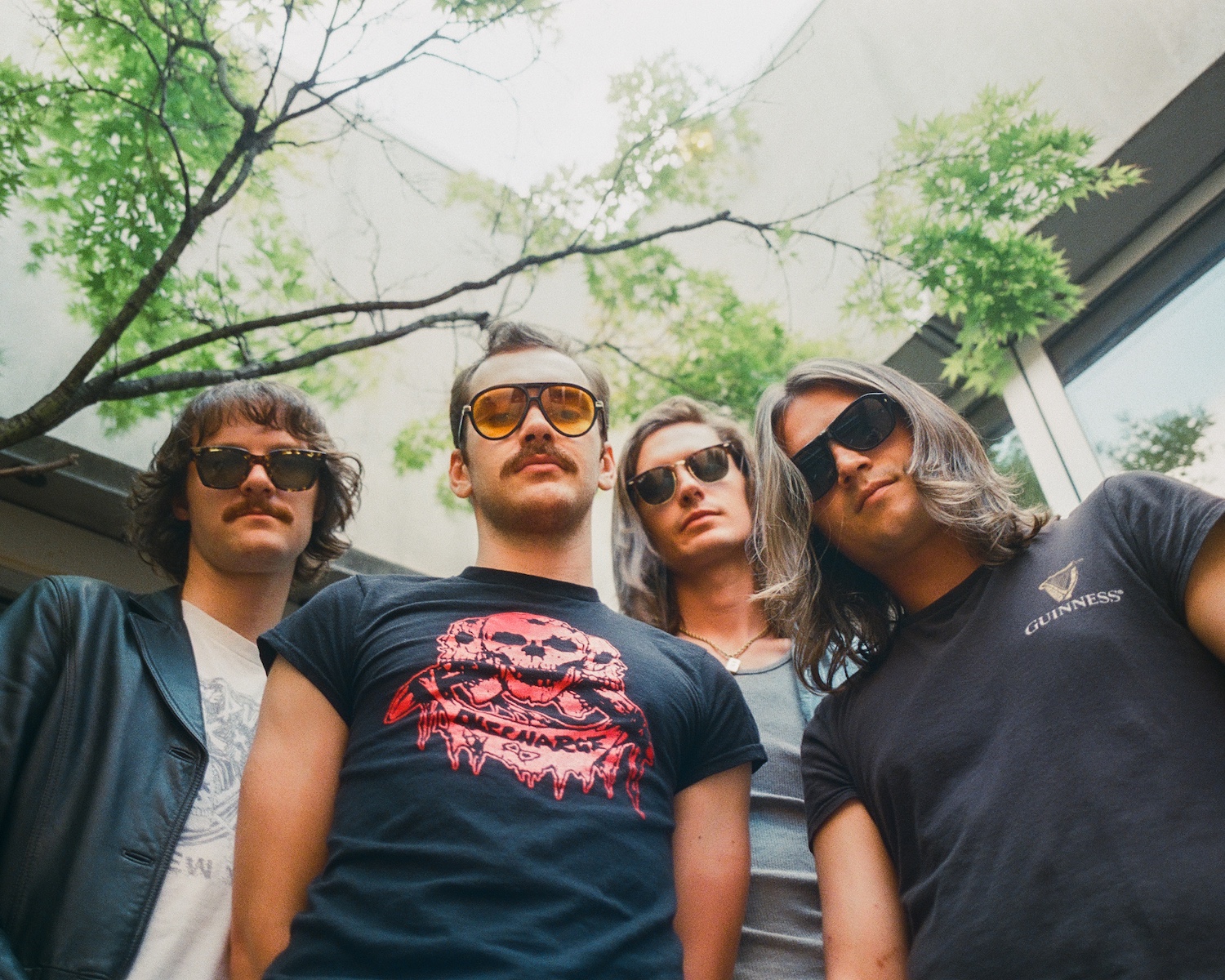
What do you hope listeners take away from “Amy,” and what have you taken away from creating this song and now putting it out?
Owen: I don’t know if I want to tell somebody what they’re supposed to take away from it. If somebody hears Amy and it reminds them of a person they haven’t thought about in ten years, that’s probably enough for me. Or if they just blast it in their car and like the chorus, that’s fine too.
For me, putting it out has been strangely freeing. You can carry a song around for so long that it starts to feel like part of your private life. Once other people hear it, it doesn’t really belong entirely to you anymore. People attach their own memories to it. I think that’s probably the best possible ending for a song that started with me being stuck inside my own memories.
In the spirit of paying it forward, who are you listening to these days that you’d recommend to our readers?
Owen: I’ve been listening to a lot of my friends’ music lately. They’re honestly all really talented and it’s one of the best parts of living in New York right now. The love of my life, O Slow just put out a new record called Antenna that is just so beautiful, I can’t stop listening – it’s my girlfriend Jacqui’s project, and I actually recently started playing drums for her project. Astoria’s new single “See U in the Dark” has also been on repeat and is also beautiful. Factory Reset by Retail Drugsis just an awesome album, and really anything by Laveda is great. I’d also shout out Same Vein, (another project where I play the drums), Death Drive, Untitled Freak, Colle, Monobloc and Bruiser and Bicycle. There are so many people around us making genuinely exciting music right now.
Outside of my friends music and my regular rotation of revolving albums, I’ve been listening to a lot of Iceage and Elias Rønnenfelt lately. Plowing Into the Field of Love is one of those records I keep coming back to. I’ve also been listening to YHWH Nailgun, Wet Leg, Clairo, Chanel Beads, Slayyyter, and Kim Gordon. Her newest record Play Me has been a big one for me since it came out.
That’s probably already way too many recommendations, but I could keep going. Thanks so much for the thoughtful questions.
— —
:: stream/purchase Amy here ::
:: connect with The Madelines here ::
— —
Stream: “Amy” – The Madelines
— — — —
Connect to The Madelines on Instagram
Discover new music on Atwood Magazine
© Mars Alba
 © Mars Alba
:: Today’s Song(s) ::
follow our daily playlist on Spotify
:: Stream The Madelines ::