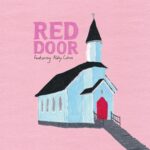
Nashville singer/songwriter James Droll reclaims the stories he was once taught to hide through Big Guy & The Very Large Men, channeling them into dreamy, campy, and y’allternative music that celebrates the glorious mess of being alive. On the achingly beautiful “RED DOOR” ft. Abby Cates – premiering exclusively on Atwood Magazine – he offers a bittersweet love letter to the city that broke his heart and became his home, carrying the fearless storytelling of his debut EP ‘soft hands, hard times’ into a compelling new chapter with the forthcoming ‘PERMADEATH.’
Stream: “RED DOOR” – Big Guy & The Very Large Men
The difference between a cautionary tale and a hell of a good song often comes down to who’s telling the story.
Big Guy & The Very Large Men has made an art of saying the things James Droll spent years being taught to hide. His songs confront life’s indignities with a wicked grin and an unflinching eye, making room for both the laughter and the lasting wounds of a life spent learning to exist on his own terms. This summer’s debut EP, soft hands, hard times, introduced a wonderfully offbeat voice in Nashville – a proudly queer songwriter whose self-described “dreamy, campy, y’allternative” music challenged conventional masculinity while embracing the messy business of loving and being loved. On his beautifully tender and achingly bittersweet single “RED DOOR,” that irreverent spirit casts a knowing eye on Nashville, revisiting the music industry’s absurdities and the familiar rituals of its nightlife with the hard-earned affection of a man who’s spent a decade building a life in a city he never expected to call home.
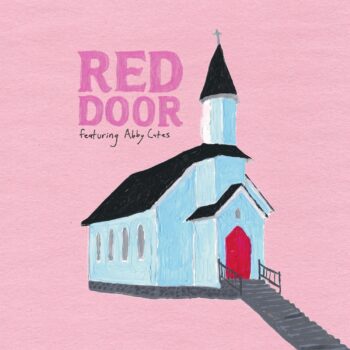
Atwood Magazine is proud to be premiering “RED DOOR,” the wistful, wryly affectionate new single from Big Guy & The Very Large Men featuring Abby Cates. Following August’s lovesick “me you and her,” the song arrives alongside the announcement of PERMADEATH, the project’s sophomore EP, out November 13, 2026. The forthcoming record marks another chapter in Droll’s fiercely individual musical world, where personal confession and outrageous humor collide with a songwriter’s gift for making even the messiest experiences worth singing about.
“RED DOOR” invites us to pull up a chair beside James Droll and watch Nashville put on a show.
Midtown Nashville comes alive through a parade of colorful characters and all-too-familiar rituals. Droll opens with a flirtatious “what’s your sign,” quickly revealing a night of drinking on somebody else’s dime, before welcoming us into a world of industry hopefuls, inflated self-importance, and the peculiar social theater of Music City. His observations are pointed, but there’s a weary recognition beneath the wit. When he sings, “it’s a 10 year town / but you gotta pay to play,” an evening at the bar becomes a portrait of an industry where everyone seems to be chasing a dream, and the cost of pursuing it can be painfully personal.
Droll is perfectly willing to include himself among the people he’s lampooning. The song’s deliciously self-deprecating bridge – “Don’t measure up to my great expectations / Someone should tell everyone I’m a star” – exposes the insecurity beneath all that posturing, implicating the singer in the very culture he’s observing. And yet, for all its barbed commentary, “RED DOOR” carries an unmistakable sweetness. Warm acoustic guitar and glistening piano cradle Droll and Cates’s voices, which ache and intertwine with a dreamy, disarming intimacy. The arrangement grows gradually and gracefully, with strings rising out of the darkness, additional voices enriching the harmonies in the second verse, and drums entering with a soft but sturdy pulse that gently carries the whole performance forward. There’s an endearing sense of familiarity here, the recognition that even our most frustrating experiences can become precious when they’re woven into the fabric of our lives.
For Droll, the song’s inspiration comes with its own gloriously improbable origin story.
“Let’s set the scene…We’re on the patio at Red Door Midtown and my friend Megan is doing my star chart over a glass of cabernet while the lead singer of one of my favorite bands growing up walks out of the bathroom looking like he fell face first into a snowdrift (it’s July),” he tells Atwood Magazine. “Nashville isn’t where I thought I’d end up, but it’s the devil I’ve known for the last 10-plus years, and it feels like home.”
The road to that Nashville patio began hundreds of miles away, in Pleasantville, Ohio, where Droll grew up on a llama farm in a working-class family of seven. His father spent more than fifty years working on the railroad to support the family, while their deeply religious upbringing exposed James to a restrictive understanding of identity, masculinity, and what it meant to live a respectable life. For a queer kid growing up in the evangelical church, self-expression came with consequences. The incongruous details of his childhood – a place called Pleasantville, a farm full of llamas, and a young man struggling to reconcile who he was with who he’d been taught to become – would eventually provide rich material for his songwriting.
His path toward Music City was anything but straightforward. After a stint at the University of Cincinnati, Droll started a band, navigated the difficult process of coming out, worked overnight shifts at Walmart, and eventually followed a relationship south to Tennessee. Over the years, he established himself as an accomplished songwriter, signing a publishing deal with Prescription Songs in 2018 and earning credits on music by Vintage Culture, gavn, and Joy Oladokun, including her Noah Kahan collaboration “We’re All Gonna Die.” Long before Big Guy & The Very Large Men emerged, Droll had already built a career helping bring other artists’ songs to life. Creating his own project offered an entirely different kind of opportunity: The freedom to put his experiences, personality, and perspective at the center of the music.
“The vision came into focus when I stopped making music based on the expectations of the people around me,” Droll explains. “I am a queer, former Hot Topic employee who grew up in a cult varietal of non-denominational American Christianity. So, I’ve spent a lot of time looking into the eyes of people who see someone they feel bad for and I just don’t see myself that way. If the colloquial ‘you’ tells my story, it’s gonna be REALLY sad. If I tell my story… Then it’s a dynamic expression of love… full of grit, empathy, joy, laughter, and curiosity.”
Big Guy & The Very Large Men became a home for the full breadth of that personality, giving Droll the creative freedom to embrace the contradictions and eccentricities that make his experiences uniquely his own. His songs carry the craft of a seasoned Nashville writer alongside the irreverence of an artist delighted to challenge the rules, expectations, and conventions that once constrained him.
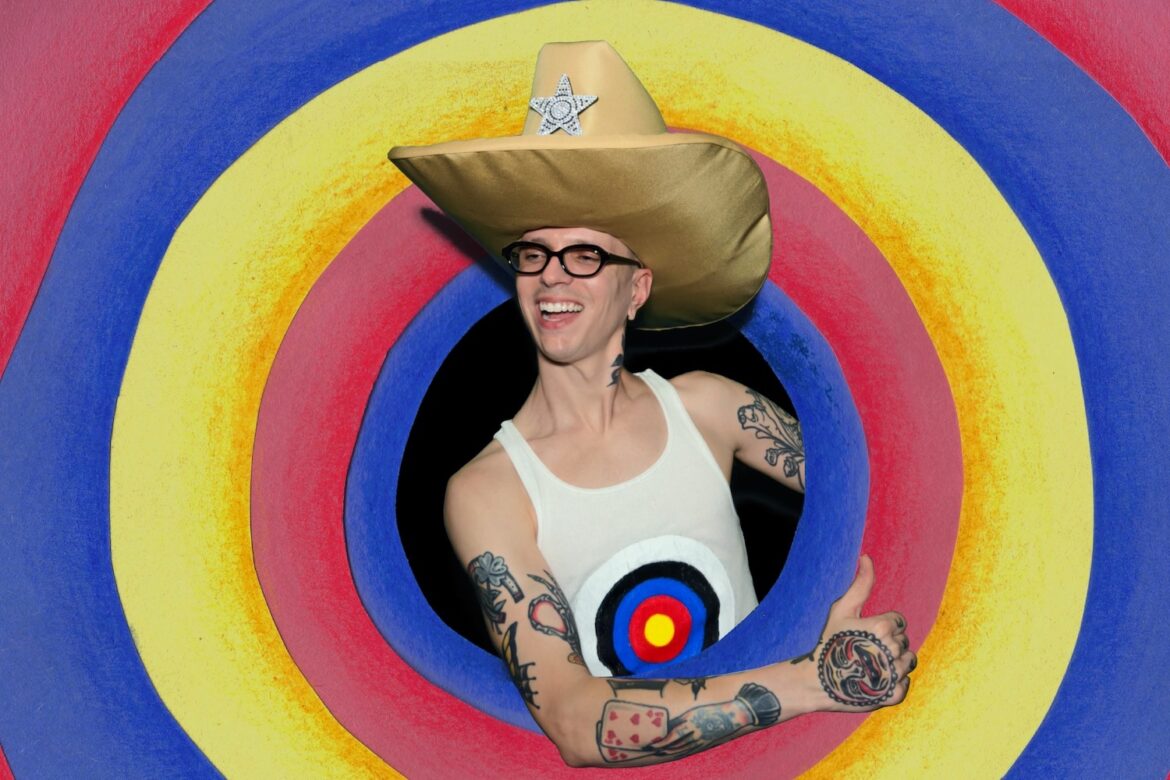
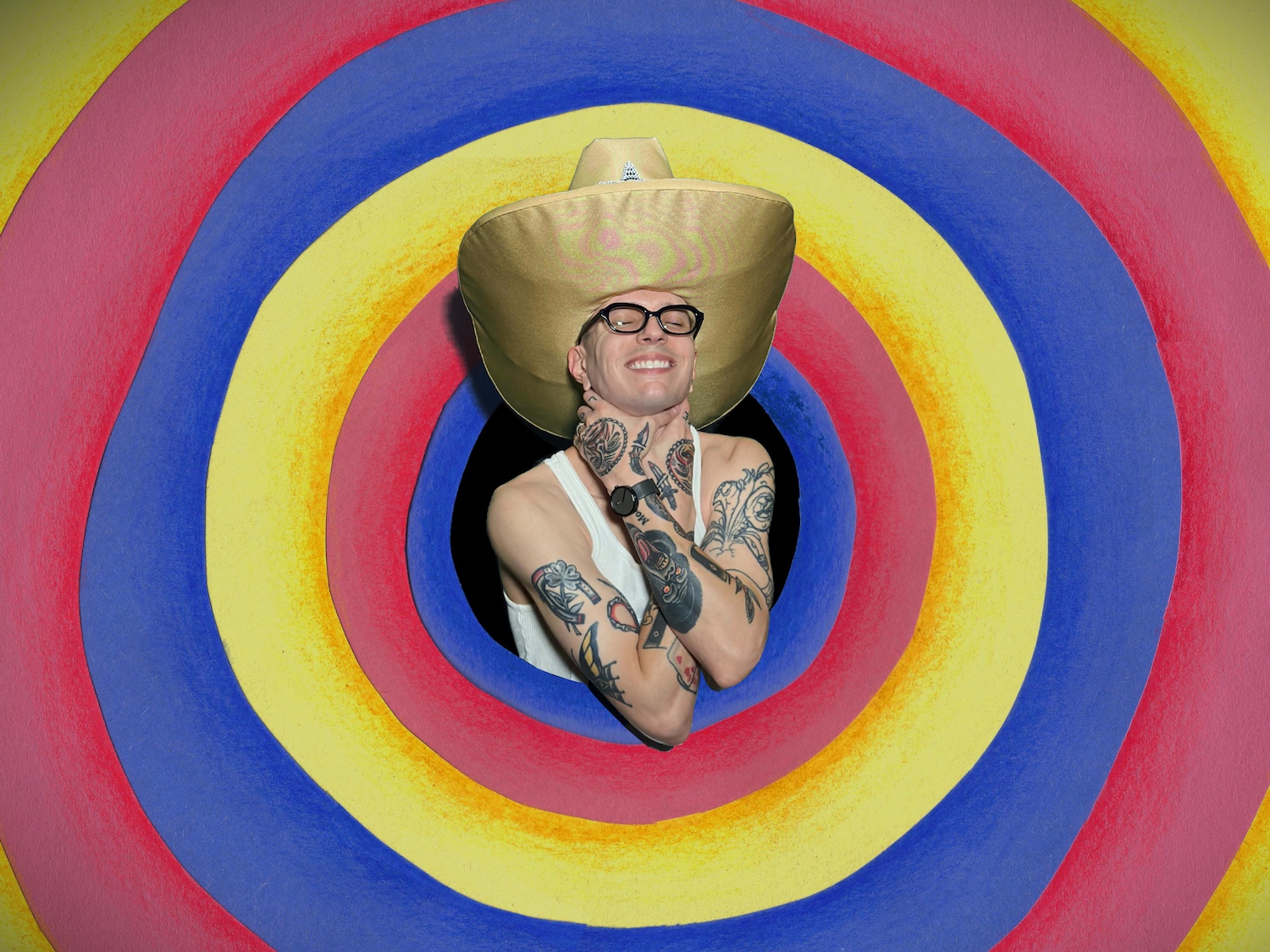
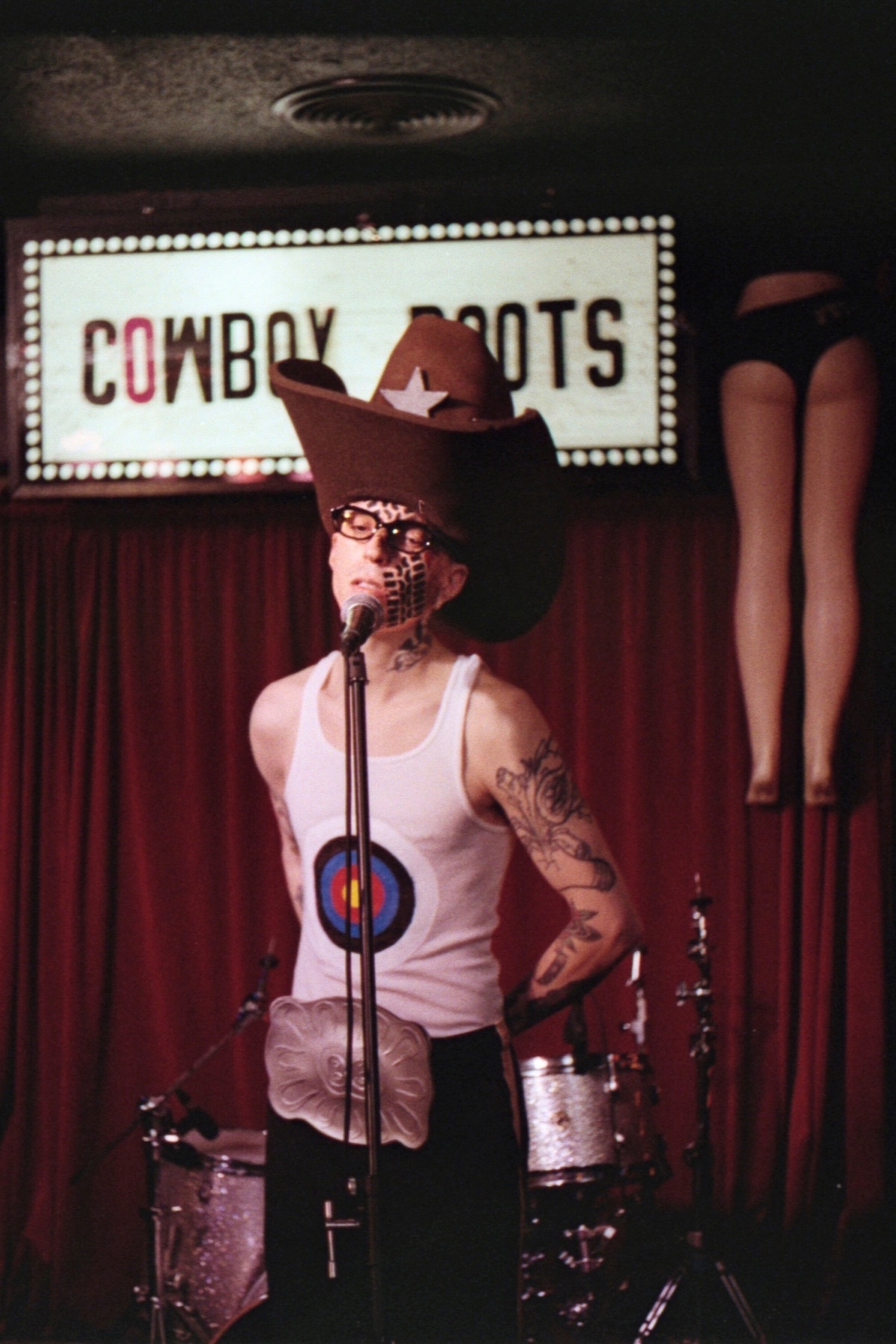
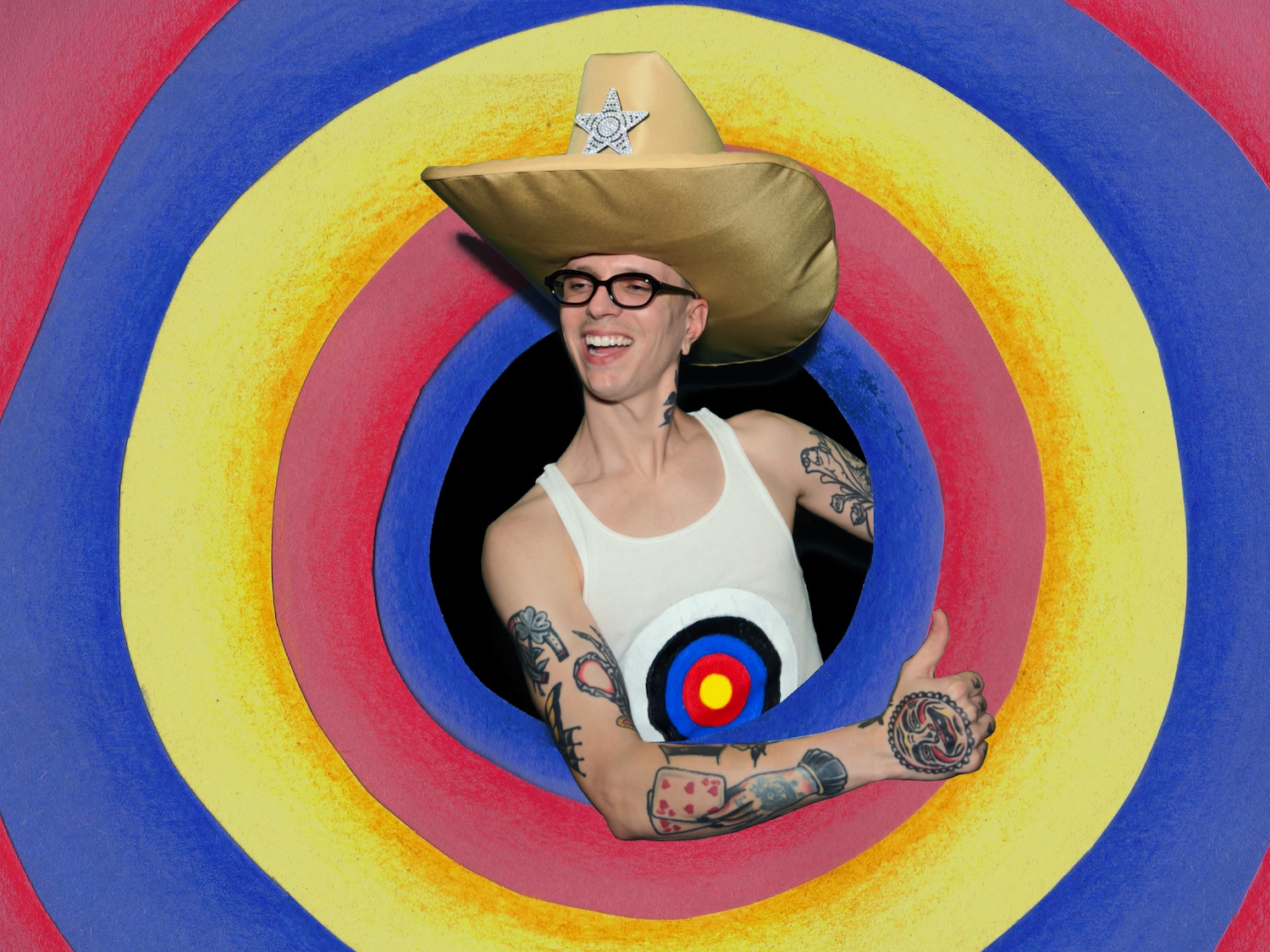
Even his comically oversized cowboy hat gets in on the act, transforming a familiar symbol of country masculinity into a playful expression of individuality. And with soft hands, hard times, he introduced that perspective through an intimate collection of stories – beginning with an encounter at a Nashville bar that would give the debut EP its name.
The name soft hands, hard times began with a stranger’s handshake and a judgment Droll refused to swallow.
At a Nashville bar, a man recoiled at the softness of his hands, treating an ordinary gesture as an indictment of his masculinity. Droll took that encounter, and the assumptions behind it, back to the studio. Joined by Maddie Medley’s ethereal backing vocals, the title track reclaims a familiar insult with the subversive refrain, “Gotta have a little grit to keep your loafers light.” And when he sings, “Can’t have blood and sweat and tears if you never cry,” he challenges the very notion that strength requires emotional restraint. What began as a small act of judgment becomes a spirited affirmation of the courage it takes to remain sensitive in a world that so often demands otherwise.
This defiant spirit extends throughout the record, particularly in Droll’s accounts of queer love and the difficult realities of pursuing it. Featuring Fancy Hagood, “COWBOY BOOTS” grew out of a writing session in which Droll recounted his early dating experiences to two straight collaborators, whose horrified reactions became an unlikely creative spark. With a clarinet unearthed from storage finding its way into the recording, the song explores the danger of loving someone who’s afraid to acknowledge that love in return. “No, secrets don’t keep / They crack and bleed,” he sings, distilling the strain of a relationship built around concealment. “Only Sin” ventures further into that emotional territory, examining the painful consequences of loving another person while struggling to extend that same compassion to oneself.
Elsewhere, Droll explores devotion from a beautifully different angle. Written with his husband on his mind, “Junkyard Dog” transforms an unlikely romantic metaphor into an affectionate portrait of standing by someone through their hardest days. “When you’re missing parts / Feeling more scrap metal / When the paint starts chipping / Like a flower losing petals,” he sings, finding unexpected beauty in the image of a person who’s struggling to hold himself together. It’s striking and disarmingly sincere, much like its creator. Then there’s “SKINNY BITCH” (ft. swim team), a devastatingly candid account of being drugged at a Cincinnati gay bar shortly after coming out, and the friends who carried him home safely. The song confronts a frightening experience with impressive specificity, giving voice to a reality many queer people recognize while preserving the memory of those who showed up when he needed them most.
Droll’s gift for finding the extraordinary in everyday absurdity animates the rest of the EP. The sweetly spellbinding “Lucille” draws from bizarre encounters with his neighbors, including a woman wandering around in a nightgown in freezing weather and a house inexplicably missing its front door. “NICOTINE BUZZ,” meanwhile, reaches back toward Pleasantville, drawing on the stranger, darker corners of his childhood, with pedal steel and strings adding another dimension to the record’s musical palette. These songs reveal a writer equally captivated by the ridiculous and the revealing, someone who understands that even the most outlandish details can carry an entire history within them. Together, they round out an EP whose imagination, musical variety, and stunning emotional range refuse to be contained by any single definition.
Stepping back, the remarkable thing about soft hands, hard times is how rarely Droll lets anger or resentment dictate the terms of his storytelling, even when the experiences he’s recounting have given him every reason to be hurt.
“These songs represent my need to extend an olive branch to people too afraid to engage in these important conversations,” Droll says. “So this project is quite literally me, polishing a glass behind the bar at the intersection of smart and stupid to crack you a beer and ask you how your day was.”
Of all the stories on soft hands, hard times, “Only Sin” offers perhaps the most revealing connection to the city at the center of today’s premiere. The song revisits the relationship that first brought Droll to Nashville, when he was newly out of the closet and in love with a man who wasn’t ready to do the same. What began as an exciting new chapter gradually became a painful negotiation between his desire to love openly and his partner’s need for secrecy. “I remember the first time you told me to hide until the coast is clear,” he recalls, a devastatingly simple line that captures the experience of being pushed back into a closet he’d fought so hard to escape. And when he finally admits, “Couldn’t love myself the way that I loved him,” the confession cuts to the very center of the song, exposing the personal cost of giving another person so much of yourself that your own needs begin to disappear.
A decade later, “RED DOOR” finds Droll looking at Nashville from an entirely different vantage point. The city that once held so much heartbreak has become the place where he’s built a marriage, established a career, cultivated a community, and created an artistic identity entirely his own. Its contradictions remain as colorful and infuriating as ever, but the man observing them has changed. There’s a profound sweetness in that evolution: Having once arrived in Nashville for somebody else, Droll has spent the intervening years building a life that belongs to him. “RED DOOR” carries the perspective of someone who knows the city’s shortcomings intimately and has learned to love it anyway, celebrating the unlikely sense of belonging that comes from staying long enough to make a place your own.
That hard-earned sense of self sets the stage for PERMADEATH, the next chapter in Big Guy & The Very Large Men’s ongoing creative evolution. Droll offers a particularly evocative explanation of the forthcoming sophomore EP’s emotional origins, reaching back to the experiences and impulses that have shaped his perspective since childhood.
“PERMADEATH is a collection of songs that speak to the ‘volcano’ living inside every repressed queer kid who grew up chronically online at the dawn of the internet. They’re what my life is… big feelings and how I deal with them.”
Already, August’s “me you and her” and the newly unveiled “RED DOOR” offer two distinct expressions of that perspective. The former traces the frustrating geometry of a queer love triangle, its central refrain – “I want you / and you want her” – capturing the helplessness of desire that keeps missing its mark. The latter widens Droll’s gaze from romantic entanglements to an entire city’s social machinery, finding affection amid its bewildering rituals and relentless pursuit of success. Both reveal a songwriter keenly attuned to life’s contradictions, willing to implicate himself in the mess and draw out the complicated emotions beneath even his most incisive observations.
And 2026 has given Droll an increasingly visible platform for those stories. Earlier this year, Spotify’s GLOW program featured him alongside fellow queer Nashville artists Joy Oladokun, Medium Build, and Shane Stevens, recognizing a creative community whose perspectives are helping broaden the city’s musical identity. Big Guy & The Very Large Men’s second-ever live performance took place at Bonnaroo, followed by a monthly residency at Nashville’s beloved 5 Spot and an appearance at AmericanaFest. These milestones speak to the momentum gathering around a project that has quickly established its own character and sense of purpose. For a songwriter who spent years contributing to other artists’ successes, there’s a particular satisfaction in seeing his most individual work connect with an audience – and in watching the world he’s built around Big Guy continue to grow.
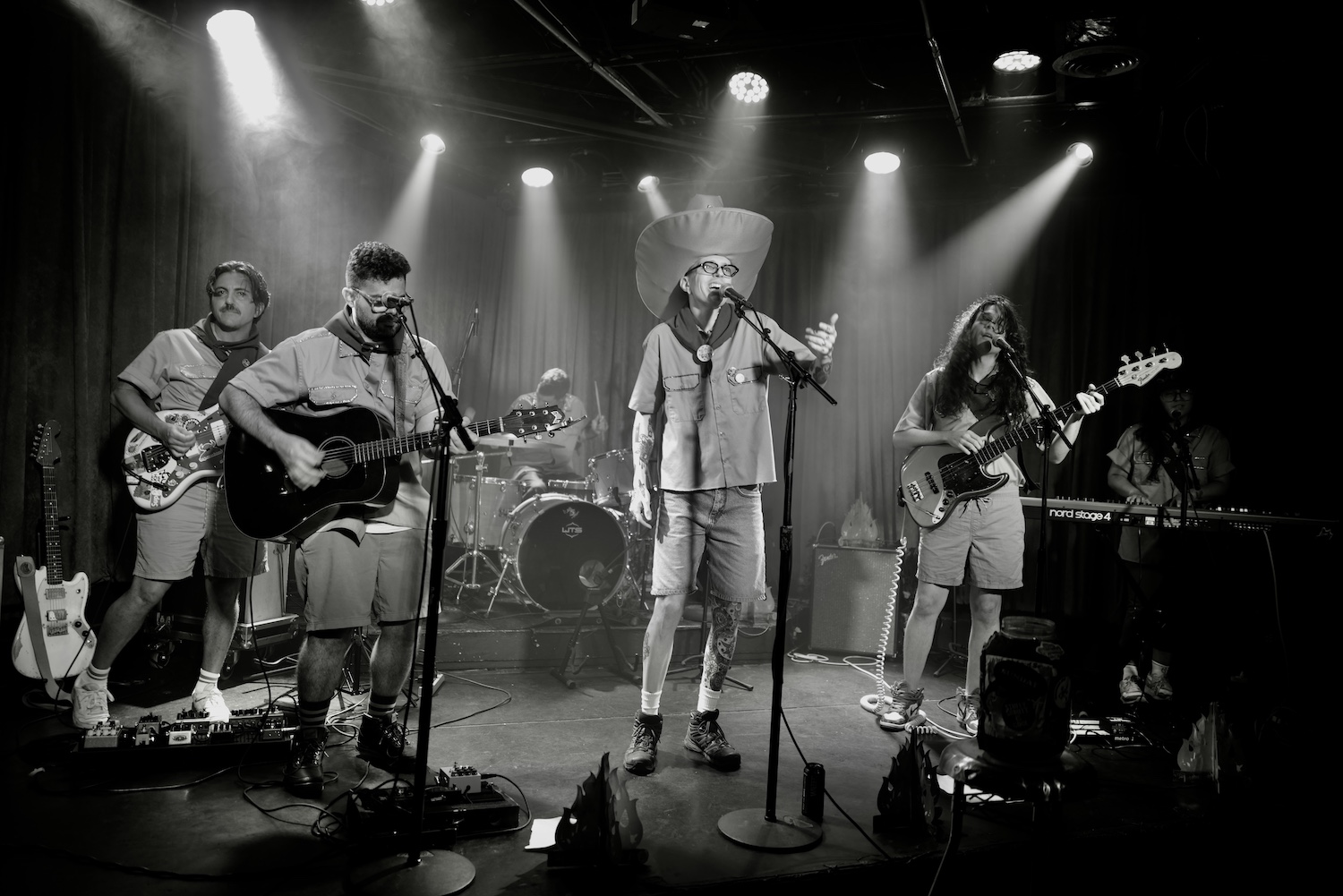
Big Guy & The Very Large Men stands out in 2026 because James Droll has created a musical identity as delightfully unpredictable as the life that inspired it.
His gift lies in the details: The absurdity that makes a painful memory bearable, the unexpected lyric that exposes a familiar prejudice, the beautiful melody that gives a complicated emotion room to breathe. His songs carry the storytelling instincts of a seasoned Nashville songwriter, enriched by an offbeat musical imagination and a perspective shaped by years of learning to embrace the very qualities he was once encouraged to suppress. There’s real courage in that openness, but also tremendous joy. Droll approaches the world with an appetite for its contradictions, inviting us to laugh at its ridiculousness while recognizing the people and experiences that make it worth loving. It’s a combination that makes Big Guy & The Very Large Men one of Nashville’s most exciting emerging acts, with a distinctive voice that deserves to be heard far beyond Music City.
And perhaps the most beautiful thing about Big Guy is the generosity behind it all. Droll has surrounded himself with friends, fellow musicians, and loved ones who have helped him bring this project to life, and that spirit of community extends to the people listening. His songs offer an open invitation to see ourselves in experiences that might look entirely different from our own, to approach one another with curiosity, and to embrace the gloriously imperfect business of being alive. With PERMADEATH on the horizon and “RED DOOR” opening another chapter in his story, James Droll has every reason to celebrate how far he’s come – and every reason to be excited about what comes next.
Stream “RED DOOR” exclusively on Atwood Magazine, then spend a little time in the world he’s built through our intimate conversation and exclusive soft hands, hard times track-by-track below, where the man behind Big Guy & The Very Large Men shares the memories, misadventures, and hard-won discoveries that have made his music so unmistakably his own.
— —
:: stream/purchase RED DOOR here ::
:: connect with Big Guy… here ::
:: stream/purchase soft hands, hard times here ::
— —
Stream: “RED DOOR” – Big Guy & The Very Large Men
A CONVERSATION WITH BIG GUY & THE VERY LARGE MEN
Atwood Magazine: James, can you share a little about the story behind your artist project, Big Guy & The Very Large Men?
Big Guy & The Very Large Men (James Droll): If there’s a willing ear, I have too much to say about the story behind this record, because it’s quite literally my life… and who doesn’t love a good overshare from a stranger they don’t have to make eye contact with? I come from a working-class background, my dad spent 50+ years working on the railroad to support my mother, myself, and my four siblings while we grew up on a llama farm in a rural part of Ohio that feels like Kentucky 20 years ago (no offense, Kentucky… love you girl). If the first sentence of that plot synopsis doesn’t at least get you in the door to hear these songs, then I absolutely give you permission to dismiss me entirely!
What was your vision going into this record? Did that change over the course of recording this?
Big Guy & The Very Large Men: The vision came into focus when I stopped making music based on the expectations of the people around me. I am a queer, former Hot Topic employee who grew up in a cult varietal of non-denominational American Christianity. So, I’ve spent a lot of time looking into the eyes of people who see someone they feel bad for and I just don’t see myself that way. If the colloquial ‘you’ tells my story, it’s gonna be REALLY sad… If I tell my story… Then it’s a dynamic expression of love… full of grit, empathy, joy, laughter, and curiosity.
How do you feel soft hands, hard times introduces you and captures your artistry, especially as a debut?
Big Guy & The Very Large Men: If you choose or are forced to spend any amount of time with me you’ll learn that I do speak like my songs are written and yes it’s super annoying. These songs represent my need to extend an olive branch to people too afraid to engage in these important conversations. So this project is quite literally me, polishing a glass behind the bar at the intersection of smart and stupid to crack you a beer and ask you how your day was?
As a lyrically forward artist, do you have any favorite lyrics in these songs?
Big Guy & The Very Large Men: I absolutely play favorites, so I’ll just give you one per track!
- “COWBOY BOOTS”: “Secrets don’t keep they crack and bleed”
- “Lucille”: “I’m not trying to put my nose in your business, but you don’t have a front door on your house!”
- “Junkyard Dog”: “When the paint starts chipping like a flower losing petals”
- “soft hands, hard times”: “Gotta have a little grit, to keep your loafers light”
- “SKINNY BITCH”: “He was calling me a ‘skinny bitch’ like I don’t know what I’m working with”
- “NICOTINE BUZZ”: “Like a ketamine kiss, it’s a hit then a miss”
Do you have any definitive favorites or personal highlights off that record?
Big Guy & The Very Large Men: I truly love how confused everyone was about what we were up to! That’s where art lives, do that more… We don’t need to understand what someone’s cooking to take a bite and enjoy when it’s ready! But truly, the absolute best part of this record is the community of people that made it possible… I have such an amazing group of people in my corner (s/o to my husband and our very gay lifestyle) and I want to push this as far as we can for them!
What do you hope listeners take away from soft hands, hard times? What have you taken away from creating it and now putting it out?
Big Guy & The Very Large Men: I hope they take the open invite to see themselves in these songs. Think of this album as a fun tiki drink with a crazy straw that may or may not be on fire. We made these songs for you, we put all the bells and whistles in for you to have a good time and enjoy yourselves… All you gotta do is drink!
I’m not sure it’s been long enough for me to have concrete feelings on the release, but I’ve already had a few moments where people found the record and reached out with kind words. I’m kind of realizing that if you like the record we’re probably already friends? I’ll say this. You’ll know enough about me by the end to decide if you wanna be my friend or not!
* * *
‘soft hands, hard times’ – Big Guy & The Very Large Men
* * *
:: Inside soft hands, hard times ::
— —
COWBOY BOOTS
(feat. Fancy Hagood)
I parked my car, popped the trunk and hauled the clarinet and saxophone I’ve had in storage for years into Lou Johnson’s studio with him and my long time collaborator Reed Berin. We had all worked together before but this was the first time it all just clicked. I just remember telling my two straight collaborators about some of my early dating experiences and they just looked at me in horror. So I bottled up that look of second-hand terror and wrote a song about how it feels to willingly put yourself in emotional and physical harm’s way in the pursuit of loving and being loved. The pendulum is swinging our way but this song documents the internal dialog of how hard it is to love against the grain.
Lucille
After “Cowboy Boots,” Reed, Lou, and I decided to take a few more swings and that’s when we landed on “Lucille.” I took my dog for a walk that morning and had an incredibly bizarre run-in with my neighbor. She was in her pajamas looking a little disheveled and let’s just say the line, “20 degrees and you’re out in a nightgown, hair’s a mess with the girls hanging out” isn’t a metaphor. As I recounted that story I fell down the rabbit hole of all of these weird experiences with a few of my very interesting neighbors and it was all on the same street. Each verse in this song is based in truth and I’m not even sure I’d consider it hyperbolic. Best described by the line I wrote very literally, “I’m not trying to put my nose in your business, but you don’t have a front door on your house.”
Junkyard Dog
This song truly came out of nowhere. I spend a lot of my time writing for other artists, so I went into this particular session assuming I was not going to be the artist as we had the folk artist BODHI in from out of town. All I remember is a very chill day packed with good conversation, and we bulldozed through the lyrics of this song in like an hour. I had my husband on the brain that day because he was having issues at work that were weighing on him. This song describes the feeling of wanting to be there for someone you love but knowing at the end of the day they need to be the one to pick themselves up. While many couples would shy away from describing their romantic partner as a junkyard and themselves as their dog, I don’t particularly care about that! If you wouldn’t chase off buzzards and bark at strangers for your partner, please come over to my house so I can cajole you! I love the imagery of lines like, “When you’re missing parts, feeling more scrap metal, when the paint starts chipping, like a flower losing petals,” to bring the “dump” to his “down in the dumps.” This is my favorite kind of song, right at the intersection of smart and stupid.
soft hands, hard times
(feat. Maddie Medley)
It started as a title and turned into my favorite beta, soy boy anthem about the strength it takes to remain sensitive in a harsh world. The first line, “You said I’ve got hands just like your sister” is literally about a man shaking my hand and recoiling because my hands were soft. I grew up incredibly conservative and tried to hide my queerness because being ‘out of the closet’ was not an option. After years of unpacking I have been diving back into the history of the terms people used to describe/antagonize queer people with (‘queer’ being an example that has since been reclaimed by the community), so the line “You’ve gotta have a little grit to keep your loafers light” is possibly one of my favorite lines I’ve written to date. As much as this song is a testament to embracing sensitivity and queerness it is also a love letter to the women in my life. Having Maddie Medley come in and sing on this song felt correct because once you peel back homophobia… Do you know what you find lurking underneath?… Misogyny! Women have been at the forefront of social progress while a man somewhere is taking the straw out of his drink because drinking out of straws is “too gay.”
SKINNY BITCH
(feat. swim team)
“If my body’s keeping score, why do I keep losing count?” pretty much sums this one up. My friends Daphne, Bridey and Reed all met up at Reed’s studio the day we wrote this one. I brought in the idea to write about one of my first experiences in a gay bar that led to me getting roofied, just something light and casual! One of the only things I remember from that night was walking into the bar and an older man yelling, “SKINNY BITCH!” at me. One Jack and Coke later my friends were carrying me home through the streets of downtown Cincinnati. I feel lucky to have been out with people who cared enough to get me home safe. I had recently come out of the closet and was literally working 3rd shift at Wal-Mart and living back in my parent’s basement so adding “getting drugged” to the pile didn’t do amazing things for my emotional state. So many queer people have stories like mine and I just wanted to hear one in a song.
Only Sin
This song is what I would consider one of the best songs I’ve ever written. I started this song by myself, brought it to Reed and eventually looped in Lou. It’s an honest look back at the relationship that brought me to Nashville in the first place. My ex was in the closet at the time that we dated and for years after we broke up. I got in way over my head and couldn’t handle the pressure of keeping his secret, living in a new city, and my feelings after having recently kicked open my own closet door. “I remember the first time you told me to hide until the coast is clear”, this line speaks to the feeling of having one foot back in the closet. To his credit I am 100% sure that me being triggered 24/7 was not helpful for the longevity of our relationship. Only Sin is the uno reverse card to my conservative Christian upbringing.
NICOTINE BUZZ
Hunter West and I wrote Nicotine Buzz at his studio in East Nashville. He and I are around the same age so we reminisced about childhood fads, what cartoons we watched growing up, what sports we played in school. I made a joke about how I was horribly depressed living on a llama farm on the outskirts of a town literally called Pleasantville, Ohio. We then spent the next 45 minutes talking about llamas because it is a detail that is hard to gloss over. This song is several vignettes of my lived experience with more than a dash of red neck Willy Wonka in the mix.
* * *
You quickly followed the EP in August with “me you and her.” What’s the story behind that song?
Big Guy & The Very Large Men: Some people have crushes, some people have partners… A common experience for queer people (me) is the… love triangle… Where no one gets what they want and everybody ends up bummed!
Today we’re premiering “RED DOOR”! What can you tell me about this beautiful song?
Big Guy & The Very Large Men: Let’s set the scene… We’re on the patio at Red Door Midtown and my friend Megan is doing my star chart over a glass of cabernet while the lead singer of one of my favorite bands growing up walks out of the bathroom looking like he fell face first into a snowdrift (it’s July.) Nashville isn’t where I thought I’d end up but it’s the devil I’ve known for the last 10+ years and it feels like home.
Your second EP arrives this November! What can you tell folks about PERMADEATH?
Big Guy & The Very Large Men: PERMADEATH is a collection of songs that speak to the ‘volcano’ living inside every repressed queer kid who grew up chronically online at the dawn of the internet. They’re what my life is… big feelings and how I deal with them.
— —
:: stream/purchase RED DOOR here ::
:: connect with Big Guy… here ::
:: stream/purchase soft hands, hard times here ::
— —
Stream: “RED DOOR” – Big Guy & The Very Large Men
— — — —
Connect to Big Guy & The Very Large Men on
Instagram
Discover new music on Atwood Magazine
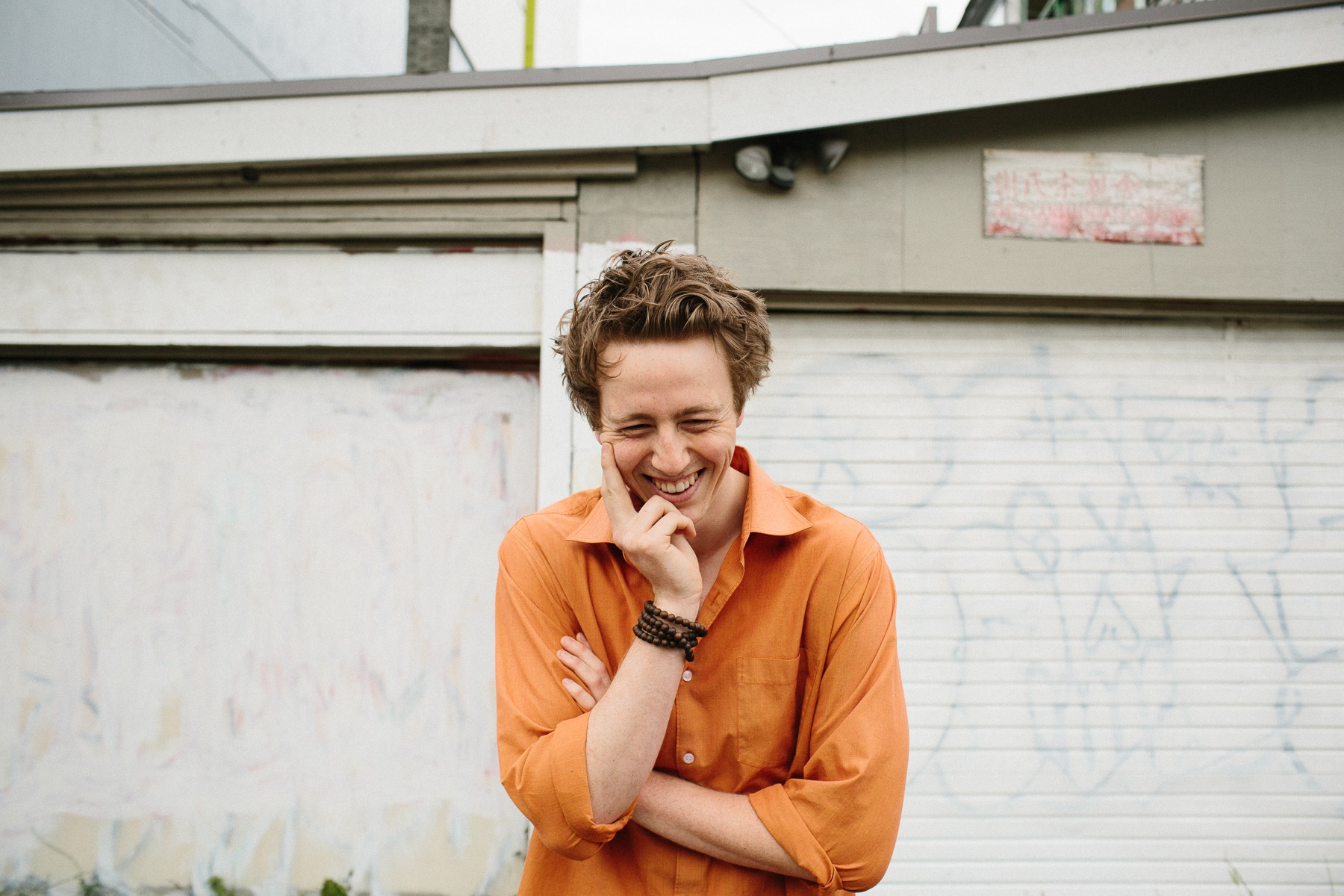
© Kohl Almire
 © Kohl Almire
:: Stream Big Guy & The Very Large Men ::