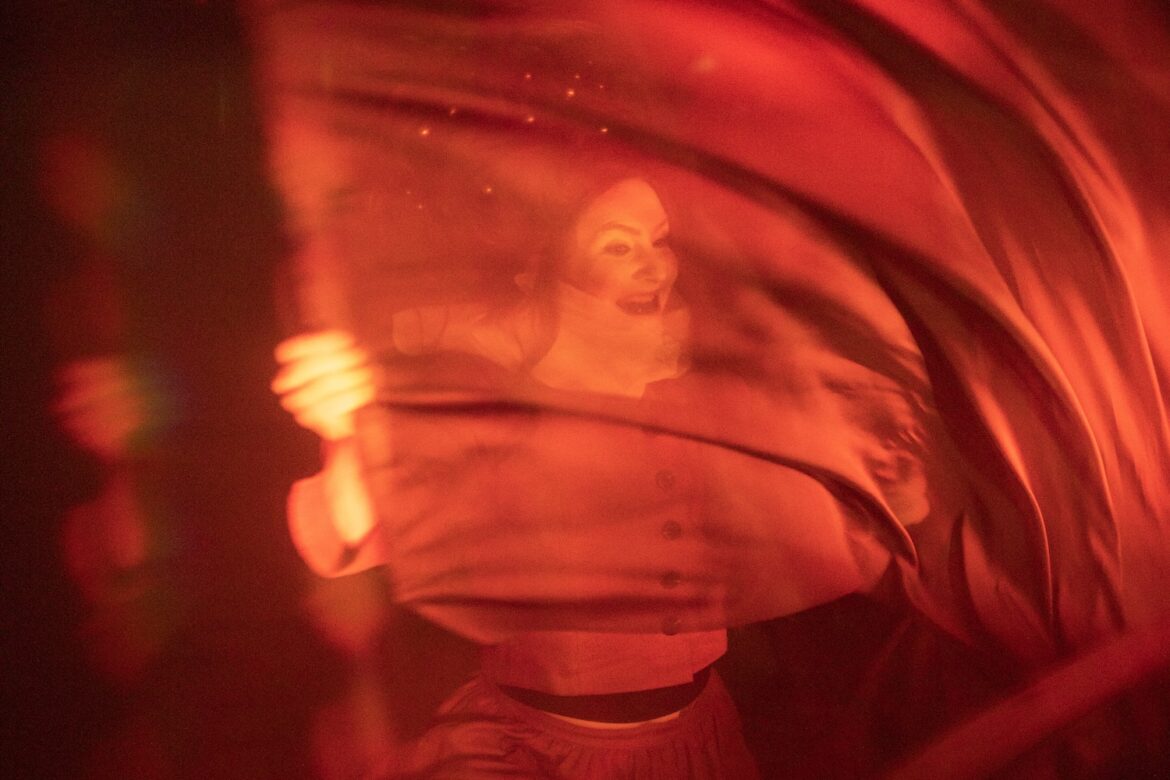
Emma Ruth Rundle’s first full-length in five years, ‘These Killing Times’ finds her returning with a ferocious sound and lyrics that reflect the disappointment of living in the world in this moment, and the understanding that there is something more on the other side.
Stream: ‘These Killing Times’ – Emma Ruth Rundle
And I suppose I am always thinking about it. Talking about it. How the past beats inside like a second heart.
And there are these lines that exist. Fine ones. Balances that are difficult to walk and sustain. Because it isn’t so much a “living in the past.” No. Rather, it is how the past lives within us. Why we carry it. How we carry it.
And there is the music we leave behind. An artist we outgrow. An album, or a song, that does not grow with us. No longer speaking to us or speaking on our behalf with what it presents. We’re not able, for whatever reason, to bring it with us through time. I suppose I’m always thinking about this, too. Talking about it. It isn’t the life of an album. No. Rather, it is how an album lives. How it extends itself, and expands, in time. Beyond the year it was released. Beyond our first listen.
There is the music that continues to meet us where we are. An artist, an album, a song. It offers, regardless of wherever we are in our lives, what we are experiencing – who we have become; it offers us a kind of comfort. An assurance.
It grows with us. Alongside us. We carry it with us. We hold it close.
And I think about specific moments. Seasons. Who I was, then. How I have perhaps changed, or grown. The distance that forms, in time. And maybe you are like me. Maybe you use a record, or an artist, as a pinpoint. Representative of a time and place. The life of an album. How it extends and expands, over time. How the past beats inside like a second heart. How it lives within us. We are always carrying.
And who was I, in the space that exists between the end of summer, and the beginning of autumn. 2018. We live in the quiet. With the grief. A heart, heavy, and the days filled with an unfamiliarity that eventually became routine. You adjust to the different rhythm of your life. Or the circumstances you are presented with. A long, silent summer, sliding into the hush of autumn. A nearly always present, churning anxiety recedes, but it is inevitably replaced.
And who was I, in that silence. Clutching onto small, good things in a time before that felt like such an urgent and desperate act.
And there was, and still is, the allure. The danger. An edge. The astonishing compulsion of the torrential nature.
And who was I, in the days growing shorter, and colder, as autumn surrenders to winter. 2021. We no longer live in the quiet. There is grief. A heart heavy, yes. The loss of who we might have been but never were allowed to become. The days filled with uncertainty. Fear. Anger. You adjust to the rhythm of your life. The circumstances you have been presented with. The resentment settles into your bones.
And who was I. I had run out of small, good things to clutch onto.
There is still the allure. A seduction, of sorts. Danger and edge, yes. Brittle. Icy. Sparse. The astonishing compulsion of an inward-turned whisper.
And who am I now. In this moment. Again the waning of summer. The anticipation of autumn. The acknowledgment that the days will again grow shorter and that there will again be a surrender and a chill. How have I changed, in time. Because there is the distance that forms in the space between who we were and who we are. Five years. Eight years. You remember these moments. Fragments. Representative of something larger. How am I the same.
There is a line that exists. The past living within us. The balance required between hope and desperation, and what happens when those things might converge. What forms in that space. That center. When two things begin to slowly move towards one another.
And who was I, with my arms outstretched. The small, good things I grasp, and hold tightly.
The space that forms in between the volatile and torrential. Something that does not ascend but rather soars with a ferocity. And the insular. The spectral. The creeping. A tension that is never offered a release. There is a catharsis, of sorts, in both. And the past lives within us, you see. I’m always thinking about this. Always talking about it. It beats like a second heart.
* * *
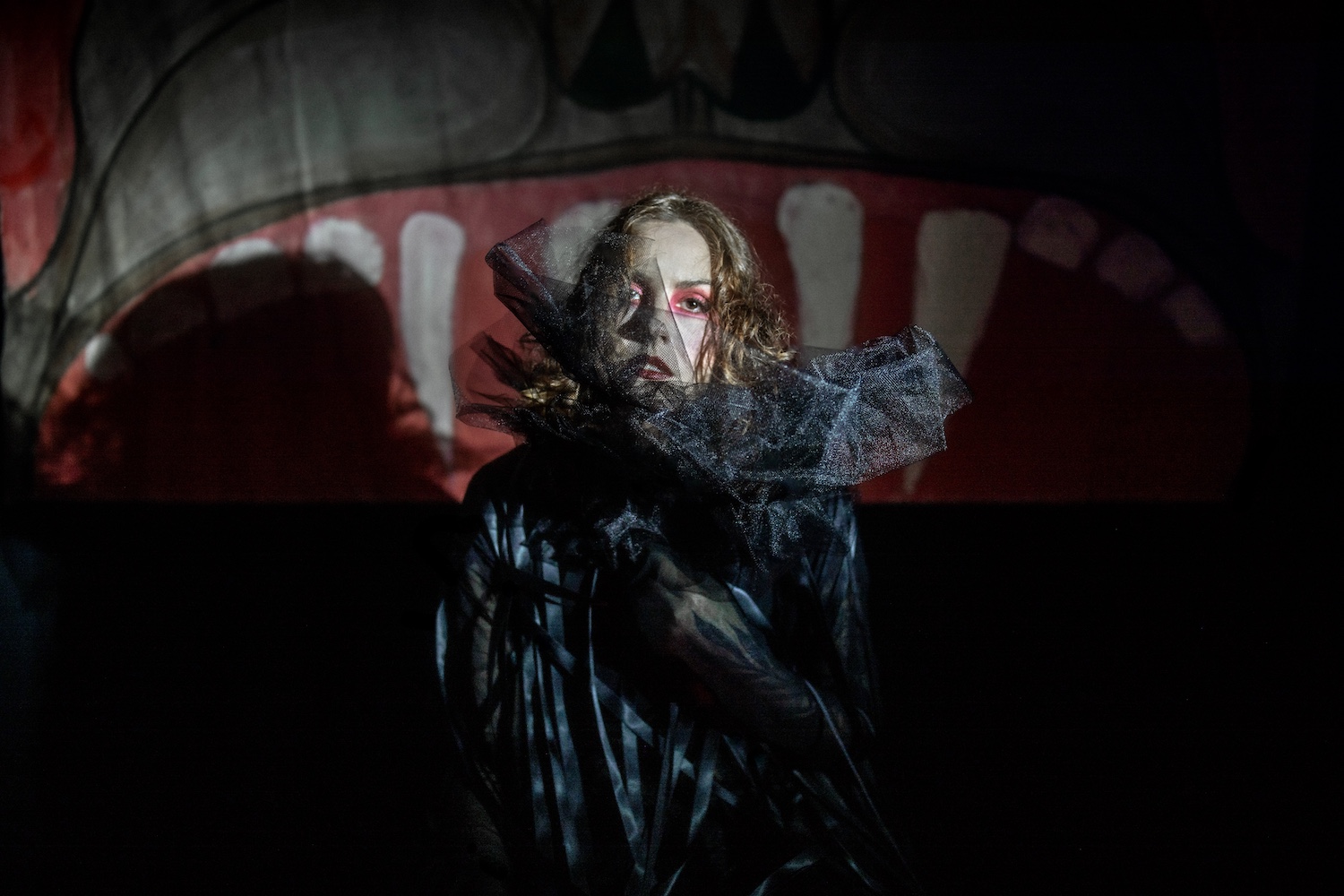
Emma Ruth Rundle and I are the same age. And, I mean, you could contend that is where any similarities between us end. That we were born in the same year.
She and I are both sober – self-medicating for years, Rundle explained in a 2021 interview that her substance use eventually intensified and in 2020, it fueled a descent concluding in a week-long stay in a psychiatric facility while she was living in Wales.
“Nobody with as many mental health problems as you have should be drinking at all, let alone as much as you are,” my best friend told me, on the phone, near the end of 2023. Her words echoed in the evening as I would take the first sip of my second, then third, drink. Her words echoed until I had to acknowledge and confront that alcohol was no longer serving me – it never had been.
I would contend that Rundle, and I, both contain multitudes.
We all do, I think. There is a duality, of course, within. How we may split ourselves. And why. But there is this multitudinous nature, you see. Our interests. What inspires. How we are influenced. We pull and pull from different, at times surprising places. There is something beautiful in that. In how all of these things, seemingly so unrelated, can intersect. There’s something beautiful in how they intersect. What we pull from yes but how these can inform what we wish to reveal about ourselves – what we put out into the world. How we want to be seen. Understood.
Because I can talk with you, as much as you are willing to humor me, about Carly Rae Jepsen. About how dazzling and nuanced her 2015 album, Emotion is. About the idea of “The Kingdom of Desire.” But we split ourselves. The multitudinous nature. The old John Coltrane and Miles Davis record I return to. The way I can slowly sink into ambient, experimental, and instrumental pieces – letting them gently float around me. The way I have immersed myself, in the last two years, in blown-out, cacophonic, often turbulent punk records.
There is a heaviness to Emma Ruth Rundle’s music. A heft. It is quite powerful – commanding. Her songs are often capable of soaring to towering, thunderous heights. But even in that – there is this weight. Often, they hang. A long shadow. There is a darkness cast that is inescapable. But even in that, there is this weight. How these songs often sound. A snarling, pounding fury. Torrential. An impressive depth.
And I tell you all of that to tell you this. That Rundle, even in the style of music – the volume, the size, the intensity, that she has spent well over a decade creating, she contains multitudes w/r/t what she listens to, and finds inspiration in. Is influenced by. Surprising in that her points of reference can be hushed. Tender. Sparse. Spectral.
Haunted.
And yeah, maybe it is not that surprising, really. If you give it more consideration. Perhaps it makes sense. Rundle’s songs do, often, feel haunted. And even in how explosive the arranging and instrument selection can be, there is a tenderness, and an honesty that is revealed in her vivid, fragmented lyricism.
I tell you all of that to tell you this. In interviews surrounding the release of her stunning 2021 album, Engine of Hell, a collection of songs, intimately recorded, with Rundle playing either the piano or the acoustic guitar, with little if any other accompaniment, she mentions Nick Drake’s Pink Moon, and the esoteric Colour Green, from the German folk singer, Sibyl Baier, as influences in how she approached the album. A fragile album. Sometimes there are imperfections. But it is a documentation. An honest record. Representative of a moment in time.
In 2025, Rundle published her first volume of poetry – The Bella Vista. The collection was accompanied by an LP containing two somber and loosely improvised piano pieces, inspired by the work of the avant-garde pianist, Harold Budd. Specifically his 2003 album, La Bella Vista.
Engine of Hell was representative of a turn inward. Personal. Reflective. Harrowing. And even though These Killing Times, Rundle’s latest release and her first in five years, is very much, in sound and its writing, a turn outward, these spectral, fragile elements are still present. The multitudes she contains. The varied, and perhaps surprisingly diverse artists, and albums, that have inspired and influenced her. The piano, and the taut and resonant strum of the acoustic guitar, both becoming textures woven within the fabric of a record that is remarkable in how dense, and enormous it is.
I cannot think of Emma Ruth Rundle without thinking of the way that, a number of years ago, Hanif Abdurraqib described her music – explaining that he told a friend everything Rundle sings “sounds like a warning.” I think about this all the time, actually. It’s how I have described Rundle to others. It feels hyperbolic. Or dramatic. But it is correct. There is an urgency, and an otherworldly nature to how Rundle often seethes, and howls. Phrases that, perhaps delivered by someone else, would not feel as chilling, or unnerving. Here, on the surprisingly groove-oriented “Catherine Wheel,” Rundle makes an ask in the opening line. “Come take a spin on my Catherine Wheel.” It is an ask. But there is this implication in how she beckons us. A brief flash of danger. A threat, underlying.
These Killing Times, across its eight songs, is foreboding. It’s an absolutely gigantic and robust-sounding record, full of bombastic and visceral heights that Rundle will take these songs to, seemingly with ease. There is a meticulous nature to how it is produced. The snapping of the snare drum is crisp. The layers of electric guitars become a torrential wall, barely restrained.
But for as huge as it is, there is a surprising intimacy.
That was one of the most fascinating elements of Engine of Hell. The closeness of how it was recorded. Hearing the creaking of a chair, or the scraping of fingers across the strings of the guitar, as they move up and down the neck. The feeling like you are in the room with Rundle, as the song is unfolding. It’s incredibly human, and there are these small, human moments on These Killing Times as well. The presence, throughout, of the piano and the acoustic guitar can soften the edges slightly and, within the intricacies created, make things feel a little more melodious.
It is a confrontational record. Not in a way that is antagonizing or brash. Not in an inherently punk rock way. No. It is a record that does not ask you directly to embrace a kind of darkness but it does ask you, even in the discomfort it might create, to sit in it.
* * *
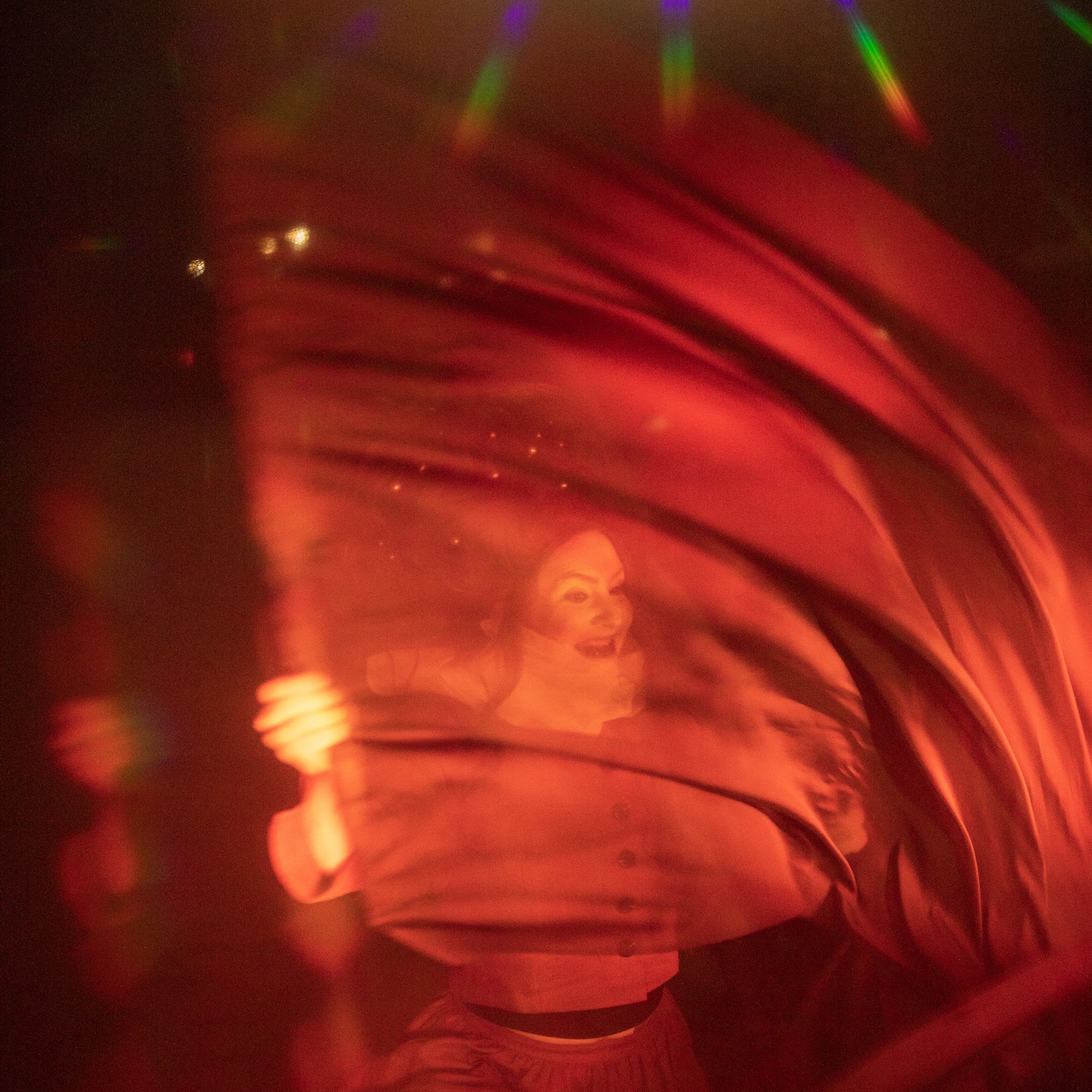
And who was I. In listening, and considering how an album lives. How it can, and does, live inside us.
How we carry it along with us through time. Because, perhaps you are like me, in how you listen, and you are always looking for glimpses of yourself – often unflattering, or devastating. How an album lives. There are times when we live within it.
There is a compulsion, then. An allure. We are drawn nearer, even in the instances where we do not find ourselves within. We do not hear our stories being told. A song is written. And for the songwriter, the words can be and often are personal. Perhaps revealing. Even in how much, or how little, of its hand is played, there is an intention. The hope that meaning, or intention, is conveyed. When the song is out in the world, it still belongs to the artist, yes, but it becomes part of a shared experience. Something larger. It is, then, open to the interpretation of the listener. How much of themselves, if any, do they hear in it.
There is a feeling, sometimes. An excitement. A thrill that pulsates. You let it wash over you.
These Killing Times is an album that works as a whole to engulf you in the magnitude it grows to, and in the darkness she asks you to sit in. Across this record, Rundle, more than anything, is working through a collective disappointment or dissatisfaction. There is, of course, the often explosive or volatile nature of the way these songs are arranged – the crunchy, distorted guitars, and pummeling rhythms. The choruses that soar – often walking the line between hope and desperation. A way to writhe, and thrash, towards even a glimmer of something different. Something better than what we are faced with now.
It is a political record, yes. It asks you to sit in the darkness, so how could it not be. But what I am most compelled by is how deeply sociological it is, in how it observes and reflects. Engine of Hell was an unabashedly personal record – outside of the isolation that underscored its writing and recording and her sobriety, it details the dissolution of her marriage. These Killing Times is personal, too, in the sense that these are the beliefs Rundle holds, but it is far less insular.
Rundle says, in the press materials for the album, that the opening track, and the lead single from These Killing Times, was originally titled “Noam Chomsky is Dead to Me.” Now called “Powerless,” it serves as a thesis statement, in a sense, in terms of the imagery and language used in the lyrics, but it does also truly set the tone, musically – demonstrating, from the moment it begins, a growth and a thoughtfulness in how the arranging is approached. There is a richness in how it sounds. How detailed and textured every layer is, and how all of those layers are slowly circling one another, swirling to create something that can be dizzying.
The first instruments you hear, as “Powerless” begins, are the piano, and the acoustic guitar – carrying over from the instruments used on Engine of Hell. Here, though, there is a kind of depth and movement. A push towards something. They weave in and out of one another in a very instinctual rise and fall, as Rundle’s voice arrives.
And here is the thing about “Powerless.” The song is less than a minute in, and it has already exploded. An enormous, searing moment of ferocity. The distended snarl and churn of the electric guitar. The punch and clatter of the drums. Rundle’s voice, flying high above it all as she bellows the titular word. And the thing about the song is you can tell. You can tell this is where she is guiding us – there is this excitement that is palpable in the instant before. But even in this understanding – that the song is structured in this way – these extremes of tension and release, it is still incredibly effective. Remarkable in the way it shatters itself, and then quickly resolves for the second verse.
The song’s sweeping bridge, too, is working toward something. A propulsion. And in that, an intersection in terms of the aesthetics – the piano, and acoustic guitar still present, but with the thudding and snap of the drum underneath, and the subtle hint of a metallic, clanging sound, rippling into the rhythm.
Rundle, across These Killing Times, is both direct and not, in her writing. Her lyrics are poetic. Literate. Evocative and full of life and fully developed imagery. But they are quite often cloaked in ambiguity. In originally deeming the social critic and intellectual Noam Chomsky dead to her, “Powerless,” even in the moments when it does take on a kind of vagueness or is open to interpretation, there is a target in the center – specifically her disappointment and frustration with Chomsky’s connection to Jeffrey Epstein. These Killing Times, in what it addresses then, is of the moment. A product of its times, but the sad truth is that there will, more than likely, always be bad men and injustices that will need to be confronted.
“Power corrupting, you had my trust,” Rundle begins, her voice clear, and haunting, as the song opens. “Empire collapsing, everything dust.” Then, later, in the second verse, “You said you’d do better, but power corrupts.”
“Powerless” works, and works well, because of the way Rundle hinges it structurally on the enormous release of the chorus, where she howls the words “Power,” then quickly takes a breath, and through gritted teeth, sings “Powerless.” There is this figurative back and forth, or struggle, that occurs, and the implication that the power is being taken away.
One of the remarkable things about These Killing Times is that even in the darkness that it asks you to sit in, and the injustices it is working to confront, Rundle does offer these reminders, and moments of hope – within the final two songs on the album, specifically, but here, in the bridge to “Powerless,” she swirls, and turns phrasing, understanding they are working towards one final chorus, before the conclusion. In that, they become less an incantation in how she uses repetition, and more anthemic. An anticipatory build until the song, again, bursts.
“Let me lie here with this hammer in my hand,” she sings. “One for breaking, one for building something better.”
There is such a thin line between hope and desperation.
Who was I, if not grasping, arms outstretched, towards the small, good thing, just out of reach.
* * *
I bring a bright burst of light down over you…
* * *
Everything Emma Ruth Rundle sings sounds like a warning.
And there is this surprising intimacy that ripples throughout These Killing Times. It creates such a fascinating juxtaposition. Because it is an album that climbs to these enormous heights. It is where Rundle, as an artist, has thrived in the past. Songs that quickly work themselves into a frenzied state, then spend the rest of their running time walking the balance between the two extremes.
If you follow an artist for long enough, and sit with their work over time, you remain compelled because of how you can hear, or in some cases, feel, the growth, or maturation in their sound. Emma Ruth Rundle never lacked confidence. This penchant for ferocity was present on her earlier albums, like Some Heavy Ocean or Marked For Death, but things are just much more focused now. Thoughtful. Meticulous. She wasn’t lacking in dynamism, but comparatively, there is so much more richness, and depth, and a real clarity on These Killing Times. There was, like, a kind of moody, ramshackle haze to previous albums. Even on the album that served as my introduction to Rundle – 2018’s breathless and blistering On Dark Horses. She is an artist that wants to continue growing and developing – is not afraid of pushing herself, and you can both hear that, and feel it, in this collection.
And I tell you all of that to tell you this. In this depth and in these warnings and in this enormity and fury, there are moments – sometimes so small, of intimacy. A very human reminder. Nods to the very human, hushed, and intimate way Engine of Hell sounds. It is why I am so charmed by the moment where she breaks the fourth wall a little, at the top of “Anvil.” The song opens with a recording of bells, ringing in the distance. They clang, and reverberate erratically, and there is this very small moment where Rundle whispers, “Okay,” and the song begins. The instruments all come together on the first note, coming together in a momentum that is a little loose, and a little swaying. Though there is tension. Or a sense that, like “Powerless,” we’re being guided to a moment of release. The bells, then, continue, offering an undercurrent, and texture folded into the other elements that churn with an impending sense – urgency, and dread.
“Anvil” slowly lurches forward – the tumbling, pinging percussion creates a rhythm, with the deep, rumbling bass notes, and thunking of the acoustic guitar strings finding their way within, as delicate, somber piano notes descend over the top. And like “Powerless,” in how we are being guided to a moment, you can sense when it is coming – again, a meticulous, thoughtful nature to how the song is structured. And as the first verse continues, a rippling wave of guitar feedback courses through, indicating that we’re arriving at the place when things will become torrential – this intersection where it feels anthemic and cathartic in just how high it climbs, but there is a sense of sorrow, or anguish, trailing not too far behind.
It is also a song where Rundle plays with different, subtle textures and with tension – extending it out further, beyond where it feels it is going to break, before she offers a kind of release. There is a wafting reverb on her voice for much of the song – by no means cavernous, but it creates an eerie sensation, especially in the quieter moments, as do these atmospheric, swooshing trails that swirl and flutter around underneath everything in the second verse.
One of the reasons that “Anvil” is such an impactful song on the record is, yes, the heights that it ascends to – the kind of feeling a song creates that you are unable to prevent yourself from being caught up in the theatricality of. But it is also Rundle’s voice. Her writing, of course. She doesn’t just sing but she does perform. The theatricality in her delivery, and the imagery used within. There is a directness in the emotion she wishes to convey – a seething, exhausted anger, but the other details are obscured in the fragmented nature of her phrase turns.
“So tender is the turning of this blade,” she slowly threatens in the first verse. “You have shaped me,” she continues, in the seconds leading up to the explosive arrival of the chorus. “Have I shaped you?” Then, after the song resolves for the second verse, there is this understated moment of humor, which, given how heavy, and dark, Rundle’s canonical work is, was quite surprising.
“This man delights me not, to turn a phrase – it is giving Gone Girl animal,” she seethes, conjuring vivid, sinister, imagery.
It is not hyperbole. I hope you understand. Perhaps you do. That everything Emma Ruth Rundle sings does sound like a warning. Sometimes a threat. To be taken seriously. This is where she brings us in the chorus – haunted and howling, where she bellows, “Hey man, what will you do – such fear is coming for you.”
There is a moment, early on, in Engine of Hell, as Rundle is stabbing out tense, measured notes on the piano, where she bends and twists her voice – allowing it to tumble through different levels of range. It’s beautiful. It is a little dissonant. It feels tortured really. It’s so captivating. And maybe it is because she is using her voice as an instrument, alongside the piano, but there is this moment where it does call to mind the early performance and vocal delivery of Tori Amos. I tell you all of that to tell you that there is this moment here, on “Anvil,” when what is underneath her is not skeletal at all, where she does explore these different cadences to her voice. How to twist and how far she can stretch. It’s during the swooning tension of the song’s bridge, which is where, like “Powerless,” it is the moment in the song where the anger parts, briefly, and there is that intersection between hope and desperation and a sliver of something good. An assurance.
“I bring a burst of light down over you.”
* * *

Emma Ruth Rundle, as an artist, contains multitudes.
I mean, we all do, I think. To some extent. But there is this heaviness to her music. A heft. It is powerful. She has made that quite clear in the past, and makes it very apparent from the moment These Killing Times begins. It’s commanding. Soaring to absolutely towering, thunderous heights. In that, there is a weight. The songs can hang. A long shadow. The darkness cast that is inescapable.
There is the weight, or heaviness, to how these songs sound. Snarling. Pounding. Ferocious. Torrential. An impressive dexterity and depth.
In the clarity and robust nature of These Killing Times, even in the weight these songs contain, many of them still follow a traditional “verse/chorus/verse” structure. I tell you that to tell you this is not a pop record, but Rundle is writing songs, and performing songs, with a pop sensibility. There is an infectious nature to them. Melodies, however distorted or noisy, or harrowing, can get stuck in your head. It’s an album that remains accessible.
We contain multitudes. Different genres of books we read. Films we enjoy. Music we appreciate, or are compelled by. I do not listen to much, if any, “modern rock” music. I haven’t for a long time. But in this heaviness and accessibility, there are songs on These Killing Times that feel like they would not be out of place heard amongst other guitar-forward “rock” acts.
It’s something that struck me during a specific part of “Anvil.” It’s after the bridge – where everything is writhing and churning, and Rundle’s voice is just howling and thrashing, bending the syllables of the word “bright,” but also wordlessly caterwauling, while the instruments are continuing to swell – there’s a break, and everything drops out of focus, briefly, except for these distended, chugging guitar chords – it happens so fast, but it says so much. Then all the instruments literally slam back down, and the song continues, and continues to soar into its final chorus.
It is a, like, “big” moment. Small but impactful. And Rundle, on “Catherine Wheel,” continues to teeter into this kind of large-scale “rock” sound with this searing, quivering melody on the electric guitar that continues to play throughout, creating another surprising moment – putting together a song that finds itself, with ease, in an undeniable groove.
So many of these songs, or Rundle’s canonical work in general, rely on tension and release. Simmering and then this huge build-up. What is fascinating about “Catherine Wheel” is that it maintains this looseness. It’s a little jittery, and it feels strange to say because of the overall feeling of this record, but there is like this playful shuffling that occurs as it gathers itself, and begins tumbling forward steadily – the big, resonant strums of the acoustic guitar, snappy, crisp pinging of the snare drum, a rolling, thick bass line, and then that lead guitar melody, which is truly very fun and memorable, and really pushes the song out further beyond the swirling unrest it oscillates in.
I would contend that there is, at least in terms of describing how a song feels. Or how it lives. That there is a difference between unrest, and restlessness. Because I think they each depict something very specific. They can both be happening at once, yes. But there is intention when you favor one over the other. “Catherine Wheel” exists in this give and take between both – it never ceases in movement, or momentum, and in that, there are places where the tumultuous nature of what it is a reflection of undulates with unease.
For as accessible and ultimately catchy as “Catherine Wheel” is, it foregoes a more rigid structure, which also speaks to that balance of restlessness and unrest – there’s no real chorus, exactly, or nothing clearly returned to, or nothing inherently anthemic and pointed. As it propels itself away from what serves as its verses, it opens up a little more, through the inclusion of this chordal, woozy effect coming on the guitar – allowing the song to sway back and forth more, before tightening itself up with these frenetic, pulsating moments, then thrusting itself back into that guitar riff that does so much throughout.
Everything that Emma Ruth Rundle sings sounds like a warning. The opening line, “Come take a spin on my Catherine Wheel,” sounds like a threat. A Catherine Wheel. Or a “breaking wheel,” or “execution wheel.” A torture device used in public executions through the Middle Ages up to the 19th century. Saint Catherine of Alexandria was sentenced to be executed on the wheel for refusing to renounce her Christian beliefs – it is alleged the wheel broke, mysteriously and miraculously, when she touched it.
She was then beheaded.
And there is this restlessness, and unrest, that thrashes around “Catherine Wheel,” in Rundle’s writing, and the imagery the song evokes, but also in how she sings – her voice, haunted, and again, here she is bending it into fascinating ranges, with very specific notes used for specific words. There is a clarity, too, to it later on. Not a breathlessness but this kind of desperation, or nervous tension, clawing its way out.
It is a song that rests on the feeling it creates, and sustains, but in that, there are these phrases of importance, and resonance. “Sometimes I just can’t take this place,” she exclaims through a scowl in the space after the first verse, changing the line, and the implication, when she repeats it later. “Sometimes I cannot face this place.”
The conceit of “Catherine Wheel” comes in the questions asked, to which there is no answer, easy or otherwise – and not just the questions themselves, but how they are asked. There’s this jittery, frenzied feeling. A shuddering. “How can this be? How can this be? How can this be?,” she asks again, her voice lowering, becoming a sort of incantation. Or a prayer.
The question shifts, then, by the addition of one word, at the end of the song. Speaking as a reflection of the larger societal themes – the dissatisfaction and disappointment. “Catherine Wheel” abruptly slows down – growing much much larger in doing so, and becoming noisier and crunchier. A kind of careening towards something. A center that will not hold.
She howls, in a range that feels otherworldly. “How can this be real?”
* * *
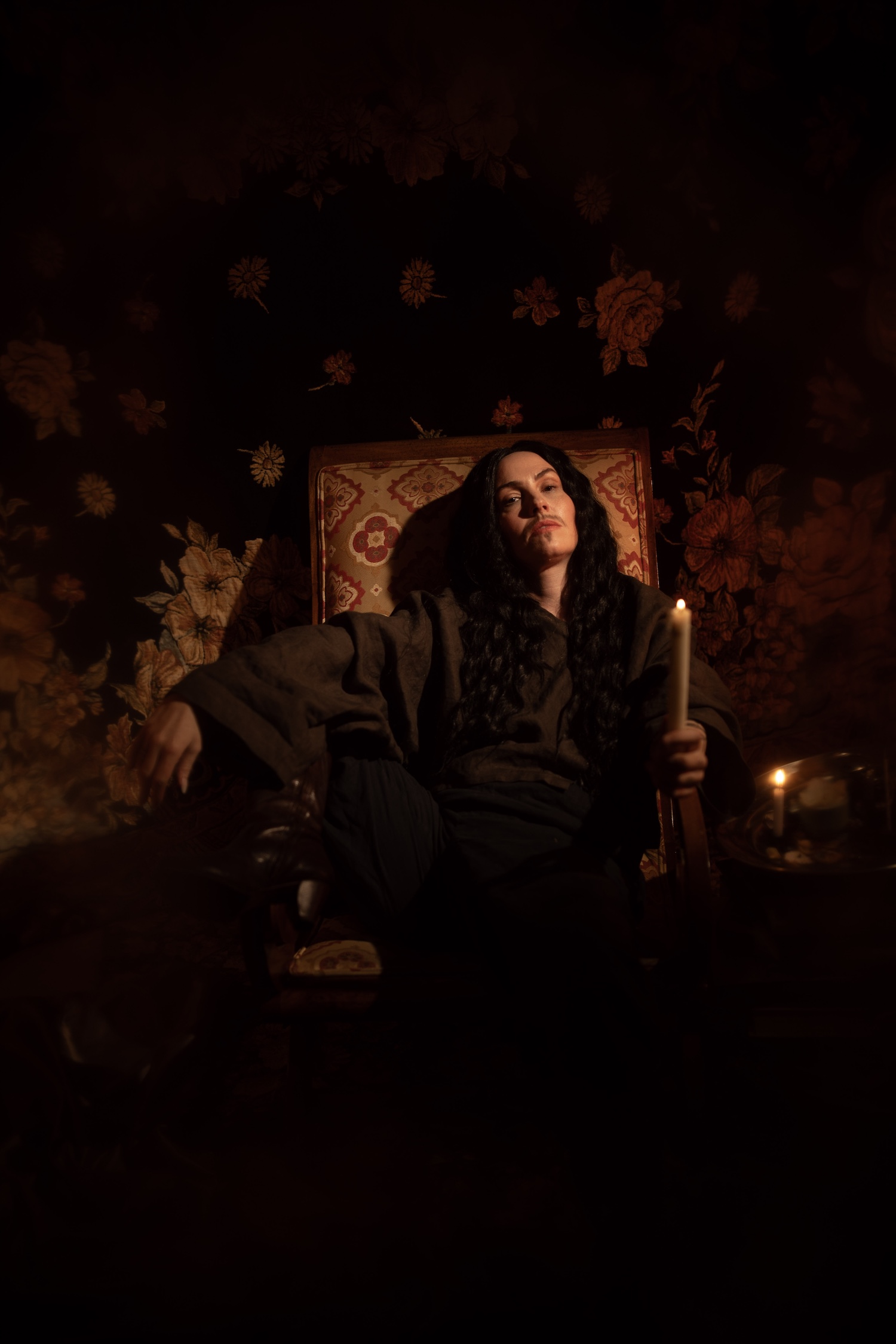
God’s got a picture of the whole world burning – down to the details of his hot, white ash…
Everything Emma Ruth Rundle sings sounds like a warning.
And I am often, in writing about contemporary popular music, looking for the convergences. The intersection. Two things slowly moving towards one another, and what happens in the space that forms in between. And there are many to find if you are looking for them or perhaps if you are preoccupied with the idea of them as I am, when you listen to These Killing Times. There is one that is so fascinating, and it is not one that Rundle uses, or works from within, regularly. What forms in the center of the intersection between dissonance and beauty.
For as cathartic as the album’s opening track is, Rundle pulls things in quickly, and in doing so, shows just how dynamic of an artist she is – retreating inward, to the sparsity, and pacing, that she used on Engine of Hell, on the whispered and creeping “God’s Picture.”
And the first thing of note about “God’s Picture,” aside from the very intentionally measured speed with which it moves forward, is Rundle’s guitar tone. The acoustic guitar, already distended and down-tuned, has this slight effect on it. A glistening, or shimmer. It gives it a very specific sound, and in that, a very specific feeling. The best way I can describe it, or compare it to something, is Jar of Flies-era Alice in Chains. Which I suppose, also, speaks to the moodiness of the song. And this convergence of something beautiful and something harsh. Because the first verse, as it plods along, has an edge to it, as Rundle slowly strums the guitar, and sparse percussive elements tumble along underneath her. But as it wanders further in, there are these surprising, beautiful flourishes that appear – free flowing piano, and the low, slow moving notes of the saxophone. “God’s Picture” is not Rundle’s take on a jazz composition, but there is a looseness to how much space it has when floating, even in how somber, and pensive it is.
It also doesn’t stay in this space forever – with more structure, and momentum, given to it roughly halfway through, as a steadier, and slightly heavier rhythm comes in on the drum kit, guiding it further along before it recedes again, briefly, before taking an explosive and unexpected turn as it quickly rises to torrential, dramatic heights – specifically, the slow motion snarl of the electric guitar, and the urgency with how the piano notes fall, are instrumental in how stirring the concluding portion of the song is.
There is a fine line between hope and desperation. And there is, of course, a bleakness present in nearly every song on These Killing Times, with just these flashes of the potential for something better, on the horizon. And I was going to say that it should not be surprising, based on the opening line, that “God’s Picture” is not one of those songs. But that isn’t necessarily true. Because even in the very dark, and staggeringly fragmented imagery, there is this pleading that occurs in the swooning, ghostly chorus, where Rundle cries, “Lord, give us more.”
“God’s Picture” is a song that is stirred slowly, and smolders, until there is a rush and it boils over. It is immersive – I mean, so much of the album is, really, but here, the feeling as a whole is what draws you in, and keeps you compelled. The eerie sensation created in the sparse, downcast strums of the guitar in the opening and the moments of beauty that swell to the surface. And there is this remarkable layering, and attention to detail within the layers, as the song finds resolve in its final moments, with the piano playing out over everything else, and Rundle’s voice quietly repeating, “And the jasmine blooms,” with the faintest, atmospheric textures fluttering underneath before it all disappears.
And at the top of the album’s second half, Rundle revisits this aesthetic on “Don’t Delay Heaven.” Even without the kind of shimmery effect on her acoustic guitar, there is still this palpable downcast, gloomy, 90s grunge-adjacent sensation she conjures in the methodical way her fingers pull at the strings, with the brushed, gentle percussive elements, steadily fluttering along underneath her, creating something, again, that is open or loose. It, again, is not directly inspired by jazz, or jazz performance, specifically, but there is still just that slight hint of it.
There is a real sense of restraint on “Don’t Delay Heaven” – a tension that is not pulled tight enough to create discomfort, but in its bobbing, gently swaying rhythm, you can feel something holding it back. And what makes it so compelling, in this kind of quiet, and reserve, is the soft, swirling interplay between the low, rumbling bass notes, and the acoustic guitar – specifically once the song wanders out far enough to get beyond its first verse, with the way the instruments slowly circle around one another, and are then joined by the complementary accompaniment of a cavernous sounding piano, and this eerie, synthetic flickering sound, squeezing itself into the space between layers.
Rundle’s voice, also, presents as more of an instrument, or an instrumental element, than anything else. That is not to say her lyricism is not of importance. But “Don’t Delay Heaven” is one of the places on the record where she is doing the most fascinating things with how she sings – the notes held, the inflection on certain words. Truly astounding in just how haunting, and otherworldly her performance is, as the song continues to slowly stir itself around her.
The writing here is perhaps amongst the most fragmented, and poetic, on These Killing Times, steeped in both an evocative mysticism, and a kind of understanding of pain, or if anything, feeling disconnected from the world around you. “You want to live forever,” she whispers eerily early in the song. “Tied and torn by light that offers some relief. We, here in Babylon,” she continues. “We, where we don’t believe. We, where we don’t belong.”
And like the way the song’s delicate melody lingers, and the way Rundle’s voice, and the dynamism she displays reverberate in your head well after the song has finished, there is this phrase she utters quietly, and forebodingly – not a question, but a pleading, that resonates. “Help me un-belong, help me un-believe.”
* * *
There is a line between hope and desperation.
I keep coming back to that.
And, perhaps, that was always something I was aware of. It’s just something that I now have a much better understanding of.
Similar to the three full-lengths of Rundle’s that came before it, These Killing Times is eight tracks long, but in how it is structured – like, the rise and fall, the tension and catharsis that comes from the final gasping release, the album concludes with its penultimate song, the enormous, sprawling, “Human Kindness,” then the brief, hushed “Oceans of Time,” serves as an epilogue.
In just about every element present across its eight minutes and change running time, “Human Kindness” is a reflection, of sorts, of the album itself. Of the heights Rundle soars to. Of the weight and force of the torrential, ferocious guitar tones. Of the thundering, at times punishing snapping, thudding, and clattering of the drum kit. Of her voice – how Rundle controls it. Her whispers and creaks. Her howls. Bellows. Screams. Of the notes that seem like they could soar forever. Of how she plays with tensions. Simmering and hushed. Turned inward until it’s not. The way the songs are brought to these places of volatility. The release. The way they are pushed into cacophony.
Of the warnings. How everything Emma Ruth Rundle sings sounds like one.
“Human Kindness” begins from a place of enormity. Like waves crashing down around you in slow motion. It’s noisy. A little harsh. A little dissonant. There is this violence that cuts through it. In the strum of the guitars. I think about that sometimes. How the strings of the acoustic guitar have this cutting sound to them, sometimes. A sharpness. There is this edge yes. The danger. That is in part the allure. There is something beautiful about it. How commanding it feels. How commanding it sounds. In beginning from this place, though, during the song’s verses, Rundle pulls it back – the sparse strums of the low strings on the acoustic guitar, and a gently brushed rhythm on the drum, before she guides it, methodically, right back into that snarling enormity.
And I would contend that, at least in terms of describing how a song feels, or how it lives, that there is a difference between unrest, and restlessness. Because I think they each depict something different. They can both be happening at once, certainly. But there is intention, I think, when you favor one over the other. And there is a feeling, overall, of unrest, coursing throughout These Killing Times, because it is, in part, a sociological reflection. The restlessness, though, is more specific. It’s in the tension that builds. In the explosions upon release. It’s in the way that songs will shift, and writhe.
“Human Kindness,” in its sprawl, and the way it ebbs and flows, is incredibly restless – it slides in time, into an anthemic, triumphant bridge, that builds upon itself, leading then into an instrumental break with a buzzy, dazzling guitar solo – all before it recedes, and then returns, only just a little slower. With each note hanging in the air, suspended between the next note, for what feels like just a little longer. The torrential nature of the guitar chords, as they are strummed, just a little heavier.
Something that Rundle talks about in the press materials for the album is the use of repetition – she explains that it can be used as a means to fortify oneself. Something soothing. Or comforting. A word, or phrase, that you can potentially get lost in, or use as an escape. There is repetition, in her writing, throughout These Killing Times. The fixation on just a certain word, or maybe a specific line. It can become hypnotic. Like an incantation.
“Human Kindness,” as it continues to unfold, is ultimately structured around this idea. A fortification of the self. A phrase to lose yourself in. A hypnotic pattern of words, floating on the surface of the waves of sound. The thing that Rundle returns to is this assurance. “I am full of the milk of human kindness,” she explains. “I am full of human kindness.”
There is this line between hope and desperation. And there is this want, or this desire, to find something good on the other side of despair. Of disappointment. That it won’t always feel like it feels right now, in this moment. The reflection we see of the world won’t be as bleak.
The reminder that there are these small, good things, and our arms are outstretched, as we grasp toward them.
* * *
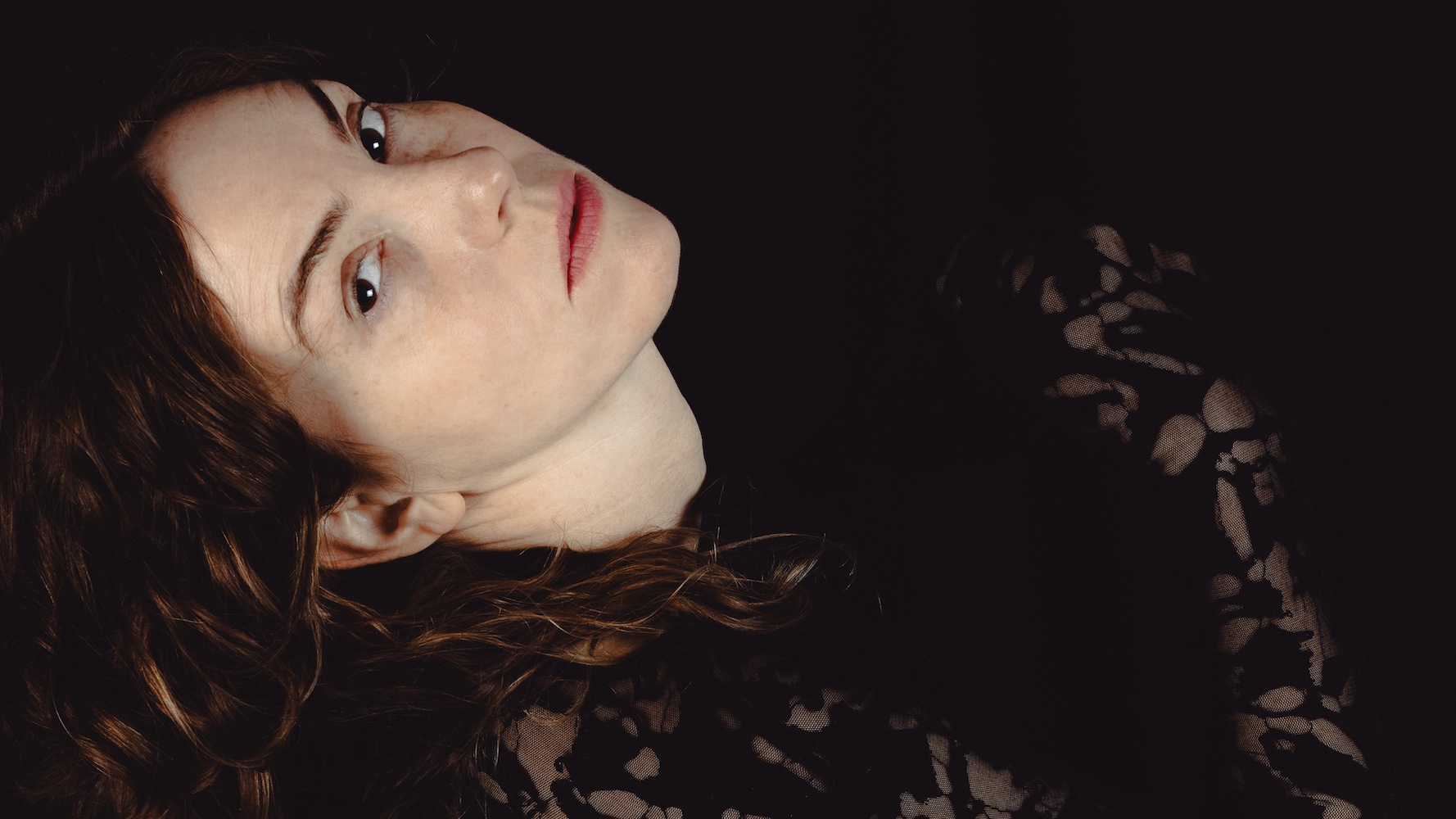
The past beats inside like a second heart. I suppose I am always thinking about that. And how, and why, we carry things along with us through time.
About how the life of an album is different and is less compelling of an idea to me than how an album lives. How it continues to extend itself beyond when we first heard it, or when it was first released. There are these moments. Small. Specific. We bring these with us. Representative of who we were and how we have changed or grown and the distance that forms.
Because I think about the alluring nature of the cover art to On Dark Horses. I don’t remember where I first saw it. But there’s this blurry, somewhat candid photograph of Rundle on the front cover. Her face is obscured by what she is holding in her hand – an enormous, black horse figurine. A literal interpretation of the album’s name. An allure to the tone of the photograph. The way the flash casts a shadow behind her. The tattoos on her ring finger. Her shoulders. Her dark hair, put up or pulled back in a messy bun. I think of the album’s first song. The stuttering “Fever Dreams.” The first song by Emma Ruth Rundle that I really hear. The way I am astounded by how it soars. The way she gathers the song, slowly, before this ascendance arrives within a fury. The command she has of her voice. The way she howls.
In the chorus, she shouts, “A life spent uneasy. In pieces – always in pieces.”
I have this memory that flashes. An image, really. Sitting in my living room, on the floor. Always on the floor. Clutching the sleeve, and the liner notes, to On Dark Horses, while the record plays. The house still. Quiet. And who was I in this moment. This flash I return to. A life spent uneasy. The end of summer, the beginning of fall. A heavy heart. The days filled with an unfamiliarity that eventually becomes routine. The different rhythm of your life or the circumstances that you are presented with. In pieces. Always in pieces.
I think about the somber, inward nature of Engine of Hell. The chill that settles deep within the record. The harrowing personal reflections Rundle writes into her lyrics, and the skeletal way that the songs are held together. Before the album’s arrival in full as the autumn was slowly understanding it must surrender to winter, I was listening to the singles released in advance. Often on my walk to work in the morning – cold, before the sun had risen. 15 minutes of solace before the day really began. Compelled by the slow and icy and beautiful thing that occurs in how Rundle controls the rise, and fall, of the piano on the album’s opening track, “Return.” Or the way there is this delicate collision between her voice, and the restrained way she carries the notes, and the way the acoustic guitar strings slap, and the piano dances around it all on “Blooms of Oblivion.” There is a grief yes. Loss of who we might have been but never were allowed to become. And who was I in this moment. These mornings. Uneasy. Always in pieces.
And maybe you are like me. You use a record, or an artist, as a pinpoint. Representative of a time and a place. There is unrest, yes. I think you understand it. Maybe you feel it. Have felt it. It continues rippling underneath everything. There is this restlessness too, but that is so much more personal. This thrashing and writhing from within ourselves. Perhaps a want for something more. Not even something larger. Just something else. On “Catherine Wheel,” before the song hurls itself into a jittery frenzy, Rundle observes, “Sometimes I just can’t take this place.” And that is the thing. Sometimes it feels impossible. And who was I. The breaking and the building something better because we have to keep reaching our arms outstretched for something small and something good and in the line between hope and desperation we have to believe that it is not always going to be like this.
— —
:: stream/purchase These Killing Times here ::
:: connect with Emma Ruth Rundle here ::
— —
— — — —

Connect to Emma Ruth Rundle on
Facebook, 𝕏, TikTok, Instagram
Discover new music on Atwood Magazine
© courtesy of the artist
 © courtesy of the artist
:: Stream Emma Ruth Rundle ::