In honor of Pride Month, Atwood Magazine has invited artists to participate in a series of essays reflecting on identity, music, culture, inclusion, and more.
•• •• •• ••
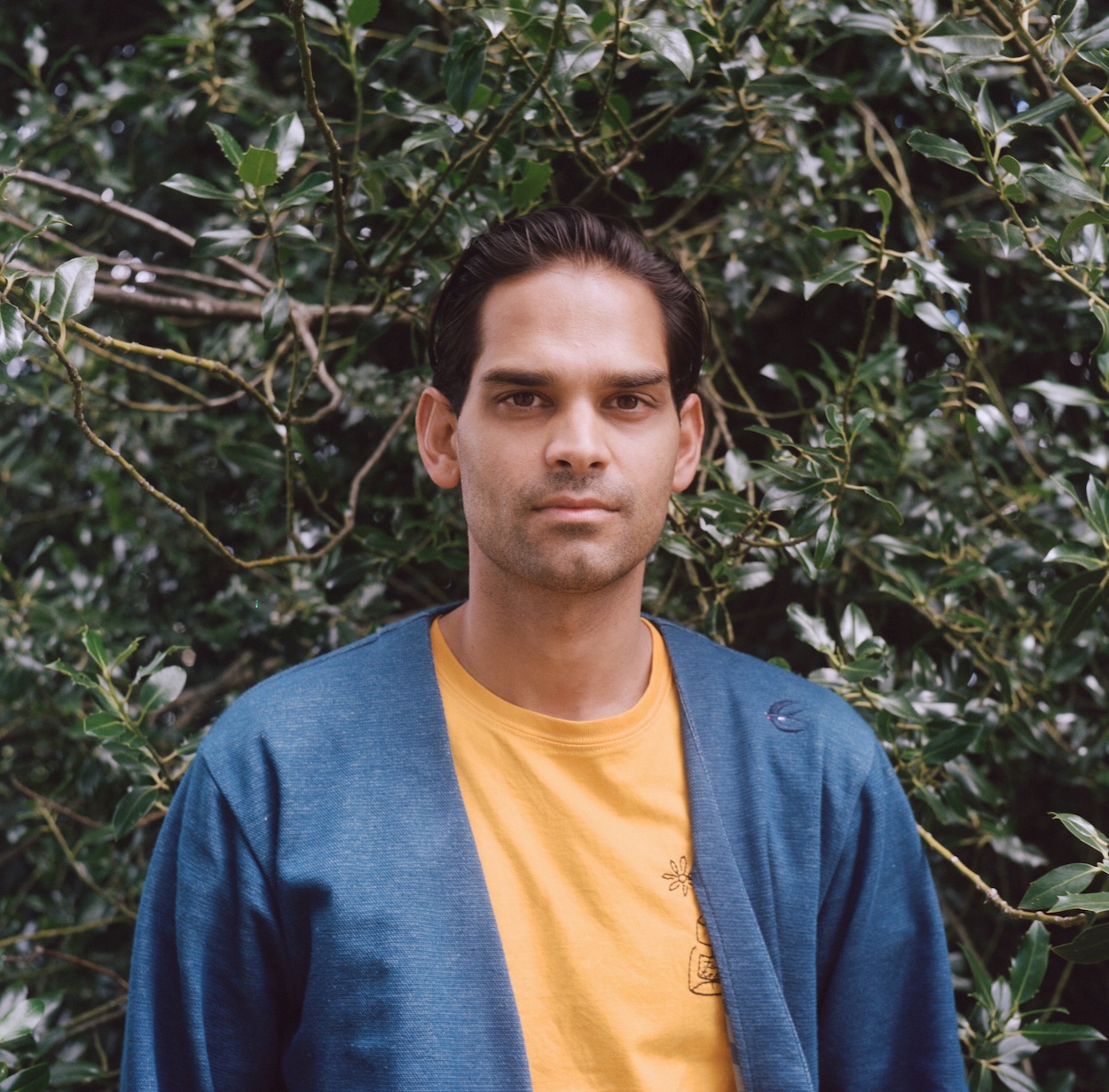
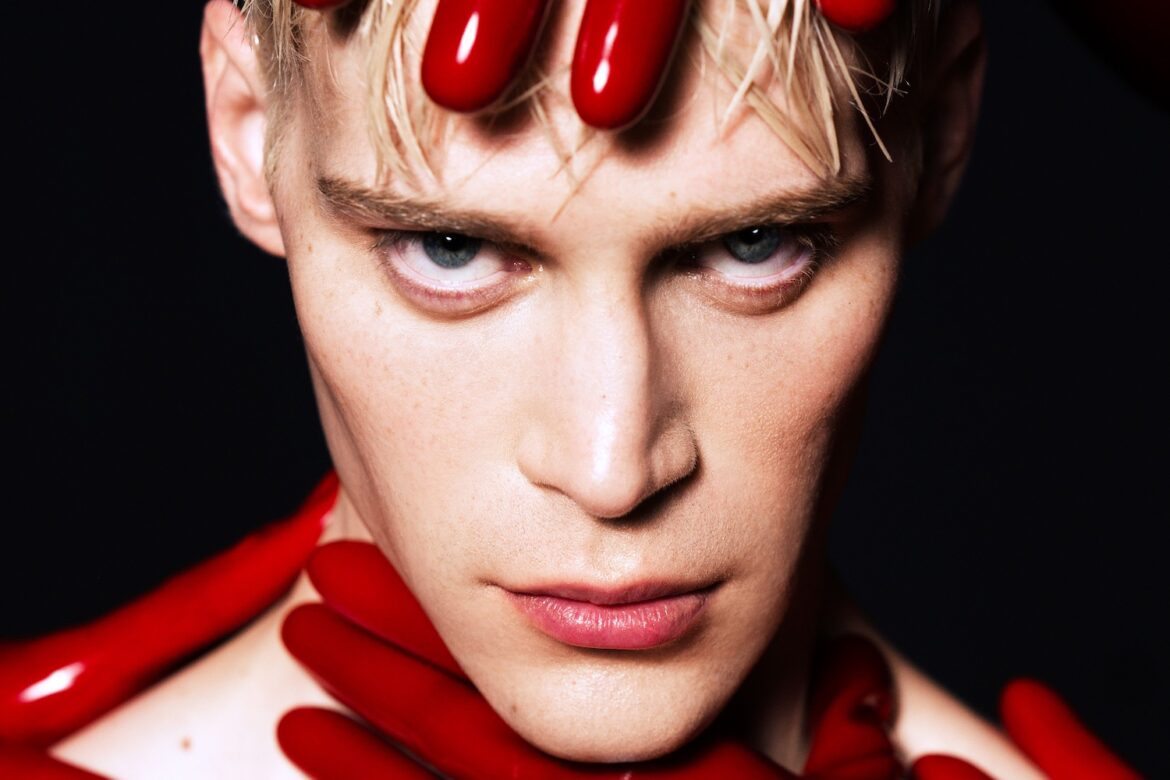
Today, pop artist and virtuoso pianist Saint Micah reflects on reclaiming his identity through music and self-reinvention in “Becoming Saint Micah,” a special Pride Month essay for Atwood Magazine!
Born in Charleston, South Carolina, Saint Micah – formerly known as Micah McLaurin – trained at the Curtis Institute of Music and Juilliard and has performed as a soloist with major orchestras around the world. After finding a home in queer culture upon moving to New York, he began bridging the classical and pop worlds through his viral “Rhapsody in Gaga” piano medley and his instrumental album ‘Diamonds,’ recorded with The Royal Philharmonic Orchestra.
Now embracing a new era as Saint Micah, the prolific artist is making music in his own voice about freedom, individuality, and sexuality. His latest single, “The Grind,” produced by Fernando Garibay and co-written with Simon Wilcox and Ramiro Padilla, explores the friction between who society says you need to be and who you are at your core. “‘The Grind’ is not just about working hard to get what you want, it’s about the duality of your ‘work personality’ vs who you really are,” Saint Micah shares. “Likewise, Saint Micah is both a rebirth and a reclamation. It’s about being in control of my own life. Micah McLaurin was sent to conversion therapy as a child, and my mission since has been to undo that experience. This name change is my way of really becoming someone who doesn’t need to ask for permission and rises above it all.”
Equal parts ascension and liberation, the Saint Micah moniker represents an artist taking control of his own life, rising above fear and shame, and becoming who he wants to be. Read his essay below!
•• ••
BECOMING SAINT MICAH
by Saint Micah
Looking back, I’ve come to terms with the fact that, as children, we are subject to the reality our parents create for us.
My reality was that my parents loved me and my five siblings – the things that really mattered were family, God, and religion. As a child, and to this day, I find some of the saints and their stories beautiful and inspiring. I’ve had Catholic iconography and some gorgeous religious art on my mood board for years, like images of saints, paintings of them, paintings of the Virgin.
My siblings and I were all homeschooled, and at the age of seven my grandma bought me a piano. Playing music was the first time I felt an overwhelming passion and a sense of belonging. By age nine, I was playing for live audiences and all those people that were out in the world loved me!
But by age 11 it all changed. I was sent to conversion therapy, and it took the life out me. It was so painful that I became very dissociated and so disconnected from everyone around me, even from myself. Why would God turn his back on me because of who I am? As I grew up… I know, and I always knew, that what I presented was not me. It was like it was a defense mechanism, and I felt so stuck in it.
At age eighteen I went to Curtis Institute of Music where I learned from the best of the best, but that rigor and those rules defined my entire life. I didn’t have much freedom outside the church or the piano. It wasn’t until I went to Juilliard that I really even took a breath to question if it was what I wanted for myself. That was also the last time I went to church.
Don’t get me wrong I wouldn’t say that I don’t love God or the classical world, I just didn’t feel like I could be myself in either place. I wasn’t truly able to have my own voice within classical music, and it didn’t make sense to love the God they were telling me about that would punish me for being me. They would say “God loves you but, if you have sex with another man, he’s gonna put you in hell forever.” It just didn’t feel loving to me.
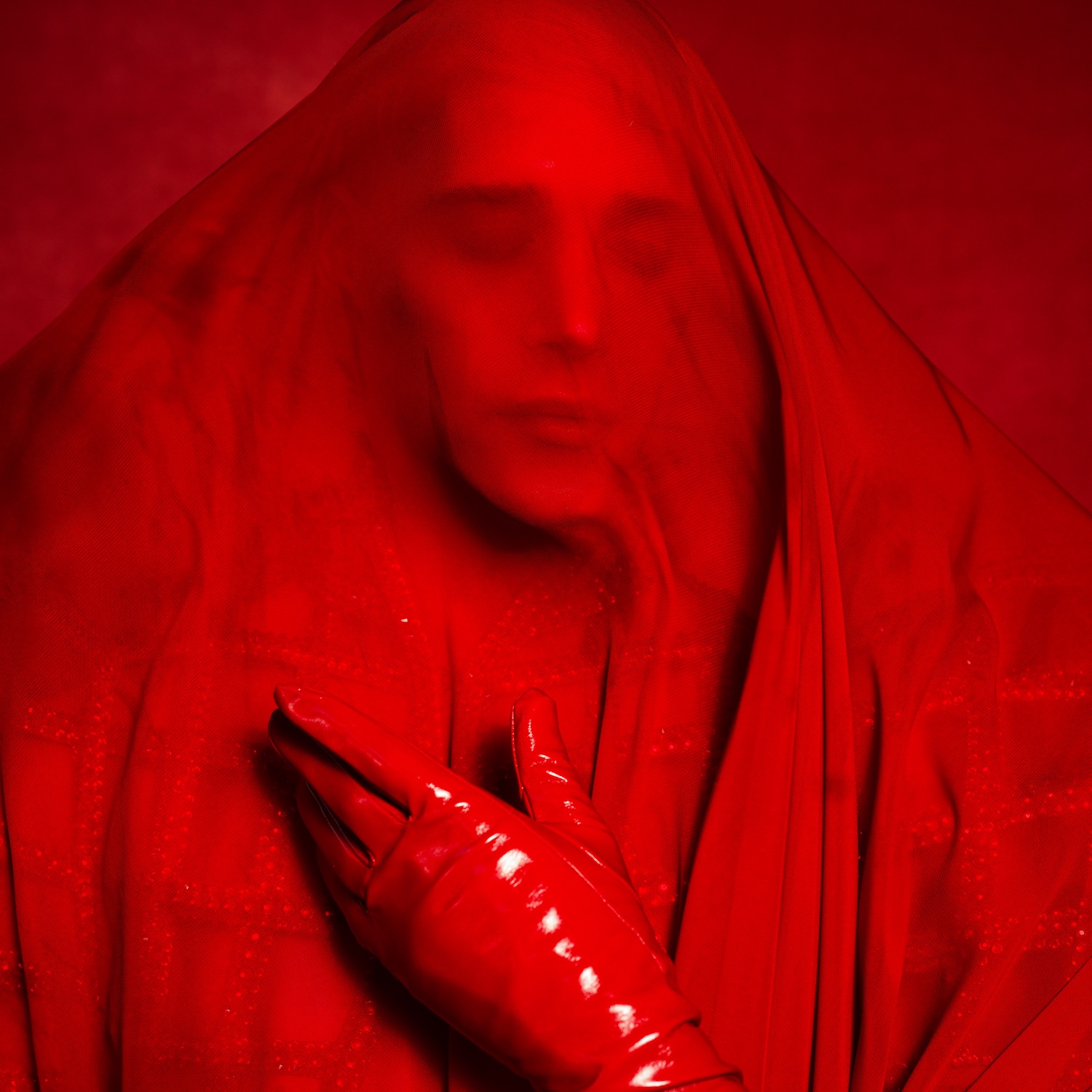
I’ve thought about changing my name since I was 16. I think when I embraced more of a Euro Pop sound for my new music, everything just started to click, and Saint Micah seemed to come from nowhere. It must have been in my subconscious, because it felt like it was already there and I didn’t even have to think about it… It is a reclamation of my experiences. It’s not meant to punch back or even be religious. It’s me taking my life back for myself; taking back control of my life, not living in fear, and not being ashamed.
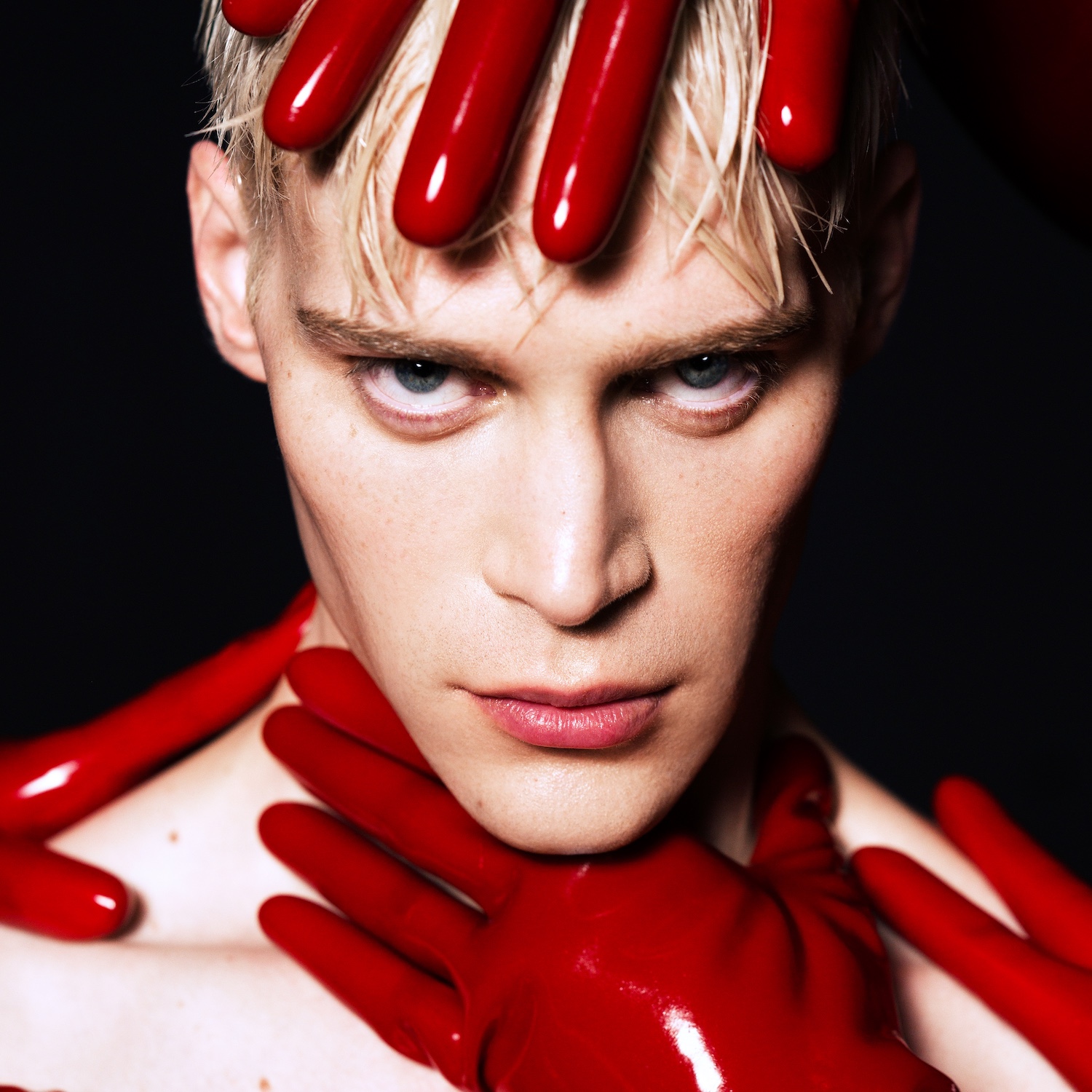
It felt like the perfect time to step into this new era, and I wrote a really personal body of work.
The first song, “The Grind,” is all about the duality of “work personality” vs who you really are. There are always valuable lessons to learn from your experiences, and mine will always be part of my journey. I’m excited for this next chapter in music and my life, and am finally ready to answer the question: “What does Pride mean to you?”
For me, embracing my ascension captures the spirit of Pride and I will be forever grateful to those whose shoulders we stand on today. I hope one day I can carry on that lineage and help kids who feel isolated and alone to know that they should be proud of who they are, and one day they will rise above societal expectation and step into their own authentic power. Happy Pride! – Saint Micah
•• ••
:: connect with Saint Micah here ::
•• ••
Stream: “The Grind” – Saint Micah
•• •• •• ••
Connect to Saint Micah on
Instagram, TikTok, Facebook
Discover new music on Atwood Magazine
📸 © Domen and Van De Velde
Stream Saint Micah