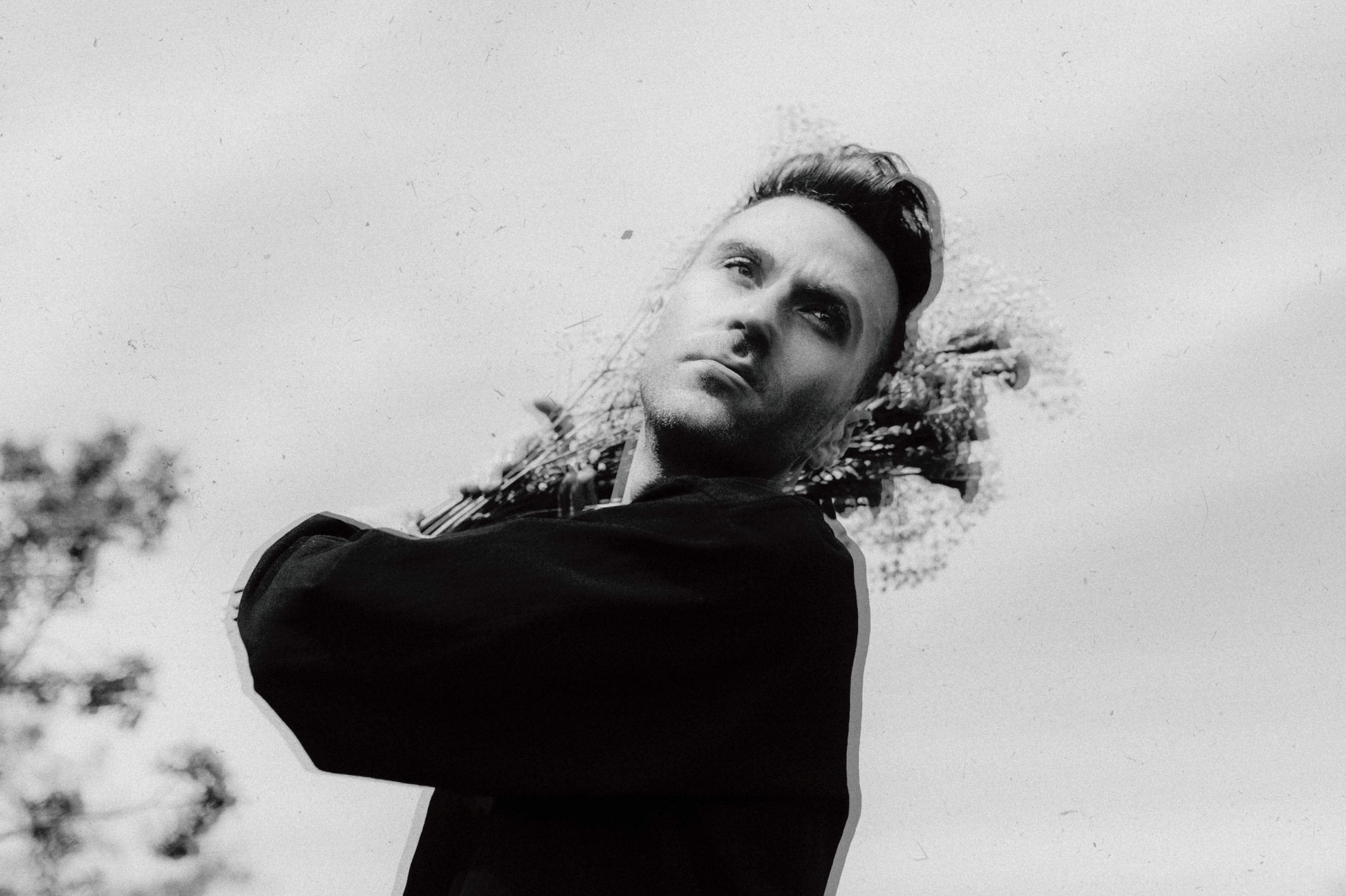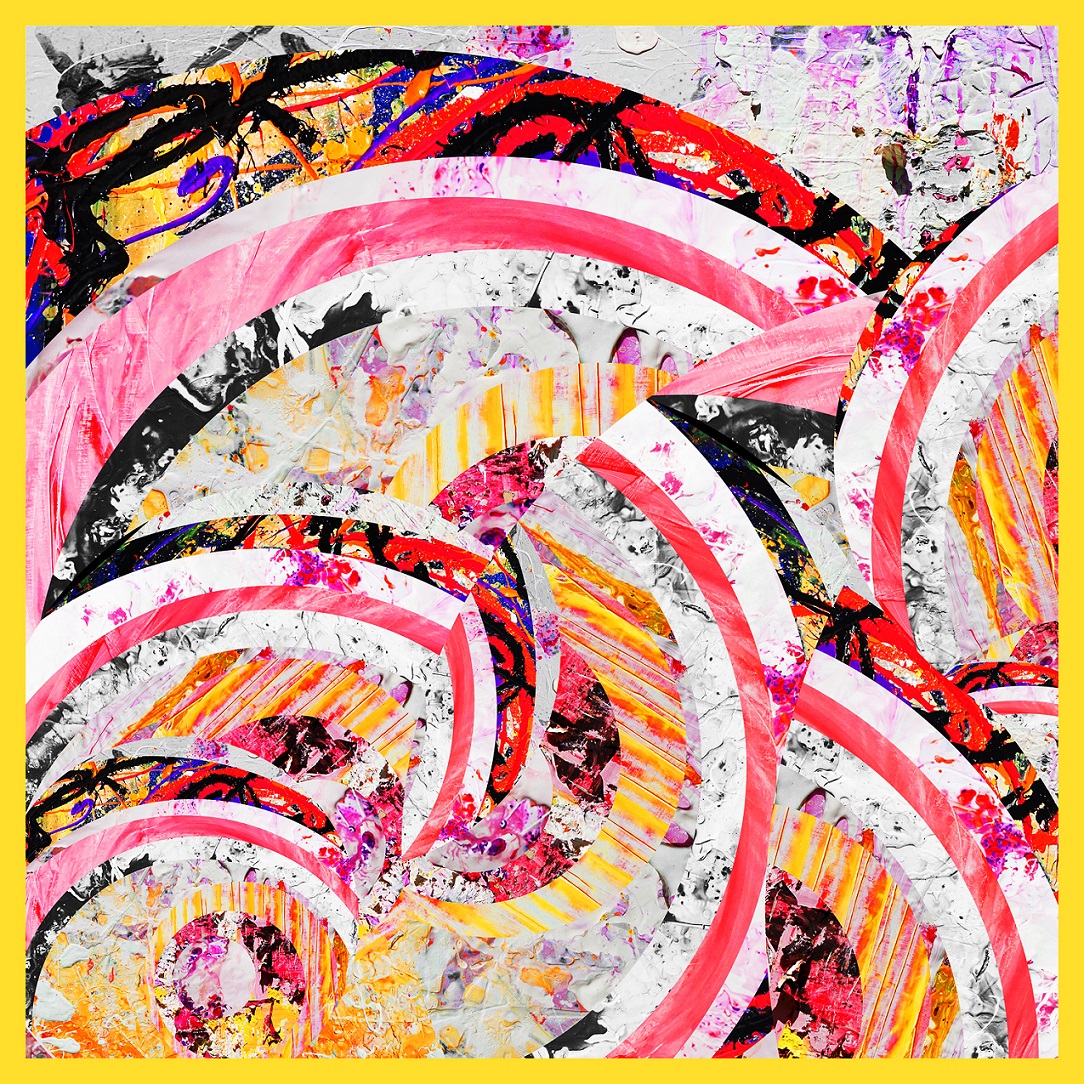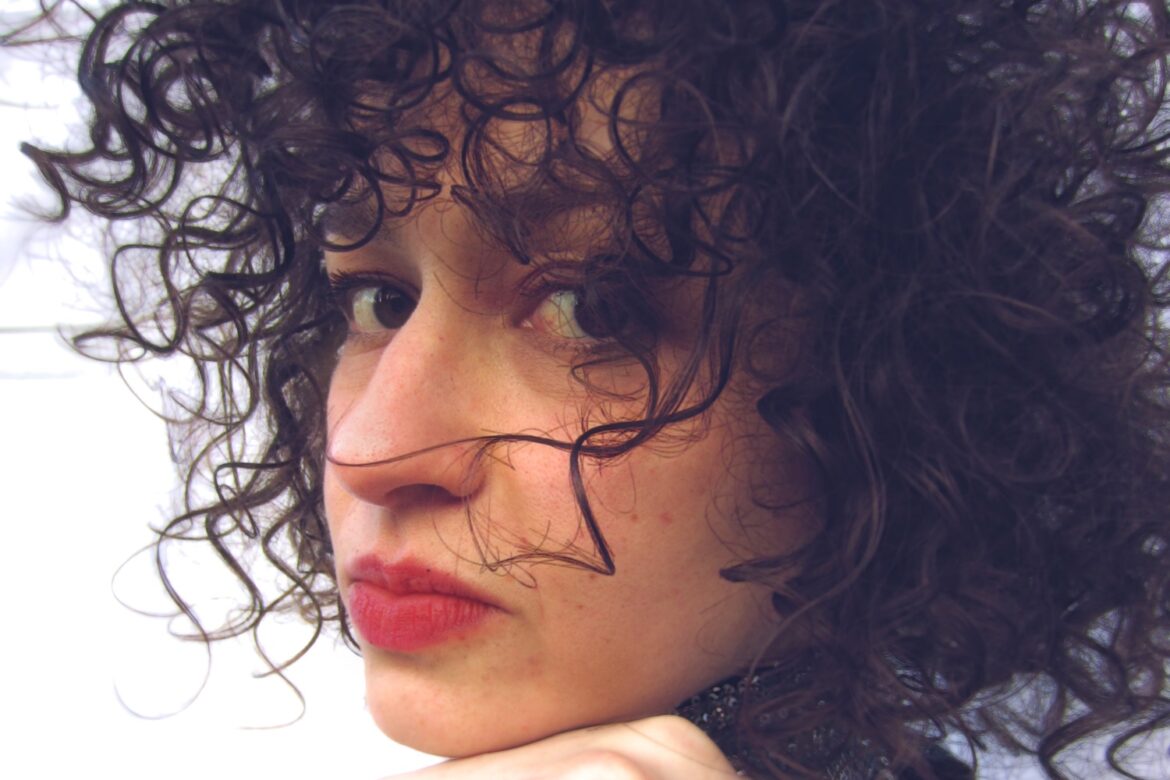
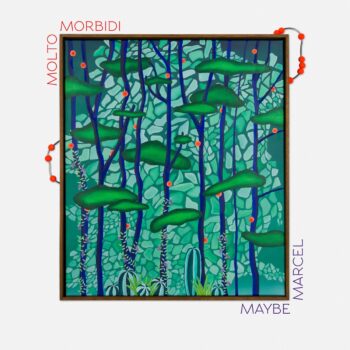
In one of the most emotionally trying periods of her life, France’s molto morbidi emerged with a lyrically candid and musically refined sophomore LP, ‘Maybe Marcel.’
Stream: ‘Maybe Marcel’ – molto morbidi
“What matters is being true to yourself when creating,” says avant-pop artist molto morbidi.
“I’d rather fail completely having made music that’s true to me than find success making songs that don’t fully resonate.”
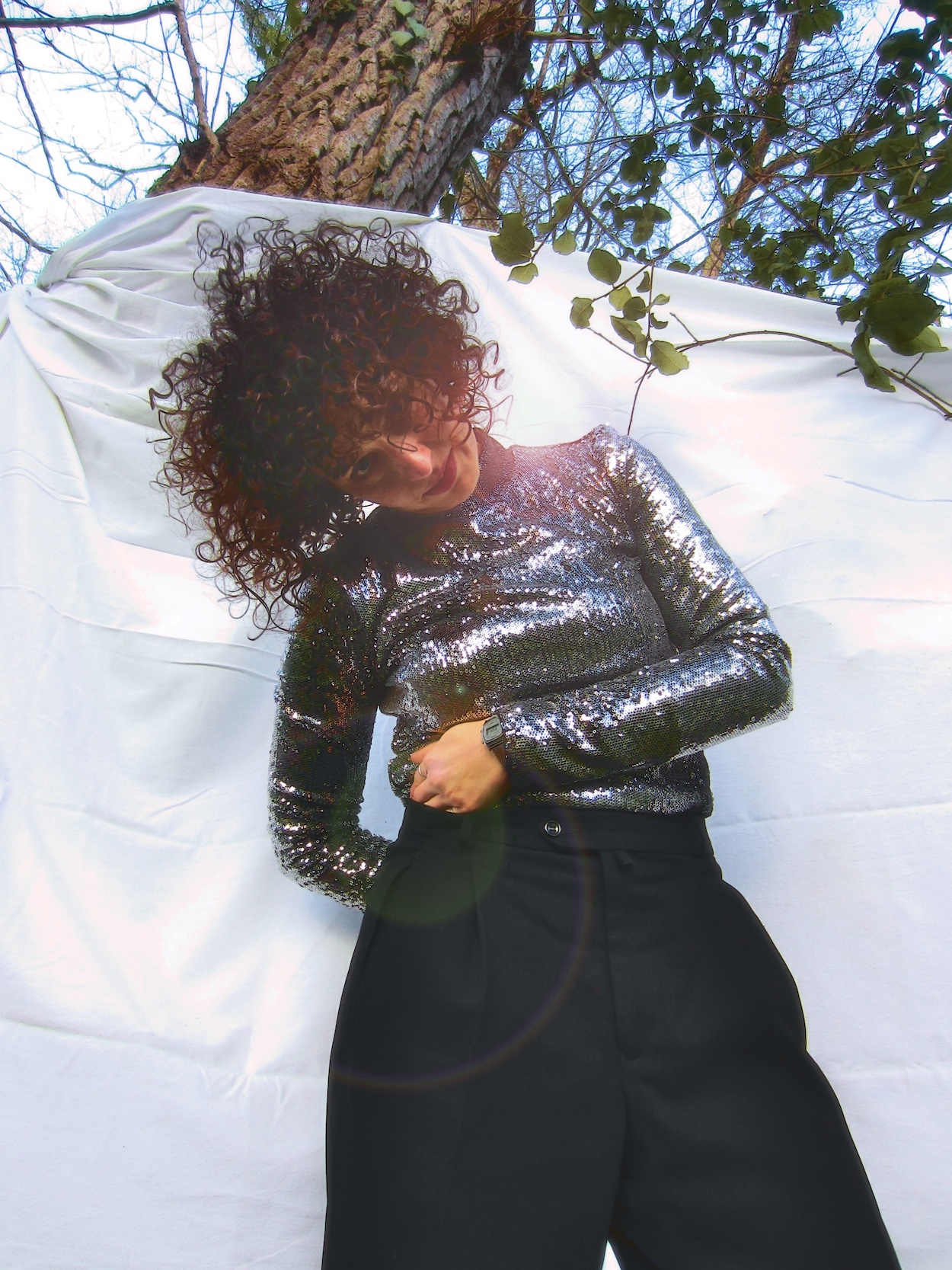
Since emerging from the countryside of southwestern France a number of years ago, molto morbidi has done her part to make music that indeed is true to herself and her artistic vision. The first batch of that arrived in the form of her 2019 debut EP, I Don’t Know What I’m Doing. This was followed by a few other EPs and then her first full-length release, 2024’s String Cheese Theory.
Now, the follow-up LP, Maybe Marcel, features some of her most emotionally revealing music to date, largely due to the fact that, during the period in which it was recorded, she was making frequent trips to see her mother in the hospital after the latter had been diagnosed with a severe stroke.
“The only thing I was really able to do was make music,” says the singer née Swan Wisnia, currently based in Bordeaux. “It would throw me into a universe of sound where I could focus on something I could control.” Oddly enough, I have really fond memories of that period, despite being psychologically quite fragile.”
All of this profound and personal lyricism makes a stirring listen out of Maybe Marcel, as do the record’s instrumentals, guided by Wisnia’s well-mastered usage of the keyboards, with a healthy stash of synths and strings thrown in for good measure. The signer further details the album’s production and emotional heft in the conversation with Atwood Magazine that follows.
— —
:: stream/purchase Maybe Marcel here ::
:: connect with molto morbidi here ::
— —
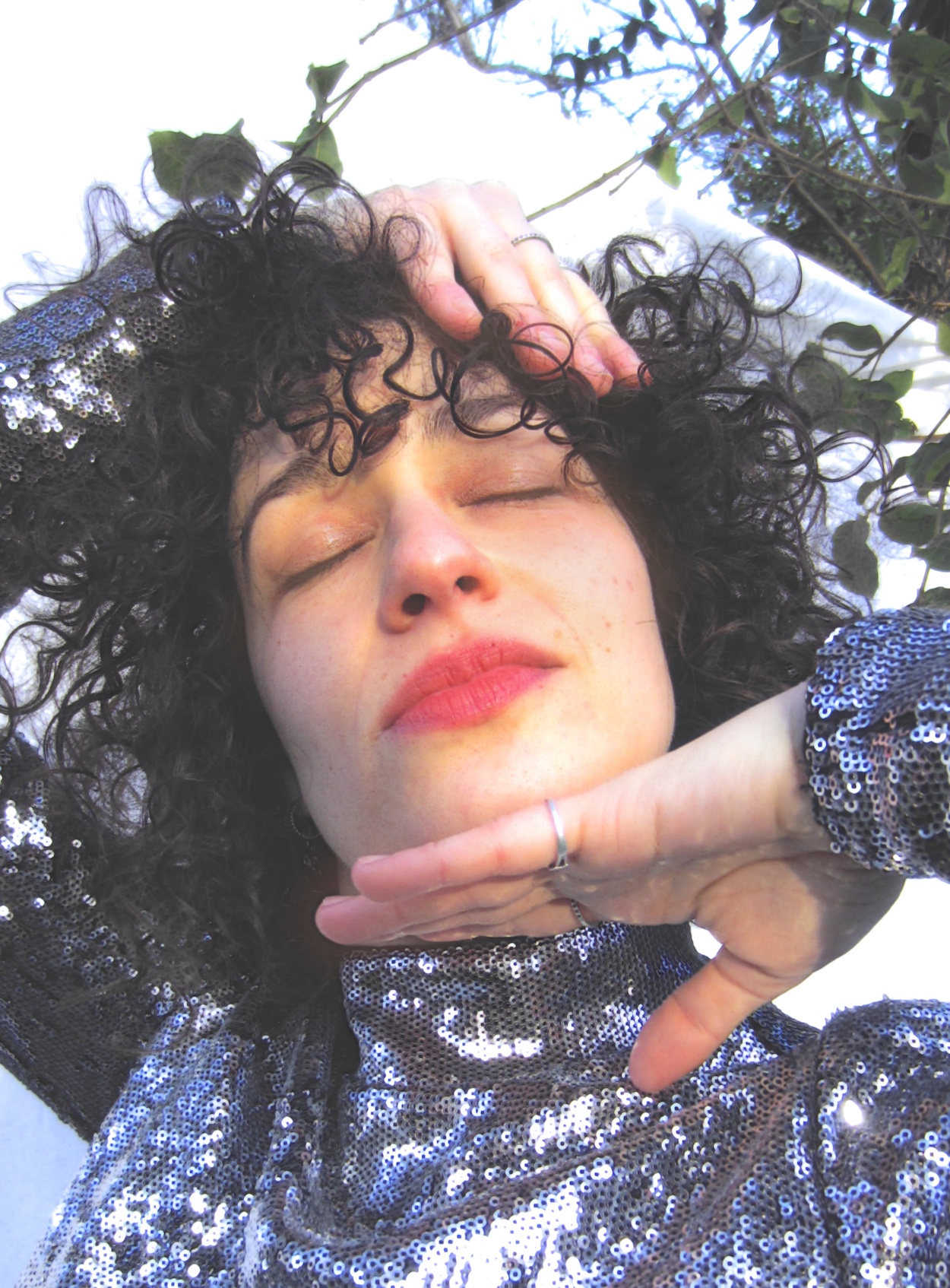
A CONVERSATION WITH MOLTO MORBIDI
Atwood Magazine: When you were growing up in France, what sort of music did you listen to or see performed?
molto morbidi (Swan Wisnia): As a young child, I mainly listened to whatever my parents and siblings were playing, which made for a very eclectic mix: mostly classical music with my mother; ’50s and ’60s pop classics with my father; ’60s and ’70s pop rock with my father and brother; ’90s hit songs with my sister; ’90s trip-hop and Britpop with my brother; and chanson française with my extended family. So, a real musical potpourri.
In terms of live music, I come from Dordogne, which is a very rural area, so most of the performances I saw were at a village café run by my cousins’ family. The music there leaned towards bal-musette, and sometimes jazz. All the musicians I saw perform felt close and accessible : they were often friends of the family.
It was much later, as a teenager, when I moved to a bigger city, that I discovered the sense of stage presence and the distance between performers and the audience. But as a very young child, attending “La Fête de la Musique” at that family café, I have a vivid memory of being mesmerized by a saxophonist and running to my mother to tell her that this was the instrument I wanted to play.
Unfortunately, it’s not recommended to start the saxophone too young, as it can affect lung development. So I steered towards the piano until I was old enough to take up the saxophone and I ended up falling in love with the piano. To this day, I still haven’t had my first saxophone lesson, though it’s something I haven’t given up on.
What was it like, two years ago, to finally release your first LP, String Cheese Theory? What sort of artistic breakthrough did this album represent for you?
molto morbidi: Before starting molto morbidi, I had always played in bands and released music in that context. I also struggled – and still do to be honest – with a strong sense of illegitimacy, which made me feel as though I had no value on my own as a musician. So releasing my first solo album was a major milestone for me: it was tangible proof that I could make music independently and stand on my own.
The time I spent in the studio recording it was also a very important step. I had this irrational fear that the people working there would realize I was a complete fraud and send me home. What actually happened was quite the opposite – I felt that it was a place where I truly belonged.
The release itself was a bit more rocky. It was the post-Covid era, and the last LP I had released was back in 2014 with my band, so it felt as though everything had completely changed. I often had the impression that I was understanding how things worked just a little too late to actually do them properly, which was frustrating.
Recording a second album is challenging for many artists; they must guard against the dreaded ‘sophomore slump.’ What steps did you take when producing Maybe Marcel to ensure its success?
molto morbidi: Being completely under the radar gives me total freedom to do whatever I want, and I have to say I haven’t thought about it much, since I don’t feel that people expect anything from me. That said, I have to be honest: when I create, I don’t think in terms of success or anything like that. My goal is simply to write and produce songs that achieve whatever I set out to do when I started working on them – which isn’t always easy to define, but is something internal to the work itself and not defined by external expectations.
I’d rather fail completely having made music that’s true to me than find success making songs that don’t fully resonate. The context in which this album was created also made things more urgent in that respect: going through something difficult is always a strong reminder of what really matters. And for me, what matters is being true to yourself when creating – and I know how cheesy and cliché that sounds – otherwise it feels meaningless, and I wouldn’t feel excited about doing it at all.
You recorded this album during a difficult time in your life. What are some key ways you channeled your intense emotions into compelling music?
molto morbidi: I feel like it wasn’t really about channeling my emotions into the music, but rather embracing music as a way to manage my emotions. When I’m immersed in music, the outside world kind of tunes itself out. When you have no control over things and you’re constantly expecting terrible news, spending hours concentrating on finding the right snare sound is just a blessing. I also struggle with anxiety, and it’s hard for me not to have my mind racing constantly when I experience fear, so it gave my mind very welcome breaks, which I’m sure helped me process what was happening more easily.
You said that “the album moves between the intimate and raw to the playful and inventive, creating a universe that is at once dark and hopeful.” Can you give some examples of moments where you feel as though the record achieves this most successfully?
molto morbidi: I guess the opening track, “To Get My Life in Order,” and the final track, “So Perfect the Loose Ends,” are good examples of what I mean. On the opening track, for example, the lyrics are quite dark, exploring the idea of a messy life – of feeling forced to make choices, of being pushed to betray your inner child – and yet I had fun with the backing vocals, singing “chalalas,” which I think makes the whole thing a bit lighter.
On the closing track, the piano is very playful and contrasts with the bittersweet idea of learning to let go. The track ends with the lyric “it’s clear now,” which echoes the opening line of the album: “It’s going to be clear.”
Now that Maybe Marcel has just come out, what are some ways you hope fans will connect with the music and your message?
molto morbidi: The simple fact that people respond to your songs – meaning they feel something, anything – is wonderful. And I think I’d be really happy for people to engage with the music in whatever way they want. To me, that’s where the magic of releasing music really lies: the surprise of seeing how people relate to songs you’ve written, and how they discover your work. That said, on release day someone reached out to tell me how the song “Mum’s Not Fine” personally resonated with them, which made me feel it might help someone dealing with a parent’s deteriorating health feel less alone. And I’d be glad if that were the case.
What inspired your stage name, ‘molto morbidi’ (‘very soft’ in Italian)? Is this what you want your music to be? Is it how you want to be viewed as a person/artist?
molto morbidi: What drew me to the name was the fact that it’s a false cognate. To a French or English speaker, “morbid” suggests something rather dark, associated with death. I loved the fact that it actually means soft and tender. What I like about the name is the tension between those two very different, almost opposing meanings. I think I want my music to explore that tension, to exist somewhere in between.
Thinking about it now, I realize that my answer to your previous question about juggling darkness, inventiveness and playfulness in my latest release suggests that this might be my most “molto morbidi” work. More broadly, as an artist, regardless of the name I might choose, I’d like to convey a sense of gentleness – although it might sound a bit vanilla – that makes people feel safe.
Are you planning to tour or perform your music live? If so, what do you hope will result from that?
molto morbidi: Yes, absolutely! I’ll be touring in the spring to promote the album in France and Belgium. I hope it will help me connect with a mindful audience. I’ll mainly be playing record shops, small cafés and DIY venues. I’ve realized that playing to small, truly attentive and engaged audiences allows me to make my performances very special and intense.
From my experience, it’s sometimes even more emotionally demanding than playing bigger stages, but the reward is proportional. It’s also a great way of honing my new set. I’m currently working on putting together a UK tour for the autumn.
Anything you'd like to add?
molto morbidi: Picking up on what I’ve just said about putting together a UK tour – if any readers are keen to help (house gigs, small cafés, libraries, bowling alleys), do get in touch! Also, thank you for giving me the opportunity to talk about my new album.
— —
:: stream/purchase Maybe Marcel here ::
:: connect with molto morbidi here ::
— —
— — — —
Connect to molto morbidi on
Facebook, Bandcamp, Instagram
Discover new music on Atwood Magazine
© Jane Pujols
 © Jane Pujols
:: Stream molto morbidi ::