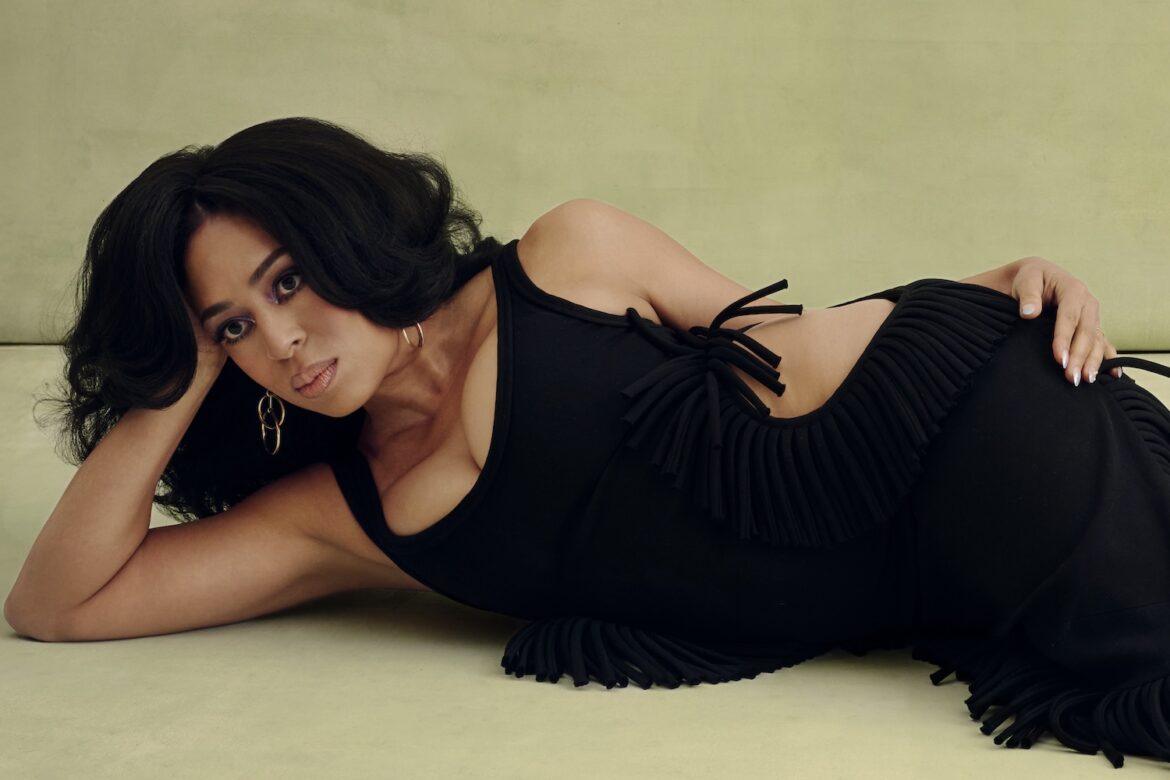
Award-winning interdisciplinary artist Candice Hoyes finds the future in the past on her deeply rooted debut solo album, ‘Expecting.’ From Minnie Riperton and Zora Neale Hurston to motherhood and Afro-psychedelia, Hoyes reflects on the histories, memories, and relationships that shape a remarkable celebration of Black artistry, inheritance, and living memory.
Stream: “Love Over Mind” – Candice Hoyes
I will always use my music to immortalize and make Black women’s history transcend the present minute.
* * *
Candice Hoyes speaks about the making of her debut solo album, Expecting, with a rare frankness.
The record was created under the strain of pregnancy, an earthquake, self-doubt, and the everyday pressures of being an independent musician. These are not presented as distractions from the music, but rather as part of the music.
If there is a leitmotif binding together the many facets of Hoyes’s life, it is a sense of devotion: To the song, to the work, and to the community that made this record possible.
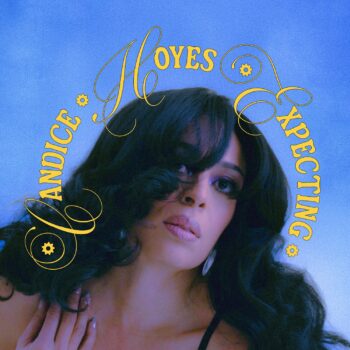
Though Expecting marks a major milestone for her, Hoyes has spent more than 15 years building a wide-ranging practice as an interdisciplinary vocalist and composer. Her work moves between jazz and classical performance, scholarship, visual art, and cultural advocacy, with collaborators including Moor Mother and Chaka Khan and recent roles with the Harlem Chamber Players and Georgetown University’s Gender Justice Institute.
Hoyes is a caregiver as much as an artist, and she brings the same determination and depth to both roles.
The making of Expecting reveals her striking ability to navigate the space where creativity and classical training intersect, letting one inform the other without losing her grounding. Afro-psychedelic explorations sit easily alongside literary allusions, as Hoyes listens simultaneously to the ghosts of Langston Hughes and Zora Neale Hurston (both writers she names as influences on the album), her own family stories, and the echoes of her childhood Jamaican dances. The past is not something to be mined and put away, but rather something to be woven into the present.
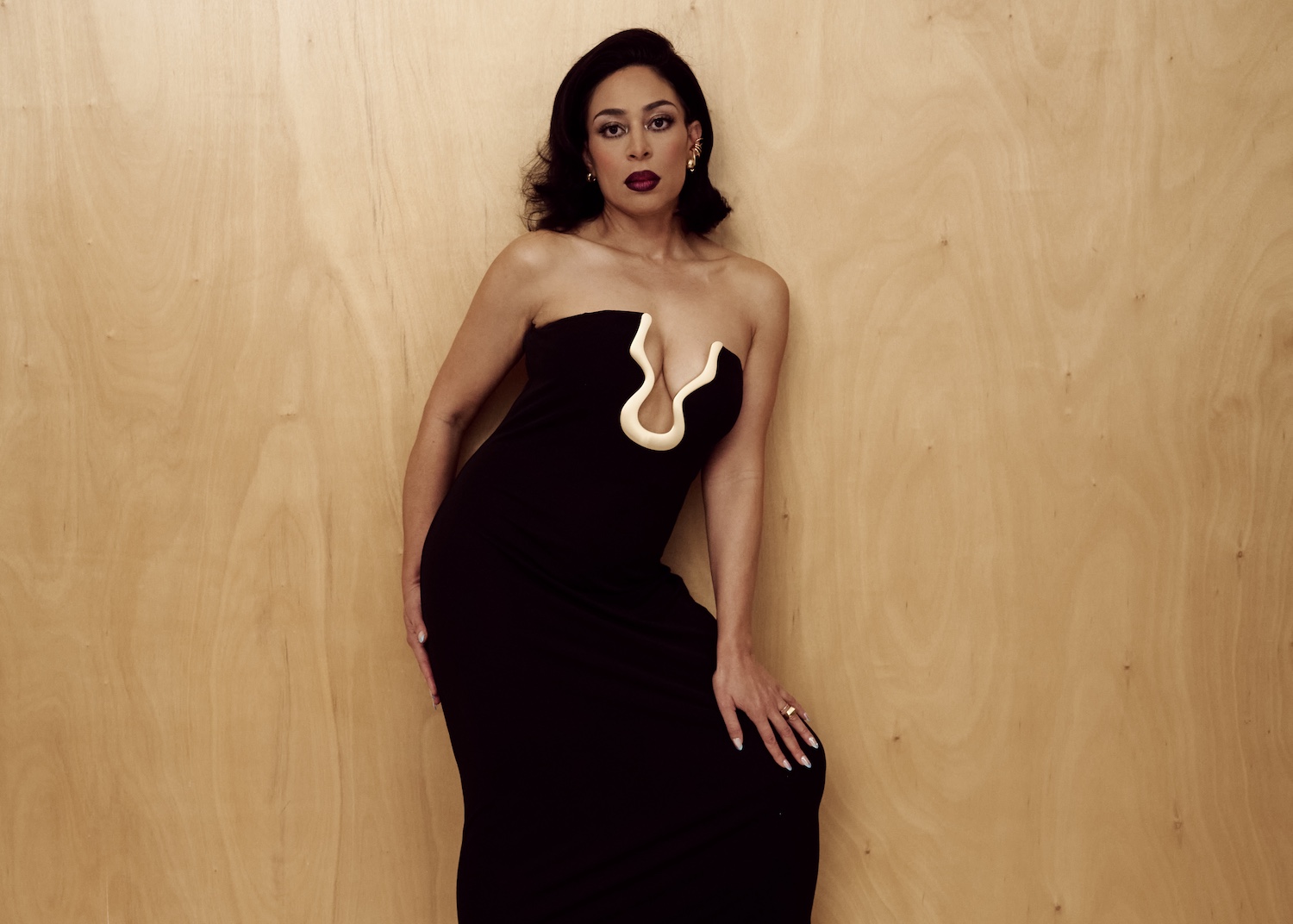
The same reverence for connection fuels the record itself, as Hoyes revisits a song made famous by Minnie Riperton and Charles Stepney.
It becomes a springboard into reflections on Black feminism, girlhood, the legacy of motherhood, and the importance of carving out space for one’s artistry. Time is a constant undercurrent in the album, as Hoyes reckons with aging, the slow progress of creativity, the gifts of her ancestors, and the fragility of life.
It all adds up to an insistence on making the most of what we have, on using the resources around us and within us to sustain what matters most.
“It feels like how people exist with music, not what people consume,” she says, recalling nights spent dancing with her family in Jamaica, where multigenerational groups would gather to hear music, and long evenings spent listening as songs unfolded. She thinks of archives as existing not just in museums and research libraries but in recipes, in family histories, and in the worn vinyl records she listens to when she needs to hear the past most.
“There is a place we can continue to move forward,” she says.
A place where joy and grief are always tangled, where the earliest utterances of her daughter are mingled with the speech patterns of her 103-year-old grandmother, Nana Dorothy. This is what fuels Hoyes’s music – her ability to keep the past present – and it is a gift that extends to her audience. It is no less present in the way she talks about her late friend and collaborator Casey Benjamin, or her gratitude to the scholars and mentors who nurtured her along the way, or her very public celebration of her own daughter’s emergence as an artist.
All of it blends into the experience of listening to Expecting, where Hoyes continues to explore themes of memory, legacy, and motherhood with a commitment to unvarnished honesty.
The album serves as a gentle provocation to slow down, to really listen, and to recognize that the work of remembering is the work of living. We are urged to pay attention to the people and stories that shape us, that define us, that stay with us for our entire lives. Every song on Expecting lives with the power of memory, the power to ask questions, to call something forth from the past and to stand as a witness to its time.
— —
:: stream/purchase Expecting here ::
:: connect with Candice Hoyes here ::
— —
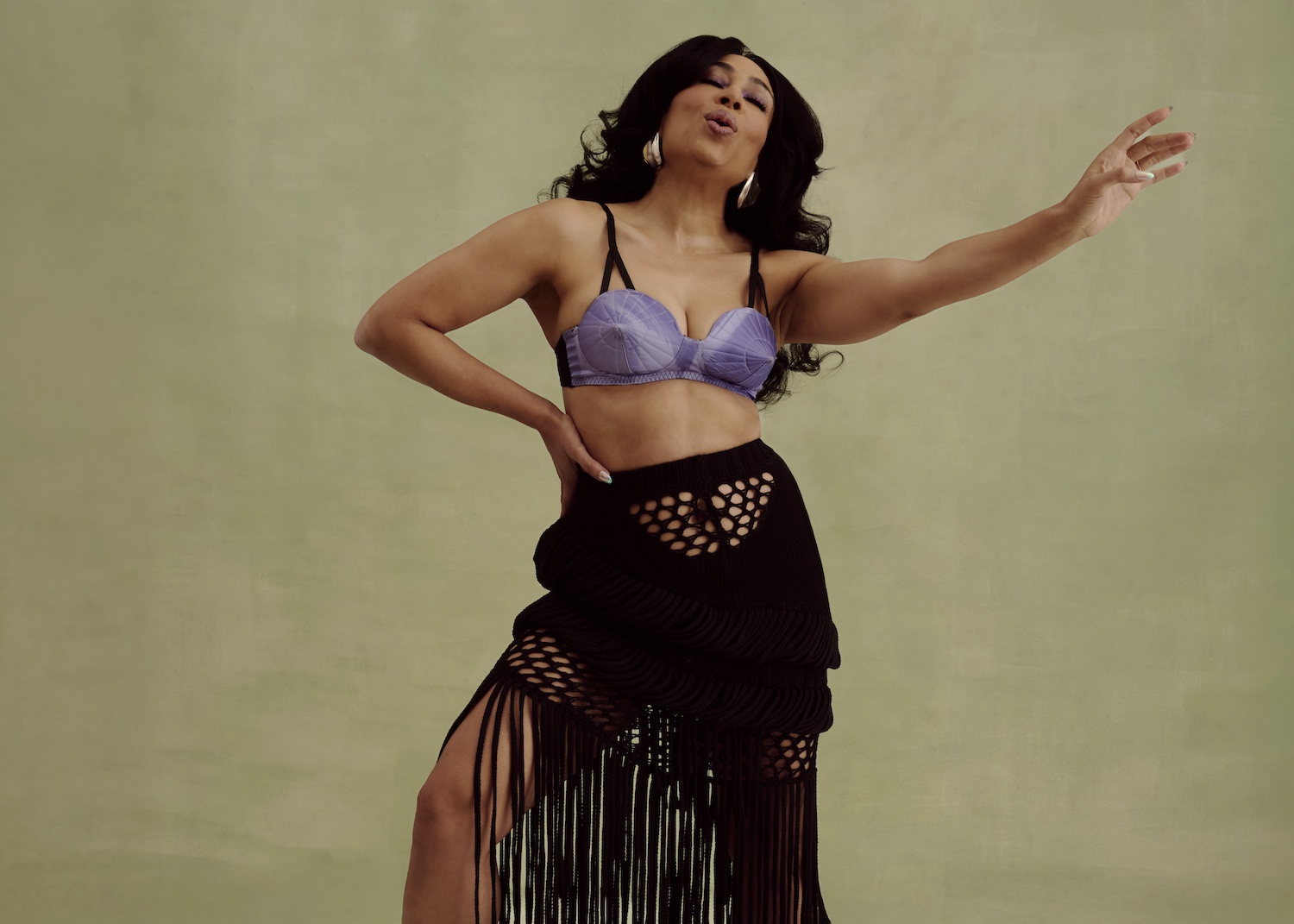
A CONVERSATION WITH CANDICE HOYES
Atwood Magazine: For those just learning about you through this interview, what do you want people to know about your music?
Candice Hoyes: I would ask them do they love the sound of Frank Ocean, Kehlani, Sade or Minnie Riperton if they are a vinyl lover? If yes, then I’m their next stop. I want them to know that I have new music coming for them that I recorded through every major moment of life, from birth, to natural disasters to releasing the album through a record label being my own executive producer. I feel it gives my album Expecting a ton of courage and edge because I put myself on the line just to make it happen.
Expecting feels deeply rooted in both personal memory and collective history. When you listen back to the album now, what do you hear that perhaps wasn't fully visible to you while you were creating it?
Candice Hoyes: “Expecting” is a song that vinyl collectors and DJs have revered for years, and yet I am the first artist to cover it in fifty years. When I was creating it, there was a point where I started over from scratch. I had to be super patient with myself, to sacrifice profoundly to afford production, to balance all the artists and their needs, and to be brave enough to take on a song I have never heard performed live. I felt alone in those days. So nothing was fully visible while creating – I just had to learn as I went and give it all I have. Now I love the result so deeply.
You describe yourself as someone who “connects the dots with each stroke.” How has that instinct for connecting histories, stories, and sounds shaped your identity as an artist?
Candice Hoyes: I’m sure the impulse to fold in many dimensions into each piece of music and art is also counterbalanced by my need to edit as the music is revised in production. Although you hear soul, jazz, Afro-Caribbean, literary themes, all these inspirations in my songs, each song is a story and all I focus on is telling that story. I am able to use diverse history, archives, motifs and styles because the topics I love to study are ranging. On top of all that, I’m especially spiritually on a mission to bring Black women’s lived experiences to light. So building musical connections that show up in songs is partly about richness of influences and partly about being super intentional that the influence makes that particular song or album more vivid for me and for the listener.
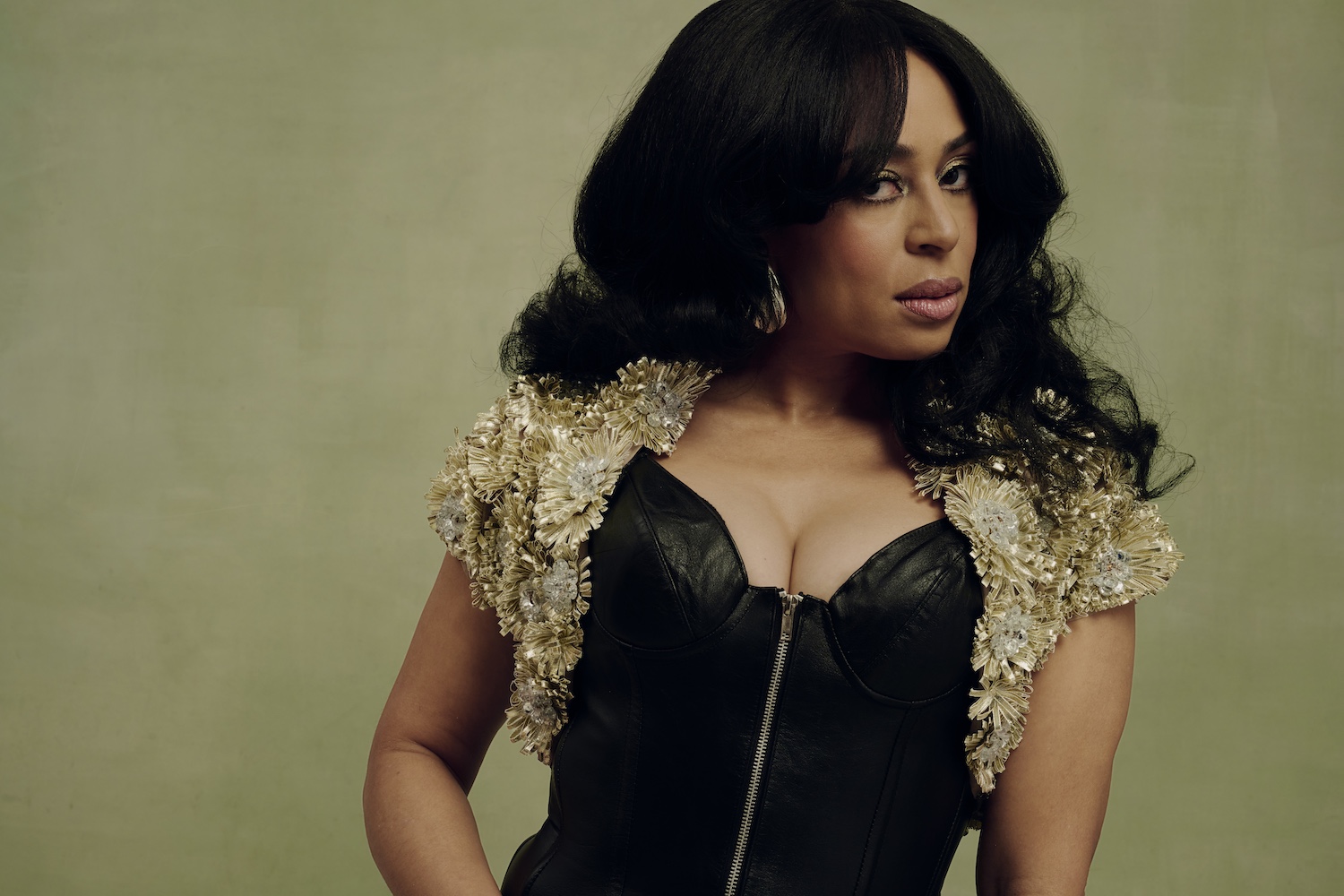
Growing up in a Jamaican household on Long Island, what musical moments from your childhood still echo most clearly in your work today?
Candice Hoyes: Yes, both my parents, in fact my whole family is from Jamaica and every year, I am there too. I always loved seeing adults dance, something we still do around every holiday, fundraiser, celebration, carnival, day in and day out. It’s not for tiktok, it’s just for the live sensation of being one as a group, and this is part of music culture in Jamaica that crosses generations. That is a powerful personal message that music is a healing transformative language.
I love that image of multiple generations dancing together simply for the joy of being together. Throughout your career, you've been drawn to archives and overlooked stories. What first sparked your fascination with uncovering voices and histories that have been left out of the mainstream narrative?
Candice Hoyes: Very early, as a child doing musical theater, reading authors, and watching MTV, I could see that I was not considered the “lead girl” or “All American” by how I show up in the world, the food cooking in my kitchen, and much more. I saw the scant passages in history books and I was always given a ride to Barnes and Noble or the local college library. My parents gave me unlimited music, books, films, and they traveled with me. Once I got to high school and college, I learned how to research and find what I needed.
You studied African American history and culture alongside figures like Cornel West and Henry Louis Gates Jr. How have those academic experiences continued to influence your creative process?
Candice Hoyes: I studied with Kimberlé Crenshaw and Evelyn Brooks Higginbotham, and was a history intern for Dr. Higginbotham as well. As I realized that being a music producer has been a way to open creative doors, I realized that my references are all valid and inspirational as long as they are true to me. Like all techniques, these are the first tools that artists and writers use to build a foundation and after that, it is about your imagination, spirit and the collaborators who change your course. I will always be a researcher and a voracious reader because it increases your compassion and wisdom.
Before fully embracing music, you pursued law and advocacy work. Do you see a connection between cultural advocacy and artistic expression in your life?
Candice Hoyes: Yes, in fact, it has always been unified in me. I see music performed live for an audience, which is all that I do, as a democratic act. This is civic participation, and this is community building. This is loving people in public as they are, having actions match words.
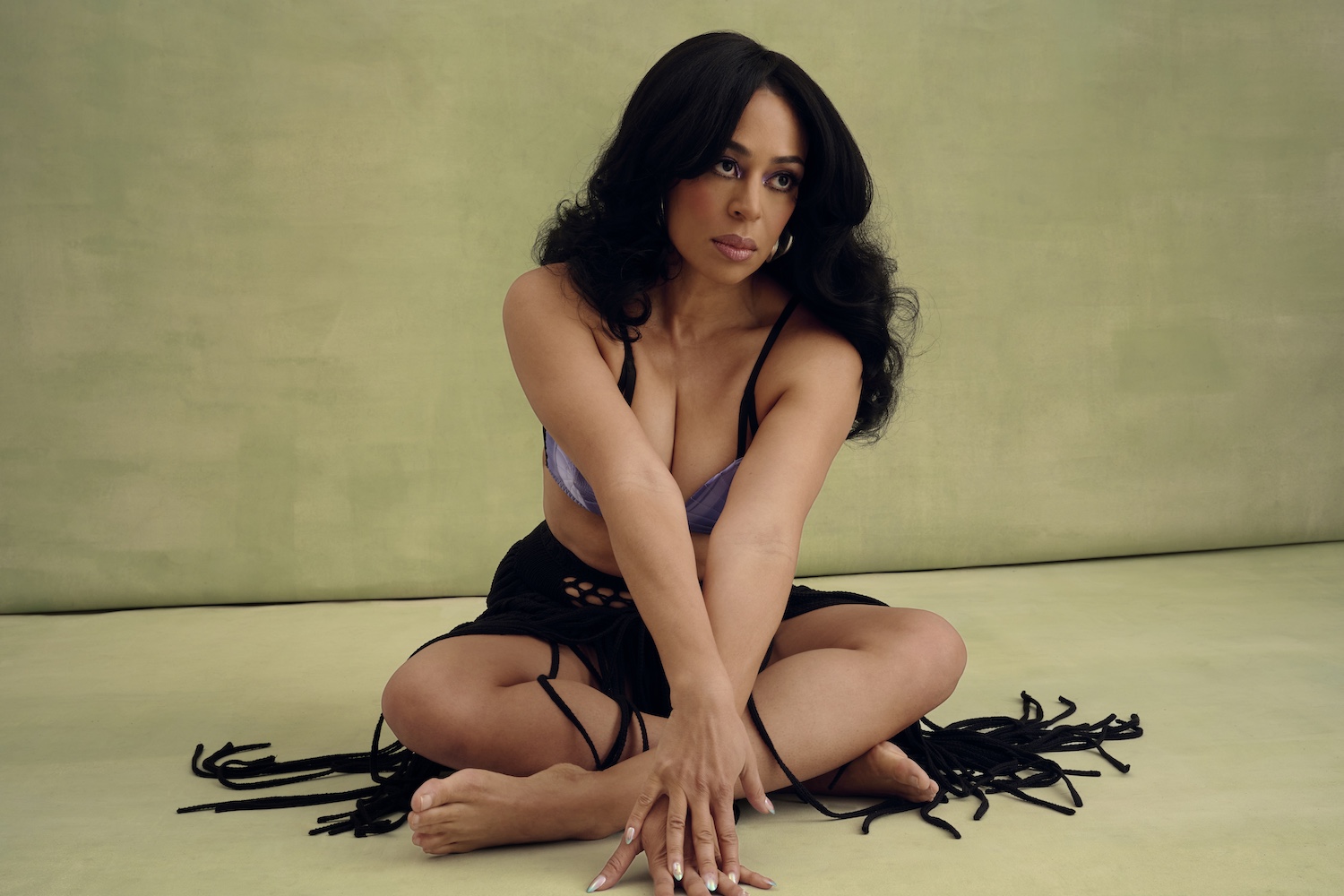
Your voice moves beautifully between opera, jazz, soul, and experimental music. Have you ever felt pressure to fit within a single genre, and how have you learned to resist those expectations?
Candice Hoyes: Yes, every day I wake up to head to work, I feel the pressure to assimilate. I use social media often as an independent artist, and even on tour, you hear about how marketing is the artist’s job. I will always have a switch in my third eye, on my forehead, that shuts off marketing when I want to because I trust that what I have to share is inherently meaningful. It’s definitely the case of more than one thing being true, and each artist has to keep her power to have her finger on that switch. For me, I don’t share images of my kids’ faces, I don’t share in real time, things like that.
Your collaboration with Sullivan Fortner seems to have been built on a shared love of storytelling. What did the two of you discover about each other's creative language while writing together?
Candice Hoyes: Sullivan is such a brilliant human and a truly kind friend. He has an amazing capacity to speak several things at once pianistically and his beautiful singing voice makes writing vocal music so much fun. We work really quickly and quietly, but the whole session we are diving into complicated life experiences and texts. It’s an honor to work with him and be his friend.
The late Casey Benjamin played a significant role in shaping Expecting. What are some of the lessons or memories from working with him that remain with you today?
Candice Hoyes: I am still trying to find the words because I miss my friend. He used to tell me when I would say, “This song I wrote, it’s too sad to share,” he would say, “What?! You gotta share it if it’s sad. That’s the whole point.” So, in Casey’s remembrance I want bolder creative language. I have to also say that he was young and it was so sudden. The lesson in that is for everyone not just me. Please stay connected to what you are called to do, and make sure you are creating it. Don’t wait to feel popular or co-signed.
Thank you for sharing that. That's a moving lesson to carry forward. Songs like “Zora’s Moon” transform historical figures into living, breathing presences. What attracts you to writing songs that place listeners in conversation with the past?
Candice Hoyes: The child in me needs Zora Neale Hurston as close in my world as possible for all that her words, deeds and the ramifications of her creativity has meant. Across so many countries there are widespread factions trying to censor comedy, news, art, education, healthcare, history. I will always use my music to immortalize and make Black women’s history transcend the present minute.
Langston Hughes's words become something entirely new in “Tired (Waiting for the World).” What challenges and opportunities come with adapting literary works into music?
Candice Hoyes: I love the conversations I have about Langston Hughes poetry, and what Harlem means around the world. I also feel it is a kind of Easter egg for the book people and poetry lovers, which feels really great as a songwriter in a streaming world. I know there are these treasures inside my songs that fly counter to streaming commerce and for those that don’t care, they won’t see it coming.
Your reimagining of SWV’s “Rain” is striking because it honors the original while expanding its possibilities. What inspired you to revisit that particular song?
Candice Hoyes: I was covering “Rain” in my live shows, when some of the band was like “wait you have to put that on the album.” Keyon sounds amazing, as we knew he would, and Casey was super open to collaborating and making this duet. I like how in our own way it’s a trio feature like the original.
The album often feels like a conversation between generations. How conscious were you of ancestry and lineage while sequencing the record?
Candice Hoyes: You are an artist who is recording pregnant and just know “wow, in some ways this is physically exhausting and in other ways this is epic in the timeline of my life.” I was already living an intergenerational life! That said, my grandma, an incredible fashion artist and seamstress, is 103. I think of her daily, and I wanted to reflect my first and foremost influences, especially before I labeled myself a musician.
The title track, originally associated with Minnie Riperton and Charles Stepney, carries enormous emotional weight. What did inhabiting that song teach you about your own journey?
Candice Hoyes: This song is one of few where the third person narrator is speaking from the “she” to say “she is 16.” So seldom are Black girls and adolescents allowed to be children, to be innocent in society, and far too often we are not empowered or protected. This remarkable song, owing to the profundity of Afro-psychedelic music and Afrofuturism, specifically by Charles Stepney and Minnie Riperton, tells that girlhood story as it transitions into womanhood on its own terms. The use of the voice is also so high, using extreme high notes most people cannot perform. This adds a cosmic quality and makes the whole experience feel sacred. When you see the music video for Expecting you will notice Simone Holland and I shot exclusively during the turn of the season, as leaves cling to branches, some green and some autumnal.
You speak beautifully about the Black Feminine Divine. How did that concept guide the emotional and spiritual heart of Expecting?
Candice Hoyes: I have been a professional music artist over 15 years and I am seldom ever spoken to about being a Black woman. For the first of my albums, I wanted to turn that on its head and make this the primary perspective – one that all humans can connect to, and many people, curators, listeners will find new experiences in. I have spoken to journalists who say they have never read Hurston, and maybe my music will spark new curiosity while giving deep flavor, to her words and the tone of her voice, in and of itself in my song.
One of the album's most moving moments is hearing your daughter on “Notebook Age Eight.” What did it mean to invite her voice into a project so deeply concerned with legacy and inheritance?
Candice Hoyes: Her voice actually changed while I was creating this work, and I was blessed to document her greener voice. She also elected not to be named this summer as I was uploading the album credits. Like any parent I felt proud of her fugitivity and also I am most excited to see if she loves the way the album sounds. She will tell me the truth no holds barred. A real one.
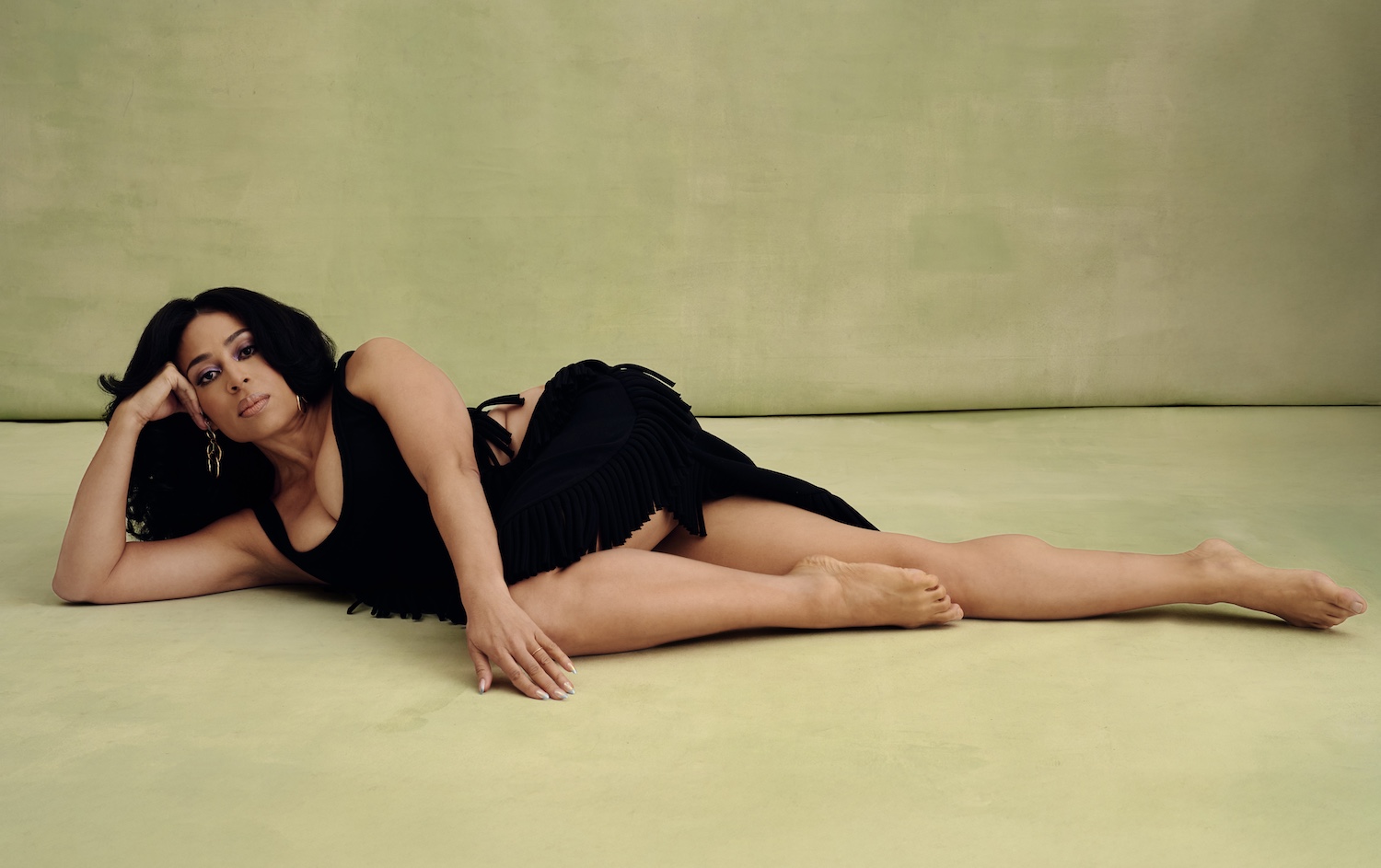
That’s truly special. Afro-psychedelia emerges as a powerful thread throughout the album. What draws you to that sonic space, and what possibilities does it offer that other musical languages do not?
Candice Hoyes: I don’t live in that world, and I think I’ve written a lot of music dreaming about it. One of my honors is being a part of Rotary Connection 222, and having the ability to inhabit and reinterpret this music in real time! To see thousands of people respond and to hear what my partner’s create. I am always going to return to that music and the ways in which it emerged post-Civil Rights Era, amidst several liberatory movements and the visions of love, justice and freedom we haven’t secured yet.
Many artists look forward, while your work often looks backward in order to move forward. What do you think contemporary culture can learn from spending more time with its archives?
Candice Hoyes: I want to tell people that you are capable – just stop the scroll and make friends with a vinyl record, an uncle’s story, a film, memory and a book. When I scroll I am often looking for a pressure release! I have to practice my scales and I’m not in the mood, so I tap to see my people or a new restaurant and that’s okay. However I feel more affirmed when my eyes are taking in a direct source. It’s like tasting a pancake rather than watching someone perform pancake eating. And also realizing there are many spheres of archives not only held in institutions but even your family recipe book, or a VHS tape!
I love that idea, that archives aren’t confined to museums or libraries. Healing appears repeatedly throughout your work – not as an abstract idea, but as an active practice. How do you hope listeners might be transformed by spending time with Expecting?
Candice Hoyes: I feel that the focus on healing has to do with the way I connect over time show after show. Seeing the look on someone’s face or afterwards hearing the context of where that moment falls during a bad day or a struggle overcome, or often a first. “I have never heard someone sing that song live and I never thought I would!” This memory-building and inner expansion is a form of healing that endures past the moment.
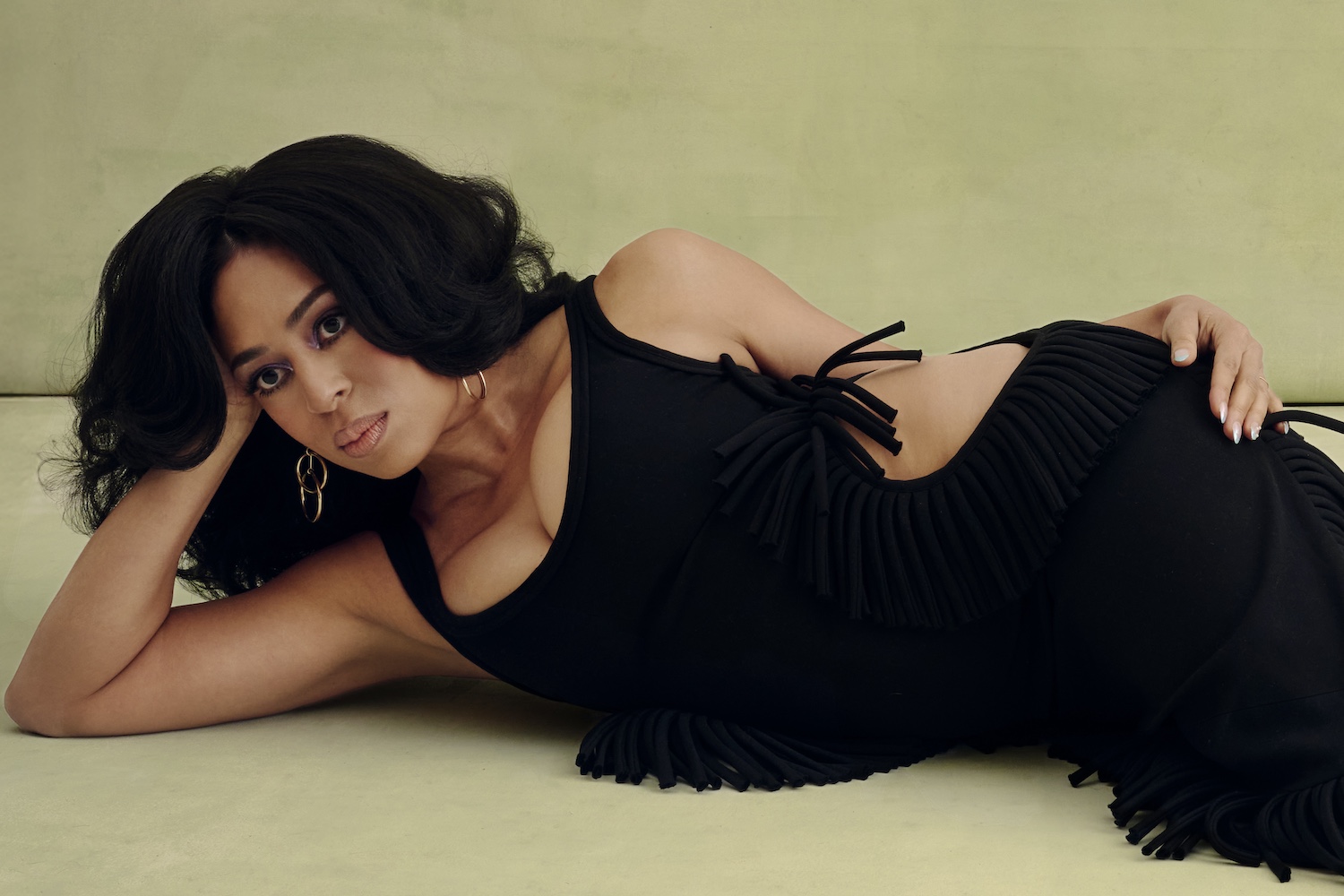
You've spent years bringing forgotten stories into the light. Looking ahead, are there particular histories, voices, or creative paths you're feeling called to explore next?
Candice Hoyes: I was just awarded a NYSCA grant to compose for the Harlem Chamber Players in 2027 which is thrilling. I’m also headed into the studio again with Sullivan Fortner and with trumpeter composer Jeremy Pelt. And I am delighted to join Georgetown University as Researcher in Residence at the Gender Justice Institute.
“Pink Clouds” introduces listeners to one side of Expecting, lush, dreamy, and open-hearted. What does “Love Over Mind” reveal about the album that listeners haven’t heard yet, and how do those two songs help frame the record as a whole?
Candice Hoyes: “Pink Clouds” is a love song as a deep connection is forged yet the lyrics ask so many questions: how enduring and monumental is this feeling, is this life something we will do together? “Love Over Mind” is a very connected and contrasting slant on how we view ourselves in relation to loving another. This cover of a deep cut by the family band The Sylvers has dimensions of coming of age, and after understanding it all, maturing and knowing as much as one can, there are still deliberate moments where we do it just for the sensation, intuition and to break into a brand new realm.
— —
:: stream/purchase Expecting here ::
:: connect with Candice Hoyes here ::
— —
— — — —
Connect to Candice Hoyes on
Facebook, 𝕏, TikTok, Instagram
Discover new music on Atwood Magazine
© Courtney Yates
 © Courtney Yates
:: Stream Candice Hoyes ::