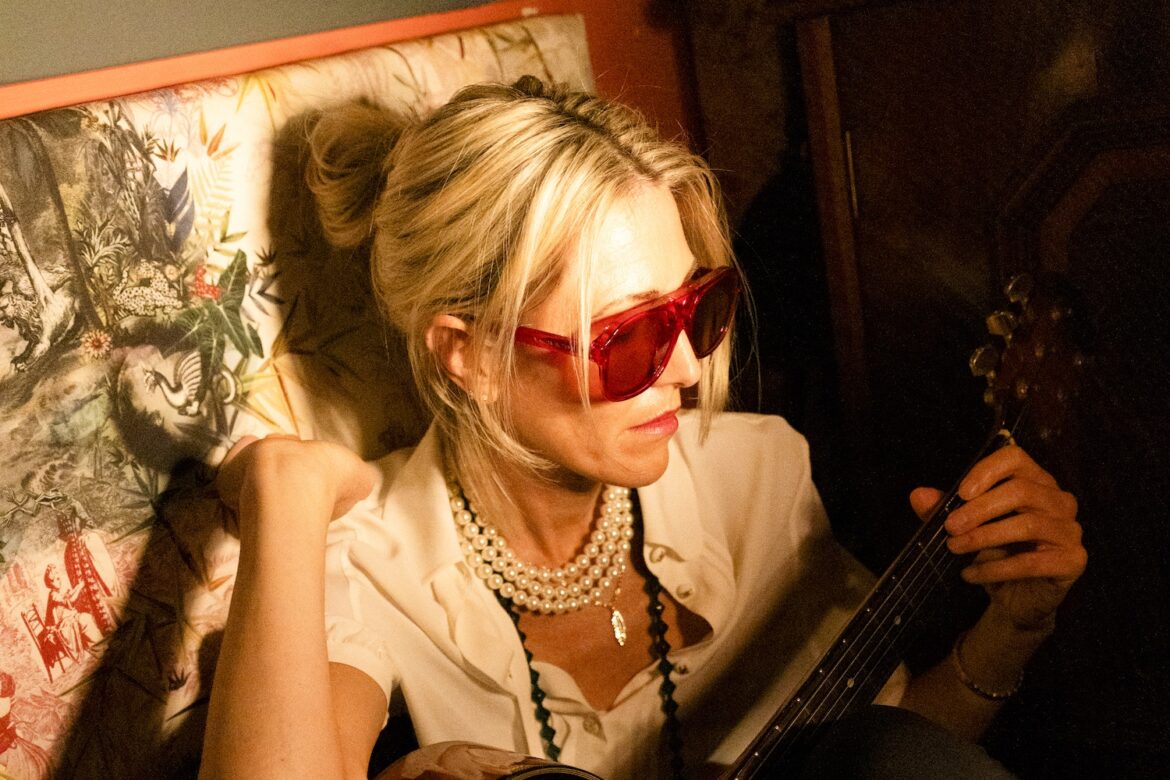
On “The Car,” singer/songwriter Bird transforms the slow-motion wreckage of a relationship into a cinematic meditation on grief, memory, and the emotional landscapes we revisit long after they’re gone.
 follow our Today’s Song(s) playlist


Stream: “The Car” – Bird
Bird circles that hazy border where memory and imagination bleed into each other, turning the familiar into something reshaped by recollection.
With more than two decades of experience as a classically trained multi-instrumentalist and session musician, she brings an instinctive sense of craft to her solo work, shaped by taking up cello at six and drums at eleven. On “The Car,” a standout track from her album Held Here Together, she takes one stark image and lets it open into a living emotional world that deepens with every listen.
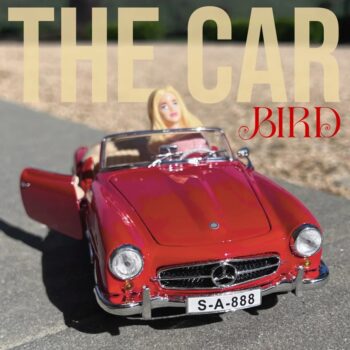
That landscape grew out of a stripped-back creative process. During Italy’s strict COVID lockdown, Bird (aka Janie Price) found herself isolated from her studio and instruments, armed with little more than a desk microphone, a miniature MIDI keyboard, and a child’s ukulele ordered online. “The Car” emerged from those skeletal demos, written while the world itself felt suspended in uncertainty.
Revisiting “Warm Leatherette” by The Normal during that period sparked the initial idea, but Bird turned the car crash imagery inward. Rather than chronicling physical collision, she transformed it into the slow-motion collapse of intimacy, where two people can sense the impact long before it arrives. She later reflected that the world itself felt like it was hurtling toward disaster, and that sense of collective unease seeped into the song’s DNA.
“During the COVID period I was stuck in Italy in a fairly brutal lockdown – I didn’t have access to my instruments, etc., so I went on Amazon and bought a little desk mic, a mini MIDI keyboard, and a kids’ ukulele – with just that I created a whole set of crazy demos, of which ‘The Car’ is one,” Bird tells Atwood Magazine.
“It was a weird, almost dystopic time, and I was also listening to a lot of my old favourite music from when I was a teenager – ‘Warm Leatherette’ by The Normal (the guy who eventually formed Mute Records) popped up a lot – I guess it felt appropriate being about a car crash, like the whole COVID-infused world was a car crash, and I wanted to write my own version of this – inspired by, but concentrating on, the car crash being a metaphor for a broken relationship (of which I’ve had my fair share). I had a lot of fun making the video, partly inspired by some of the processes we used in my award-winning (she drops immodestly for an Irish/Brit 🙂 ) short film, ‘Wider Than The Sky.’”
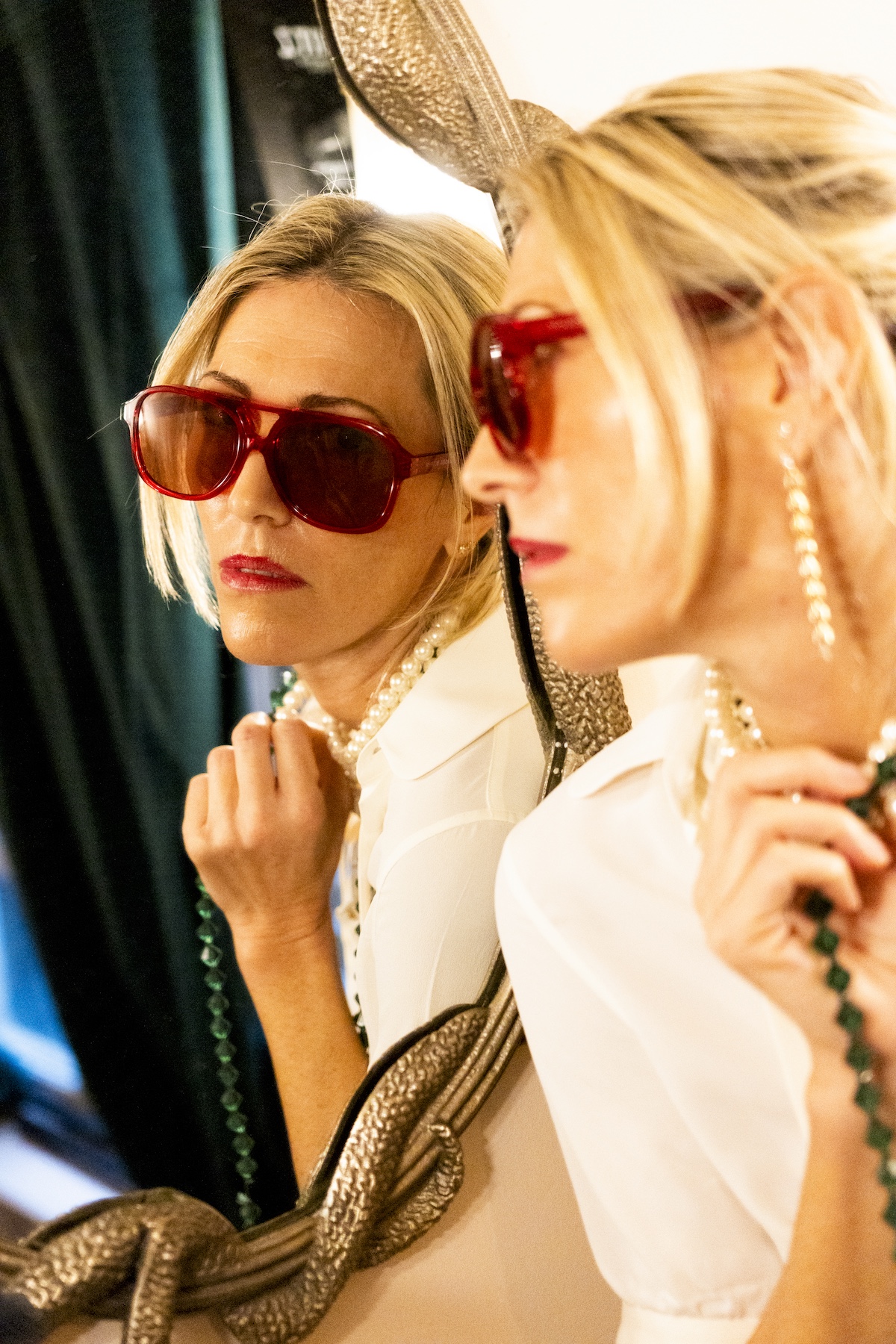
The song arrives suspended in its own quiet moment.
A lone fingerpicked acoustic guitar traces the melody, and then rich strings slowly gather like storm clouds rolling in low on the horizon. Nothing feels piled on too thick. The arrangement swells subtly, the same way heartbreak builds, quiet and unstoppable, until yesterday and right now lose their separation.
What gets me about “The Car” is how much meaning she draws out of that single image. A crash is never just metal and glass. It becomes a relationship spinning out of control, rushing toward an ending both people can see but neither can stop. From the very first line, “You smell the fire, but you open the door,” the contradiction cuts deep. Danger is right there in front of you, yet the pull is stronger. Love has a way of convincing us to ignore the very instincts meant to protect us.
Later, the perspective shifts: “I smell the fire, but I close the door.” Changing just a few words transforms observation into agency. The narrator has returned to the same memory, now carrying knowledge they did not possess before. Memory, Bird seems to suggest, is never fixed; we keep circling back, reshaping it, hunting for truths that stayed hidden in the moment or imagining the choices that might have spared us the wreckage. Those images of twisted steel and shattered glass speak to wounds that had been widening long before the final impact.
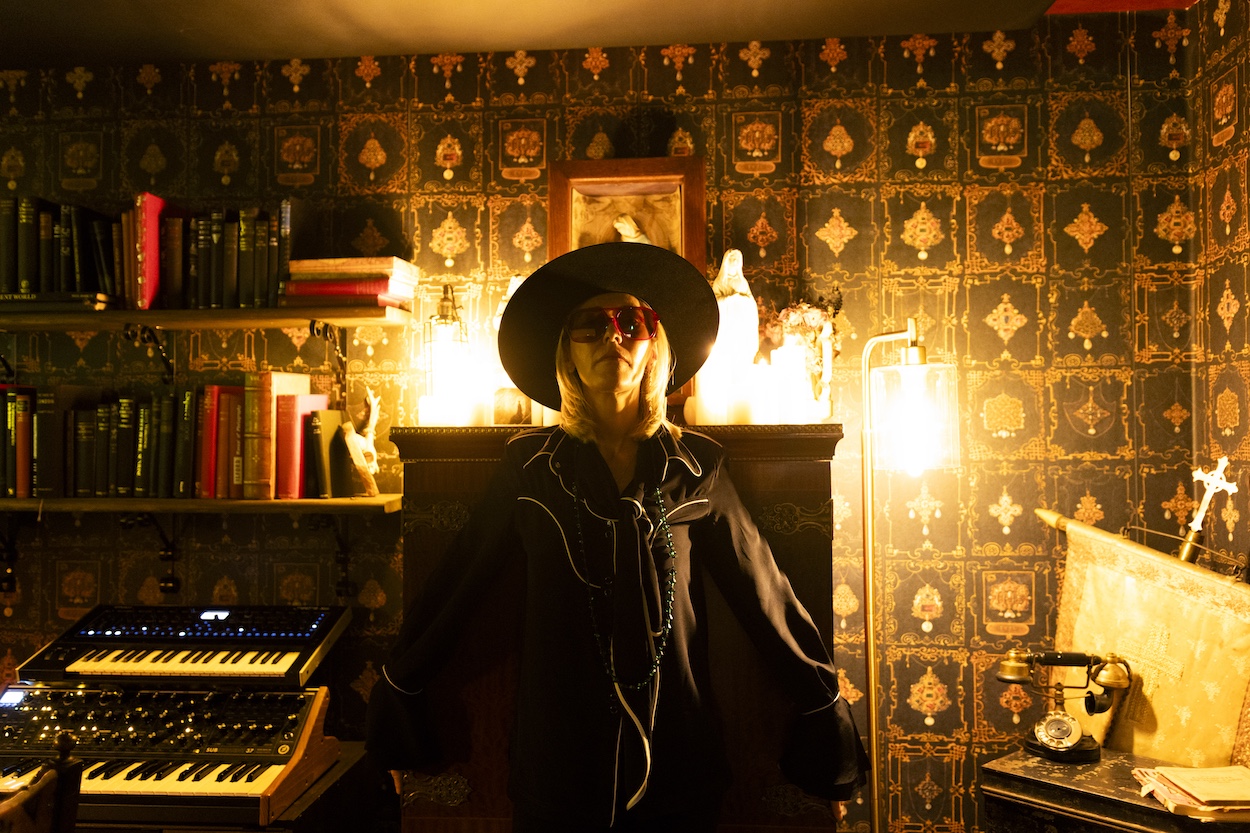
Bird sees things with a painterly eye, and this song is full of moments you can practically step into.
When she sings, “Nothing to see. Just a blur of a world. The woods and the trees. And the words that I wish weren’t meant for me,” you feel the scenery rushing past the rain-streaked window. The world keeps moving outside while inside the car, time has simply stopped. The outside landscape dissolves into streaks of color while every emotion inside the vehicle sharpens into focus.
Bird captures the strange elasticity of trauma, where time simultaneously races forward and refuses to move at all. And when she says, “We’re going too fast now,” it lands heavily because the car has become the relationship itself, carrying them somewhere they can no longer steer or escape.
Her voice is the steady anchor. She sings like someone still turning the memory over in her hands, not quite done wrestling with it, letting the uncertainty stay unresolved. That vulnerability peaks in the brief, gut-wrenching exchange: “Get out of the car now,” met with nothing but an indecisive “But I’m not sure.” She lets the silence sit there, naked and painful, holding the exact space between knowing something has ended and finding the courage to actually leave.
Then comes the song’s quiet gut punch. Gone are the intimate exchanges, replaced instead by instructions that sound almost parental, almost mechanical: “Fasten that seatbelt, said buckle up tight / Time to get ready, time for a ride.” They read like ordinary words until the finality underneath begins to surface. “Don’t look behind now to check where you are / It won’t help you anyway, just get in the car.” It is one of the song’s most haunting moments because it abandons the fantasy that looking backward can change anything. Regret becomes its own endless loop. We replay conversations, revisit old roads, searching for the precise moment everything went wrong, but none of it alters the destination. Those final lines carry a difficult kind of wisdom. Looking behind won’t undo the collision; it only keeps us suspended inside it. The command to “get in the car” no longer feels like surrender. It feels like the painful first step toward accepting that the only road left is the one ahead.
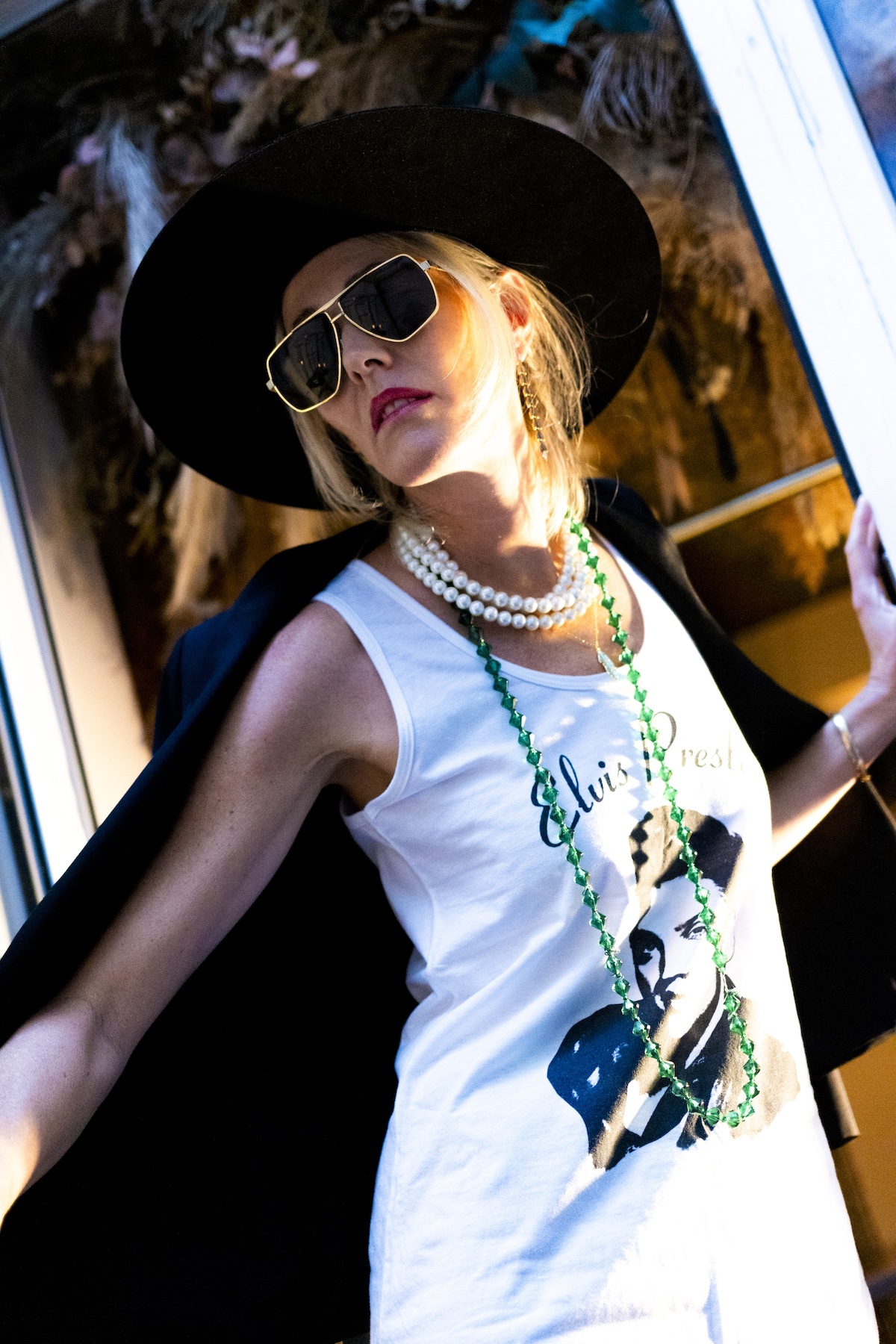
As the song winds down, the strings rise into something almost symphonic before vanishing as abruptly as they arrived. What’s left is this lingering, bittersweet ache that’s been underneath everything from the start.
Lines like “Oh there’s a moment right just before / When the clock stops, it’s ticking and the dashboard feels warm,” freeze time inside a fleeting detail, capturing the exact, painful threshold where life shifts irrevocably into before and after. The image of the warm dashboard is striking in its ordinariness. In moments of profound shock, our minds often cling to the smallest physical sensations while everything else fractures around us. Bird understands that grief rarely announces itself through grand gestures. More often, it lives inside details that shouldn’t matter but somehow become unforgettable.
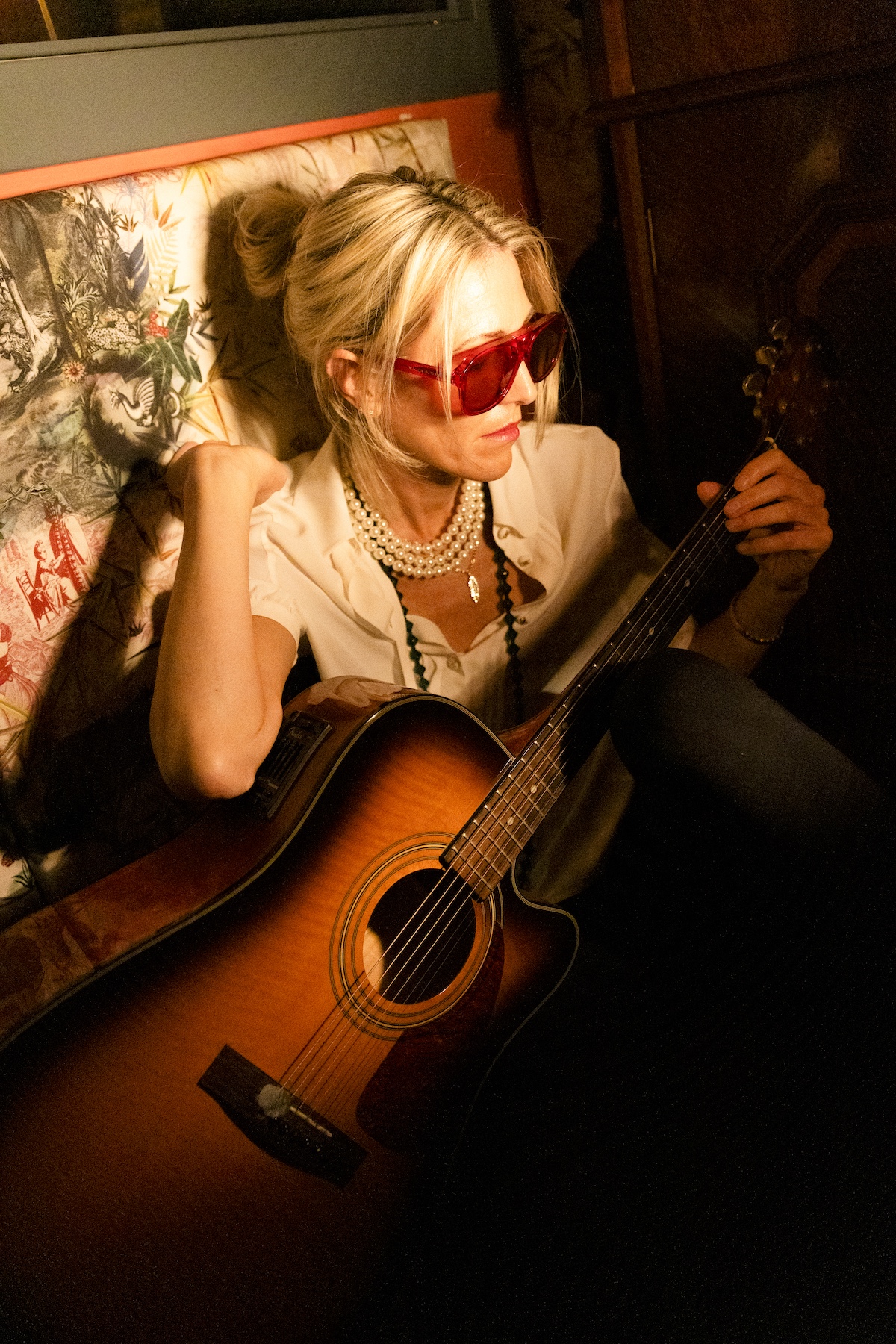
“The Car” encapsulates that grief doesn’t follow a predictable map.
It returns in sudden flashes, in whispered memories, in ordinary places and objects that suddenly feel heavier than they ever did. Bird never rushes toward resolution. She allows grief to remain unresolved, lingering in the spaces between memory and imagination, where certainty slips away and emotion speaks more clearly than answers ever could.
Like memory itself, the song keeps offering up new secrets every time you come back to it.
— —
:: stream/purchase The Car here ::
:: connect with Bird here ::
:: stream/purchase Held Here Together here ::
— —
Stream: “The Car” – Bird
— — — —

Connect to Bird on
Facebook, TikTok, Instagram
Discover new music on Atwood Magazine
© Henry Hu
 © Henry Hu
:: Today’s Song(s) ::
follow our daily playlist on Spotify
:: Stream Bird ::