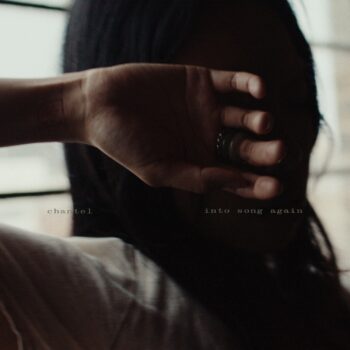
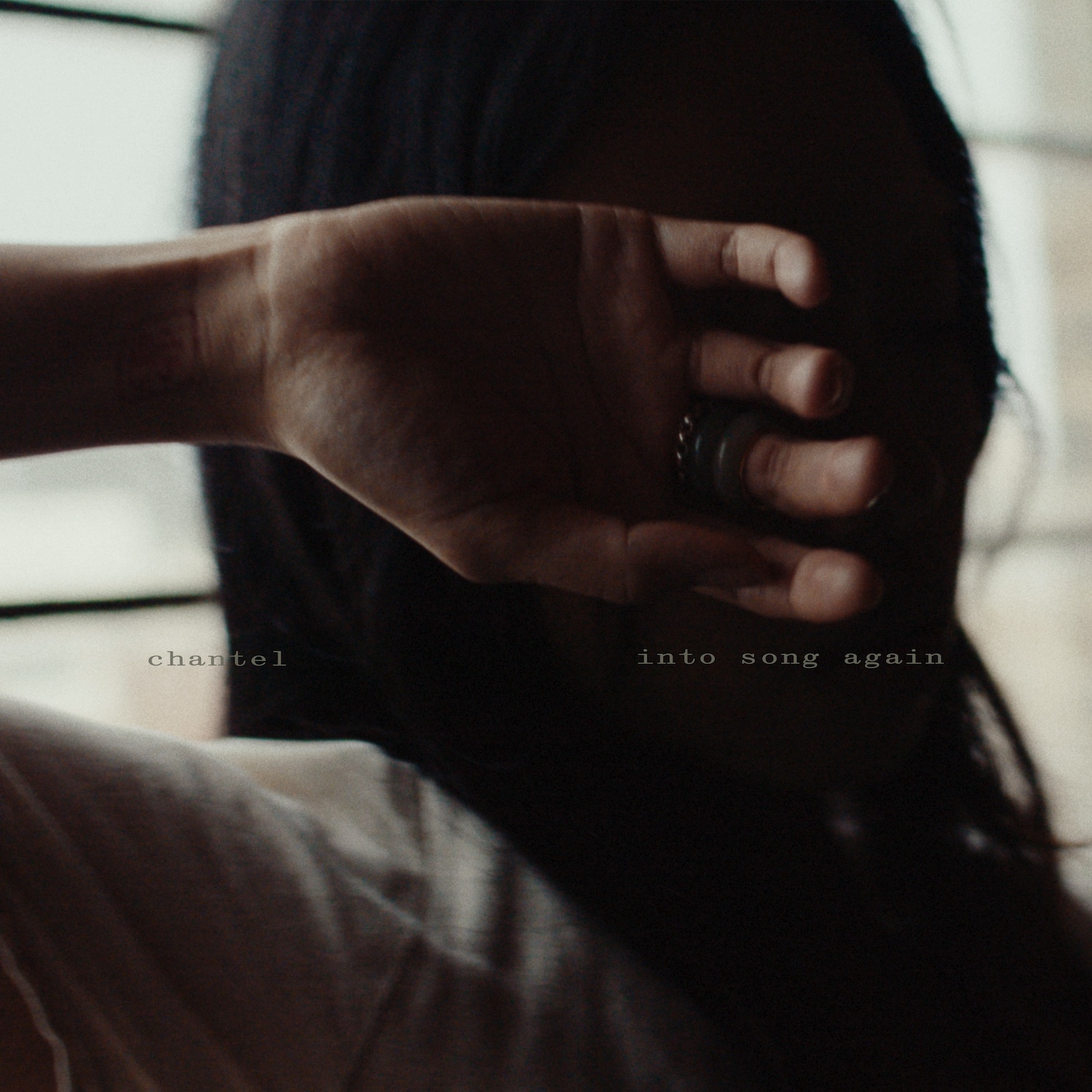
London-based multidisciplinary artist chantel transforms grief, placelessness, and a half-empty home into “Into Song Again,” a tender, tactile debut single and intimate music video that finds healing in the body, the room, and the breathtaking act of returning to one’s own voice.
Stream: “Into Song Again” – chantel
A half-empty room can become an instrument when grief has nowhere else to go.
Curtains come down, furniture disappears, and the air itself seems to hold the shape of a life that’s just been dismantled. In that aftermath, even the smallest sound can feel like a reaching – a way to fill the space without pretending it isn’t hollow.
On “Into Song Again,” chantel hears that absence and answers it with voice: A tender, tactile reverie that gathers bare acoustic guitar, breath-soft vocals, and textured production into a slow act of return. Written from the threshold between loss and self-recognition, the artist’s debut single lets healing arrive in its own time – intimate, embodied, and alive with the wonder of finding one’s way back to sound.
Home half filled, half undone
Feels like it’s still waiting
For you to come
For you to come
What’s mine was ours, yours alone
Trouble with finding peace
On my own
On my own
Atwood Magazine is proud to be premiering “Into Song Again,” the debut single from London-based artist, performer, movement director, and model Chantel Foo. Out June 5, the song introduces their forthcoming five-track EP, a plea, a dream, and arrives alongside a music video directed by Orion Isaacs and shot by cinematographer Dajiana Huang. Created with longtime collaborator and Singaporean producer Maximus, “Into Song Again” opens the door to a body of work shaped by domestic field recordings, experimental electronic folk-pop, jazz-inflected intimacy, and the kind of intimate singer/songwriter confession that feels fully embodied from its very first breath.
For chantel, music is an old, lifelong practice finally brought into public light. Their artistry has long moved across bodies, rooms, disciplines, and worlds: They’ve choreographed and movement-directed for artists including Lucinda Chua, Laura Misch, Yeule, and TSHA; performed at the Southbank Centre, the Serpentine Galleries, and the Palais de Tokyo; and appeared in major global campaigns for brands including Burberry, Loewe, Apple, and Levi’s. Yet “Into Song Again” reveals the most personal thread running through it all – a voice kept close for years, now released with all the vulnerability, depth, and force of a private truth becoming shared language.
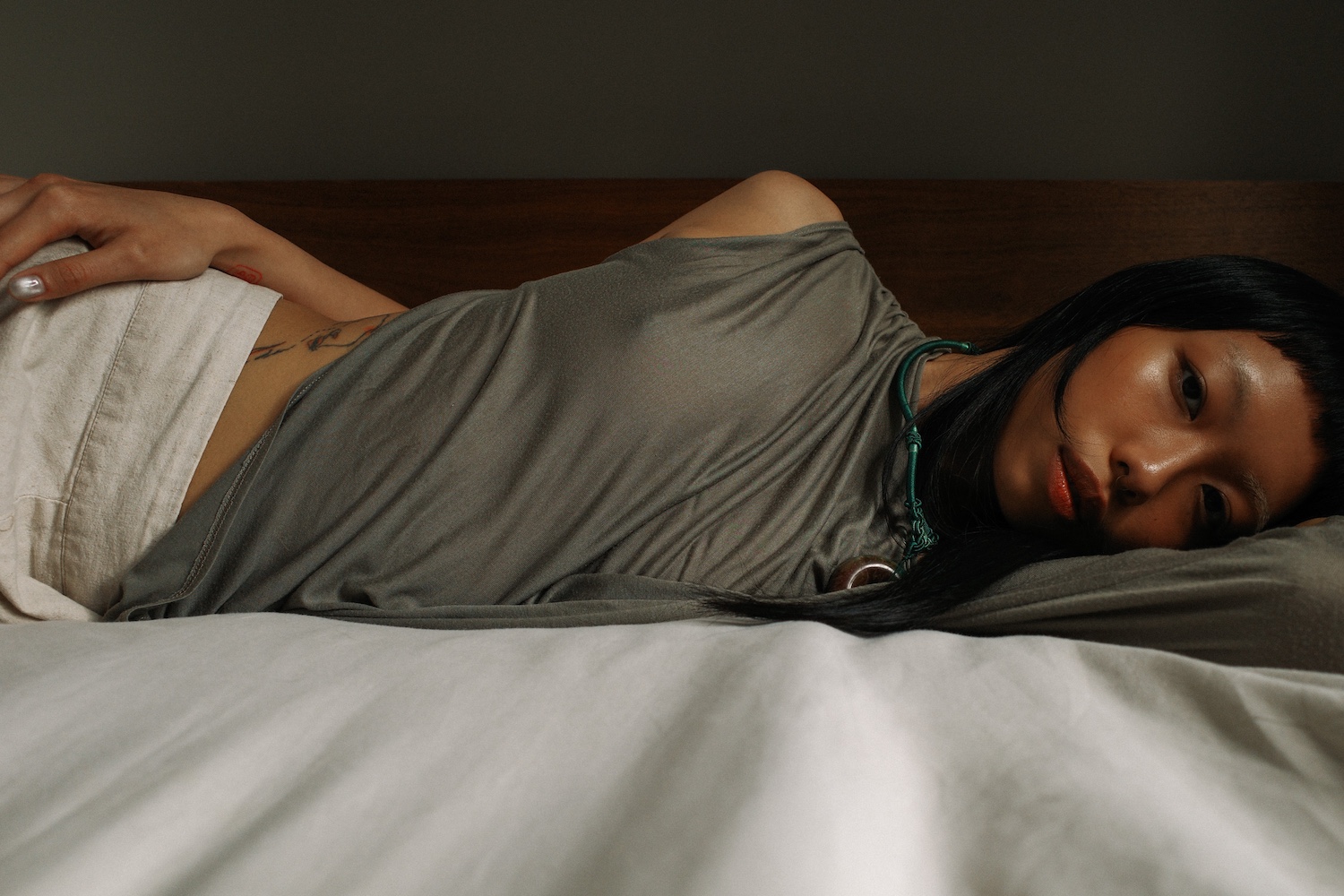
chantel describes “Into Song Again” as an opening of the self – not a sudden arrival, but the surfacing of a voice that’s been waiting, gathering, and quietly becoming.
“This debut feels like something has been uncorked,” they tell Atwood Magazine. “I don’t see this as a new beginning, but rather a more public extension of a body of work I have been creating in private, gestating for the right moment that I realise only I could permit for myself. ‘Into Song Again’ is a song that gathers its own exuberance from a place of grief, weaving my seeking of home with the universality of placelessness. The film we made alongside it bridges some of my worlds – film, movement and community – with my music, and it holds me at my fullest.”
That fullness is felt in every corner of “Into Song Again,” which begins almost like a private ritual: Guitar strings brushing against open air, chantel’s gentle voice close enough to feel unguarded and raw, the production moving with the patience of someone relearning the shape of their own breath. The opening lyric – “Home half filled, half undone / Feels like it’s still waiting / For you to come” – places us inside a domestic space altered by absence, where grief is not abstract, but physical. It lives in bare windows, missing furniture, and the emotional disorientation of trying to make peace in a room that still remembers another person.
Windows bare again
The echoes on the walls
Suddenly I fall
Into song again
Voice I recognise
Into song again
I already sense
Into song again
New skin in reveal
Into song again
Into song again
From there, chantel slowly expands “Into Song Again” beyond heartbreak into a larger meditation on belonging. “What’s mine was ours, yours alone / Trouble with finding peace / On my own,” they sing, tracing the painful mathematics of separation: How shared space becomes contested memory, how ownership blurs when a life built together comes apart. Their delivery carries the ache without forcing it open, letting each line sit in the air as if it’s being discovered in real time.
The chorus is where the song’s return truly begins. “Into song again / Voice I recognise,” chantel sings over a transformed sonic landscape, the phrase landing like a hand reaching through the dark. There’s no grand declaration here, no instant evolultion; instead, the moment feels bodily and instinctive, as if the voice arrives before the mind can name what’s happening. It’s a chorus of recognition, of selfhood resurfacing, of sound becoming both shelter and release. As the refrain circles back – “Into song again / New skin in reveal” – the music moves from wound to emergence, allowing renewal to feel fragile, sensual, and deeply earned.
Musically, that evolution is mesmerizing. What begins as a soft folk reverie gradually blooms into a dreamy, swelling indie-electro seduction, gathering warmth and motion without ever losing sight of the human being at its center. The textures flicker and breathe around chantel: Percussive touches, organic guitar strums, atmospheric pulses, and ghostly layers that make the song feel rooted in a real room while reaching toward a more expansive inner world. By the time chantel begins repeating “Home shy, placeless / Home tight, faceless,” the track has become almost incantatory – a chant for anyone who has ever felt caught between where they are, where they came from, and where they might finally belong.
Home shy, placeless
Home tight, faceless
Home shy, placeless
Home tight, faceless
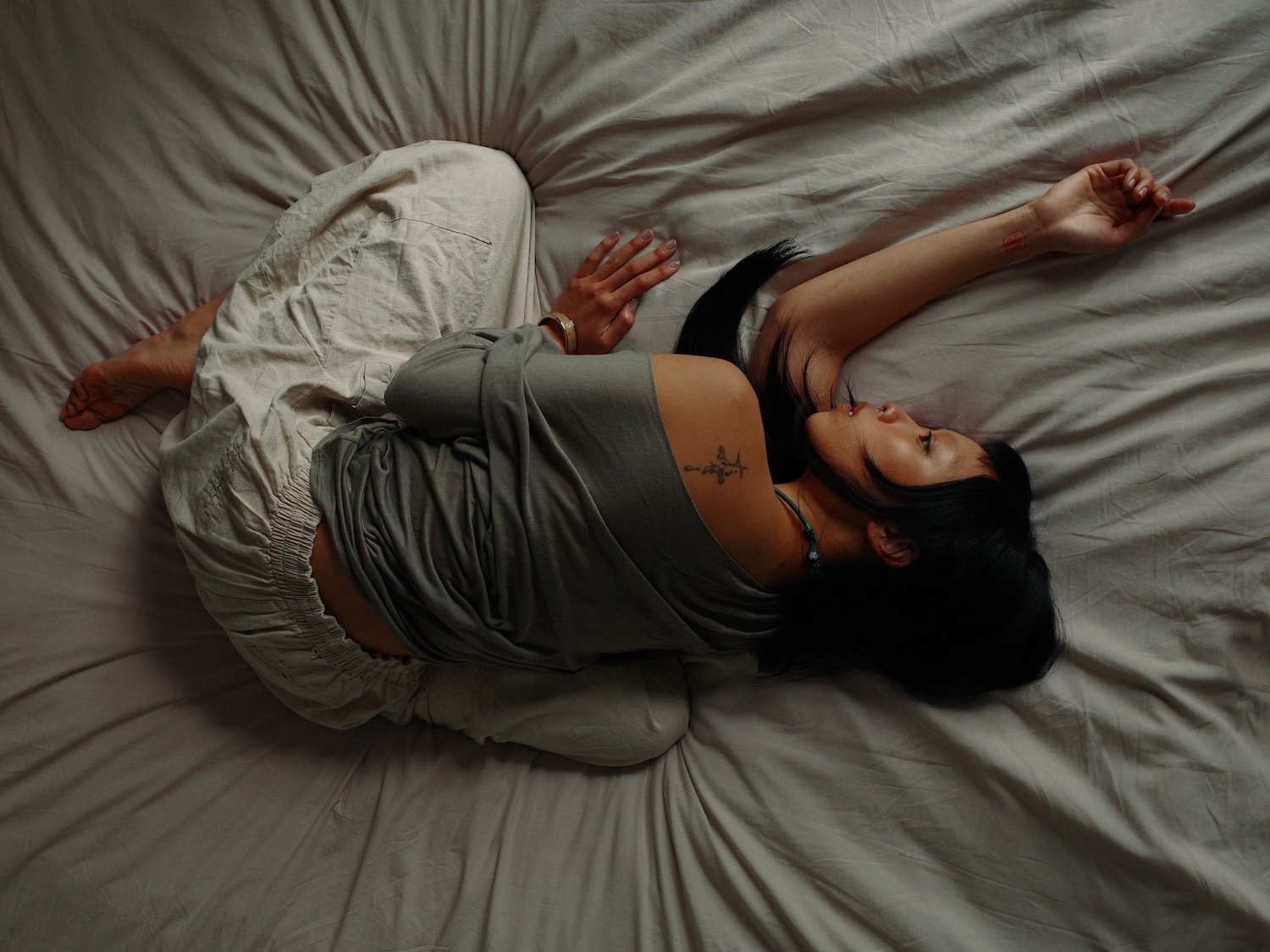
chantel traces the song’s first breath back to a home newly emptied, and to the delicate, almost instinctive act of making sound after a long silence.
“I was living with my ex-partner back then, and they had just moved out of our shared home. This was a year before I worked on the song, so 2022,” they recall. “I wrote the opening verses alone on the sofa, in the middle of a flat and a relationship so freshly dismantled, yet unable to feel, to hurt, or to protest with my pain. I was such an unapologetic shower-singer growing up, but I stopped singing in homes I felt unsafe in.”
“The first day they left, I started humming a tune. I sang to fill the emptiness of the home. I sang again. I didn’t know it back then, but looking back, something came back to me that I shouldn’t have lost in the first place.”
That last line is the heart of “Into Song Again”: Not just the ache of losing another person, but the deeper grief of realizing what survival, fear, or unsafety can teach us to surrender. The song begins in that recognition, and it grows from there with breathtaking patience.
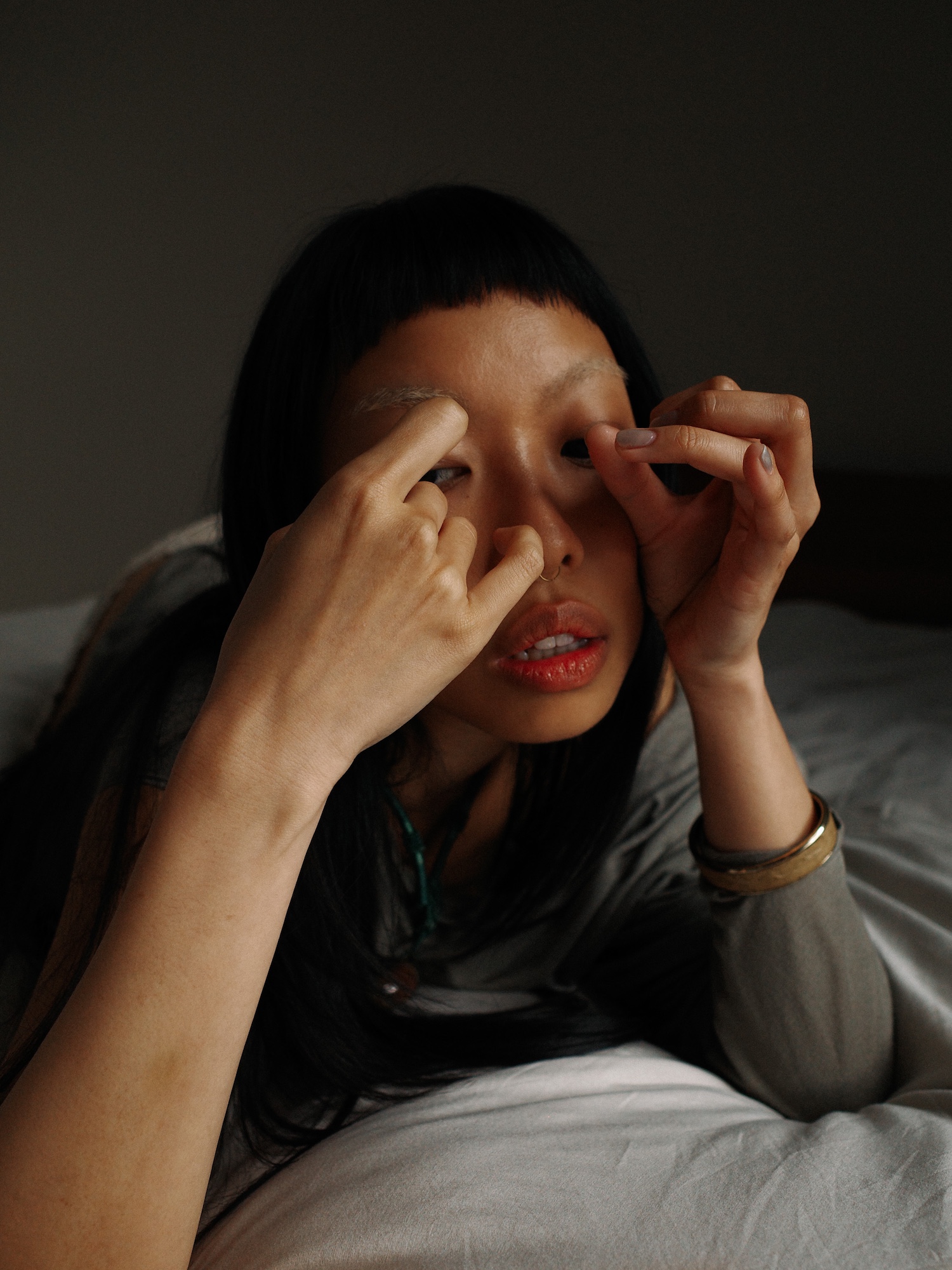
The music video expands that inner world without overcrowding it.
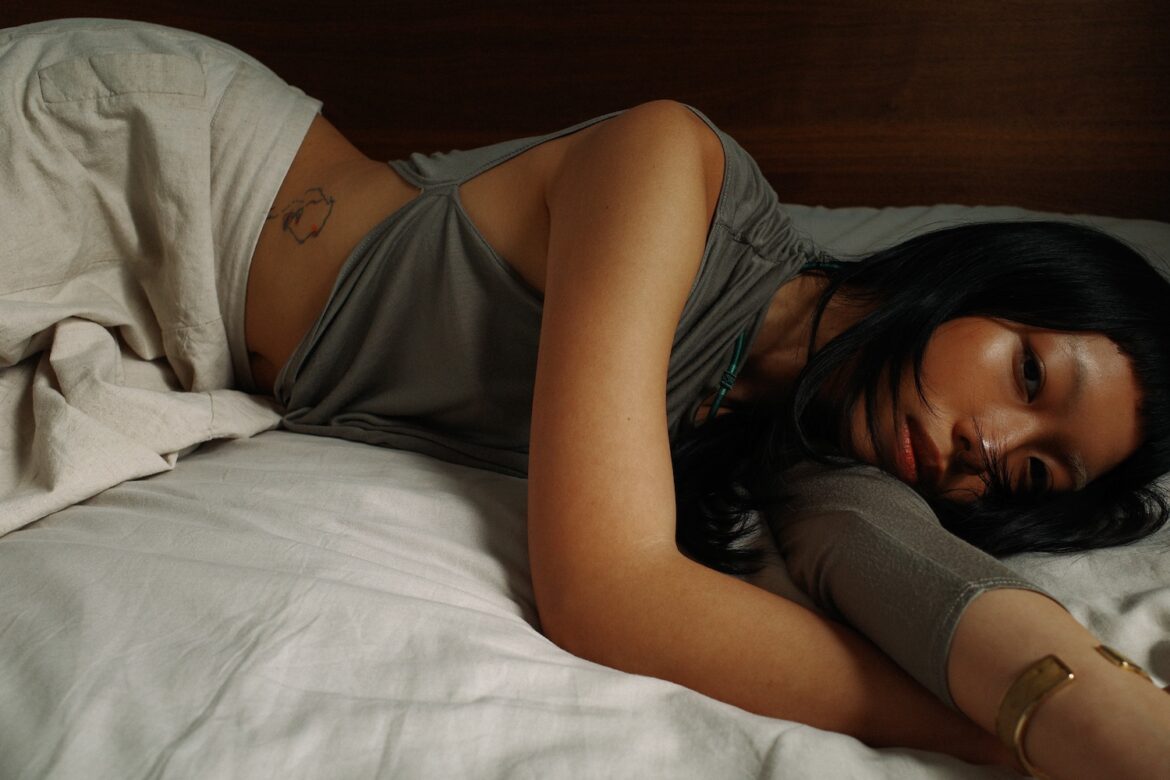
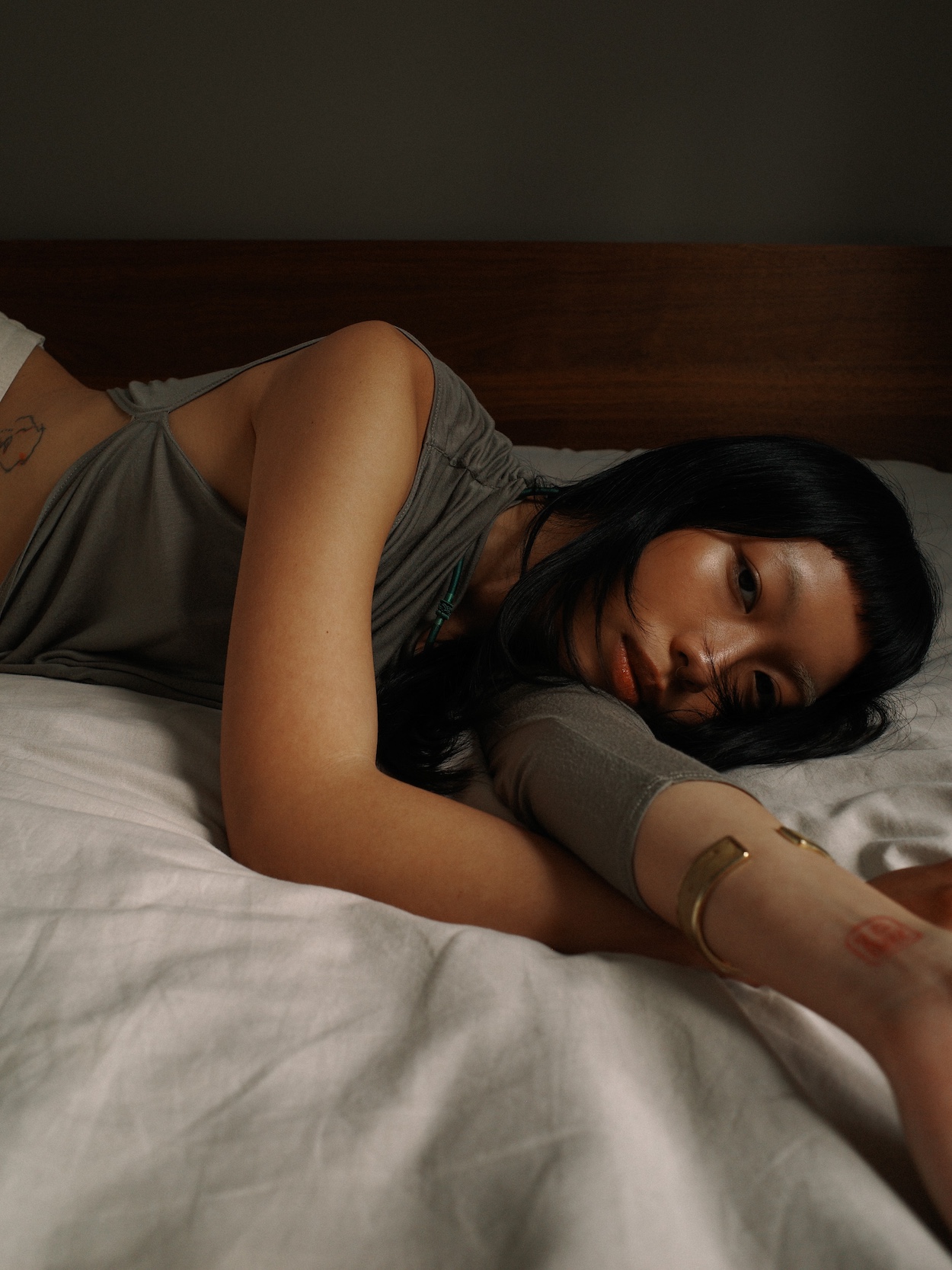
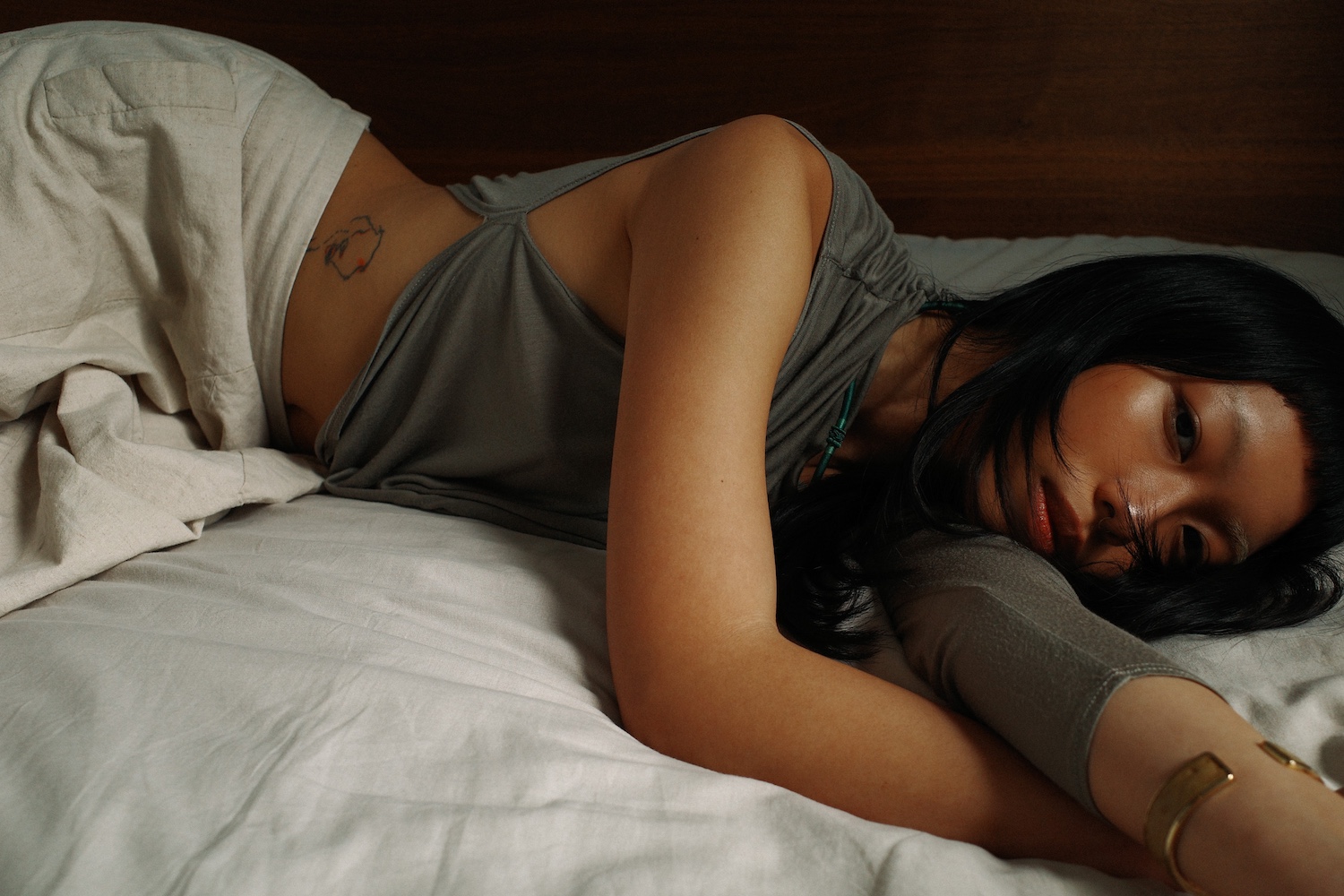
Directed by Orion Isaacs and shot by Dajiana Huang, the visual opens in extreme closeness – chantel’s face filling the frame, eyes heavy with presence, the camera close enough to make stillness feel charged. From there, the film traces the contours of the song’s central absence: A hand grazing an empty bed, a body pressed into white sheets, a face turned toward us in direct, confessional communion.
chantel says the film came together through trust, instinct, and a shared commitment to making the visual feel as vulnerable as the song itself. “It all came together so organically – the song really moved Orion and we spoke about the possibility of creating a music film for it,” they explain. “I really trust Orion as both a friend and filmmaker, and wanted the project to be a film they genuinely want to create. My desire for the film was for it to feel real to me and intimate, somewhat unpolished and unbridled. Orion imagined a world in a domestic space, the wonderful blue that was always part of the vision, and these different visceral states of my movement tracing the space itself. With Dajiana as our cinematographer, the film was shot handheld, balancing the gaze with both intimacy and dynamism.”
That balance – intimacy and dynamism, softness and fracture, body and room – comes to life throughout the video, as minimalism becomes its own emotional language. White walls, wide windows, dark corners, warm wooden beams, and shifting light hold chantel in a space that feels both exposed and protective – a room stripped down to its essential feeling. Every small movement registers: Fingers curling, shoulders turning, arms reaching into open air. The film’s tactility mirrors the song’s own domestic textures, making the visual feel less like an accompaniment than an extension of the music’s nervous system.
As “Into Song Again” swells, chantel’s movement begins to take over. Their dance is intimate, kinetic, and at times jarring – a soul-stirring physical performance that pulls loneliness, longing, and self-discovery into the body. Alone in light and shadow, they move as if searching the room for proof of their own return, and by the end, that motion intensifies the song’s emotional release: Voice, body, and space all speaking the same language of grief transformed into renewal.
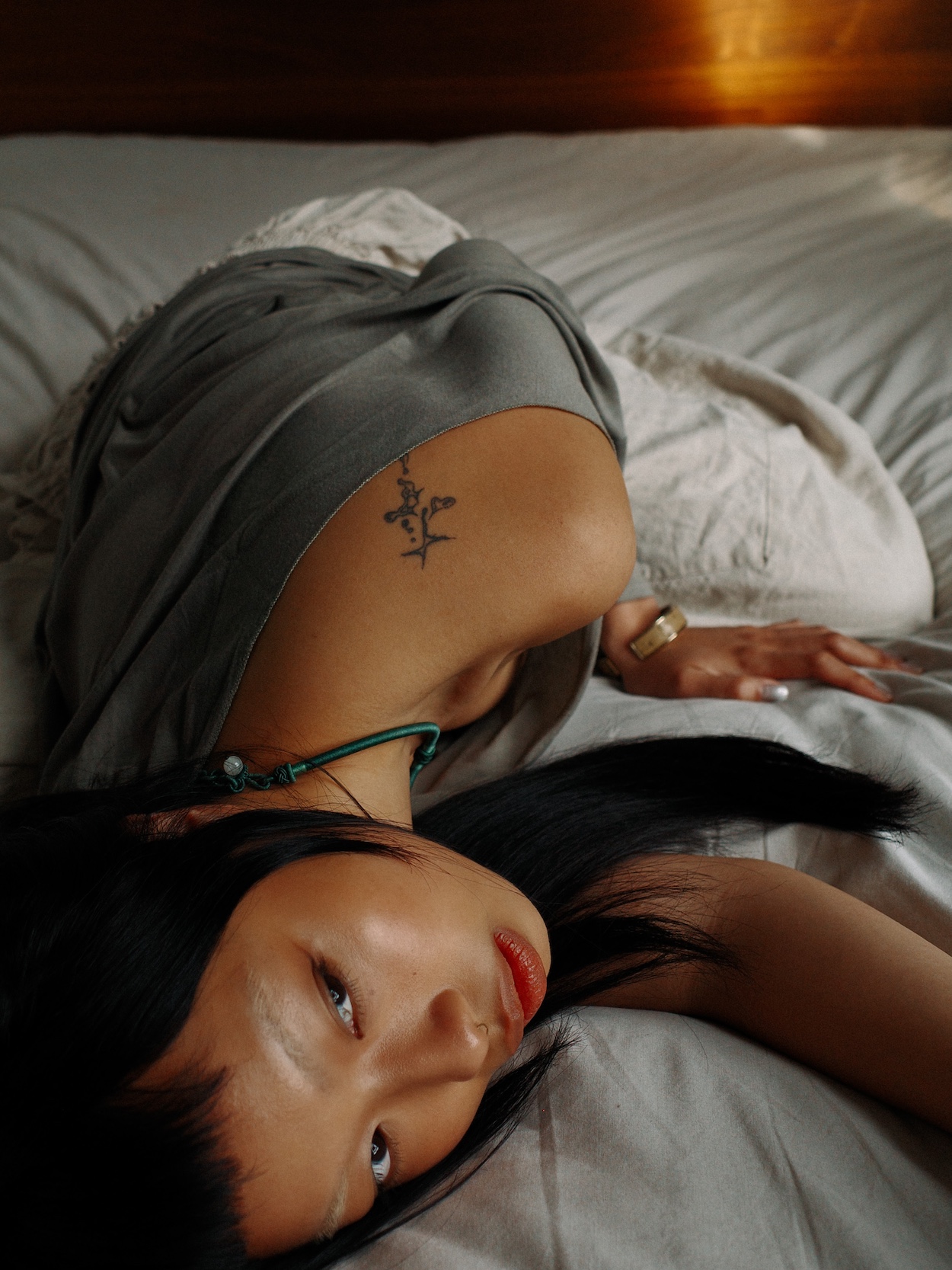
“Into Song Again” matters because it understands how healing can feel soothing and jarring all at once.
It doesn’t rush toward catharsis, nor does it romanticize the hurt at its center; instead, chantel lets grief move through the room, through the body, through the voice, until ache and renewal begin to share the same breath. The result is enchanting, intimately invigorating, and profoundly human – a song that pulls at a heartstring long left untethered, then gives it somewhere to rest.
As a debut, “Into Song Again” feels remarkably self-possessed: An entrance made not through spectacle, but through presence, surrender, and emotional precision. chantel introduces themself as an artist who soothes and stirs in equal measure, who shares their innermost truths without apology, and who reveals the seemingly mundane to be innately profound. A half-empty room, an unmade bed, a hand against wood, a voice returning after silence – in chantel’s world, these are not small things. They are portals. They are proof of life. They are the beginning of song again.
Stream “Into Song Again” exclusively on Atwood Magazine, and get to know chantel in our intimate interview below as they open up about returning to music, finding their voice after silence, building sound from the textures of home, and bringing grief, movement, and self-discovery into one beautiful, fully embodied debut.
A half-empty room truly can become an instrument when grief has nowhere else to go – and in chantel’s hands, it becomes a place where absence sings, the body remembers, and a voice long kept close finally finds its way into the open.
— —
:: stream/purchase Into Song Again here ::
:: connect with chantel here ::
— —
Stream: “Into Song Again” – chantel
A CONVERSATION WITH CHANTEL

Atwood Magazine: chantel, for those who are discovering you today through this premiere, what do you want them to know about you and your music?
chantel: I’d love people to know that my music is something I’ve kept the closest to me, and quite literally the first desire I knew myself to have as a child. This release is a limb of expression that I have not shared publicly, and after much time and growth, I am genuinely so proud to be sharing my music finally. My music is a meeting of my writing with the sound that I have been experimenting with – it is intuitive, imperfect, bodied, textural. I am someone who holds a large complexity of emotions and states of being, and my music has always been an interfacing mode I could use to reckon with them, and now, a way I can extend them beyond myself.
You’ve spent years working across movement, performance, fashion, and other people’s creative worlds. What does it mean to finally release music under your own name?
chantel: To be honest, quite strange. I used to say, singing/music is my coming out. I never told anyone I sang until this talent show in school I participated in at 17. My whole life has orbited music, I think it just felt like the most precious and daunting thing to hold for a very long time. I haven’t told most people who know me that I make music or have this release coming out, it always feels like safety to keep it private. So it’s happened again, and so people will find out today! It needed me to make the person that I am, through all my varying experiences, sturdy, in order for me to return to it. Personally, it feels like a relief. I have been holding onto this music for years, through many different chapters of my life. Pushing this version of myself into any kind of visibility feels incredibly vulnerable, but liberating. I can make new music again.
“Into Song Again” is your debut single, but you’ve described music as your oldest practice – “not a debut so much as a return.” Why did this feel like the right song to begin with, and what makes it so special to you?
chantel: As the name suggests, this song marks me falling, returning, succumbing (who knows?) ‘into song again.’ In concept, the decision to release this project aligns with the themes of the single; returning to my voice and that statement of will, and the reclamation of power. I wrote this song when I promised myself to make space in my world for music, and what it evolved into holds the same sense of unfurling I feel sharing my music; this sedimentation of time, texture and sound into a largeness that must be a light for when one is lost.
What’s the story behind “Into Song Again”? Where did this song begin, and what was the emotional place it came from?
chantel: I was living with my ex-partner back then, and they had just moved out of our shared home. This was a year before I worked on the song, so 2022. I wrote the opening verses alone on the sofa, in the middle of a flat and a relationship so freshly dismantled, yet unable to feel, to hurt, or to protest with my pain. I was such an unapologetic shower-singer growing up, but I stopped singing in homes I felt unsafe in. The first day they left, I started humming a tune. I sang to fill the emptiness of the home. I sang again. I didn’t know it back then, but looking back, something came back to me that I shouldn’t have lost in the first place.
The opening lyric – “Home half filled, half undone / Feels like it’s still waiting for you to come” – immediately brings us into a space of grief, longing, and unfinished belonging. What does “home” mean to you in this song?
chantel: The song begins with me writing about home in the most direct sense – I had furniture missing, curtains taken away, half of what my home used to be just absent. I sat with that at first, but the song builds into reckoning with something much wider for me. Home in a material sense, and home as a state of belonging. I seek that constantly as an immigrant, and there is so much yearning that remains unresolved.
This song feels deeply tactile and intimate, from the domestic field recordings to the way your voice sits inside the production. How did working within the home shape the sound and spirit of this record?
chantel: It’s the core of it – as an artist and performer, my practice and research sits deeply within embodiedness, and the somatic experience. I wanted to bring that into the production. I was about to move out of this flat, and so I recorded it. The percussion you hear on the track were built with sounds and textures from interacting with the space and architecture. One of the kicks is a blown out recording of my cat pawing at the door – a particularly light and hollow sounding door. I sampled the grooves of the fireplace, the rattan cushions I had lying around, the “juicy” squelchy doorknob of that living room door for example to name a few. The strumming takes me back into the empty room Maximus recorded in. Working electronically, I wanted elements that came from my material surroundings. I think that blend grounds the music into a particular sonic reality, which I really enjoy.
You made a plea, a dream over a three-week period with your longtime collaborator Maximus. What do you remember most about that creative window, and how did that process shape the EP’s emotional world?
chantel: This EP is yet to be released, and “Into Song Again” is my debut single from the EP. We have been friends for many years, with our music journeys crossing paths over the years, briefly, but very intuitively. In the late summer of 2023, we transformed my living room into a music studio. I let this project overtake my homespace, and we laughed, wrote, bickered, recorded and poured over the tracks nearly everyday. It was such an immersive time trying to navigate creating together in such close quarters. I think the most special part was doing this with a friend who has seen me through various older states of my music-making – the states I never fully brought with me after I moved to London – and this meant I could access parts of myself I believed I had left behind. This tethered the music we made, especially the songwriting, to an extremely intimate level of truth… the person I have always been, the lyrics I’d kept for years, and all the time I yearned and shied away from making music, finally meeting the person I knew myself to be when we created these songs. I think the familiarity of working with someone I trust and care for deeply and creating it in my own home also imbued this sense of closeness into the tracks. Perhaps it bridges a closeness to my own self as well.
The music video feels raw, stripped back, and deeply human. What kind of visual world did you set out to create with Orion Isaacs and Dajiana Huang?
chantel: It all came together so organically – the song really moved Orion and we spoke about the possibility of creating a music film for it. I really trust Orion as both a friend and filmmaker, and wanted the project to be a film they genuinely want to create. My desire for the film was for it to feel real to me and intimate, somewhat unpolished and unbridled. Orion imagined a world in a domestic space, the wonderful blue that was always part of the vision, and these different visceral states of my movement tracing the space itself. With Dajiana as our cinematographer, the film was shot handheld, balancing the gaze with both intimacy and dynamism.
You’ve spoken about wanting the film’s process to mirror the music – built on trust, respect, and a rejection of more polished or hierarchical commercial-set dynamics. Why was that important for this release?
chantel: I think the way I collaborate with people is always trust first. I am used to worlds/sets that can be so extractive, product-driven and this feeling like my body is simply a tool for a vision. To deal with this, I enter certain spaces with barriers up. For this project, given the context of it being my song and a project I was producing, it was very important to me that respect and care was built into the filmmaking process. That way, I could give this film myself in all the entirety I could conjure that day. We had the greatest blessing of an extremely wonderful team that came together and made the film what it is today. I’m so grateful, I cannot believe we made it happen.
What do you hope listeners and viewers take away from “Into Song Again,” and what have you taken away from finally bringing this part of yourself into the open?
chantel: Despite the underbelly of grief and loss, I think the feeling of the song really is a gentle exuberance alongside radical acceptance. It soothed me to write and create this song, I think I must have made it to show myself that at the very centre of pain is a simple, good thing to hold onto. I hope those who resonate with the lyrics feel a little less alone. I hope the film offers viewers an embrace.
This release has forced me to trace a glimpse of who I might be in my fullness openly, that I am still learning to embrace.
In the spirit of paying it forward, who are you inspired by these days - from throughout the art / music world - that you would recommend to our readers?
chantel: El Hardwick, photographer, horticulturalist and musician. Tash Tung, film director, writer and movement artist. Lia Ouyang Rusli (aka OHYUNG), film composer and experimental musician. People with multifold worlds who grow their practices with so much belief. I also love Sassy009, Alice Longyu Gao, Tamino Amir, Alice Phoebe Lou, and duendita.
— —
:: stream/purchase Into Song Again here ::
:: connect with chantel here ::
— —
Stream: “Into Song Again” – chantel
— — — —
Connect to chantel on Instagram
Discover new music on Atwood Magazine
© Mitch Fielder
 © Mitch Fielder