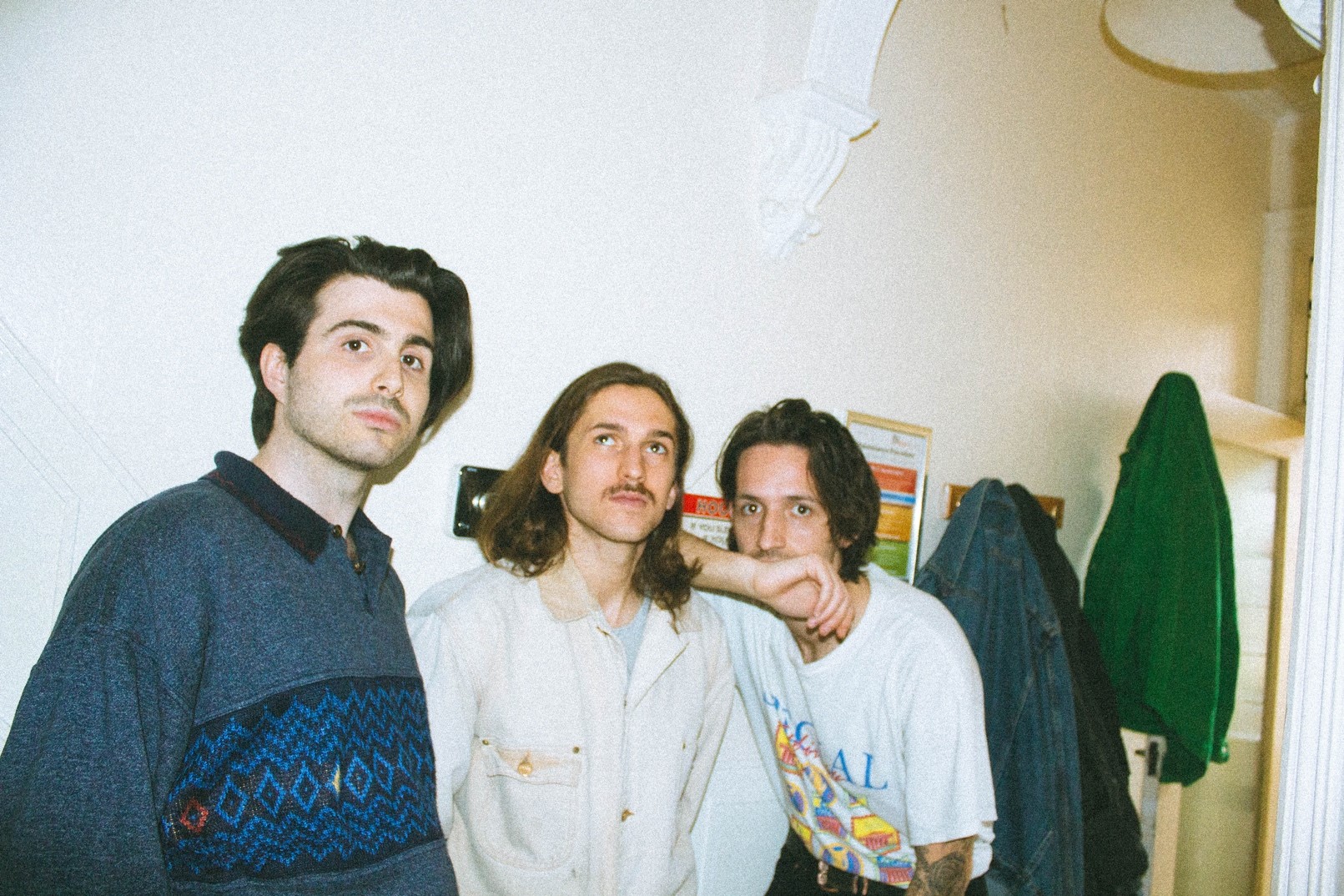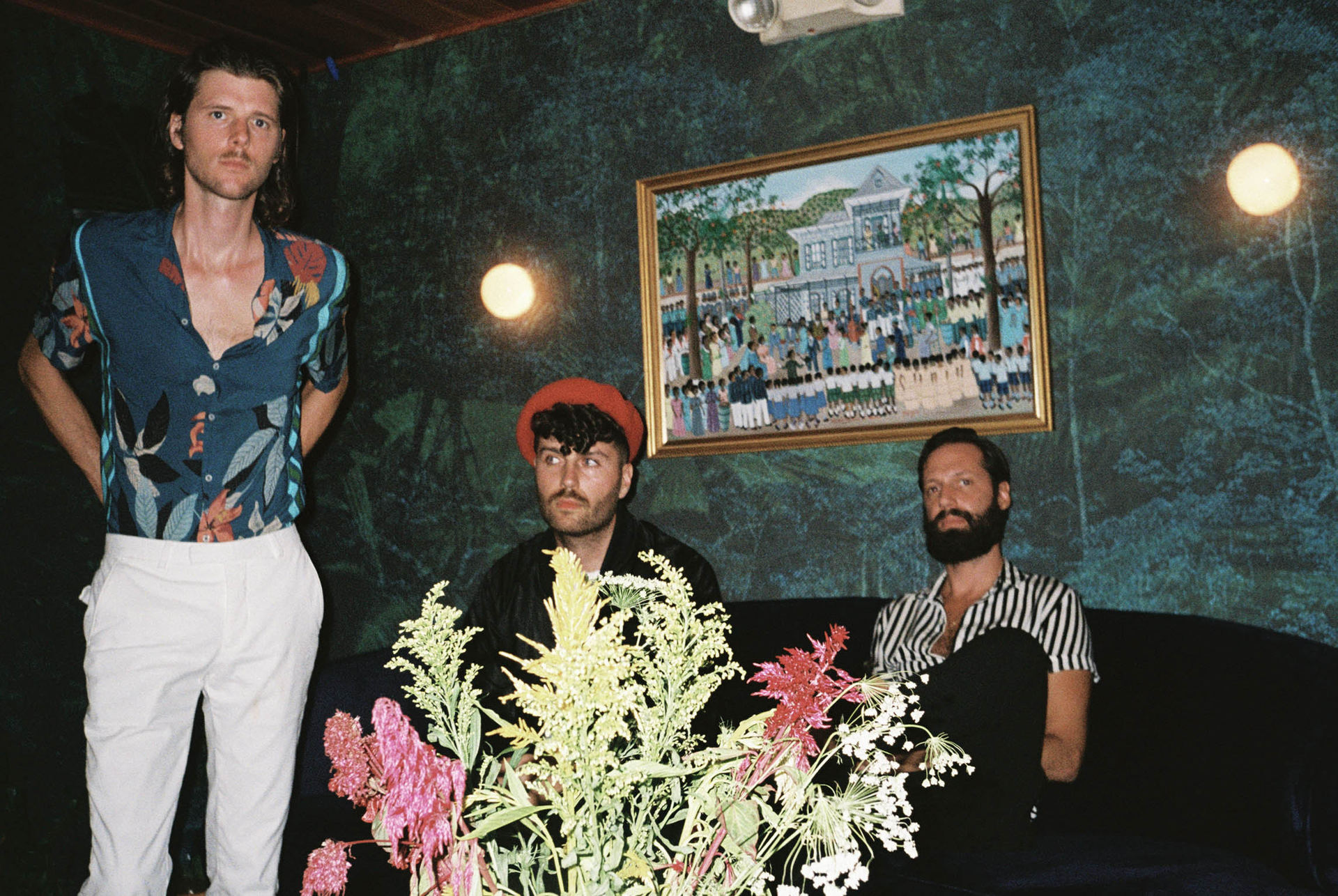
Warm guitars, velvety vocals, and optigans: Inside Worthitpurchase’s new era and the story behind “Postcard,” a richly textured reverie full of plain-spoken poetry, shadowy atmosphere, and beautifully imperfect sound.
Stream: “Postcard” – Worthitpurchase
When people pursue music as a career, it rarely feels like a choice.
For the artists who truly dedicate themselves to it, music becomes something unavoidable – the thing that drives them, consumes them, and gives shape to their lives. Those are often the people who create the most honest work, songs born from instinct, passion, and a genuine need to make something real. When you find someone else who shares that same feeling, it’s magic.
There are endless corners to fall into within the music industry, but the artists fortunate enough to sustain themselves in it usually share one thing in common: A deep love for music and an understanding of what it can do for people because of what it’s done for them personally.
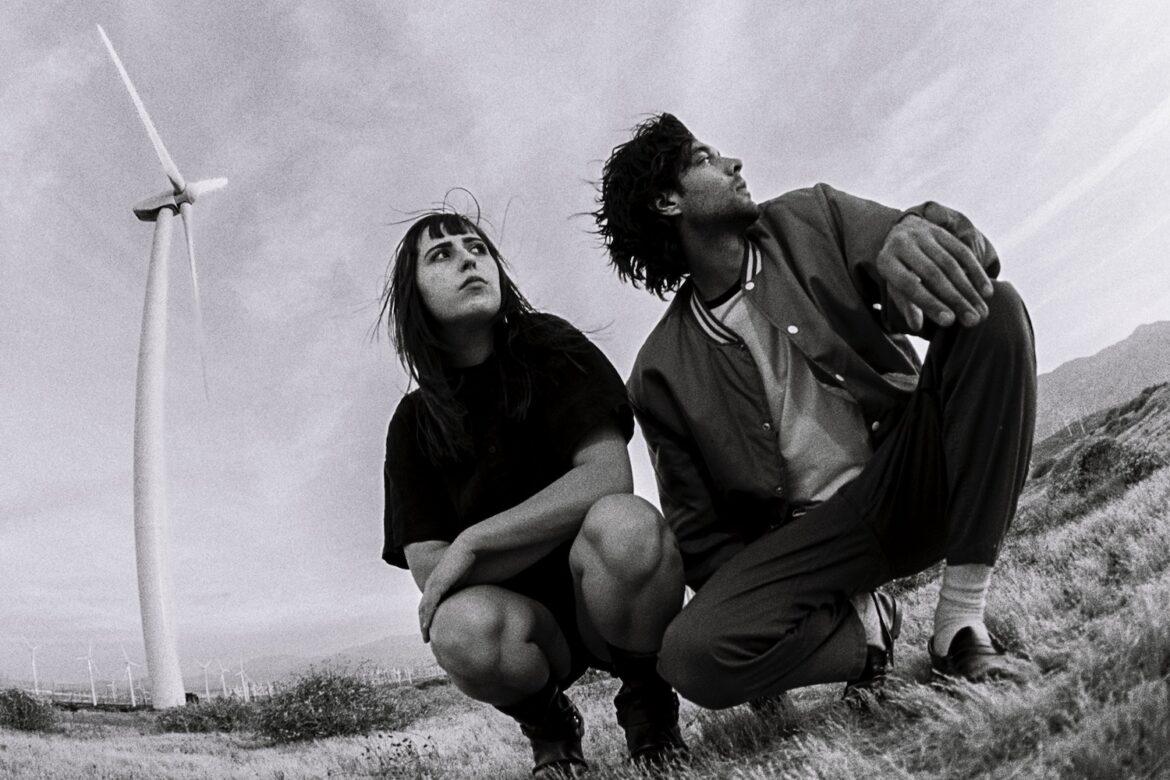
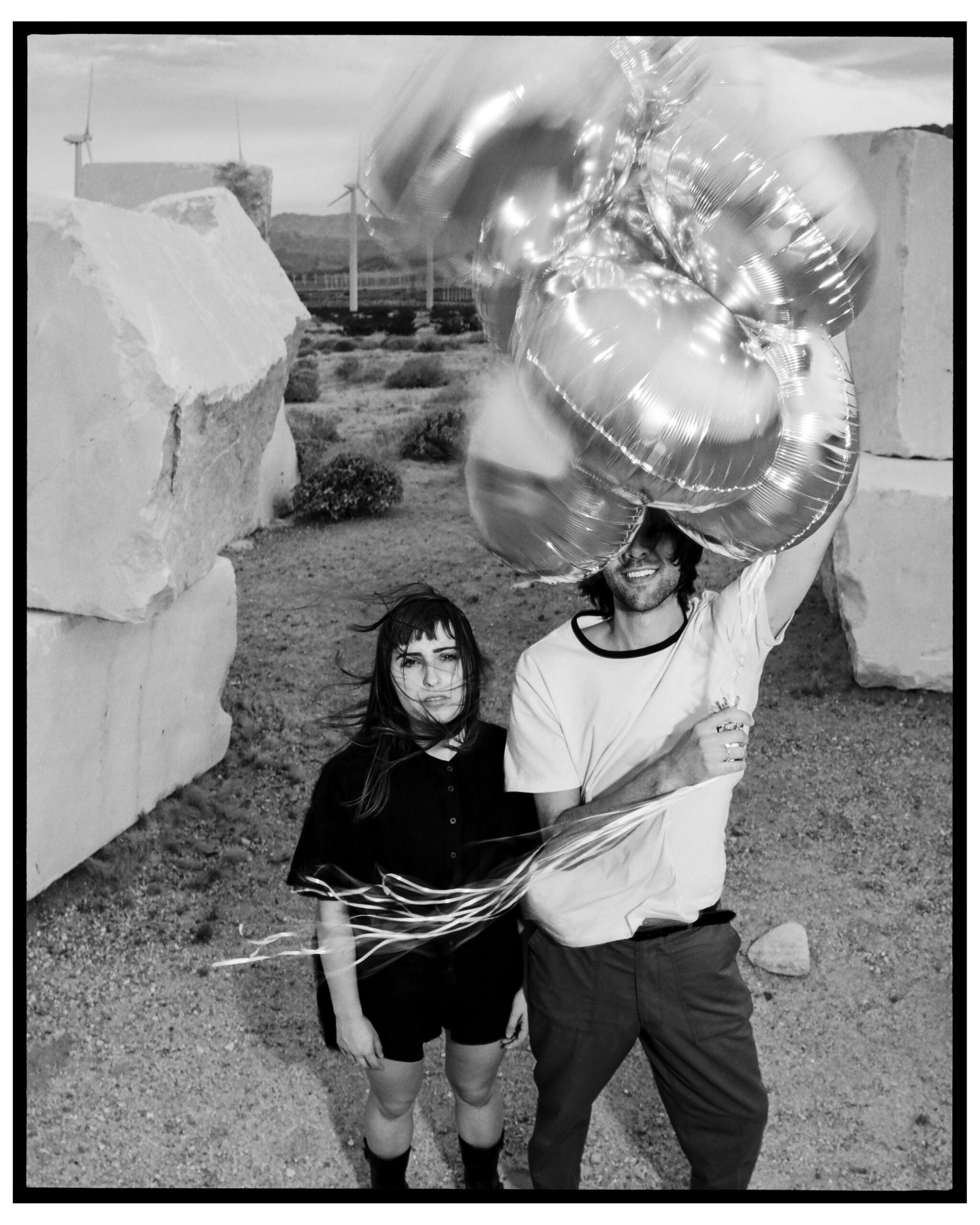
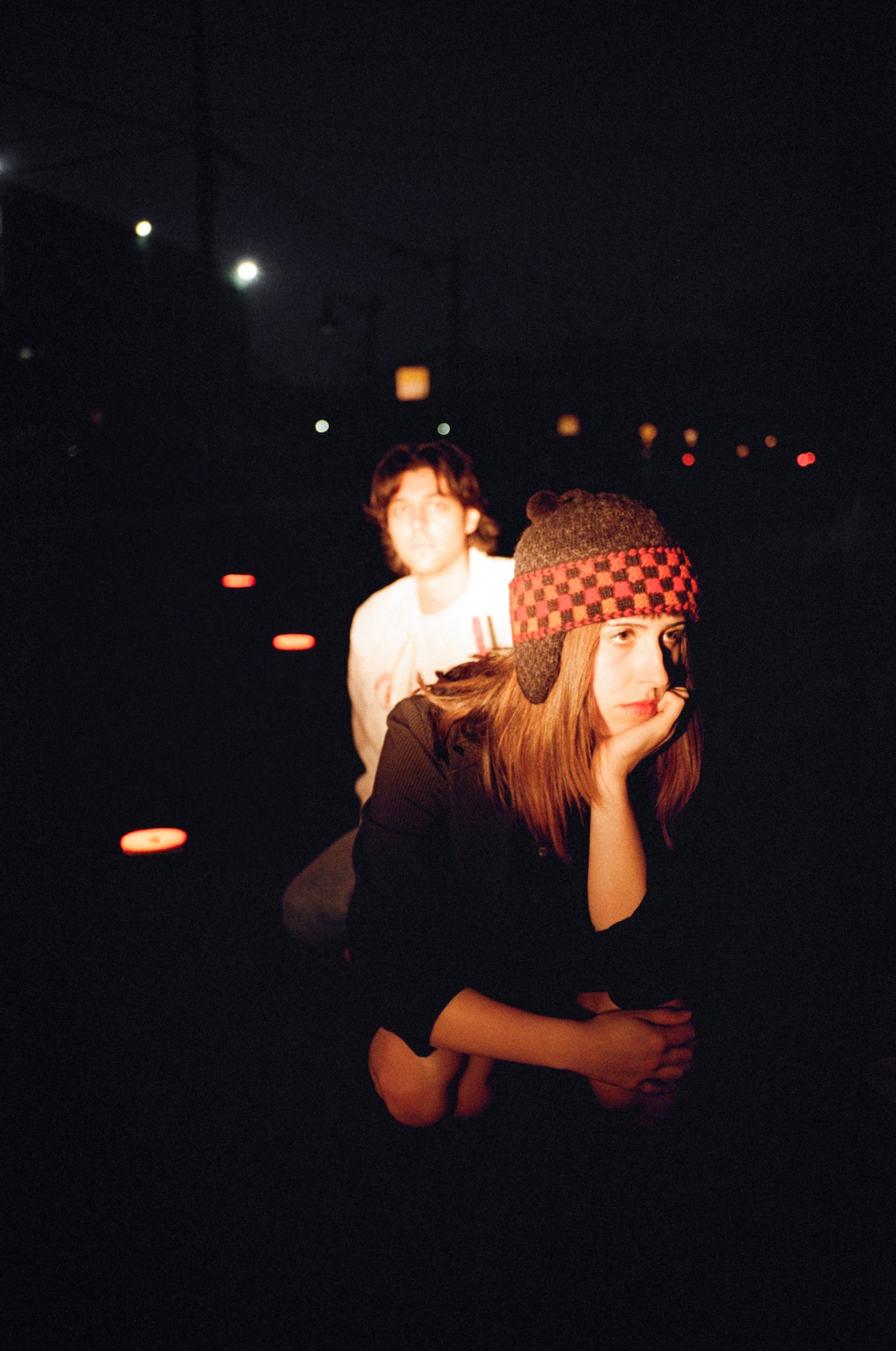
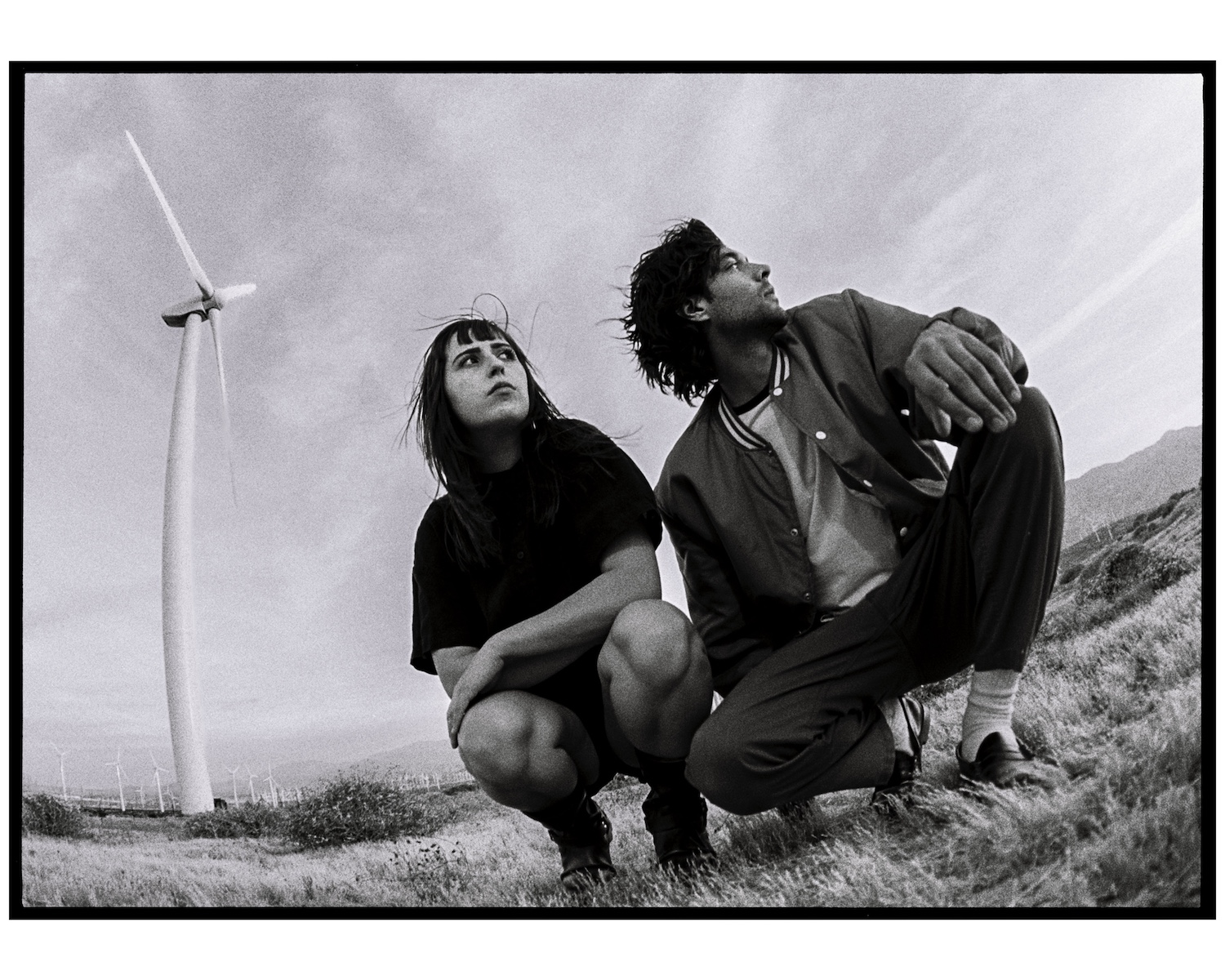
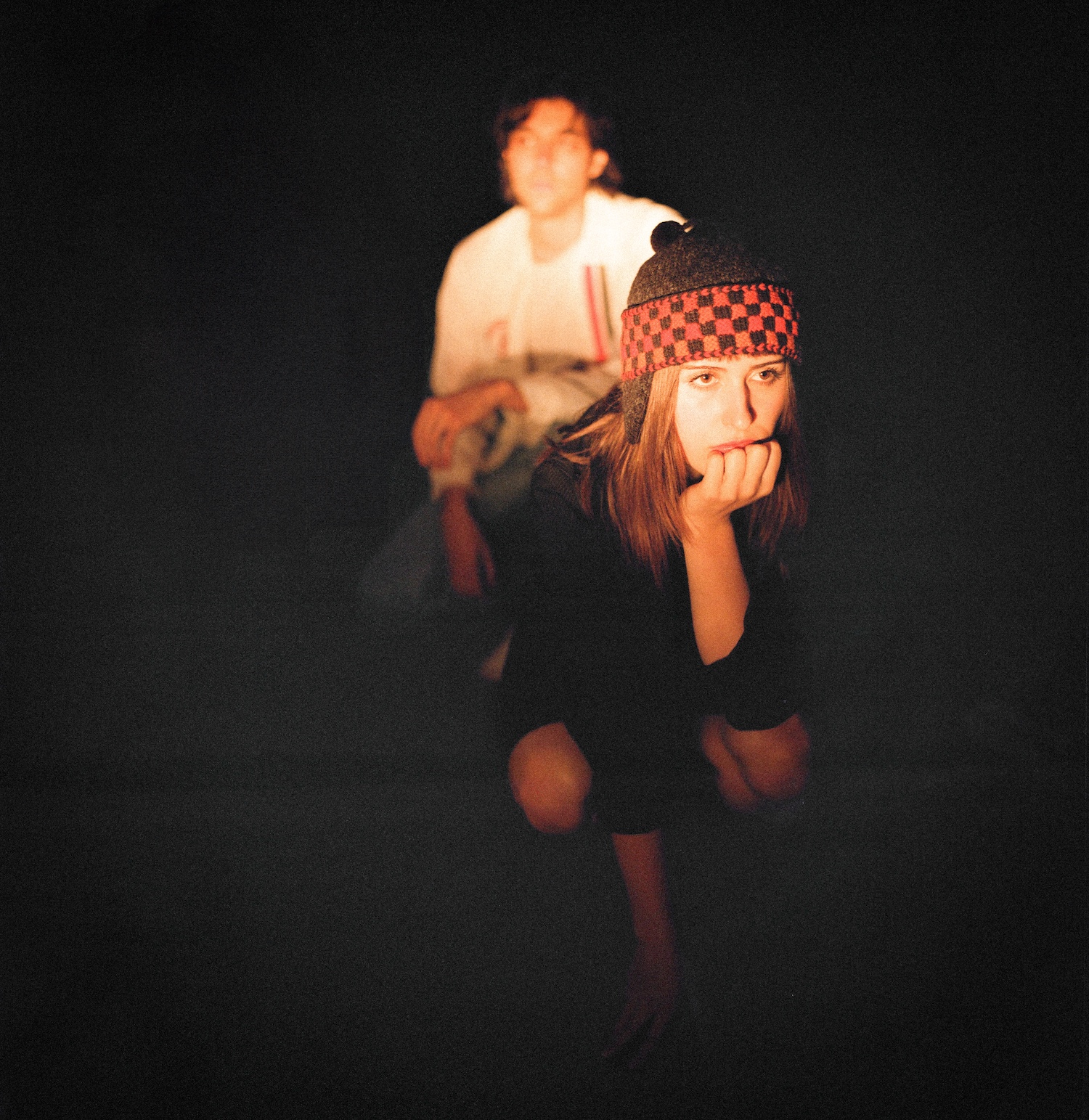
Nicole Rowe and Omar Akrouche, the duo behind Worthitpurchase, embody that completely. Both acclaimed producers and engineers who have worked alongside artists like Role Model and Lizzy McAlpine, they’ve spent years helping shape other people’s visions. They live and breathe music, not just as artists, but as true craftsmen of sound.
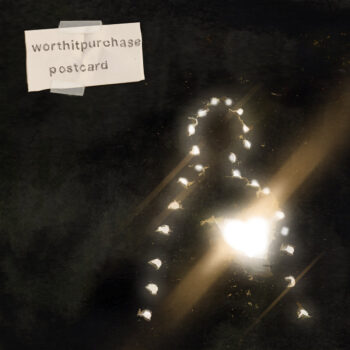
So what happens when two people so deeply immersed in creating music for others decide to make something entirely for themselves? The result is Worthitpurchase, a project that feels both meticulous and instinctual all at once. Their music is intricate and deeply textured, full of warmth, grit, and unexpected details like the use of the Optigan (short for Optical Organ, if you’re curious).
Rowe and Akrouche have created a space where there are no rules beyond their own instincts. You can hear the freedom in the music. Every sound feels intentional but never overworked. This is music that feels lived in, intimate, and entirely their own.
Their latest single, “Postcard,” released May 5, is a perfect example. Rich with atmosphere and intimacy, the track feels both nostalgic and completely singular. Atwood Magazine had the pleasure of sitting down with the duo to talk about Worthitpurchase in 2026, their creative process, and the world they’re building around what will soon become a full album.
you look like a postcard
smiling there in the yard
eyes closed in the sun
we stood still while the earth spun
I feel like this time last year
staring off on the pier
the dark was sad at night
you took it as a sign
We’re also excited to premiere the “Postcard” music video alongside the interview today – a fitting first glimpse into a project born from deep trust, shared instinct, and the kind of musical devotion that rarely feels like a choice. Dive deeper into our conversation below, and stay tuned for more to come from Worthitpurchase as they let the song’s loose threads lead them somewhere new.
— —
:: stream/purchase Postcard here ::
:: connect with Worthitpurchase here ::
— —
Stream: “Postcard” – Worthitpurchase
A CONVERSATION WITH WORTHITPURCHASE
Atwood Magazine: I definitely want to talk about the song. First, I just want to learn more about you guys and what drew you together. I would love to know what influences have drawn you together and what keeps you choosing to make music together.
Nicole Rowe: Well, I feel like we grew up together. We met when we were really young. So I feel like we formed our tastes together. We grew up loving initially those Pitchfork 2014 era indie bands like Beach House, but then that evolved. We loved Beck and so many bands that also we don’t really listen to anymore, of course. But I feel like we’ve evolved together over time and that’s part of what keeps us working together. It’s so natural for us and it feels like second nature.
Omar Akrouche: My answer to this is that, I always felt like, this is corny, but to put it simply, I always felt like a little bit of a black sheep or misunderstood, being so in deep on music and so trusting of music and just knowing that I would be doing music, but I didn’t know how or what that would look like. And I just feel like Nicole is someone that I met who I just felt the same thing through, and just felt very understood with music and the importance of music. We were kind of on the same page and had each other.
I also was very shy getting into music originally. I wanted to work with people who I thought were cool because I was too shy to sing my own songs myself. And I was like, oh, Nicole has this really cool voice and was recording on her phone. So I was like, maybe she can come over and we can record because I have this one microphone. And then learning how to write with Nicole and starting with her songs and being like, what if we changed this one thing? I feel like I just learned how to write music with Nicole. I just feel like we kind of learned how to do this together.
I love hearing that you felt seen by her. I think for people who love music so much and it's so important to them, it is really special when you find someone else who not only feels the same way about it, but loves the same things in it that you love, which clearly you guys do.
You’re both also producers and sound engineers. I’m curious, do you feel a big difference between working on other people’s music and working on your own stuff? Do you enjoy one over the other?
Rowe: I feel like personally, because Omar and I are so collaborative with producing our own music, whenever I’m working with someone else, I want them to feel like they have just as much of a say, or even more of a say, than I do really, because I’m just there to serve their song. So I think that’s how I approach it. I don’t approach it as, I’m going to go take over and then you’re just adding vocals to it. I always want input, because the way that Omar and I got into working together is just constantly giving each other feedback and trying different things.
When you're doing your own stuff, is there a freedom there?
Akrouche: A beautiful, terrifying freedom.
Rowe: Yeah. We usually have some direction with each other, like, this is kind of the world I’m thinking, something like this other song I’ve been listening to lately. And we’ll pull one element from that. We don’t usually like to have solid reference tracks because then you get yourself stuck in that world rather than being truly inspired by something. You’re trying to copy-paste something and that’s not super healthy. So we’ll have a direction for songs, but I mean, lately we’ve been working on a new song that has been redone. I think we’re on the third try now and we finally got it there.
Akrouche: Only the second try.
Rowe: Kind of. Well, yeah.
Akrouche: It’s kind of the third try. Yeah. We’ve been battling this one, but we found its true identity finally.
Rowe: But then we’ll have “Postcard,” which we just put out, and that one was really easy and really natural. We were just going with a feeling.
“Postcard” is so good. I love how you listen to it and you're not sure what's going to happen next. I love how it starts with just the guitar. It’s very warm and then the juxtaposition of the grittier drum kit comes in. How did this one come together?
Akrouche: “Postcard” came out ahead of the record because it was the song that gave us our direction back. I feel like we were used to making music in one way and that way kind of broke down a little bit. We needed to figure out how we wanted to keep moving forward, how we wanted to write, how we wanted to work together, and just reprioritize things a little bit.
My friend was letting me borrow this guitar. She left it in this really messed up tuning. I was like, “Nicole, you have to write a song in this tuning.” It’s like a Joni Mitchell “Coyote” tuning. Nicole wrote “Postcard,” pretty much all of it like that.
We kind of just laid that down as a foundation and started heading in the direction where the last album had been heading. Pretty quickly we realized we didn’t know how to recreate that sound world and we didn’t even really want to. So, we had this song and this guitar pass that we were really proud of. We ended up constructing it backwards in this very roundabout way. We didn’t record it to a click track, we recorded it to a drum machine that we then got rid of. All we were really going off of was the guitar part and a scratch vocal Nicole did.
It started as this kind of bright, shiny, maybe more synth-influenced thing. And then we were just like, no, we’re going to follow this straight to the source and let it be this darker, woodier kind of thing. And we just ended up finding that sound world, and that led the way.
Totally. I've talked to a few people who are like, “Yeah, I had this broken guitar, this out-of-tune piano.” There's something about random out-of-tune instruments that can inspire great songs.
Akrouche: Even the drum loop in that song, it’s not played by either of us. It’s from this weird old instrument from the ’70s called an Optigan, which was supposed to be kind of like a player piano. Back in the early 1900s, every house had a player piano, and then later houses had compact organs with little drum machines on them. That’s the stuff that Beach House would use when they started. At some point in the ’70s, this weird company was like, “We’re going to make these other keyboards and sell them to kids or students.” They just were not very durable, very delicate, kind of messed-up machines.
I feel like a bunch of bands started using them in the ’90s and 2000s that me and Nicole had always listened to. We just loved the sound of that instrument, but you can’t really put your finger on it unless you know about it. And even the Optigan drum loop that’s in the song, there’s bleed from instruments in a completely different key than the key we put the song in. If you just solo the drums and listen, there’s kind of this other song happening in the background.
Rowe: It’s like a dancing keyboard…
Akrouche: It’s like a blues part or something. It’s just kind of living deep, deep in the texture somewhere.
The song does feel like it has a lot of depth and texture. The lyrics are so poetic. I love the first verse and the “everything happens by design” line. I'd love to hear a little bit about writing it.
Rowe: Yeah. The verse is a rework of a song that I wrote four years ago now, but I never did anything with it. So it was kind of just sitting in my notes app waiting for something to happen. I’ve been reading a lot of James Tate recently, Ethan Cannon, and 20th Century American plain-spoken poetry. I’m just very inspired by that. I wanted it to feel like a recollection of something without trying to sound overly flowery, like I’m just talking to you. So that’s kind of where the lyrics came out of. It’s mostly about going in and out of your internal monologue and paying attention to what’s actually happening in front of you. I think that’s where the “everything happens by design” comes from. You’re kind of dozing off and then coming back into a situation. That’s what the song is vaguely about, I guess.
you’re finishing a rainier from
that six pack our friend left here
it’s been sitting around now for a while
my glasses fog and then clear
it looks strange but i turn sincere
like everything just happens by design
I love that. And the way you guys sing together, it's so velvety and dreamy, which fits the lyrics so well. Tell me about that dropout and the twinkly moment after the first verse.
Rowe: That is the Digitone Keys, which is an instrument by the company Elektron. It’s an FM synthesizer that has these beautiful sounds you can tweak as much as you want. I love pulling that instrument when I want something sparkly and twinkly. I think that specific patch is something to do with ice, like “Ice Pluck” or something. And then I think we put some delay on it or ran it through some sort of montage.
Akrouche: Yeah. Nicole was playing the keyboard and then I was playing a weird delay of the keyboard that I was trying to make sound like a slot machine by kind of spamming one of the buttons. I think we only kept the delay signal, but then we just lined it up and, I mean, it’s kind of an orchestrated moment. I wish we could say we just played that. It was a little bit of recording and some of it we put in reverse, and we moved it around and found where it sat nicely and made it into a little moment.
Rowe: But it came from just trying to sound like a slot-machiney, sparkly kind of sound.
Yeah, it totally does. And I think that's what's cool about this song and all the Worthitpurchase music. You guys having that skillset and knowing all these random instruments that nobody else knows about, and then building the song around these things, that's what makes the sound so unique and specific to you.
Rowe: Well, thank you.
Akrouche: I used to think of using different instruments as kind of gimmicky or something. And then I just realized that all these great session players and producers and arrangers, they were always just looking for something new and fresh, even just for one song, or one part of one song, or one day. There used to be so much innovation even in just guitar worlds, the Fender Bass VI, the Tic Tac Baritone guitars, 12 strings, high-string guitars, all these different modifications that small instrument manufacturers were making to provide session players and young people with fresh sounds. They’re on so many big records, but a lot of people can’t put their finger on what it is.
Accessing some of those sounds, stuff that I thought was off limits, for a while I wanted everything to be very austere and you couldn’t really tell what was what. And now I feel like we’re trying to just lay things out a little bit more.
I mean, if you have the expertise and the ability to bring it in, that's not something a lot of people can do. So I think it's cool that you're doing it.
Akrouche: Well, thankfully we are surrounded by nerds.
Rowe: It’s interesting too to just be like, we’re going to try this fun, weird thing and see what happens.
Yeah. And then it probably inspires more things and different directions to take it.
Rowe: Yeah, totally.
So this is the first single off of, I'm guessing, an upcoming album?
Rowe: Yes. An album is coming. We’re still recording it, but we’re almost done.
Akrouche: Moving full speed ahead.
Okay. And is it more down this lane? What can you tell us about it?
Rowe: I think it has relatives. The way that we think about this record is it’s like all the red strings connecting everything on a detective’s pinboard. There are songs that feed into “Postcard” but also branch out into another world, which relates to another song on the record. So we’re trying to make everything sonically relate to each other. There’s cousins, brothers and sisters, and friends of this song.
I do think it’s a departure from our last record, but in a way that it’s just less digital-sounding and more lived-in. I mean, it’s still digital, but we’re trying to tap into imperfections a little bit, interesting textures that are less clean.
Yeah. Well, this song certainly does that. And Omar, you said in the beginning that you guys wanted to rework the way you were working on music. So besides the imperfections and more organic sound, what are the other differences?
Akrouche: There are kind of two sides to that question. There’s one that’s more personal for me, and then one that’s kind of a consensus Nicole and I have come to together.
Worthitpurchase started in 2019, but Nicole and I had a band before this, that was always kind of a recording project. We never were really trying to play shows. It was just an outlet for us. And then over time it became almost like a collective where a bunch of our friends were kind of in Worthitpurchase. That’s a lot of how we made the last record, the self-titled that came out last year.
A lot just transpired in our personal lives. I moved to Los Angeles after this band started. Nicole moved to Los Angeles, joined me down here almost two years ago now. So when Nicole moved here and we were like, “Okay, we should keep having this band,” we just went back to the drawing board on how we wanted to do it and what we wanted to do. And we were like, “Let’s just do the two of us. Let’s just strip it back.”
I’m a recording engineer day in, day out. That’s been my job for a while now. My job is to make everything sound correct, to get sounds from the live room into the computer, make sure everyone’s headphones sound good, make sure everything’s great. And there’s an aspect of that that’s like, of course I want our record to sound professional and have a hook or whatever. But now, having been in the recording industry for so long, it’s like, Worthitpurchase is not about that. It’s about me and Nicole just saying what we have to say and hopefully making really interesting, messed-up-sounding records.
For this one especially, I’ve always been obsessed with distressed-sounding music. So many of my favorite songs, albums, and recordings are kind of deep-fried. I just realized that we can channel that, we can allow ourselves to tap into genres and sounds and feelings that we’ve always been drawn to, but for some reason thought we had to do this other thing to be a band or be in LA or whatever. And now it’s just like none of that matters. It’s just the two of us, we’re just going to do what we want to do. And I feel like “Postcard” is us getting on that train.
I love that. I'm a firm believer that the best music comes from people who truly just love music so much and are making exactly what feels right to them. Sounds like that's what you guys are doing.
Akrouche: Yeah. You can’t be everything to all people. You can just stay true to yourself and hope that you dream a dream interesting enough that convinces you to follow it. And that’s kind of where we’ve been at lately, what do we really want to do?
Totally. And I think that when you do land there and you're like, “I'm just going to do this for me,” that just so happens to be when people are drawn to it, because it's not trying to be anything else.
Akrouche: That would be cool.
Well, I can't wait to listen to the album. Did I see you guys have a live show coming up?
Rowe: Yes.
Akrouche: We’re playing in four days.
Rowe: And then we’re also playing in June with another great band called Harry the Nightgown at a venue called LAX.
Cool. Well, that's very exciting.
Rowe: We’ve never played with Harry the Nightgown before. They’re like our parallel…
Akrouche: They’re like our sister band. They’re a self-recording, insane duo. They kind of were inspirations for us to start this band a little bit.
I'm going to check them out after this.
Akrouche: Their music is actually insanely… it’s insane.
Thank you both so much again for chatting.
Rowe: Yeah. Really appreciate you chatting with us.
Yeah. I love the song, truly. And I can't wait to hear the rest!
Akrouche: Oh, thanks so much. It means a lot. All right, cool. ‘Til then. Bye!
— —
:: stream/purchase Postcard here ::
:: connect with Worthitpurchase here ::
— —
Stream: “Postcard” – Worthitpurchase
— — — —
Connect to Worthitpurchase on
Facebook, 𝕏, TikTok, Instagram
Discover new music on Atwood Magazine
© Cooper Burton
 © Cooper Burton
:: Stream Worthitpurchase ::