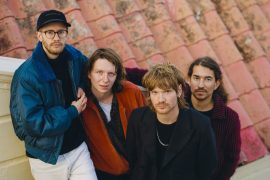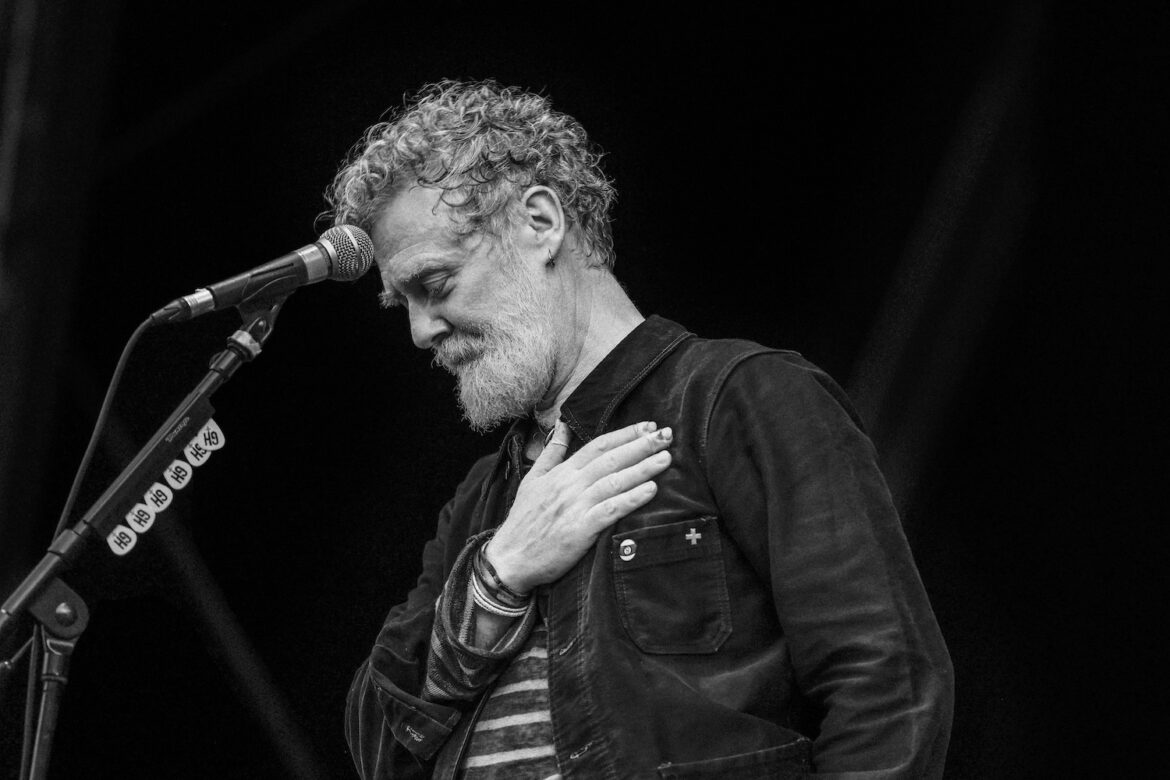
Irish singer/songwriter Glen Hansard built a life around music’s power to bring people together. In honoring his life, we remember the man whose voice carried from Grafton Street to the Academy Awards, and whose greatest gift was making music feel like home.
Time seemed to stop on July 29, 2026.
I was at work, doing what I do every day as a music publicist: monitoring the latest headlines, scanning industry news and keeping pace with an endless cycle of announcements and releases. Then one headline stopped me cold.
Glen Hansard was dead.
At first, it felt impossible. I refreshed the page, then another. Within minutes, every music publication carried the same story. The news spread quickly, followed by an outpouring of tributes from fellow musicians, political leaders and fans around the world. They called him “a force of nature,” celebrated his extraordinary songwriting and honoured his lasting contribution to Irish culture.
All of it was true. But for me, Hansard’s greatest gift lay beyond the records he made or the stages he commanded. He had a rare ability to bring people together. Whether busking on a Dublin street corner or leading thousands in song at a festival, he transformed audiences into communities, reminding us that music is at its most powerful when it is shared.
It seemed as though our paths kept almost crossing. I first saw Glen Hansard perform at the 2022 Galway International Arts Festival, where he reunited with The Frames for a performance that felt both nostalgic and quietly electrifying. A year later, while holidaying in California, the coincidence became almost comical. As I wandered along Hollywood Boulevard, Hansard was in Los Angeles making an appearance on Jimmy Kimmel Live! in October 2023. Days later, I found myself staying just a stone’s throw from the Ohana Festival, where he was once again on the bill. Somehow, wherever I travelled, Hansard always seemed to be playing just around the corner.
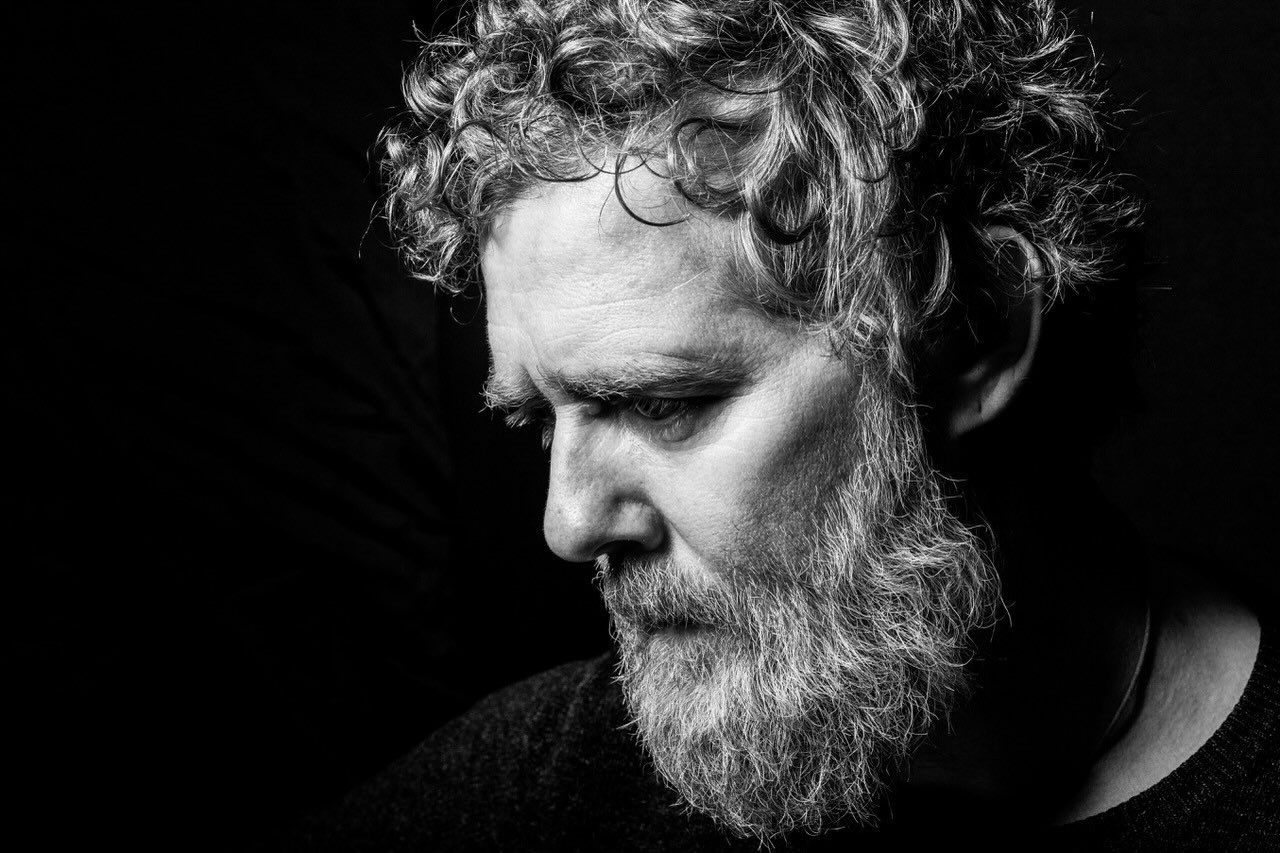
Long before Once, before the Academy Award and before The Frames became one of Ireland’s defining bands, Glen Hansard was simply a boy growing up in Ballymun.
Born on April 21, 1970, Hansard was one of six children in a family that knew both love and hardship. Growing up in one of Dublin’s most economically disadvantaged communities, he experienced a childhood shaped by struggle. Years later, he would speak openly about his father’s alcoholism and the instability that surrounded parts of his early life. Looking back, he admitted he could already see himself drifting towards trouble.
Then music intervened. An old acoustic guitar left behind by an uncle became more than an instrument. It became a refuge. Soon afterwards, another teenager handed him a Bob Dylan cassette. Hansard later recalled that hearing Dylan changed the direction of his life. These songs revealed that music could do more than entertain. It could tell uncomfortable truths, ask difficult questions and offer a way of making sense of the world.
By the age of 13, school had become secondary to the pull of the guitar. In an extraordinary act of faith, his headmaster recognised where Hansard’s future lay and encouraged him to pursue music rather than remain in a classroom where his heart no longer was.
Hansard left school and took to the streets of Dublin, turning Grafton Street into his first stage. Busking became his education. Every performance demanded honesty. If a song failed to move people, they kept walking. If it carried something real, they stopped. Long before audiences filled theatres to sing his songs back to him, Hansard learned that vulnerability was not a weakness but the foundation of every meaningful performance.
Those lessons never left him. Whether singing for a handful of strangers on a cold Dublin afternoon or accepting an Academy Award before millions, Hansard approached every stage with the same belief he had discovered on Grafton Street: Music is, above all else, an act of human connection.
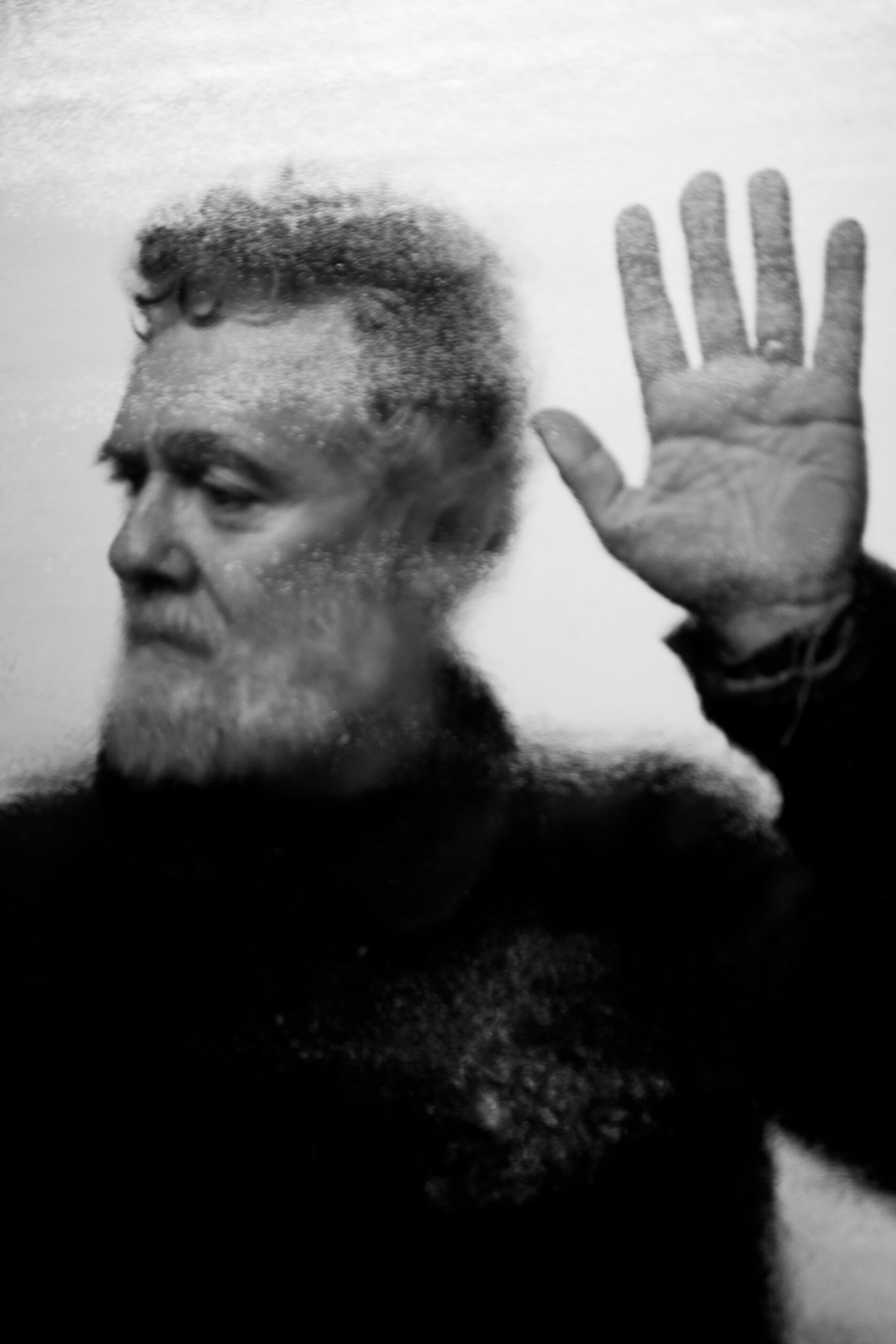
If Grafton Street taught Glen Hansard how to hold the attention of strangers, The Frames taught him how to build a home for those who stayed.
Formed in Dublin in 1990, The Frames arrived at a pivotal moment for Irish music. While much of the country’s international attention remained fixed on arena acts, Hansard and his band carved out something altogether different. Their music was raw, emotionally exposed and deeply rooted in the everyday realities of Irish life. They weren’t interested in perfection. They were interested in truth.
Before the band found its footing, Hansard made his acting debut as guitarist Outspan Foster in Alan Parker’s The Commitments (1991). The film introduced him to audiences far beyond Ireland, but fame never seemed to distract him from the work that mattered most. Rather than chase a Hollywood career, he returned home to The Frames, determined to build something lasting on his own terms.
Over the next decade, the band quietly became one of Ireland’s most beloved musical institutions. Albums such as Fitzcarraldo (1995) and For the Birds (2001) captured a songwriter growing increasingly fearless in his vulnerability. Hansard’s voice could move from a near whisper to a roar within the space of a single verse, yet every note felt earned. There was an urgency to his performances that echoed his years as a busker, as though every song still carried the possibility that the audience might simply keep walking if he wasn’t completely honest.
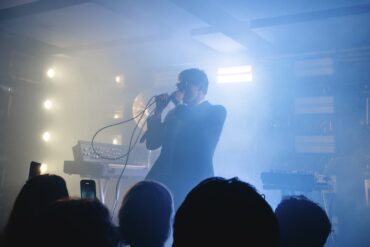
For those who saw The Frames live, the concerts became something of a ritual. Songs stretched and evolved from night to night, singalongs emerged without invitation, and audiences became participants rather than spectators. Hansard never stood above the crowd. He stood among them, inviting everyone into the story.
Looking back, it is clear that The Frames were the foundation of everything Glen Hansard would become. They gave him a place to refine the philosophy first learned on Grafton Street: that music is not about performance alone, but about creating a space where people can recognise themselves in one another. Long before the world discovered Glen Hansard, Ireland already knew what it had.
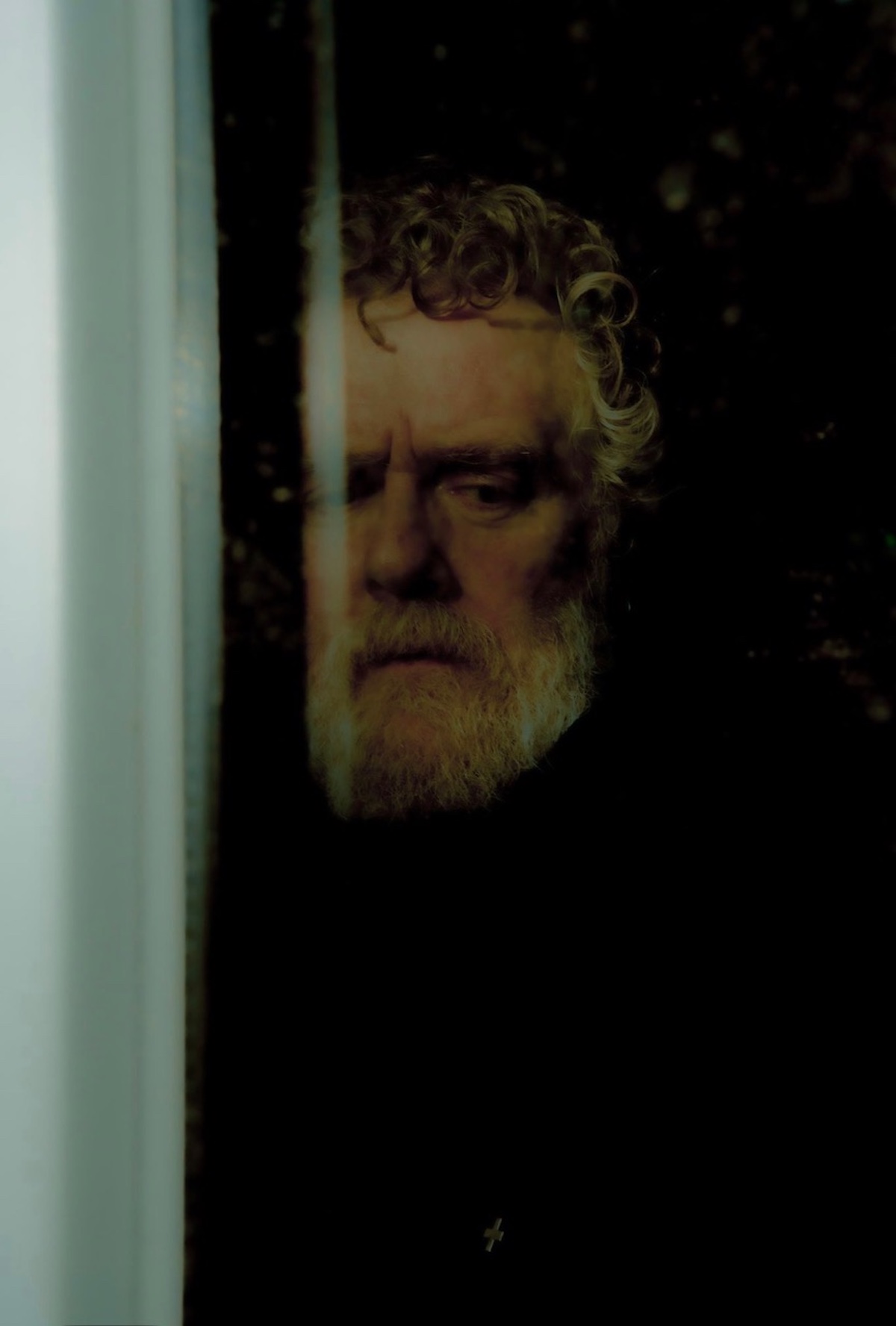
By the time Once arrived in 2007, Glen Hansard was hardly an overnight success.
He had already spent years earning the respect of audiences across Ireland, one song and one performance at a time. What the film did was introduce the rest of the world to an artist who had quietly been telling the same truths all along.
Made on a modest budget and filmed on the streets of Dublin, Once blurred the line between fiction and reality. Hansard played a busker, while Czech pianist and singer-songwriter Markéta Irglová portrayed an immigrant musician chasing her own dreams. Together, they created something that felt disarmingly authentic. Their performances were never polished for the sake of cinema. They carried the same honesty that had defined Hansard’s music since his days on Grafton Street.
At the heart of the film was “Falling Slowly,” a song that has since become one of the defining compositions of the 21st century. It begins quietly, almost tentatively, before growing into something hopeful and resolute. More than a love song, it is an act of faith, two voices finding strength in one another when neither believes they can make it alone.
When “Falling Slowly” won the Academy Award for Best Original Song in 2008, it was a moment few could have predicted. Yet even on Hollywood’s biggest stage, Hansard remained unmistakably himself. In his acceptance speech, he celebrated independent artists everywhere, reminding the world that meaningful art is rarely measured by budgets or box office returns. It was a victory not only for Once, but for every musician who had ever stood on a street corner with little more than a guitar and a song.
The success of Once could easily have altered the course of his career. Instead, it broadened it.
Hansard and Irglová continued their musical partnership as The Swell Season, releasing music that explored love, distance, reconciliation and the quiet complexities of human relationships with remarkable tenderness. Their final studio album together, Forward (2025), arrived almost two decades after Once. It did not attempt to recreate the magic of their breakthrough. Instead, it deepened it, offering songs that felt lived in rather than nostalgic, and proving that some musical conversations never truly end.
Alongside his work with The Swell Season, Hansard’s solo career revealed new dimensions of his songwriting. Albums including Rhythm and Repose, Didn’t He Ramble, This Wild Willing, and All That Was East Is West of Me Now found him embracing soul, folk and rock with the same emotional openness that had always defined his work. His voice aged, deepened and weathered, but it never lost the urgency that first stopped passers-by on Grafton Street.
Awards, sold-out tours and international acclaim followed, yet they never seemed to change the essence of the man behind the songs. Whether performing in an intimate theatre or on one of the world’s biggest stages, Glen Hansard carried with him the same belief that had shaped his life from the beginning: Music is not about standing apart from people. It is about standing with them.
For all of Glen Hansard’s achievements, those who knew him best rarely began by talking about the Academy Award or the sold-out concerts. They talked about his generosity.
Within the Irish music community, Hansard earned a reputation as a musician who instinctively reached back to help the next person climbing the ladder. Success never seemed to distance him from the artists who were still finding their voice. If anything, it made him more determined to create opportunities for others. It is why so many musicians described him not simply as a great songwriter, but as a “musician’s musician,” someone whose greatest measure of success was the people he encouraged along the way.
Few traditions captured that spirit more completely than the annual Christmas Eve busk on Grafton Street. What began as a modest fundraising event grew into one of Dublin’s most cherished musical gatherings. Every December, Hansard stood shoulder to shoulder with friends, established artists, emerging performers and buskers to raise money for people experiencing homelessness. The names on the line-up often changed, but the purpose never did. Music, in Hansard’s hands, was never separate from community. It was a way of caring for it.
That belief extended far beyond one day each year. During the Apollo House occupation in 2016, Hansard joined housing activists, volunteers and fellow musicians in transforming a vacant office block into an emergency shelter for people experiencing homelessness. He lent not only his voice but his time, his energy and his public profile to a cause he believed demanded action. For him, compassion was not a statement made from a stage. It was something that required showing up.
The same generosity defined his relationships with younger artists. Countless musicians have spoken of unexpected phone calls, quiet words of encouragement or invitations to share a stage. Dundalk singer-songwriter David Keenan perhaps said it best when he reflected that “no one did more to pull others up onto the ship.” Hansard understood that music was never a competition. It was a conversation, one that grew richer each time another voice was welcomed in.
Perhaps that is why his influence cannot be measured solely through albums or awards. His songs gave people comfort, but his actions gave them confidence. He made emerging artists feel that they belonged. He reminded audiences that music could still be an act of kindness. In an industry often defined by ambition and individual success, Glen Hansard spent his life proving that the strongest careers are built not on what we achieve alone, but on what we help others become.
Looking back now, it becomes difficult to separate the artist from the community he nurtured. The stages he stood on mattered, but so did the streets he returned to, the causes he championed and the people he quietly lifted along the way. That is the legacy fellow musicians continue to speak about, not because they feel obliged to, but because they lived it.
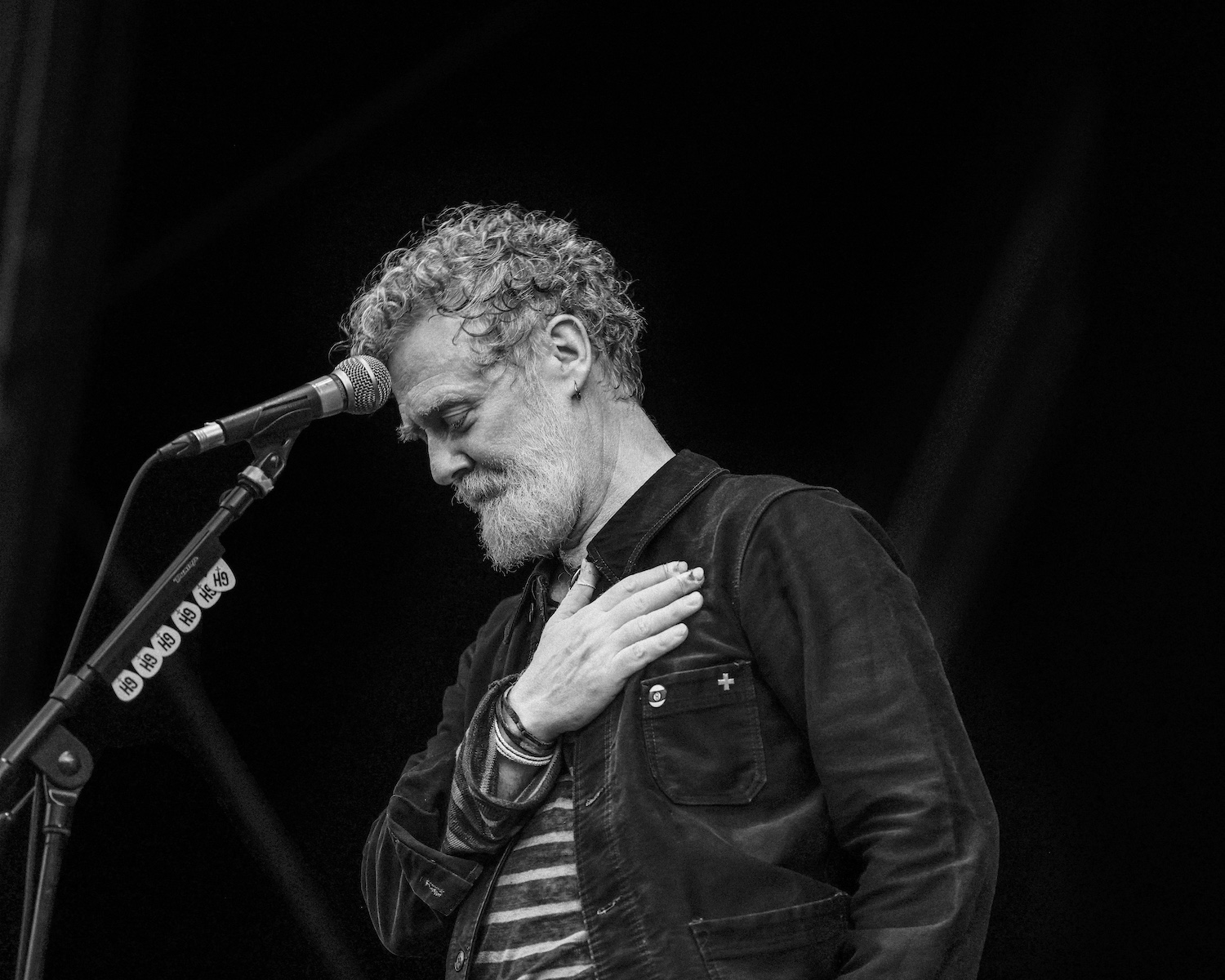
On the evening of 28 July 2026, Glen Hansard spent a few quiet hours in the Wren’s Nest pub in west Dublin.
There was no spotlight, no backstage pass and no ceremony. He was doing what he had always done best: Sitting among friends with a guitar, trading songs passed down from one generation to the next. It was an ordinary night.
Only hours later, Hansard was killed in a motorcycle accident in the Strawberry Beds, a stretch of road that follows the River Liffey through the west of the city he never truly left behind.
When news of his death spread the following morning, Dublin answered in the only way it knew how. People gathered. Outside the Gaiety Theatre, on Grafton Street and beside the statue of Luke Kelly, strangers became a choir. Buskers, friends, fellow musicians and those who had simply loved his songs stood shoulder to shoulder, singing “Falling Slowly,” “The Auld Triangle,” and the music that had become woven into the city’s identity. There was grief, certainly. But there was gratitude too. Perhaps that is Hansard’s greatest legacy.
His masterpiece was never an Oscar, nor a platinum record, nor even a single song. It was his unwavering belief that music should bring people into the same room. He spent four decades creating spaces where vulnerability was welcomed, where applause mattered less than participation, and where a song belonged as much to the listener as it did to the person who wrote it.
That is why his story does not end on a road outside Dublin. It continues every Christmas Eve when musicians gather on Grafton Street for those in need. It continues whenever a young songwriter steps onto that pavement with a guitar and the courage to sing before anyone is listening. It continues in every artist who chooses honesty over perfection, connection over performance.
Years from now, people will remember the Academy Award, the sold-out concerts and the acclaim. But those who knew Glen Hansard’s music will remember something quieter. They will remember how it felt to stand in a room where, for the length of a song, nobody felt alone.
That may be the rarest achievement any artist can hope to leave behind.
— —
:: find more on Glen Hansard here ::
— —
— — — —
Glen Hansard on
Facebook, 𝕏, TikTok, Instagram
Discover new music on Atwood Magazine
© Tara Keane
 © Tara Keane
:: Stream Glen Hansard ::