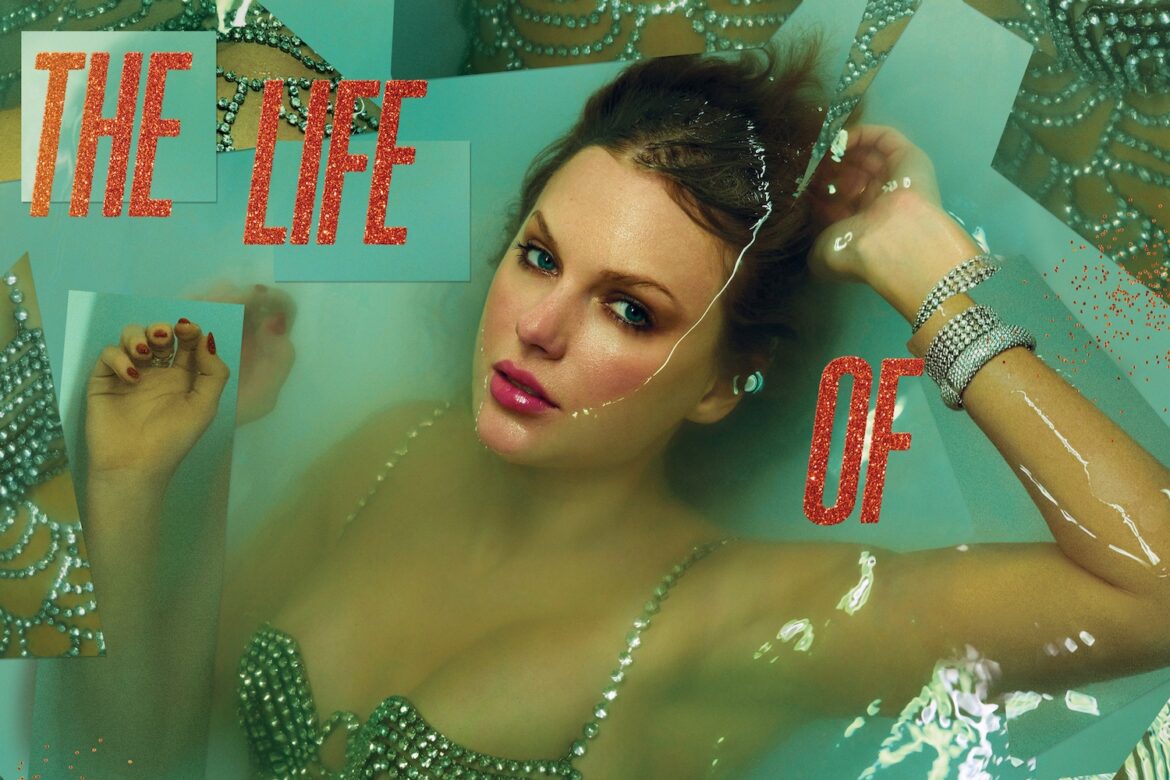
Atwood Magazine’s writers unpack the glitter, drama, and discourse of Taylor Swift’s twelfth album ‘The Life of a Showgirl,’ diving into her bold return to theatrical pop, the myths and meanings behind her lyrics, and the boundary between performance and reality.
Featured here are Atwood writers Anu Sarode, Bárbara Martínez Campuzano, Cassandra Fong, Danielle Holian, Josh Weiner, and Rachel Leong!
— —
To start, what is your relationship with Taylor Swift’s music?
Josh Weiner: Taylor and I go back almost 20 years now. I got into her back in fall 2008 when I was in 11th grade and some of her early hits (“You Belong With Me” and “Teardrops On My Guitar,” for instance) were popular amongst my high school friends. My age has just about doubled since then, so I’m happy to say I’ve now been actively listening to Taylor Swift for half of my young life and am looking forward to participating in my seventh Atwood roundtable review of one of her albums.
Cassandra Fong: “Style” (the 2014 version) and its music video grabbed onto me as a little girl and didn’t let me go since. What can I say? The seashore, the woods and the car rides were beautifully put into video. Then she released Reputation in 2017, when I was having a really bad time with interpersonal fallouts, and I was immediately obsessed enough to begin going back into her older songs. Here I am now.
Danielle Holian: For nearly two decades, Taylor Swift has been an idol, an inspiration, and a guiding hand in shaping my own writing, serving as an emotional support system during life’s challenges. Her music feels like it defines the ‘eras’ of my life: from my first heartbreak, to becoming an adult, entering the music industry, and eventually becoming a published writer, there’s a Taylor Swift song for every emotion I’ve felt. She remains one of my top artists of all time, and I’m thrilled to be part of Atwood’s roundtable to discuss all things Taylor Swift.
Bárbara Martínez: Taylor Swift took a spot in my childhood and young adulthood the same way Disney artists, like Miley Cyrus and Selena Gomez did. I’ve followed their music for more than a decade, and the point in which Swift became such a big artist for me was with the release of Red, and then 1989, the album that made her a global sensation. Nonetheless, I was and will always be extremely fond of folklore and evermore, for I believe those are the two albums with the richest lyrics, poetic and profound, and that is something that I admire and look for in musicians. Those two albums stand at the very top of my list of favorites.
Anu Sarode: I was eleven years old when Speak Now was released, and her music was everything for me for a couple years. I had every song memorized (and still do) and filled the lyric booklet that came with my CD with gel pen attempts at decoding her secret messages. Unfortunately, her stock in my eyes has depreciated exponentially with each subsequent release. In my eyes, she kind of represents the Amazon of music, like the final boss of efficiency and profit. Each “era” of hers feels more cynical and commercially engineered than the last.
Rachel Leong: I’ve always been a Taylor Swift fan! I very much grew up with her music, and her Fearless album was the very first CD I ever bought. I’ve also followed her music closely since then, and her music has very much felt like a part of my life – especially as a girl and now woman living through heartbreak, growth, and all of that. The thing is that all her albums have that special distinct place in each stage of my life, and as I grow older her older songs take different meanings as well. I also think in this current moment, to watch her be the most successful musician in our time – there’s so much to be said about that, and the relationship her status has with her music, her image, and audience perception.
What are your immediate reactions to The Life of a Showgirl?
Josh: I just concluded my first listen to this album, and I can safely say that Taylor Swift has done it again! The Life of a Showgirl is continually entertaining and likable, and the production from Swedish music titans Max Martin and Shellback shines throughout. I’m happy to see music’s biggest superstar maintain a more simple but still grand title: one of the most consistent producers of high-quality albums from throughout the past generation.
Danielle: On release day, I listened to the album five times – back-to-back. I couldn’t get enough of it – for me, all the tracks are replayable. I was surprised and entertained from beginning to end.
Bárbara: I felt similar to how I felt with Midnights almost three years ago: optimistic and attracted by the subtle instrumentation that also becomes a pleasing, fun pop in some of the tracks. There were songs that I did not feel the urge to play again, others that I want to learn and stick to for a long time, such as “The Fate of Ophelia.” I became attached instantly to that first song, making me like the album too early in it.
Cassandra: There were some songs I replayed more than others, some beats I clicked my fingers to, and some lyrics I physically cringed at. My first reaction was honestly surprise – but in the best way. After the emotional weight and quiet intensity of The Tortured Poets Department, I didn’t expect Taylor Swift to pivot so sharply into bold, theatrical pop again. That said, I also felt a kind of emotional distance at times. It’s polished and performative by design, which means it’s not as raw or intimate as some of her recent work. But that’s part of the point – it’s about the boundary between who she is and who we expect her to be.
Anu: I spent two 5-hour drives listening to Showgirl this weekend. I say this so you know I really did give it a chance! Swift’s songwriting has never been particularly groundbreaking, but this album is corny at best and actively hostile to art at worst. It was sexless and sauceless. I haven’t seen anyone else be so gifted at playing the victim in so many different ways. The album is the work of a hyper-savvy billionaire businesswoman that apparently holds her audience in such contempt that she’s deliberately dumbing down the material for consumption (this is my only logical explanation for how the most successful 35 year old woman in the world can write “Every eldest daughter was the first lamb to the slaughter / So we all dressed up as wolves and we looked fire.”) The writing might have been forgivable from a fifteen year old, but it’s humiliating on a grown woman. The music itself sounds canned and dry as a bone, even when she whispers, “It’s kind of making me wet.”
Rachel Leong: I didn’t love it. I’m still wanting to listen to it a few more times to really get it in my ear, because music has to grow on you sometimes. It takes time for it to affect you, and that’s a good thing – I didn’t love Tortured Poets and Midnights at first, but I think they’re great now. But first impressions of Showgirl… I don’t love it. I am all for a woman writing about her truth and using her voice – and I even hate that I’m saying this, but her constant diss tracks about all her “enemies” are starting to get old. I don’t agree that she’s never been a great songwriter either, she’s always been great at expressing complex emotions in simple ways – and that’s the mark of a great writer. And then her folklore and evermore era also showed she could be a really complex writer too. She’s an incredibly smart woman, with the ability to write in so many different styles – so Showgirl is falling flat in my opinion.
How does this album compare to recent albums like The Tortured Poets Department and Midnights – what are the most striking similarities or differences?
Danielle: Compared to Swift’s recent albums like The Tortured Poets Department and Midnights, The Life of a Showgirl shows her in a more confident and self-assured place. While those earlier albums often explore her insecurities, anxieties, and personal struggles, this album feels lively, fun, and celebratory. It’s exciting to see her standing tall, embracing her talents, and fully owning who she is.
Bárbara: There will always be two undeniable characteristics in Swift’s music: it is personal, and it is honest. The albums represent her phases or feelings in the moment, and Taylor’s life has changed since the release of The Tortured Poets Department. In the release of this album, she is engaged, not on tour, she’s joyful, and has moved on from past heartbreak and sorrow. The center of her past album was mourning lost love, and even Midnights began to draw back the curtains for that phase with the late release of “You’re Losing Me”; in this album, that is just the opposite. The Life of a Showgirl centers around finding love and the happiness it brought, aside from demonstrating – it bears repeating – the life of a showgirl.
Cassandra: The most immediate and striking difference between The Life of a Showgirl and its predecessors is emotional tone. Where Midnights explored introspective anxiety, self-doubt, and late-night vulnerability, and The Tortured Poets Department dug deep into themes of heartbreak, psychological unraveling, and emotional isolation, Showgirl radiates with joy, confidence, and a renewed sense of creative and romantic purpose.
Josh: I think the production is the most evident point of contrast between The Life of the Showgirl and its predecessors, given that this is her first album in a while without massive beat contributions from Jack Antonoff. Max Martin and Shellback (both from Sweden) have largely taken over in that department, which has created some areas of sonic divergence. But their beats have something important in common with Jack Antonoff’s beats: they’re also good! And they fit Taylor Swift’s singing style as well.
Rachel: Like I said earlier, I didn’t love Tortured Poets or Midnights when I first heard them (very much like how I’m responding to Showgirl) – but they’ve really grown on me since. I’m wondering if the same will happen for Showgirl! Many of the songs on this one are about her fame and her status in the world, and I think that’s definitely a reason why this album isn’t hitting like the others. I just think that while these are topics that are very real for her, they’re so unrelatable to the typical consumer – and maybe that’s why it’s not landing in the same way.
Based on the music and marketing for this album, how would you define this “era”?
Josh: “The Showgirl era”? “The post-Eras tour era”? “The Elder Stateswoman era”? We’ll see how many I can come up with, but now that she’s nearly 36 and has just wrapped up the biggest tour in history, there are certainly plenty of adjectives to describe her current career phase.
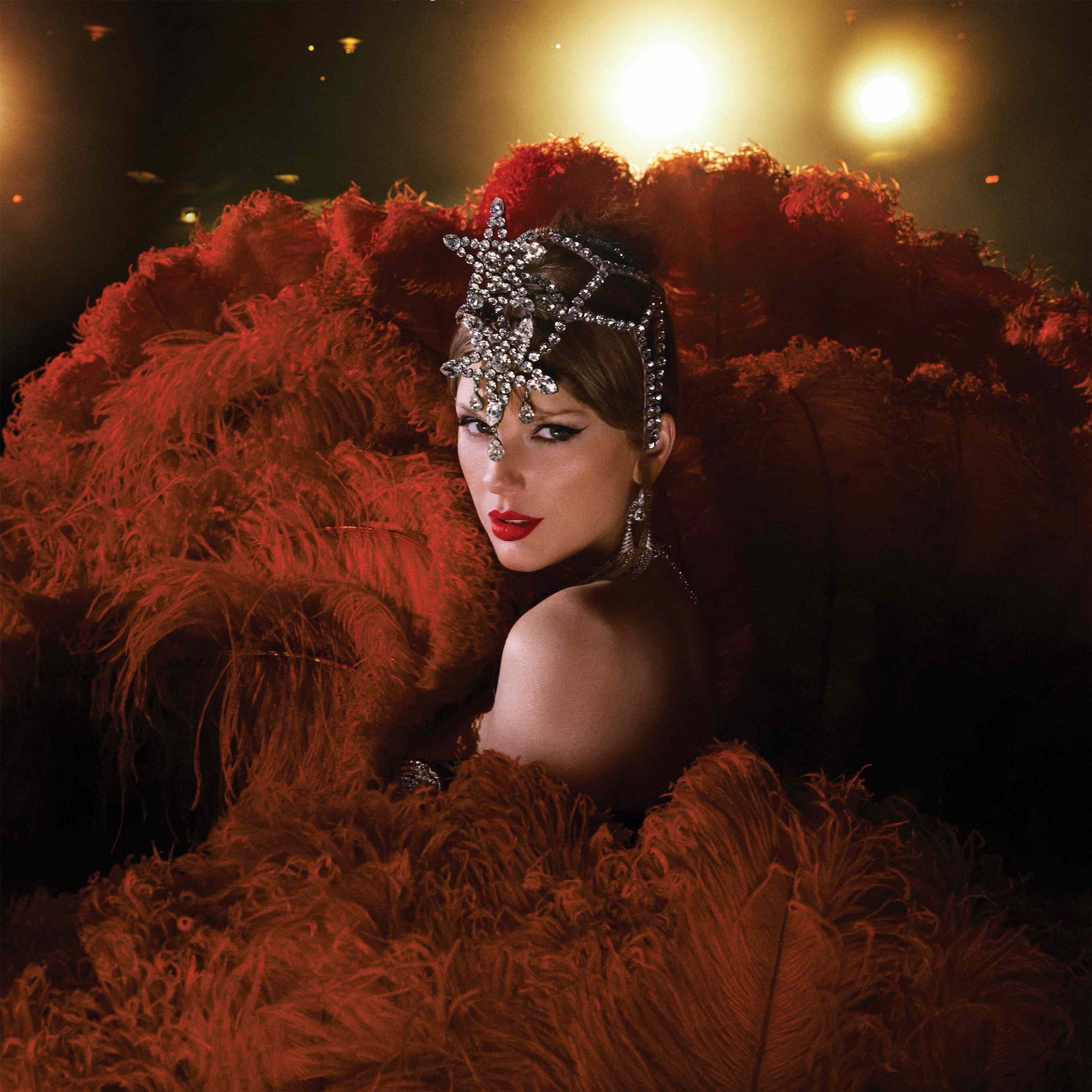
Danielle: This era embraces dramatic, theatrical aesthetics and symbolism, with nods to Ophelia, art-history imagery, and icons like Elizabeth Taylor, blending beauty with tragedy. Musically, it leans into upbeat pop and soft rock, marking a shift from her more introspective recent work, while the lyrics explore her relationship with Travis Kelce, love, fame, success, and the costs of life in the spotlight. Recorded during the European leg of The Eras Tour, the album merges live-performance energy with studio polish. Its rollout created a shared Swiftie experience through fan participation, cryptic teasers, countdown clocks, the New Heights podcast announcement, Easter Eggs, and the film event The Official Release Party of a Showgirl. Glamorously theatrical and high-polish, this era celebrates spectacle and elevation while remaining self-aware of the personal costs of fame, intertwining love, reflection, and joy within a visual and marketing campaign that treats the album as a full-scale cultural event.
Bárbara: It might sound strange but I would use the word metamorphic. This era represents a new form in the life of Taylor Swift as a person and as a singer. Now she is a grown woman who is about to get married, and she is an artist that will be part of history books after everything she has achieved in the past decade and, especially, the past two years with the Eras Tour. She was able to use the critics, feuds, and issues to turn it into her work and, after all, her legacy. Yet, referring to this musical era, the era can be defined as confident, joyful, catchy, figurative and vivid. The colors, the references to literature, and the visual aspect of it make it an overall upbeat era.
Cassandra: Compared to the stripped-down melancholy of Poets, or the tightly wound soundscapes of Midnights, Showgirl is expansive and expressive. It borrows from disco, glam, and even a bit of showtune drama – think Liza Minnelli filtered through 1989 – but it never feels like pastiche. It’s not a reinvention, exactly, but a re-contextualization of Swift’s pop sensibilities: a return to the sound that made her a global phenomenon, now sharpened with everything she’s learned since. The album’s rollout leaned heavily into iconography – spotlights, roses, marquee signage, and a persona-driven narrative – it feels like a reclamation of the pop persona on Taylor’s terms.
Anu: It’s her Grifter Era. This weekend she announced a bunch of additional releases with exclusive tracks, clearly engineered to sell more records to diehard Swifties. This is on top of the eight variants that were already released. She’s reached the final stage of her grotesque evolution from underdog singer-songwriter into capitalist megacorp. In “Father Figure” she admits that she’s become the thing she used to criticize: She is Taylor Swift, Inc.
Rachel: Visually, and in terms of the world-building – she’s nailed it for sure. I think it’s the perfect album to follow the Eras Tour – which, in my opinion, was so phenomenal that it would have always been hard to follow. But I love that nod to the Eras tour and the whole “showgirl” theme.
The Life of a Showgirl didn’t have any promo songs, but “The Fate of Ophelia” is its opening track and lead single. What do you think of this song as an entryway to the album as a whole?
Cassandra: She’s exploring a lively and danceable sound with pop and dance-pop influences, as she should. Given her talent for combining catchy melodies with meaningful storytelling, the song provides an exciting and energetic introduction to the album. Do I wish she referenced the play more? Yes, because I’m an English major and she did call herself a teacher, but I also love the spectacle she provides with her newfound happiness. Is that not, after all, what we demand from our greatest stars?
Danielle: “The Fate of Ophelia” is a powerful opening track and an effective entryway into The Life of a Showgirl because it immediately sets the tone for the album’s themes of performance, identity, and vulnerability. By referencing Ophelia, Taylor Swift blends classic tragedy with modern fame, showing the tension between being admired and feeling lost beneath the spotlight. The song’s lush, theatrical production mirrors the showgirl aesthetic – glamorous on the surface but emotionally layered underneath. As the first track, it introduces listeners to the mix of spectacle and sincerity that defines the album, making it both a statement piece and a symbolic curtain-raiser for the era.
Bárbara: As a fan of Fleetwood Mac and of this song in particular, it is a great introduction to the rest of the album. I mention Fleetwood Mac because the drum intro takes the listener to “Dreams,” being even an implicit use of intertextuality. Nevertheless, the great reference here is Shakespeare’s Ophelia, a character who has far from a happy ending in Hamlet. Different from other pop songs and their way of showing message, the use of “saved my heart from the fate of Ophelia” is a fine combination of drama and a lovely truth in Swift’s recent life. Beyond the lyrics, the first track states that the album is about love and, in many of the songs, for Taylor’s fiancé. The introduction to the album therefore sets the tone and direction that the artist’s life and music are taking now.
Josh: I agree with the others: “The Fate of Ophelia” gives you a good sense as to what sort of lyrical territory the album will be exploring. It also creates a clear idea of what the album’s going to sound like now that it’s Max Martin and Shellback’s show. I’ll also give a shout-out to the song’s fresh new music video: It’s really cool and creative! And its “showgirls throughout the ages” imagery definitely play along well with the album’s title and themes.
Anu: The synthy sound is interesting for her, and the “land, sea, sky” part is catchy. Much brilliant art has been mined from the story of Ophelia, and the cover art does seem to reference the Millais painting. But I’m not sure that she has read Hamlet. What tower does she think Ophelia was trapped in? The song misreads the text and thereby strips the original story of its real tragedy, reducing Ophelia (a character made hopeless due to her loss of control) to a damsel waiting for her meathead boyfriend to rescue her. The TikTok-ready choreo of the music video only further cheapens her claim to artistry. The internet is already full of millennials twisting their arms around just as she does in her feathers and rhinestones, but even they manage to sell it more convincingly.
Rachel: It’s interesting because “Ophelia” starts out with a sort of folklore/evermore–esque piano, and then a Midnights–esque beat, and then a distinct lyrical narrative that is unique to Showgirl. So I definitely think in that sense it nods to her past work while being quite forward-looking.
Swift hasn’t said much explicitly about this album, but in the title track she sings, “Hеy, thank you for the lovely bouquet, you’re sweeter than a peach / But you don’t know the life of a showgirl, babe, and you’re never, ever gonna.” What do you make of the album’s title, and what does it mean to you?
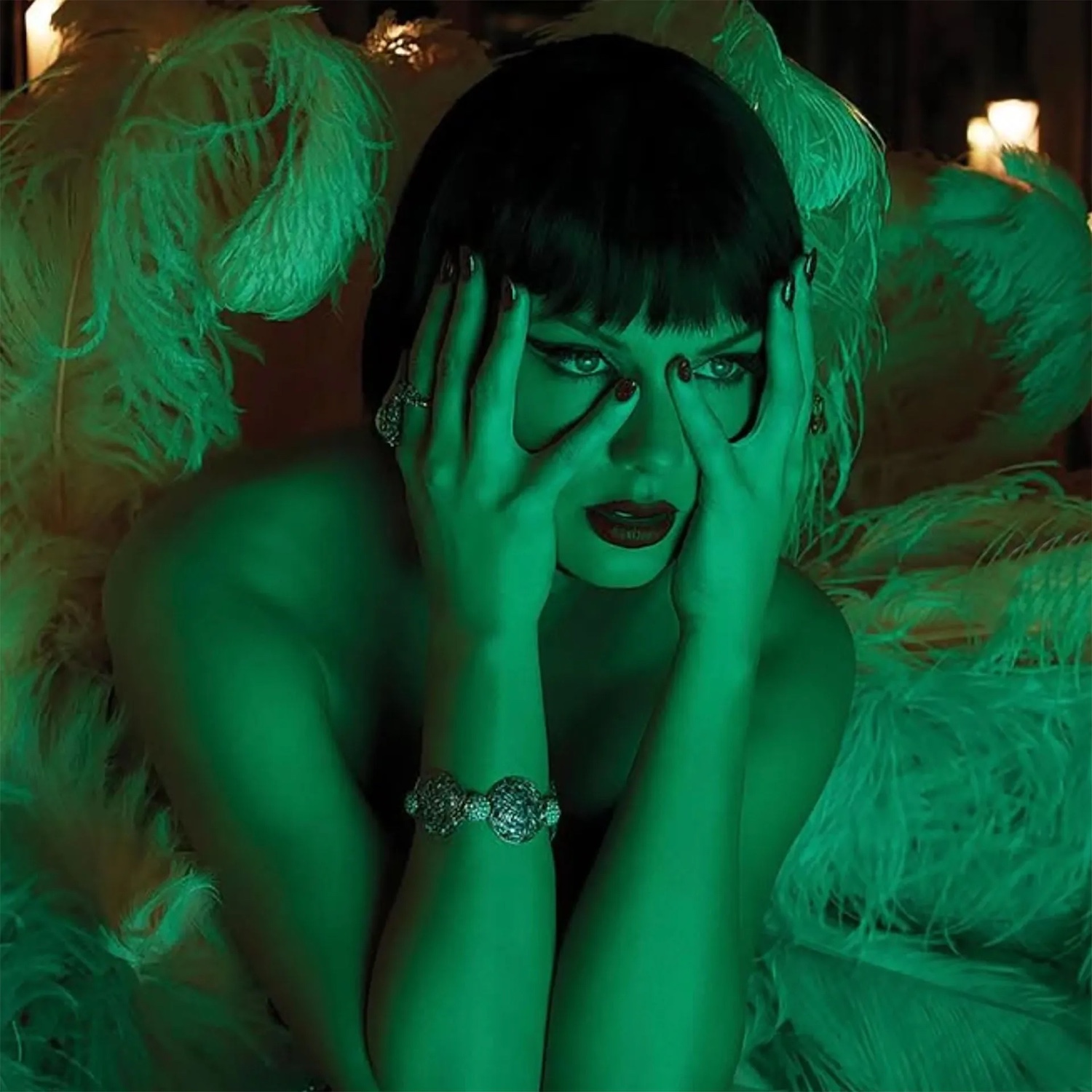
Danielle: To me, the title The Life of a Showgirl reflects the idea of living in constant performance, being admired and celebrated while still feeling unseen or misunderstood beneath the glitter. In the lyric “you don’t know the life of a showgirl,” Swift seems to acknowledge the divide between her public image and her private reality, suggesting that even those closest to her can’t fully understand the pressures of fame. The title captures both the glamour and the loneliness of that role: it’s about resilience, endurance, and the cost of always having to put on a show. It feels like a statement of self-awareness, embracing the spotlight while subtly revealing what it takes to survive in it.
Bárbara: The title is part of her decision to live a life in the spotlight, as a musician and a global star. People would think that the album would be about what it is actually like behind the scenes and the curtain, but it is funny that we see Taylor’s manner of showing bits of her life and, yet, not saying everything we want to know. The title track’s “But you don’t know the life of a showgirl, babe, and you’re never, ever gonna” is actually a confirmation that the audience won’t ever understand or look through the closed curtain. The album’s real meaning and content might allude to the perception of the audience and not too in depth of the showgirl’s; after all, it’s us who want to catch a glimpse of her.
Josh: I see this lyric as her way of expressing to her critics: “You don’t know what I’ve been through, so who are you to judge?” Given that her career heights have only been attained by a tiny number of other performers in pop music history, she has a point there.
Anu: I think it accidentally tells us the truth. She is right in that this isn’t the life of a musician, it’s the life of a showgirl. Taylor Swift has created a job for herself full of costume changes, choreography, and nightly reenactments of her girl-next-door authenticity. It’s ironically more truthful than her overly self-serious attempts to relate to regular people.
Rachel: I agree with everyone! I think the one thing she has said about this record is that it’s an album that was written from a place where she’s truly been happy – and I think with that in mind, perhaps it’s some kind of acceptance that she’s had a really unique experience when it comes to her career as a musician. She’s not a singer or songwriter but a public figure and performer. And on the back of the Eras tour, a literal showgirl. I don’t think anyone in the world could possibly relate to what that must have been like for her.
Which song(s) stand out for you on the album, and why?
Josh: “The Life of a Showgirl,” simply by virtue of being the first Taylor Swift-Sabrina Carpenter duet ever (exciting stuff!), and also since it’s the only song on the album with any featured artist at all, that makes it “stand out” in that sense. Not to mention this song is actually pretty awesome, with chemistry abounding between the two singers, and a really cool way to close out the album.
Danielle: Taylor Swift’s new album is packed with earworm melodies and bold pop flourishes, from the shimmering pop-rock energy of “Opalite,” which blends rock and Eurodance elements to celebrate the joy of being with the right partner, to the introspective minor-key piano ballad “Eldest Daughter,” where Swift reflects on her insecurities and public perception before finding happiness in love. On “Cancelled!,” she leans into a more atmospheric, stomping-beat production, placing herself among the fallen figures the public has ridiculed, turning personal and cultural critique into a striking pop statement. Lastly, “Honey” immediately stood out to me, partly because my fiancée calls me “Honey,” turning a term that can sometimes feel sharp into something sweet and affectionate. In the song, Swift celebrates the joy of being with someone genuine, someone who is neither passive-aggressive nor arrogant.
Bárbara: Those I considered the catchy tracks are “The Fate of Ophelia,” “Opalite,” “Father Figure,” “Wi$h Li$t,” and the title track. Of course, as Taylor Swift’s work, listeners will consider something special about every song, and the reviews and critics vary, but “The Fate of Ophelia” remains as a good introduction and – mentioned by Taylor herself – it’s one of her favorite catchy melodies she’s written. The “Opalite” rhythm and soft rock make it special, something more unusual in the pop persona Swift has shown before. Although the beat is familiar in “Father Figure,” its theme is interesting, structured in power, betrayal, and their dynamics. “Wi$h Li$t” is an energetic love song that rescues the sound of the Midnights era once more, and “The Life of a Showgirl” is enhanced by Sabrina Carpenter’s vocals, giving also a conclusive message on the era and new album.
Anu: “Wi$h Li$t” sticks out for how infantile it is. It reads like a middle school diary entry about how all she wants is a husband and children, while her peers strive for their petty worldly pleasures, like yachts, choppers, critical smashes. But wait… She has those things already! It’s bitterly funny for her to sell domestic bliss as a moral virtue to a bunch of young girls as she presides over her gajillion-dollar media empire. “Father Figure” sounded to me like it was made with Garage Band preset drums. And “Actually Romantic” might actually be the most intriguingly misguided diss track of all time. She tries to hurl insults the real underdog darling of the music industry, but the writing is weak as hell and her victim narrative collapses instantly. Why did anyone let her do that? Are we not focus-grouping things anymore?
Rachel: I like “Elizabeth Taylor”! I think of all the songs it was the one that really struck me, and the likening of her life to Elizabeth Taylor is very Taylor Swift of her to do! “Actually Romantic” was one that stood out to me because I really didn’t like it, I also found it misguided as Anu said.
Do you have any favorite lyrics so far? Which lines stand out?
Danielle: Across the album, Taylor Swift’s lyricism shines with a rare combination of intimacy and spectacle, weaving personal reflection with universal themes. She balances vulnerability and self-awareness, exploring love, fame, and the costs of life in the spotlight with both wit and poignancy. From tender, introspective moments to bold, playful wordplay, the lyrics capture the full spectrum of human emotion, blending storytelling, clever imagery, and cinematic detail. Each track feels carefully crafted, revealing layers of meaning that reward attentive listening while still maintaining the infectious energy of a high-polish pop record. Some of the most striking lines on the album showcase Taylor Swift’s gift for blending intimacy, wit, and poetic imagery. On “Actually Romantic,” the simple, heartfelt confession, “No man has ever loved me like you do,” captures the euphoria of a transformative love. In “Eldest Daughter,” she juxtaposes vulnerability and resilience with the haunting lines, “Every eldest daughter was the first lamb to the slaughter / So we all dressed up as wolves and we looked fire,” turning personal experience into sharp, cinematic storytelling. Meanwhile, “Opalite” features the reflective, almost proverb-like lyric, “When you know you know and when you don’t you don’t,” echoing similar wisdom passed down from my paternal grandmother that got me through a lot of hard times, grounding the song in familial insight and timeless truth.
Bárbara: The first honorable mention for lyrics is “Eldest Daughter,” with lines such as “Every eldest daughter / Was the first lamb to the slaughter,” making it a track that connects and resonates, for it details the self-protection and perseverance of the oldest sibling. At the same time, it’s about romance and an oath. “Honey” evokes sadness in the beginning and, almost immediately afterwards, becomes a message about how terms change meanings and purpose in a person’s life – in this case, Taylor’s. “Redefine all those blues / When you say, ‘Honey’” is a beautiful line about what hurt or didn’t sound good in the past now becoming a beautiful present. “My advice is always ruin the friendship / Better that than regret it / For all time” is a shattering lyric from the song “Ruin the Friendship,” a song some are playing close attention to for the story it tells about somebody the singer lost time ago. Many of the songs contain words of wisdom, or some advice that Swift passes on to her fans such as in the track previously mentioned.
Josh: I like the line from “Elizabeth Taylor” about how “you’re only as hot as your last hit.” It reminds me of two songs that I like: “Rosa Parks” by OutKast (“Baby boy, you’re only as funky as your last cut”) and Swift’s own “Ready For It?” (eight years later, her lyrical references to the “other famous Taylor” are still plenty effective!)
Anu: Her attempts at eroticism in “Wood” read like a cringey yelp review of Travis Kelce’s “magic wand.” On “CANCELLED!,” the line “Welcome to my underworld where it gets so dark” is bafflingly juvenile. A brief moment I enjoyed was “pledge allegiance to your hands” but it’s sullied very quickly with “your team, your vibes.” A disastrous pivot. I find it grim that we are supposed to applaud her as honest, when it’s quite the opposite. Her performance of relatability is perfected to the point of medical grade sterility.
Rachel: Again I agree with Anu that the songwriting on “Wood” has high entertainment value for sure! I guess it does sound like a love song one would write for Travis Kelce. The best songwriting is definitely “Elizabeth Taylor,” that’s hands down my favourite.
Where do you feel The Life of a Showgirl sits in the pantheon of Taylor Swift’s discography?
Josh: It’s hard, because she has so many high-quality and time-tested albums in there already (Red and 1989 are my personal top-two), but I’d say The Life of a Showgirl lands somewhere in the middle for me and we’ll see how my evaluation of it may progress as time goes on.
Danielle: The Life of a Showgirl feels like the perfect album to express where Taylor Swift is in her life right now, a kind of time capsule capturing her confidence, maturity, and creativity. With her 12th album, Swift continues to surprise her fans by experimenting with new musical styles and lyrical approaches while keeping her signature storytelling at the heart of it all. She appears more self-assured than ever, embracing both the spectacle and the substance of her artistry. My other favorites include The Tortured Poets Department, Reputation, and Red, since I’ve always been drawn to her poetic quality and emotional honesty. Overall, The Life of a Showgirl easily earns a spot in my top five Taylor Swift albums.
Bárbara: When it comes to Taylor Swift, it’s pretty rough trying to guess or decide what place or rank a new album will take in her discography. All of her work has already been placed on a pedestal, and it is difficult to separate her work into numbers or choose which remain as her best. It can be said that The Life of a Showgirl will have respected and memorable songs, and the combination of references and mentions of other figures, like Ophelia and Elizabeth Taylor, as well as her own life are noteworthy. One thing we can be sure of is that, unlike other impressive Taylor Swift albums that focus more on heartbreak, this is a high-spirited era that succeeded all in all. It may not be enough for a prize or a music award, yet it is a well-produced album.
Cassandra: I know some critics have questioned whether Showgirl breaks new ground. It doesn’t reinvent genre or push sonic boundaries in the same way that Folklore or Evermore did. But it does offer something arguably more elusive: Longevity and self-reinvention without erasure. After two emotionally dense, introspective records (Midnights and The Tortured Poets Department), The Life of a Showgirl feels like a glitter cannon going off in the middle of a candlelit poetry reading. For listeners drawn to Swift’s quieter moments, Showgirl may feel like a step back in emotional depth. But for those ready to celebrate – to dance, to scream lyrics at the top of their lungs – this is the soundtrack for a new, confident era.
Anu: The bottom. There’s always been dumb, fun pop music, but Swift is so insidious because she markets her dumb, fun pop as literary. She sprinkles in a couple of vague references to an AP English syllabus and wants to be called Shakespeare. Showgirl doubles down on the self-important infantilism that’s driven her career and doesn’t leave much of substance. Showgirl is cartoonish and lifeless, a violence to art.
Rachel: I think Swift’s music has always been appealing and interesting to me because she’s been able to relay girlhood and womanhood in her 20s, and I wished that now – as a 30 something woman with such success, she would write more about that. I feel like that would be more empowering. She has said multiple times in documentaries, and in her songs, that she has a fear of that ‘expiration’ date the industry places on her due to her age. She’s surpassed even proving that this is not the case, so I sort of wish she would do more with that, rather than writing more diss tracks and un-sentimental love songs. Her visual world-building is brilliant – and only getting better. Maybe I would like to see her doing more with that in its own right!
— —
:: read more Taylor Swift here ::
:: stream/purchase The Life of a Showgirl here ::
:: connect with Taylor Swift here ::
— —
– – – –
Connect with Taylor Swift on
Facebook, 𝕏, Instagram, TikTok
Discover new music on Atwood Magazine
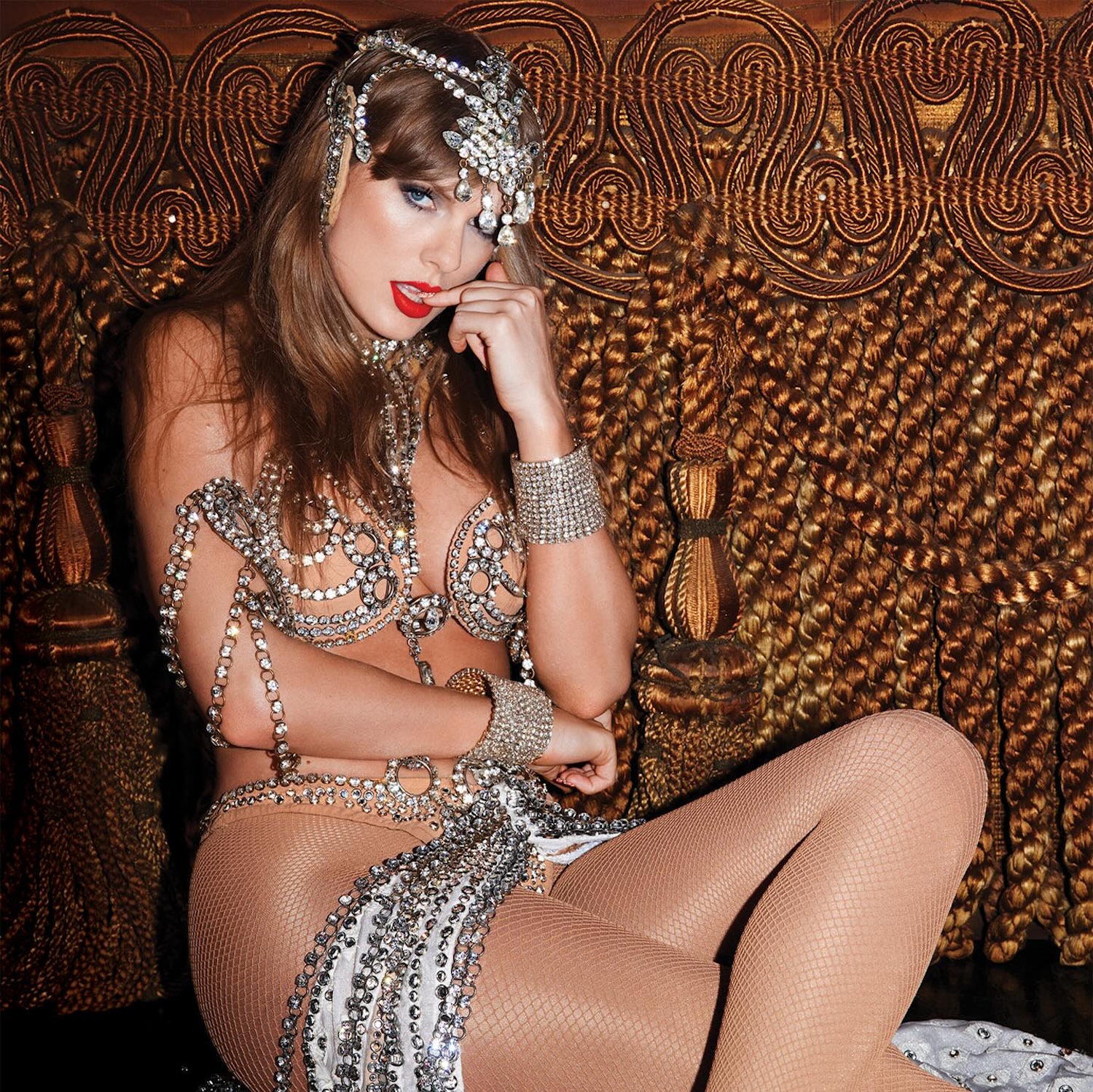
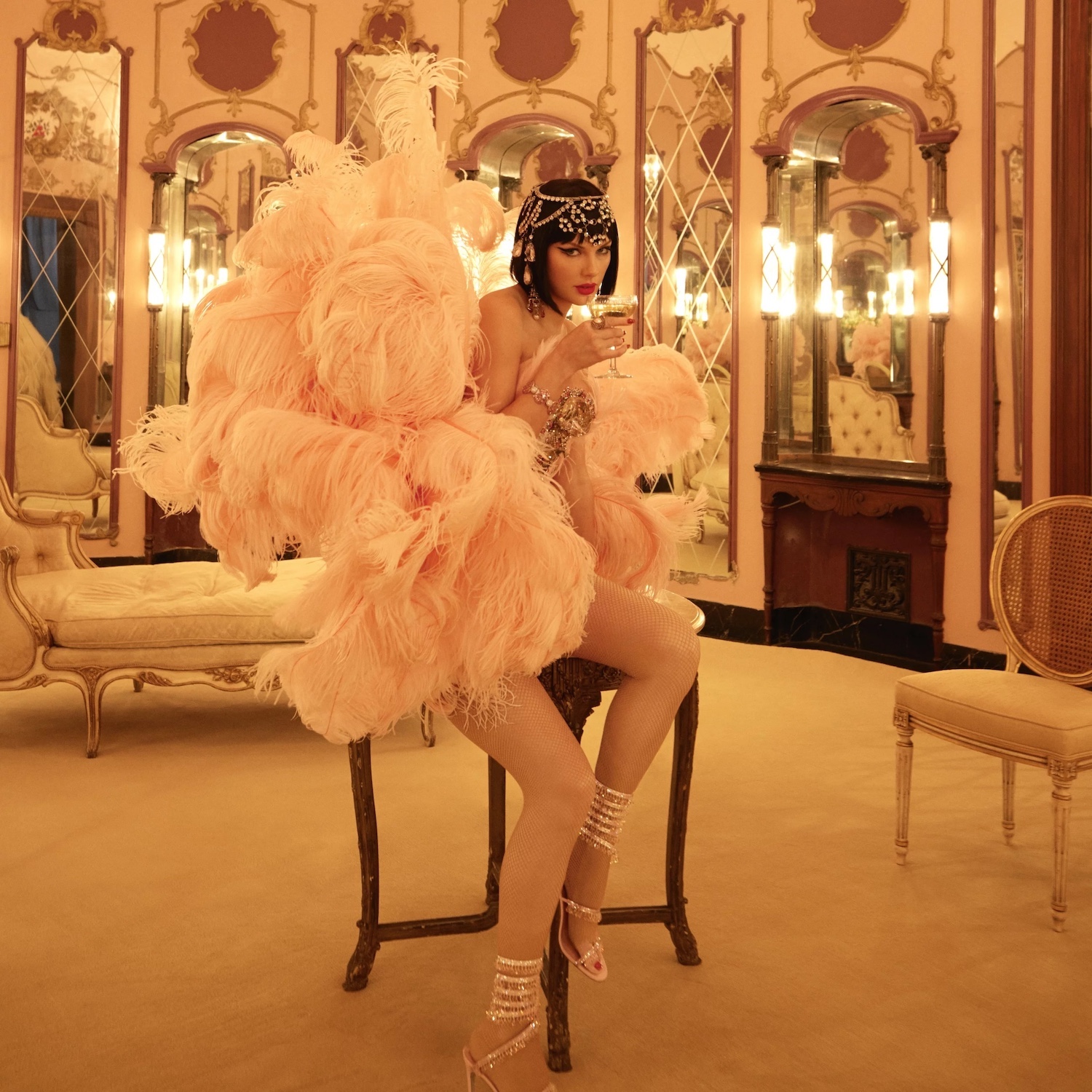
📸 © Mert Alas & Marcus Piggott
The Life of a Showgirl
an album by Taylor Swift