Atwood Magazine is excited to share our Editor’s Picks column, written and curated by Editor-in-Chief Mitch Mosk. Every week, Mitch will share a collection of songs, albums, and artists who have caught his ears, eyes, and heart. There is so much incredible music out there just waiting to be heard, and all it takes from us is an open mind and a willingness to listen. Through our Editor’s Picks, we hope to shine a light on our own music discoveries and showcase a diverse array of new and recent releases.
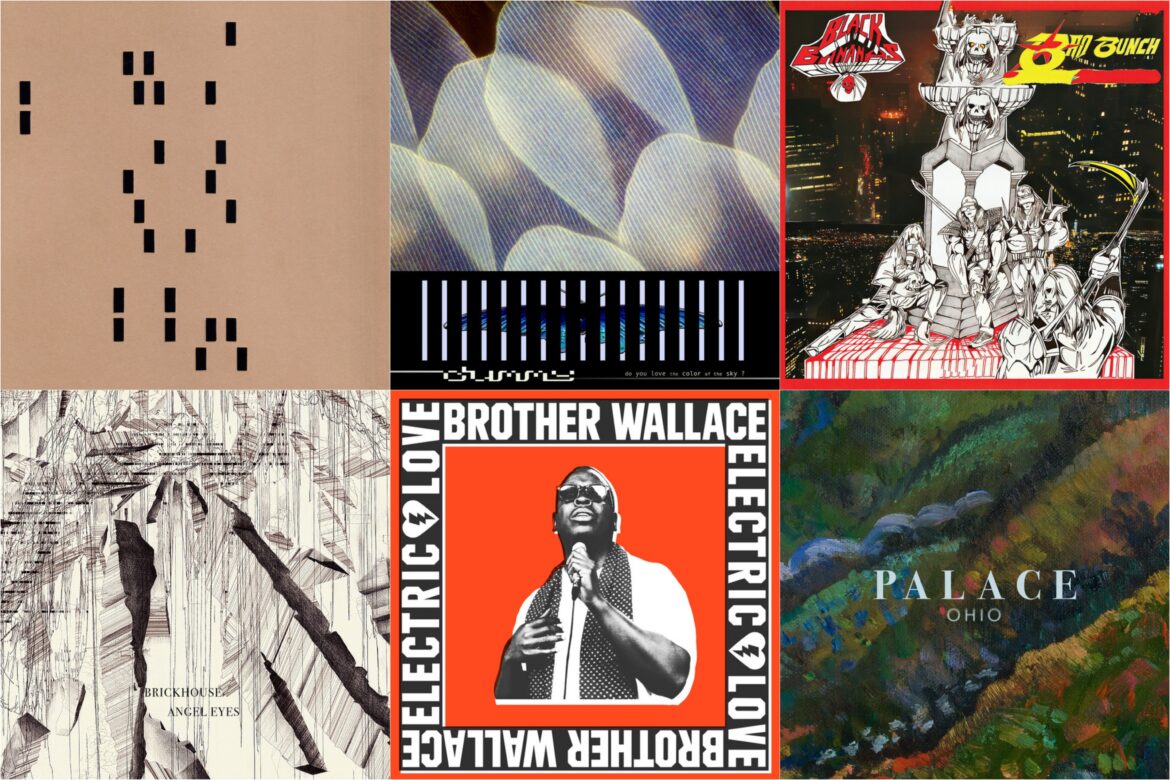
This week’s Editor’s Picks features Formal Sppeedwear, Black Bananas, Brother Wallace, Palace, Dummy, and Brickhouse!

 follow EDITOR’S PICKS on Spotify

“Who Needs Spain Ball?”
by Formal SppeedwearFormal Sppeedwear pull the rug out from under indie rock and make the fall feel like flying.
Frenetic, feverish, fiercely inventive, and almost impossibly infectious, the English trio’s exhilarating “Who Needs Spain Ball?” is a three-minute collision of post-punk cunning, new wave exuberance, and full-throttle rock ‘n’ roll abandon. Guitars churn and charge, bass lines bounce and contort, and restless rhythms propel the music through a dizzying succession of twists, jolts, and deliciously unexpected detours. There’s a mischievous smirk beneath the madness, an unmistakable swagger running through every crooked groove and sudden shift, but also an extraordinary sense of purpose holding the whole thing together.
Imagine the eccentric brilliance of Talking Heads meeting the melodic zeal of The Cars, with a healthy dose of XTC’s angular adventurousness thrown into the mix – and then imagine a band so utterly confident in their own imagination that they leave those reference points somewhere in the dust. “Who Needs Spain Ball?” is bold, breathless, and brilliantly alive, a gloriously unpredictable indie rock triumph that somehow grows more irresistible with every unexpected turn.
I wouldn’t mind feeling like that again
No I wouldn’t mind feeling like that again
Then I’d feel some way I could
Use my head
No I wouldn’t mind feeling
like that one more time
But if I knew then what I know now
If I knew then what I know now
That’s right!
Why raise that flag at all near me?
And perhaps the greatest thrill is that, amid all the experimentation, Formal Sppeedwear never lose sight of the song itself. Beneath its jagged edges and shape-shifting arrangement lies an immensely satisfying pop sensibility, one that transforms the band’s musical mischief into a genuinely cathartic rush. The hooks hit hard, the rhythms demand movement, and the melodies lodge themselves in your head long after the song has finished careening through its final flourish. It’s the sort of track that leaves you simultaneously desperate to hear it again and wondering how three musicians managed to cram so much personality, invention, and sheer kinetic energy into such a compact space. There are a hundred directions it might have taken, yet somehow every choice lands exactly right.
As the lead single from the trio’s debut album Punch Card, released September 11 via Melodic Records, “Who Needs Spain Ball?” offers a spectacular introduction to one of the UK’s most exciting and idiosyncratic emerging bands. Formal Sppeedwear are Beck Clewlow, Charlie Ball, and Connor Wells, three longtime musical collaborators whose shared appetite for experimentation has produced an increasingly singular sound rooted in post-punk, art rock, new wave, and the limitless possibilities of sonic collage. Emerging from Stoke-on-Trent’s independent music scene, the trio signed with Melodic in 2023 and followed with a self-produced, self-titled EP in 2024, earning support from BBC Radio 6 Music and sharing stages with the likes of Fat Dog, Preoccupations, Warmduscher, and Divorce. Now, with twelve wildly inventive tracks to their name on Punch Card, they sound like a band already comfortable occupying a universe entirely of their own making.
“Who Needs Spain Ball?” became Punch Card‘s lead single in part because of its immediate appeal. But as Connor Wells explains in an interview with Atwood Magazine, the band’s idea of a great pop song comes with a decidedly mischievous twist. “I really like the idea of sneaking in the more abstract elements in a way that the audience almost doesn’t notice until they’ve already happened,” Wells shares. “There’s hopefully enough in the way of immediacy and hookiness at the surface, but with some stranger ideas bubbling underneath ready for another listen, should you want to.”
It’s a clever sleight of hand. Formal Sppeedwear aren’t simply throwing ideas at a wall to see what sticks; they’re making unconventional choices an essential part of the song’s appeal. A sudden rhythmic interruption can send the groove careening sideways before pulling everything back into focus, while an angular guitar figure might reveal itself as the foundation of an enormous hook. The music continually challenges your expectations without sacrificing the sheer pleasure of listening. That balance is a remarkable achievement, and “Who Needs Spain Ball?” makes it sound as natural as breathing.
There’s also a surprisingly affecting emotional current running beneath the song’s mischievous exterior. For all its sonic eccentricity, the lyrics return again and again to a deeply recognizable human impulse: The desire to revisit the past armed with the knowledge of the present. “I wouldn’t mind feeling like that again,” Beck Clewlow sings, before circling back to the refrain, “If I knew then what I know now.” It’s a deceptively simple sentiment, rich with hindsight, longing, and the impossible wish to recover an experience while changing what came afterward. The repeated words become increasingly urgent against the music’s relentless momentum, as though the song itself is trying to outrun time, racing through memories and possibilities in search of a feeling that can’t quite be reclaimed. And when the lyrics arrive at the hope of finding the right words, there’s a poignant contrast between that uncertainty and the band’s extraordinary fluency in expressing themselves through sound.
Some lose it as the day get’s later
Some lose it as the day get’s l-l-l-later
That’s the hurry that you find in nature
You can feel it on the words of strangers
When they say
If I knew then what I know now
If I knew then what I know now
You can bet I’d find the words somehow
Yet Formal Sppeedwear resist imposing a single interpretation on their elusive lyrics. Clewlow prefers to preserve their ambiguity, allowing meaning to emerge organically through the creative process. Indeed, his songwriting begins not with a carefully plotted narrative, but with the physical experience of responding to the music.
“I start writing the minute I start moving to the track,” he explains. “It’s wild and unfiltered and pretty embarrassing at first, but I deeply love the process of working out what I was trying to say.”
That relationship between instinct and understanding helps explain why the track sounds so spontaneous even at its most intricately arranged. Words and sounds seem to chase one another, each suggesting unexpected possibilities for the other, as Clewlow’s phrases follow the music’s rhythmic stutters and lunges. The recurring lines provide an emotional thread, while the band’s abrupt pivots continually reshape the atmosphere around them. You can sing along without resolving every mystery, and return to the song without exhausting its surprises. The more familiar its hooks grow, the more captivating its eccentricities become.
That delightful tension between invention and accessibility lies at the heart of Punch Card, a debut album that takes Formal Sppeedwear’s appetite for musical experimentation to extraordinary heights. Produced by the band themselves and mastered by Paul D. Millar, the record is a dazzling showcase for their ability to transform unlikely combinations into cohesive, compelling songs. Its elastic bass arrangements, leaping guitar motifs, unusual rhythmic accents, and adventurous production choices suggest a group of musicians endlessly fascinated by what happens when familiar sounds are manipulated, dismantled, and reassembled. Yet there’s a palpable human energy to the finished product, a sense of three friends pushing, challenging, and inspiring one another toward an increasingly adventurous collective vision.
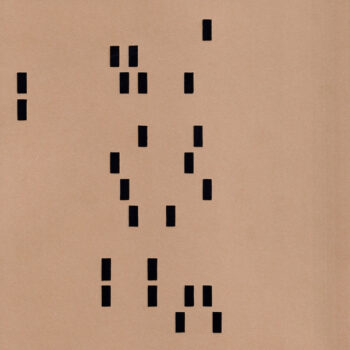
Even the album’s title speaks to that fascination with musical structure and creative freedom. Clewlow describes Punch Card as reflecting “a healthy obsession with formats,” the rules governing how information is stored, organized, and manipulated. The punch-card geometry echoed in the artwork offers a fitting visual counterpart to the music: An orderly arrangement of shapes and spaces, its possibilities determined by the patterns punched into it. Formal Sppeedwear approach songwriting with a similarly restless imagination, establishing familiar structures only to interrupt, rearrange, and reconfigure them, discovering just how much excitement can emerge when the expected gives way to the unexpected.
That spirit of invention is inseparable from the trio’s close creative relationship. Clewlow jokingly describes working through ideas with Wells by “butting heads (platonically)” before Charlie Ball comes in to do “the Charlie thing” – a wonderfully revealing glimpse into the push and pull that gives their arrangements so much personality. Their collaborative chemistry is all the more impressive considering the band’s decidedly homespun approach to recording. Clewlow estimates that nearly everything associated with Formal Sppeedwear has been produced from their homes, with limited space proving no obstacle to their expansive musical ambitions. The satisfaction, he explains, comes from hearing the finished product and recognizing what they’ve accomplished together.
“I don’t think we always consider how much we manage in our limited space until we all hear the final product, with three heads nodding,” he says. “It’s maybe the most rewarding moment, especially after artwork gets cleared!”
And what a finished product Punch Card is. The album opens with “Hit ‘n’ Run,” immediately plunging listeners into the band’s disorienting world without so much as a moment to get their bearings. Its brisk, tightly wound energy establishes a sense of motion that carries throughout the record, while its surreal lyrical imagery offers an early glimpse into the trio’s delightfully unconventional imagination. Ball describes the decision to open with the song succinctly: “No intro, opens the album as if you’d tuned in halfway through.” It’s a perfect introduction to a record that seems to exist in perpetual motion, always one step ahead of the listener and gleefully unconcerned with conventional expectations.
From there, Punch Card races through a head-spinning succession of musical possibilities. “Indecent” charges forward with jagged intensity, its spontaneous energy reflecting a writing process that saw the band improvise and record much of the song in a single live take. “A Concise History” leans into the trio’s elastic sense of groove, pairing bouncing rhythms with their gift for unexpected melodic twists, while “The Ballad of DCB” brings a sharper, more urgent edge, its jangling guitars and mounting momentum fueling a fiercely compelling art-rock outburst. Elsewhere, “Fleas” offers another showcase for the band’s adventurous instincts, with Wells describing its guitar work as an opportunity to indulge his admiration for Television’s Tom Verlaine and Richard Lloyd. Across the record, Formal Sppeedwear move between wiry post-punk, infectious new wave hooks, warped pop textures, and guitar-driven intensity, giving each song its own distinctive personality without ever losing the thread of their collective identity.
Yet for all its rhythmic acrobatics, Punch Card also knows when to change its pace. The closing “Friedrich Backs Up Nothing” offers a striking departure from the album’s more frenetic moments, unfolding across nearly six minutes of atmospheric experimentation, manipulated cello textures, and deeply expressive guitar work. Featuring cello and vocals from Lili Holland-Fricke, the song introduces a welcome measure of space and wistfulness, allowing the record to conclude on a more expansive, emotionally resonant note. Wells describes that decision as a deliberate departure from the band’s usual commitment to concision, an opportunity to explore a different kind of intensity after an album otherwise overflowing with musical surprises.
“I’ve always had a special kind of reverence for final tracks on albums, and hopefully the shift in tone leaves some kind of lasting impression on the listener,” he reflects.
It certainly does. And in its own way, that closing departure reveals another dimension of Formal Sppeedwear’s artistry. The song’s spaciousness accomplishes what their more frenetic compositions do through entirely different means: It catches you off guard and makes that surprise carry emotional weight. Even at their most reflective, the trio remain fascinated by how far they can stretch a musical idea, proving that their inventive spirit depends neither on speed nor volume. It’s a striking final statement, the kind that leaves you wondering where these musicians might go next.
That open-ended curiosity extends to the band’s influences, which stretch from the angular invention of XTC and Wire to the electronic explorations of Yellow Magic Orchestra, the restless guitar interplay of Television, and a vast assortment of musical traditions that might seem incompatible in less adventurous hands. But Formal Sppeedwear’s greatest strength lies in their refusal to treat those influences as boundaries. They’re interested in musical discovery, not imitation, continually searching for new ways to stretch their instincts while preserving the immediacy that makes their songs so compelling. As Wells explains, their listeners have come to expect that curiosity, and he’s excited by the freedom it gives the band to keep evolving.
“I’m excited by the idea that each record we put out could change in terms of its feel and genre,” he shares. “I think we’ve managed to accumulate some really thoughtful, attentive listeners along the way and hopefully those listeners are up for the challenge of following us along with whatever weird stylistic avenue we decide to take next.”
What a tantalizing prospect. Because if Punch Card represents Formal Sppeedwear’s starting point, the possibilities ahead seem practically limitless. This is a band with an extraordinary gift for making the unfamiliar irresistible, for transforming musical misdirection into genuine emotional and physical excitement, and for reminding us just how elastic, adventurous, and thrilling rock music can still be. Their songs are cerebral without sacrificing instinct, technically inventive without losing their immediacy, and packed with enough personality to make even their strangest decisions sound entirely natural. There’s cunning in the compositions, charm in the performances, and an unmistakable sense of joy in hearing three musicians discover just how far they can push their shared imagination.
And perhaps that’s what makes “Who Needs Spain Ball?” so special. Beneath its feverish guitars, irresistible grooves, and brilliantly unpredictable arrangement lies the simplest and most powerful pleasure music can offer: The thrill of being caught completely off guard. It’s a song that keeps revealing new possibilities, that demands another listen even as its final notes fade, and that makes the familiar language of indie rock sound startlingly fresh again. In a musical landscape where so much can seem predetermined, Formal Sppeedwear offer a glorious reminder that there’s still an entire universe of sounds waiting to be discovered, and that the most exciting artists are often the ones willing to venture somewhere nobody quite expected.
After all these years of listening, writing, and searching for music that moves me, discoveries like Formal Sppeedwear are what make this work endlessly rewarding. That rush of encountering a band whose sound feels utterly their own, whose songs challenge and delight in equal measure, whose creative potential seems to stretch far beyond the horizon – it’s an extraordinary thing, and one I never take for granted. Punch Card is a phenomenal debut, overflowing with bold ideas, unruly energy, and a fearless disregard for convention. And “Who Needs Spain Ball?” is the kind of song that reminds me exactly why I fell in love with music in the first place.
If I knew then what I know now, I’d give anything to hear “Who Needs Spain Ball?” for the very first time.
If I knew then what I know now
If I knew then what I know now
If I knew then what I know now
If I knew then what I know now
Why raise that flag at all, flag at all?
“Eddie's Album”
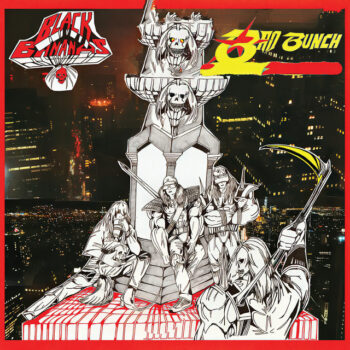
by Black BananasThere’s enough heat in Black Bananas’ “Eddie’s Album” to make the speakers sweat.
On the intoxicating standout from their long-awaited album Bad Bunch, Jennifer Herrema, Brian McKinley, and Kurt Midness conjure a smoldering psychedelic soul-funk fever dream, where sweat-slick guitars twist and glisten through a heavy, hazy beat and the whole thing pulses with delirious abandon. Herrema’s unmistakable voice slips through the music with a magnetic mix of ache, swagger, and irresistible charm, while the arrangement churns and swells around her, growing stranger and more seductive with every passing moment. It’s a deliciously disorienting collision of past and future, a hypnotic, gloriously unrestrained trip through the outer reaches of rock, soul, and psychedelia. You might not know exactly where Black Bananas have taken you, but good luck convincing your body to leave.
Released September 4 via Fire Records, Bad Bunch marks Black Bananas’ first album since 2014’s Electric Brick Wall, bringing one of underground rock’s most adventurous and unpredictable creative forces back into the spotlight. At the center stands Jennifer Herrema, whose groundbreaking work with Royal Trux, RTX, and Black Bananas has spent decades dismantling and reassembling the boundaries between rock, noise, funk, pop, and everything in between. Raised in Washington, D.C., amid the overlapping influences of punk, hip-hop, go-go, and heavy guitar music, Herrema has built an extraordinary career on the possibilities of collision, treating genres as raw materials to be bent, broken, and transformed into an entirely personal language. Together with longtime collaborators McKinley and Midness, she continues that restless experimentation on Bad Bunch, a record as gloriously unclassifiable as the musicians who made it.
And despite the twelve years separating Black Bananas’ albums, Herrema is quick to clarify that the band never really went away. The intervening years brought a Royal Trux reunion, extensive touring, a new record, and countless changes in the musicians’ lives, but Black Bananas remained an active creative outlet throughout. Rather than approaching Bad Bunch as a comeback, Herrema sees it as the natural continuation of a musical conversation that never stopped.
“Bad Bunch isn’t a reunion or a restart—it’s the next Black Bananas record,” she tells Atwood Magazine.
That distinction is essential to understanding the album’s gloriously untethered character, and nowhere is the band’s freewheeling imagination more immediately seductive than on “Eddie’s Album.” The song unfolds like a transmission from some long-forgotten, impossibly funky dimension, its swirling textures and insistent rhythm creating a strange sensation of recognition without familiarity. There’s a vintage soulfulness to its swagger, but everything seems to have been filtered through a wonderfully warped imagination, emerging stranger, hazier, and more alluring on the other side. And the story of how this particular transmission came into being is every bit as delightfully bizarre as the music itself.
“It refers to Eddie Hazel, the Parliament-Funkadelic guitarist,” Herrema explains. “We were in Seattle playing a festival and watching some old cop show on the TV at our Airbnb when this weird line of dialogue about Eddie Hazel came on. Brian grabbed it on his phone because we all thought it was so cool and strange. We sampled it, started jamming around it, and the song emerged from those jams. That’s probably why it feels so slippery—it grew outward from this strange little piece of found dialogue rather than from a conventional song structure.”
What a wonderfully improbable beginning for such a spellbinding piece of music. A passing reference to one of psychedelic funk’s most celebrated guitarists becomes the catalyst for an entirely new creation, with Black Bananas taking an otherwise disposable fragment of television dialogue and allowing it to blossom into a fully realized musical universe. There’s an almost mischievous beauty to that process, a willingness to follow an unexpected sound wherever it leads and discover what might happen when instinct takes precedence over intention. The resulting track seems to carry that spontaneity in its very DNA, its grooves stretching, contracting, and twisting with the unpredictable energy of musicians delighting in the possibilities of their own imaginations.
Musically, “Eddie’s Album” is a marvel of atmosphere and momentum, its sultry, sweat-soaked arrangement balancing an almost overwhelming density of sound with an irresistible rhythmic looseness. Guitars smolder and shimmer through the mix, bending into strange, glistening shapes as a thick, hypnotic beat anchors the surrounding commotion. Layers of distortion and psychedelic texture drift across the arrangement, alternately obscuring and revealing its deep, seductive groove. There’s a thrilling sense of instability to the whole performance, as though the song might dissolve into smoke at any moment, only for another rhythmic accent or guitar flourish to pull everything back into focus. And through it all, Herrema’s expressive, alluring vocals inhabit the haze with remarkable ease, adding an unmistakably human presence to the track’s otherworldly atmosphere. The music aches and pulses, sways and smolders, continually finding new ways to make its restless experimentation sound impossibly, deliciously alive.
Part of what makes “Eddie’s Album” so extraordinary is the peculiar relationship it establishes with musical memory. Its psychedelic guitars and deep funk rhythms evoke a rich history of adventurous American music, but Black Bananas refuse to let those influences settle into familiar shapes. The band twist recognizable textures into unexpected combinations, creating a sound that seems to belong to several eras at once while remaining firmly outside any particular one. It’s a fascinating form of musical alchemy, and Herrema’s explanation of that strange temporal dislocation gets to the heart of what makes the track so compelling:
“We were pulling familiar sounds apart, sending them through different technologies and putting them back together until they felt and sounded new and unfamiliar,” she says. “I like when you can recognize the memory of something without being able to locate it exactly. It can feel ancient and futuristic at the same time.”
That tension between remembrance and reinvention runs through Bad Bunch, an album whose very creation reflects the band’s refusal to treat music as something fixed or finite. Work began back in 2015, with the material continually revisited, reconsidered, dismantled, and reconstructed over the years that followed. The Royal Trux reunion and the upheaval of the pandemic altered the band’s circumstances, while the loss of their longtime recording studio forced them to rethink their working methods. Yet those interruptions ultimately became part of the record’s creative identity, opening the door to new techniques and unexpected combinations. Songs evolved across different periods of the band’s life, with fragments recorded years apart finding new purpose alongside one another. As Herrema explains, the passage of time became an active ingredient in the music:
“We weren’t preserving the songs as documents of the moment they began—if something no longer felt right, we cut it apart, moved it somewhere else or rebuilt it completely,” she shares. “Ideas recorded years apart could end up functioning together like they had always belonged there. So the record doesn’t represent one particular period; all those different moments have been compressed into the same present.”
It’s a remarkable approach to making an album, and the results are as daring and unpredictable as that philosophy suggests. From the smoldering, seductive opening of “Nutrageous & Jam” to the closing moments of “Good Pass,” Bad Bunch unfolds as a sprawling, breathtaking adventure through the outer reaches of Black Bananas’ musical imagination. The whole record seems to breathe in its own peculiar atmosphere, thick with smoke, sweat, distortion, and the thrilling friction of disparate sounds finding common ground. Deep grooves give way to wild sonic swerves; moments of sweet, hypnotic seduction collide with passages of unruly, almost delirious intensity. The expansive “Dust Of Ages,” the wonderfully named “Turkey Burgers,” and the gloriously strange “Tiny Chewbacca” inhabit the same wonderfully off-kilter universe, their very coexistence reinforcing the sense that no sound, impulse, or unlikely inspiration is beyond the band’s reach. There’s humor here, and swagger, and an almost overwhelming abundance of ideas, but also an unmistakable musical intelligence guiding the chaos. Black Bananas hold nothing back, and the result is a singular, deeply immersive listening experience that rewards surrender as much as scrutiny.
What ultimately makes Bad Bunch so compelling is the conviction behind its experimentation. For Herrema, McKinley, and Midness, the freedom to explore unfamiliar sounds and combinations isn’t an occasional indulgence; it’s the very foundation of their artistic identity. Their decades of shared history have given them a remarkable creative chemistry, allowing them to abandon conventional structures and follow their instincts without losing sight of what makes their music unmistakably their own. That freedom gives the album an infectious sense of possibility. Every unexpected transition, warped texture, and unlikely rhythmic encounter becomes another opportunity for discovery, revealing the extraordinary rewards of musicians who trust their imagination enough to venture beyond the familiar.
“Black Bananas can absorb whatever we bring into it without losing its identity,” Herrema explains. “There’s no fixed sound, formula or history we have to answer to, so we can move between genres, technologies and ways of working without asking whether it ‘fits.’ The identity comes from the people making it and how we process everything—not from repeating a recognizable sound.”
And that’s the beautiful paradox of Bad Bunch: The more Black Bananas disregard the conventions that might ordinarily define a band’s sound, the more distinctive and recognizable their own musical personality becomes. Their songs resist easy categorization, but there’s no mistaking the imagination at work within them, the instinctive interplay of three musicians whose approach to creating art remains as curious, adventurous, and irreverent as ever. “Eddie’s Album” embodies that philosophy in particularly intoxicating fashion, capturing the thrill of musical discovery in a three-minute fever dream that seems to contain entire worlds. Its heavy pulse and feverish guitars demand an immediate physical response, while its strange textures and elusive atmosphere invite listeners to lose themselves in a deeper kind of exploration.
And perhaps that’s the greatest pleasure of this album: It doesn’t offer a single, obvious path through its psychedelic labyrinth. The songs reveal themselves gradually, their layers shifting with every listen, their mysteries becoming increasingly alluring the longer we spend inside them. Herrema has no interest in dictating how listeners should navigate that experience, instead embracing the possibility that the music might take on an entirely different life in each person’s imagination.
“I just hope people spend enough time with them to find their own way inside, because there are a lot of layers and they won’t reveal everything immediately,” she says.
After more than a decade of creation, destruction, reconstruction, and relentless experimentation, Bad Bunch arrives as a magnificent testament to the possibilities of artistic freedom. Black Bananas have fashioned a record that is boldly, unapologetically itself, full of scorching grooves, seductive textures, fantastical detours, and the exhilarating sound of musicians pursuing their impulses wherever they lead. It’s dense, dazzling, strange, and utterly irresistible, an album whose refusal to settle into any familiar identity becomes its greatest strength. There is tremendous beauty in that fearlessness, and a rare kind of exhilaration in hearing artists so completely committed to their own creative instincts.
“Music doesn’t expire and the process doesn’t have to obey anybody else’s timeline,” Herrema reflects.
Twelve years may have passed between Black Bananas albums, but Bad Bunch sounds gloriously unconcerned with the clock. Its music draws the past into the present, bends the familiar into the extraordinary, and makes room for possibilities that might never have existed without all those years of experimentation. And right at its center, “Eddie’s Album” burns with the irresistible heat of that philosophy, a sweaty, hypnotic, beautifully unhinged collision of memory and imagination that could only have come from Black Bananas. Some records arrive determined to sound like the future. This one sounds like an entire universe being invented in real time.
Electric Love
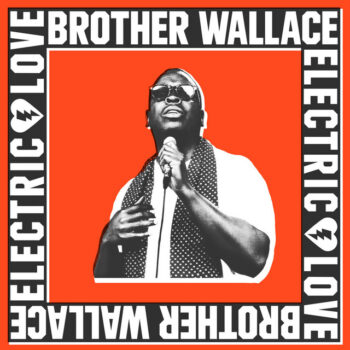
by Brother WallaceThe first thing Brother Wallace does on his debut album is catch his woman with another man. The second is make you dance about it.
On the electrifying opening track “Who’s That?,” the Georgia-bred singer and pianist transforms romantic betrayal into a glorious, full-throated explosion of classic soul, complete with blazing brass, strutting guitars, pounding drums, and a voice that could practically shake the heavens. There’s heartbreak in his words and fire in his delivery, an intoxicating collision of anguish and exhilaration that announces Wallace as an extraordinary talent with a sound all his own. It’s a spellbinding introduction to Electric Love, a smoldering, spectacular debut that embraces the full weight of human emotion while making an irresistible case for the healing, liberating power of joy.
Released May 8 via ATO Records, Electric Love is a stunning 13-song showcase for an artist whose musical gifts have been decades in the making. Raised in the small town of West Point, Georgia, Wallace began studying piano at six and grew up singing in church, eventually becoming the director of his church’s 100-member choir at just fourteen years old. His remarkable musical path has since taken him from performing alongside gospel legend Kirk Franklin to spending years as a music teacher, band director, and choir director, nurturing young musicians while continuing to develop his own artistry. For all its importance as a debut, Electric Love represents the culmination of a lifetime spent making music, an extraordinary moment of self-expression for someone who has devoted so much of his life to helping others find their own voices.
“I get to take what I have learned and taught and apply it to myself,” Wallace tells Atwood Magazine, reflecting on his decision to step away from teaching and fully embrace his artistry.
That newfound freedom courses through every corner of Electric Love, a record born from Wallace’s longstanding creative partnership with Dan Taylor, guitarist for British rock band The Heavy. What began as an unlikely friendship evolved into years of songwriting and musical experimentation, eventually bringing the pair to Peter Gabriel’s Real World Studios in England. With Taylor producing and co-writing, and fellow Heavy members Spencer Page and Chris Ellul joining the sessions on bass and drums, respectively, Wallace found himself surrounded by musicians eager to harness his immense talent. The resulting album is a thrilling collision of Southern soul, rhythm and blues, gospel, and rock ‘n’ roll, with arrangements that swing between feverish exuberance and aching intimacy. Its sound is at once timeless and wonderfully immediate, drawing from the rich history of classic soul while allowing Wallace’s own personality, experiences, and extraordinary voice to command the spotlight.
And what a voice it is. On “Who’s That?,” Wallace inhabits a man who, while walking downtown, notices a woman on another man’s arm. Her eyes look familiar. So does her smile. As the realization dawns, he watches the couple holding hands and exchanging kisses, his disbelief boiling over into the song’s irresistible refrain. There’s genuine devastation beneath the swagger: “When the going got tough / You were nowhere to be found,” he sings, later admitting that tears are welling up in his eyes. Yet rather than surrendering to sorrow, Wallace gives his wounded protagonist a rhythm to move to, channeling the sting of betrayal into a spirited demand for answers. The song’s greatest trick is how effortlessly it holds those competing emotions together, making room for both humiliation and defiance without diminishing either.
“Every unfortunate situation doesn’t have to be sad. Emotions are based on perspective. Change the perspective; change the emotional response,” Wallace explains when asked about the song’s surprisingly triumphant outlook.
That philosophy comes roaring to life in the music itself. “Who’s That?” practically bursts at the seams, its swaggering brass and insistent guitar riffs wrapped around a rhythm section that seems determined to keep the entire room in motion. There’s grit in the recording’s edges, a wonderful roughness that allows the distortion, exuberant backing vocals, and pounding percussion to retain all their untamed vitality. Wallace sings with the conviction of a preacher and the theatrical flair of a born entertainer, his voice soaring above the commotion with a magnificent blend of power, soul, and personality. Every emphatic horn blast and raucous vocal flourish adds another layer of exhilaration, transforming a moment of personal embarrassment into an irresistible communal spectacle. By the time the chorus comes around again, the heartbreak remains, but the music has given it somewhere to go. It’s the kind of performance that grabs you by the shoulders, sweeps you onto the dancefloor, and refuses to let go.
If “Who’s That?” transforms heartbreak into movement, the album’s title track takes that emotional philosophy even further, exploring love as a force capable of pulling us through fear, uncertainty, and our darkest moments. “Electric Love” is a blazing, piano-driven triumph, its buoyant rhythms and exuberant classic soul arrangements concealing a surprisingly vulnerable confession. Wallace opens with the admission that he can barely tell his up from down, later confronting the unsettling thought that his life might already be over. Yet the song steadily reaches toward a different possibility, its narrator pulling back the curtains to discover that “the future’s bright.” The chorus captures the contradiction at the center of this transformation: “I can’t lie / Can’t deny / Wanting to be burned by electric love.” Love is both overwhelming and restorative, a force that can consume us, unsettle us, and somehow leave us more alive than before.
There’s a tremendous physicality to that conviction, and the song’s irresistible momentum owes much to Wallace’s formidable piano playing. His left hand holds down a muscular rhythmic foundation, propelling the arrangement from within as the surrounding instruments surge and respond. Taylor, who had never worked with a pianist quite like Wallace before, recognized how profoundly that musical instinct shaped the recording:
“You can feel where the rhythm fits and how the song can move, almost like he’s driving the band from his left hand,” Taylor explains. “I’d never worked with a pianist like that before in my life.”
It’s an illuminating detail, revealing how deeply Wallace’s musicianship is woven into the record’s exhilarating sound. His voice may be the most immediately arresting instrument in the room, but his hands are helping steer the entire ensemble, giving the music its urgency, movement, and soul. That sense of propulsion is particularly fitting for a song about the unpredictable energy of love itself. Asked what Electric Love means to him, Wallace offers an explanation as poetic as the music it inspires:
“Love moves. You don’t know where it will take you but you get energized by it. It wakes you up and puts you to rest. That’s electricity, that’s electric. That’s electric love.”
The beauty of Electric Love lies in how expansively Wallace applies that understanding of the human condition. His music celebrates the pleasures of living without overlooking the pain, uncertainty, and difficult choices that inevitably accompany them. Immediately following “Who’s That?,” the hard-hitting “You’re The Man” explores the dangerous arrogance of someone convinced they can escape the consequences of their actions, while “Top Shotta” follows lives consumed by violence, desperation, and the illusion of control. On the haunting “No God In This Town,” the record ventures into even more unsettling territory, wrestling with grief and the search for meaning in a world capable of terrible indifference. These songs reveal an artist deeply interested in the contradictions of being human, willing to confront our failures and darkest impulses with the same conviction he brings to his most joyful celebrations.
Elsewhere, Wallace demonstrates an equally remarkable gift for restraint. “Gone With The Wind” finds solace in the act of stepping away from life’s relentless demands, its rolling piano and heavenly background harmonies providing a deeply moving expression of self-preservation. Those harmonies carry a particularly personal significance: They’re sung by young vocalists from Wallace’s hometown whom he previously trained, bringing his past as an educator into the very fabric of his new musical chapter. “Any Day Now” offers another breathtaking change of pace, stripping the instrumentation down to delicate strings and sparse guitar accompaniment, allowing the extraordinary nuances of Wallace’s voice to emerge with startling clarity. These intimate performances are just as captivating as the album’s biggest, boldest moments, revealing a singer whose command comes as much from knowing when to hold back as from knowing when to let loose.
And throughout the record, that tension between struggle and liberation continues to produce marvelous results. The exuberant “Who Do You Love?” rides a propulsive groove toward a simple yet deeply resonant declaration: “The path to choose is always love.” It’s an idea that echoes throughout Electric Love, from the wounded resilience of its opening track to the ecstatic release of its closing celebration, “Let’s Get Together.” Across thirteen songs, Wallace builds a world where heartbreak can coexist with exhilaration, uncertainty can inspire hope, and even the most difficult experiences can illuminate a path toward connection. The album’s extraordinary range speaks to the depth of his musical imagination, but its greatest accomplishment may be the emotional generosity with which he approaches every story. He gives each character room to stumble, suffer, question, and ultimately confront what it means to keep living.
That generosity also speaks to the heart of Wallace’s artistry. Having spent so much of his life helping others discover the transformative possibilities of music, he now steps forward with a record that embodies those possibilities on a magnificent scale. His voice carries the ecstatic conviction of the church, the sophistication of a lifelong musician, and the unmistakable personality of a storyteller who understands that people are rarely defined by their happiest or darkest moments alone. There’s wisdom in these songs, earned through experience and expressed with an infectious enthusiasm for life itself. And beneath all the horns, harmonies, piano flourishes, and soaring vocals lies a simple desire to reconnect us with the emotions that make us human. As Wallace puts it:
“It’s about soul. It’s about connecting with others. But most of all it’s about connecting with yourself. Letting yourself feel again.”
Perhaps that’s what makes Electric Love so extraordinary. Brother Wallace understands that joy carries its greatest power when we know what it means to hurt, that love becomes more precious when we’ve experienced its absence, and that music can give expression to the emotions we struggle to put into words. His debut begins with a question born of betrayal and ends with an invitation to come together, tracing a path through heartache, fear, hope, and redemption with an irrepressible sense of possibility. Every blazing horn, every thunderous piano chord, and every magnificent vocal outburst celebrates the remarkable business of being alive.
Brother Wallace has spent a lifetime learning how to move people through music. On Electric Love, he lets the whole world hear just how much he has to give.
“Ohio”
by PalaceThe jukebox can play the song again. If only it could bring the whole night back.
On their irresistibly charming single “Ohio,” London’s Palace immortalize a night out with old friends in Columbus, transforming an evening of laughter, drinks, and jukebox favorites into a glorious, guitar-driven celebration of life’s fleeting joys. Churning riffs, a buoyant groove, and deeply expressive vocals carry the music forward with blissful abandon, even as the lyrics look back with an unmistakable ache. It’s a song about the ordinary nights that become extraordinary memories, and the bittersweet realization that we rarely recognize life’s most precious moments until they’re already behind us.
Oh, to live them just one more time.

Oh, my fortune’s in here
it’s Saint Patrick’s Day
Drowned all our thoughts
in hollow chat and piss wine lemonade
Life’s a gas when you live it
You know that time’s a fool,
better make it last
‘Cause sometimes it’s the small things,
they’re just sweeter in the past
There’s something can you feel it
When the jukebox plays your song
And it was so much better,
when we were grateful all along
When the nothings turned to moments,
it’s the moments I recall
Lеt’s play it one more time, timе
Released August 11 via Palace Presents/AWAL, “Ohio” is a standout from the London trio’s fifth studio album, Ox, which arrived September 18. Singer and guitarist Leo Wyndham, guitarist Rupert Turner, and drummer Matt Hodges have spent the past decade building a distinctive musical identity around atmospheric guitar work, expressive songwriting, and a gift for making even their most intimate reflections soar. Recorded in Deptford with longtime producer Adam Jaffrey, Ox marks a new era of independence for the band, giving them the freedom to write entirely on their own terms. They’ve shed much of the electronic layering of 2024’s Ultrasound, putting renewed emphasis on guitars, dynamics, and space. It’s a record shaped by changing lives and shifting perspectives, with “Ohio” capturing the beauty of looking back while learning to appreciate what’s right in front of you.
The song’s origins lie in one of those rare nights on tour that nobody wants to end. After a show at Columbus’ Newport Music Hall, Palace found themselves at a local bar with their crew and some dear Ohio friends, trading the familiar rush of life on the road for a few hours of laughter, music, and good company. Long after the night ended, its memory stayed with the band, eventually inspiring one of their favorite songs they’ve ever written. Fittingly, Palace are set to return to Newport Music Hall this November, bringing the song born from that unforgettable evening back to the city that inspired it.
“We caught up, listened to tunes on this old jukebox and just had a good ol’ fashioned knees up. It felt good and the memory stuck with me. One of those tour moments you don’t want to end,” the band recall.
Her voice is precious, you’re so chandelier
It’s the way that she looked
when I said guitar, it almost made me reel
And oh Margarita I see lines across my view
Do you dream of the things
that we lived before?
‘Cause I’ve been dreaming too
There’s something can you feel it
When the jukebox plays your song
And it was so much better,
when we were grateful all along
When the nothings turned to moments,
it’s the moments I recall
Let’s play it one more time
There’s an irresistible sense of romance running through “Ohio,” even in its most unglamorous details. “Life’s a gas when you live it,” Wyndham sings, his words tumbling into a recognition that time has a way of making the smallest experiences precious. The chorus captures that realization with remarkable simplicity: “When the nothings turned to moments, it’s the moments I recall.” It’s a beautiful, quietly devastating observation, acknowledging how the experiences we barely register in the present can become the memories we treasure most. And when Palace plead, “Let’s play it one more time,” the request carries a double meaning: Play the song again, certainly, but let us stay here a little longer, surrounded by the people who make life worth celebrating. Palace’s affection for these moments extends to the wonderfully imperfect places where they happen:
“Certainly there’s this romantic vision of American bars in there too. You can’t beat them. Maybe it’s cause I’m British but I just love them, sticky floors, graffiti’d up loos and a big old wooden bar like an upside boat,” the band share.
Musically, “Ohio” is an absolute delight, its rolling guitars and effervescent rhythm radiating a contagious sense of freedom. The riffs churn and ring with restless energy, propelled by a buoyant groove that gives the song its irresistible forward motion, while Wyndham’s richly expressive vocals stretch across the arrangement with equal parts yearning and exhilaration. There’s an earthy charm to the performance, a looseness and spontaneity that makes the music sound as though it could keep going all night. Yet underneath that exuberance lies a deep current of longing. The guitars keep driving ahead while the words reach backward, as if the band are trying to outrun the very passage of time they’re singing about. The result is an enchanting collision of nostalgia and abandon, a song that celebrates the joy of being alive while aching for all the moments that have already slipped away.

That perspective has taken on new meaning for Palace as all three members have become fathers, an experience that profoundly informs Ox and its open-hearted embrace of life’s joys and uncertainties. Where “Kid” channels the devotion and distance of a parent missing their child while on tour, and “Dream On” wrestles with the hope and fear of raising a child in a difficult world, “Ohio” approaches the passage of time through a more playful, nostalgic lens. Fatherhood has sharpened the band’s appreciation for the everyday, revealing a significance in passing encounters and ordinary experiences that might once have gone unnoticed. As they explain:
“I think through fatherhood I’ve learnt that the small moments that appear often meaningless and passing – matter often more than obviously significant events. There’s beauty in the gritty and late night, the mundane and the momentary. A song coming on at the right time, a brief conversation with an old friend – a child’s touch – there’s significance often in the small things.”
There’s a beautiful generosity to that outlook, and Palace channel it into every corner of “Ohio.” The song captures the strange magic of ordinary life, where a fleeting conversation can linger for years, a familiar melody can summon an entire evening, and a night spent laughing with friends can become a treasured piece of personal history. Its exuberance is infectious, its nostalgia deeply moving, and its underlying message all the more powerful for how effortlessly the music carries it. Palace have created a song that makes you want to dance, sing, and hold your loved ones a little closer, celebrating life’s passing pleasures with the knowledge that they won’t last forever.
There’s something can you feel it
When the jukebox plays your song
And it was so much better,
when we were grateful all along
When the nothings turned to moments,
it’s the moments I recall
Let’s play it one more time
The jukebox may never bring that Columbus night back, but “Ohio” offers its own kind of second chance: An invitation to recognize the next unforgettable moment while we’re still living it. After all, the memories we spend our lives longing to revisit were once ordinary days we didn’t want to end. And perhaps the greatest gift of this glorious, guitar-driven reverie is the reminder to appreciate them before they’re gone.
“Full Spectrum Dominance”
by DummyArtificial intelligence is being sold as the future of creativity. Dummy hear the sound of a heist.
On their explosive single “Full Spectrum Dominance,” the Los Angeles band take aim at the tech industry’s insatiable appetite for human art, unleashing a ferocious, wildly infectious alternative rock banger that practically demands to be played at full volume. A razor-sharp, synth-like guitar line slices through the opening distortion before pounding drums and roaring riffs send the whole thing into glorious overdrive. It’s a dizzying collision of noise rock and dancefloor euphoria, with Emma Maatman’s pointed vocals cutting through the frenzy as Dummy transform a frightening vision of technological exploitation into a thrilling, defiant call to reclaim our collective power.
We’re taking bets on an asterisk
Playing catch with a flash bang
If the picture fits, denounce it
Potemkin World decentralized
The patience of decay
the quiet power of a
hillside garden that won’t die
spare no expense
the rarest flowers
get plucked from the ground at
Maatman has a wonderfully irreverent name for the song’s collision of political outrage and dancefloor exhilaration – and an unsettling explanation for the forces it’s confronting:
“This is the Technofeudalism bop,” she tells Atwood Magazine. “Tech billionaires are treating AI like the new Alchemy, using it as a source of power and magic. This supposedly soon-to-be all-powerful technology could not exist without harvesting all of humanity’s intellectual property and collective work. ‘Prima Materia’ is the building block of all alchemical matter, so in the canon of the song, we humans are the Prima Materia.”
For Dummy, pushing the boundaries of guitar music has long been part of their creative identity. The Los Angeles outfit have spent years blurring the lines between shoegaze, post-punk, experimental rock, and electronic pop, with 2024’s Free Energy embracing the pulse of Madchester and the optimism of rave culture. Extensive touring and an ever-growing appetite for sonic experimentation have only sharpened their instincts, giving the band a remarkable ability to make adventurous music sound immediate and accessible. On “Full Spectrum Dominance,” that restless creativity meets a pointed political urgency, with Dummy directing their formidable musical imagination toward the forces threatening the very art they make.
“We’re taking bets on an asterisk,” Maatman declares, opening the song with a sly reference to both the speculative AI boom and the symbols increasingly associated with chatbot technology. What follows is a scathing indictment of an industry eager to harvest humanity’s creative output while claiming ownership of its future. “You wanna reap the seeds we sow / Gonna be no lawn left to mow,” she sings, reducing the entire enterprise to a devastatingly simple image: Keep taking from the people who make things, and eventually there will be nothing left to harvest. The chorus sharpens that accusation with a pointed glimpse into the egos driving the machine: “You just take anything you like / But you won’t be satisfied til you’re idolized.” It’s greed elevated to a kind of religious devotion, and Dummy are having an absolute blast tearing into it.
Versailles (first sight?)
You wanna reap the seeds we sow
Gonna be no lawn left to mow
You just take anything you like
But you won’t be
satisfied ‘til you’re idolized
Counterfeit, immaculate
Slate star turns lead into gold instead
Princes of the blood chain livestock
We’re the key to open every lock
You wanna reap the seeds we sew
Gonna be no lawn left to mow
You just take anything you like
But you won’t be
satisfied ‘til you’re idolized
Prima Materia
The song’s final words take that appetite for worship into stranger territory. “Prima Materia” arrives like an incantation, invoking an ancient belief system that Maatman sees reflected in the modern technology industry’s pursuit of seemingly limitless power. Her explanation reveals just how far the metaphor extends:
“Alchemy in the Middle Ages was seen as this mix between science, religion, philosophy and mysticism, which I feel is a space AI is inhabiting now. Some people, including some Technocrats, literally see it as God,” Maatman explains.
“‘Prima Materia’ is the base matter in alchemy, and in the song I’m making an allusion to humanity’s data being the Prima Materia.”
Yet amid these visions of technological supremacy, the song offers a striking image of resistance: “the quiet power of a hillside garden that won’t die.” It’s a beautiful counterpoint to all that greed and extraction, a reminder of the life, creativity, and persistence that exist beyond the reach of those who would claim ownership over everything. For Maatman, that possibility of resistance is central to the song’s message:
“We were all sort of unwitting subjects in this experiment… many people are along for the ride, but many of us are looking at who is in control and wanting to pump the brakes,” she explains.
Musically, “Full Spectrum Dominance” is a gleeful exercise in controlled chaos, its relentless momentum driven by a dizzying interplay of abrasive guitars, distorted electronics, and irresistible rhythmic propulsion. Guitarist Joe Trainor and drummer Alex Ewell build the arrangement around an arsenal of chopped samples, treated guitar loops, and wildly manipulated percussion, giving the track a jagged, almost mechanical intensity. Ewell’s combination of rhythmic tremolo and filtering creates a stuttering, scanner-like effect, while the bridge pushes its distorted kick drum into a metallic frenzy, punctuated by a sputtering guitar sample that evokes an engine struggling to start. Yet the song never loses its groove. A persistent tambourine lends an unexpected dancefloor bounce, and Maatman’s vocals glide through the commotion with a wonderfully cutting sense of purpose. Every new collision seems to make the music more exhilarating, as Dummy push distortion and melody into a thrilling, head-spinning embrace.
There’s a fascinating irony in hearing a band wield technology so imaginatively while confronting the people exploiting it. Dummy’s experimentation draws a distinction between technology as an instrument of creative expression and technology as a means of extracting value from other people’s work. These manipulated sounds carry the unmistakable fingerprints of the musicians shaping them, with every sudden shift, warped texture, and rhythmic interruption revealing another deliberate artistic choice. The result is gloriously unpredictable, drawing from the adventurous spirit of shoegaze, noise rock, and electronic dance music while embracing an infectious pop sensibility. Trainor has jokingly described the track as “Deee-Lite meets Deftones,” and the comparison captures its wonderfully unruly appeal: an irresistible collision of bruising heaviness and euphoric movement.
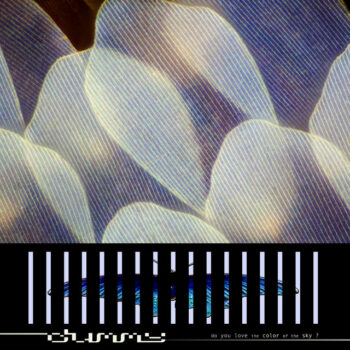
Dummy’s forthcoming third album, do you love the color of the sky?, arrives October 16 via Polyvinyl, with the band pushing deeper into experimental textures and more pointed social commentary, confronting climate degradation, technological power, and the surveillance state. Interestingly, “Full Spectrum Dominance” is something of an outlier within this larger body of work. Trainor describes it as one of the record’s heaviest, most immediate moments, while much of the surrounding material ventures into more minimal, dreamlike territory. His reasoning for introducing the album with such an overwhelming rush of sound is wonderfully straightforward:
“But, it’s a pop banger, and that’s what singles are for,” Trainor says.
And what a banger it is. Beneath its unruly sonic architecture and biting political commentary, “Full Spectrum Dominance” possesses an almost irresistible sense of communal energy. The song invites listeners to confront the systems shaping their lives while refusing to surrender the pleasures of creating, dancing, and existing together. For Maatman, that physical response is central to what Dummy hope to accomplish:
“First and foremost, hopefully the song makes you want to dance. It’s got a somewhat dark message but it’s supposed to be hopeful unifying, like we’re all a part of this big machine and we’re the ones who can stop it if we want.”
There’s tremendous power in that proposition, and even more in the music carrying it. Dummy have crafted a song that makes resistance sound exhilarating, harnessing the machinery of modern music to champion the people whose creativity gives it meaning. Every jolt of feedback, every fractured sample, and every pounding beat reinforces the importance of human intention in an increasingly automated world. “Full Spectrum Dominance” confronts an industry determined to treat humanity as the raw material for its own grand experiment – and answers with the thrilling sound of that raw material roaring back.
“Angel Eyes”
by Brickhouse“Come back and haunt me.”
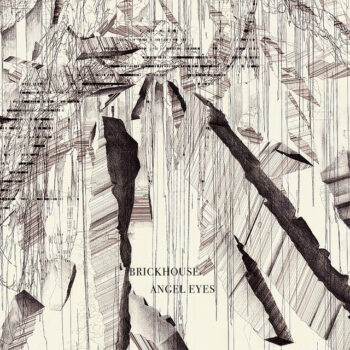
It’s a hell of a thing to ask of someone you’re trying to forget. On their explosive debut single “Angel Eyes,” Manchester’s Brickhouse give that impossible longing enormous, visceral force, unleashing a torrent of roaring overdriven guitars, thunderous drums, and fiercely expressive vocals that channel the agony of a lost relationship into a breathtaking alternative rock eruption. It’s an exhilarating first impression from a band who announce themselves with astonishing conviction – and a song whose desperation cuts straight through the distortion.
There is a cruel contradiction at the center of “Angel Eyes”: The person causing all this pain is the very person the singer cannot bear to lose. “Angel eyes, spare me your devilish stare,” frontman Owain Sharp pleads, caught between adoration and resentment as memories of a former lover invade the present. Even unfamiliar faces offer little escape: “A different face, but I’ll never forget those eyes.” It’s a devastating image of heartbreak’s persistence, of seeing someone everywhere long after they’ve gone, and of struggling to recognize yourself in their absence. When Sharp confesses, “Don’t know who I am, but I got blood and bone,” the song’s emotional stakes reach beyond lost love into the disorienting work of finding yourself again.
The sky’s fallin
I know you feel it
Come back and haunt me
So I can drag my soul away
A sinking feeling
Come to ruin my day
Angel eyes
Angel eyes
Lay me down, lay me down in the sun
Are you broken
or there’s just no place you belong
Don’t know who I am,
but I got blood and bone
A different face, but I’ll never forget
those eyes, those eyes, those eyes
For a band making their first official appearance on record, Brickhouse arrive with an astonishing amount of chemistry already behind them. Their story begins in Yorkshire’s Calderdale Valley, where guitarist Max Duffy, bassist Alex Price, and drummer Freddie Haigh spent school lunch breaks playing music together before carrying the project to Manchester. Joined by Sharp on vocals and rhythm guitar, the four-piece have spent years developing their identity, drawing from post-punk, shoegaze, and alternative rock while carving out their own fiercely expressive sound. Released through Manchester label Akoustik Anarkhy, “Angel Eyes” has been a fixture of their live shows for nearly two years, evolving structurally and sonically with every performance. The result is a debut that captures the chemistry of four musicians who have spent years learning how to bring out the best in one another.
Yet the song’s origins are far more intimate than its enormous sound suggests. Sharp first began writing “Angel Eyes” alone on an acoustic guitar in his childhood bedroom over Christmas, its insistent, chugging riff emerging almost absentmindedly before the lyrics gradually took shape. There was no grand blueprint for the emotional upheaval that followed. As the words accumulated, an unresolved relationship began revealing itself through the music, and Sharp recognized a deeply personal struggle unfolding before him.
“You could say maybe it was a plea to myself, a bit of a desperate one at that, to get off my chest a lot of how I felt towards this particular relationship at the time? And from that, how to move on,” Sharp reflects.
Brickhouse amplify that private plea into a glorious, full-bodied storm. Thick, overdriven rhythm guitars churn beneath wiry, piercing lead lines, while Haigh’s pounding drums and Price’s muscular bass give the song an imposing sense of momentum. The arrangement is exhilarating in its sheer physicality, balancing abrasive textures with an unmistakable melodic pull as Sharp’s impassioned vocals rise through the distortion. His delivery carries the desperation of someone still wrestling with an experience he cannot reconcile, giving the track an urgency that cuts deeper with every repetition of its aching refrain. The music surges forward even as the lyrics remain trapped in the past, creating a gripping tension between the desire to move on and the memories that keep dragging him backward. It’s loud, unrestrained, and utterly absorbing.
There’s a thrilling lineage running through the song’s DNA, from The Jesus and Mary Chain’s walls of distortion and The Velvet Underground’s defiant edge to the experimental impulses of Sonic Youth and The Stooges. Yet Brickhouse’s approach is rooted in their own restless curiosity, balancing those influences with a contemporary urgency that makes “Angel Eyes” sound distinctly their own. Working with producer and mixer Pranam Mavahalli and engineer Seadna McPhail, the band expanded the song’s possibilities in the studio, uncovering new dimensions within an arrangement they had already spent years refining. For Sharp, that collaborative process proved especially illuminating:
“Our producer, Pranam Mavahalli, was instrumental in making this happen, with his production style just working so well for it, as he was able to spot things in the track and amplify them that we had never even paid attention to or noticed and he even played piano on it!” he shares.
That attention to detail helps explain why “Angel Eyes” delivers such a lasting impact. Beneath the towering guitars and explosive percussion is a band deeply invested in the emotional substance of their music, with an instinct for making even the most overwhelming noise serve the song at its center. This is the sound of four musicians discovering how far they can push themselves together, and the possibilities are electrifying. Brickhouse have arrived with a debut that is as emotionally affecting as it is sonically exhilarating, channeling the lingering ghosts of a broken relationship into a fierce declaration of artistic identity. Sharp may still be struggling to forget those angel eyes, but with a first statement this commanding, Brickhouse are the ones listeners won’t soon forget.
The sky’s fallin
I know you feel it
Come back and haunt me
So I can drag my soul away
A sinking feeling
Come to ruin my day
Angel eyes
Angel eyes
— — — —

Connect to us on
Facebook, 𝕏, Instagram
Discover new music on Atwood Magazine
Editor’s Picks
follow EDITOR’S PICKS on Spotify