Throughout the year, Atwood Magazine invites members of the music industry to participate in a series of essays reflecting on art, identity, culture, inclusion, and more.
•• •• •• ••
Stream: “We Are Not Evil” – Darren Hayman & The Long Parliament
introduction by Jamie Halliday
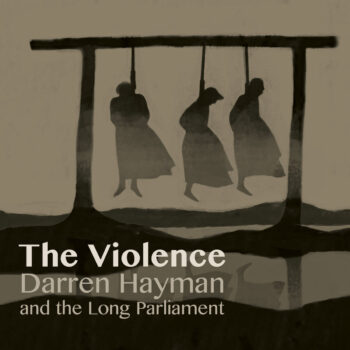
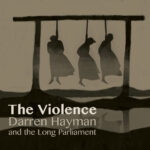
As a means of launching a larger effort to fill the gaps in his vast back catalogue, Darren Hayman has reissued his highly acclaimed 2012 album, ‘The Violence’ via Audio Antihero and his Belka imprint, as an expanded edition with unreleased songs and demos. It’s a truly unique work, one which is based on 17th-century English Civil Wars and the East Anglian witch trials and is still deeply affecting.
Having just hit thirty years since the release of his first recorded material (1996’s ‘The Devotion Chamber’), long-time fans of Hayman could be forgiven if they’ve grown weary of the “from Hefner” descriptor that typically follows his name. After all, his output and time spent touring the world and climbing charts as part of “the UK’s biggest little band” are now but a fraction of his work.
It speaks, though, to the timelessness of the themes found in Hefner’s songs: your friends will flake out; life without your sweetheart isn’t much of a life; the city (any city) will always be both a challenge and a thrill; love still stops no wars; love still cures no cancer, and many of us did laugh on the day that Thatcher died.
However, Hayman’s work in the decades since has been a wild mix of the fun, the unexpected, and the devastating. While bands like The French and New Starts have allowed him to lean wonderfully hard into some of the Electronic and the Indie Rock aspects of Hefner’s sound, his solo work has seen him branch out with a wildly eclectic variety of concept releases, themed around things like outdoor swimming pools, rubbish British holidays, WW1’s “Thankful Villages,” mass transit, socialist chants, animals (and people) in space, the Brat Pack, and so much more.
Though Hefner were notably prolific, nothing ever approached Hayman’s ‘January Songs’ in 2011, which saw him write, record, and release a song (plus video) every day of January, with collaborators that boasted Elizabeth Morris (Allo Darlin’), The Wave Pictures, Terry Edwards, Gordon McIntyre (Ballboy), Pete Astor (The Loft / Ellis Island Sound), Harvey Williams (Another Sunny Day), and fellow Hefner alumni Jack Hayter and Antony Harding. Today, he continues this almost compulsive creation with his “Never-ending singles club.”
In this decade, his releases for labels like Fika Recordings and WIAIWYA have seen him take a more direct approach to writing about loss and grief, and while these are remarkably relatable albums, sometimes too relatable, it would be wrong to suggest that the timeless human qualities found on these recent titles and on Hefner’s four classic albums weren’t present in much of Hayman’s most niche-themed or character/narrative-driven works. Regardless of what generation we belong to, we’ll always have to grapple with knowing that we fucked up.
With ‘The Violence,’ Hayman did something he rarely does; by setting an album in the 17th century, he gave up his natural lexicon and the urban landscape he’d typically tied himself to, while rejecting any impulse to imitate his own favourite artists from the United States. However, his songs here are as relevant and crushing as ever, as queer non-binary music critic Bee Delores recently observed:
“It’s eerie that Darren Hayman would reissue his double album, The Violence, at this point in time. Thematically, it speaks to the othering of marginalized communities, as seen through the 17th-century English Civil Wars and the East Anglian Witch Trials. In rooting it within a historical concept, Hayman demonstrates that history will always repeat itself.”
We look at the horrors of the witch trials, and we ask how: “How?” Today, we look at Palestine, Lebanon, ICE, and the erosion of trans rights, and we say, “One day, everyone will always have been against this.” – Jamie Halliday
•• ••
THE MAKING OF ‘THE VIOLENCE’
by Darren Hayman
‘The Violence’ is my double album about the witch trials in East Anglia during the English Civil War in the Seventeenth Century.
I sometimes think that it’s my best album, and sometimes people kindly agree, but it might be truer to say that it’s just my longest album and the album that looks like the most work.
Up until this point, my lyrics had mostly used a modern vocabulary and an idiomatic style that suited where I was from. I would mention mobile phones, band names, street names, and slang to root the songs in the here and now. On the album before this, ‘Essex Arms,’ I wrote one line about the four humours: ‘We are troubled, but sometimes smile, we are blood, we are phlegm, we are yellow and black bile.’ It felt liberating to sing something archaic and of another time, so I decided to make an album set in another time, but still in my home county of Essex.
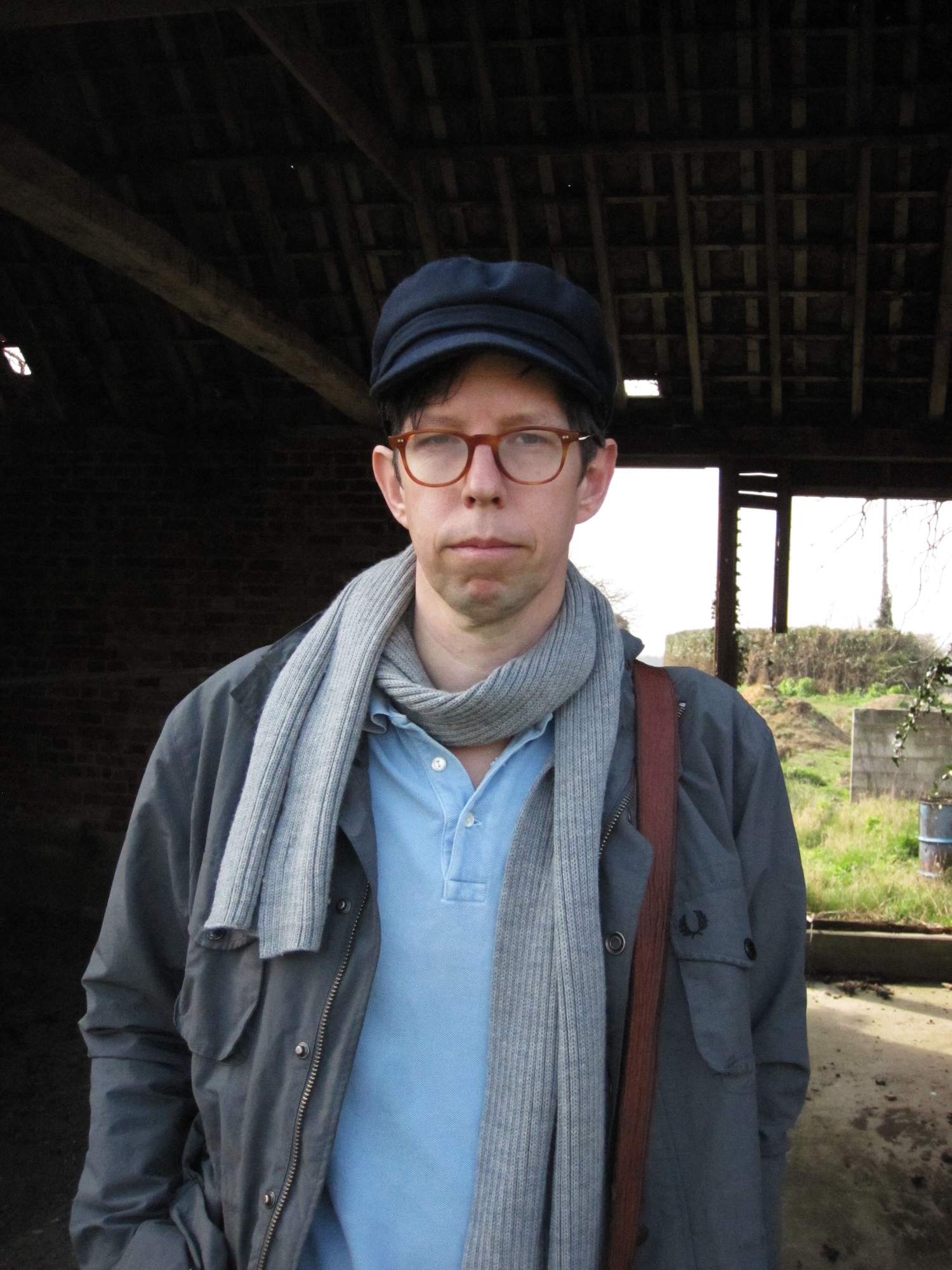
Also, shortly before making this album, I was attacked badly in the street. I spent a few days in a hospital with a fractured skull. When something bad happens to you, people sometimes say, ‘Oh, that’s ok, you can write a song about it!’ And you can, but in this case, I wanted to smuggle this experience into lyrics that seemed on the surface about something else.
Writing about the fear and viciousness of the witch trials – women being persecuted, judged, and killed – allowed me to think of my own paranoia and fear following the attack.
I also wanted to redress an imbalance in my earlier work, where I was a bit of a horny toad and sometimes wrote about women and relationships in a less-than-enlightened way.
‘The Violence’ talks about a horrible affront to a sidelined section of the population, but I hope it never looks away and always takes an empathetic approach to telling the story of the victims.
One challenge of the project was changing my language to suit the era I was setting the song in, but another was trying to make the music fit the period as well. I couldn’t go completely authentic and only record crumhorns and early woodwind, but I did enjoy making the sounds rural, dirty, and broken.
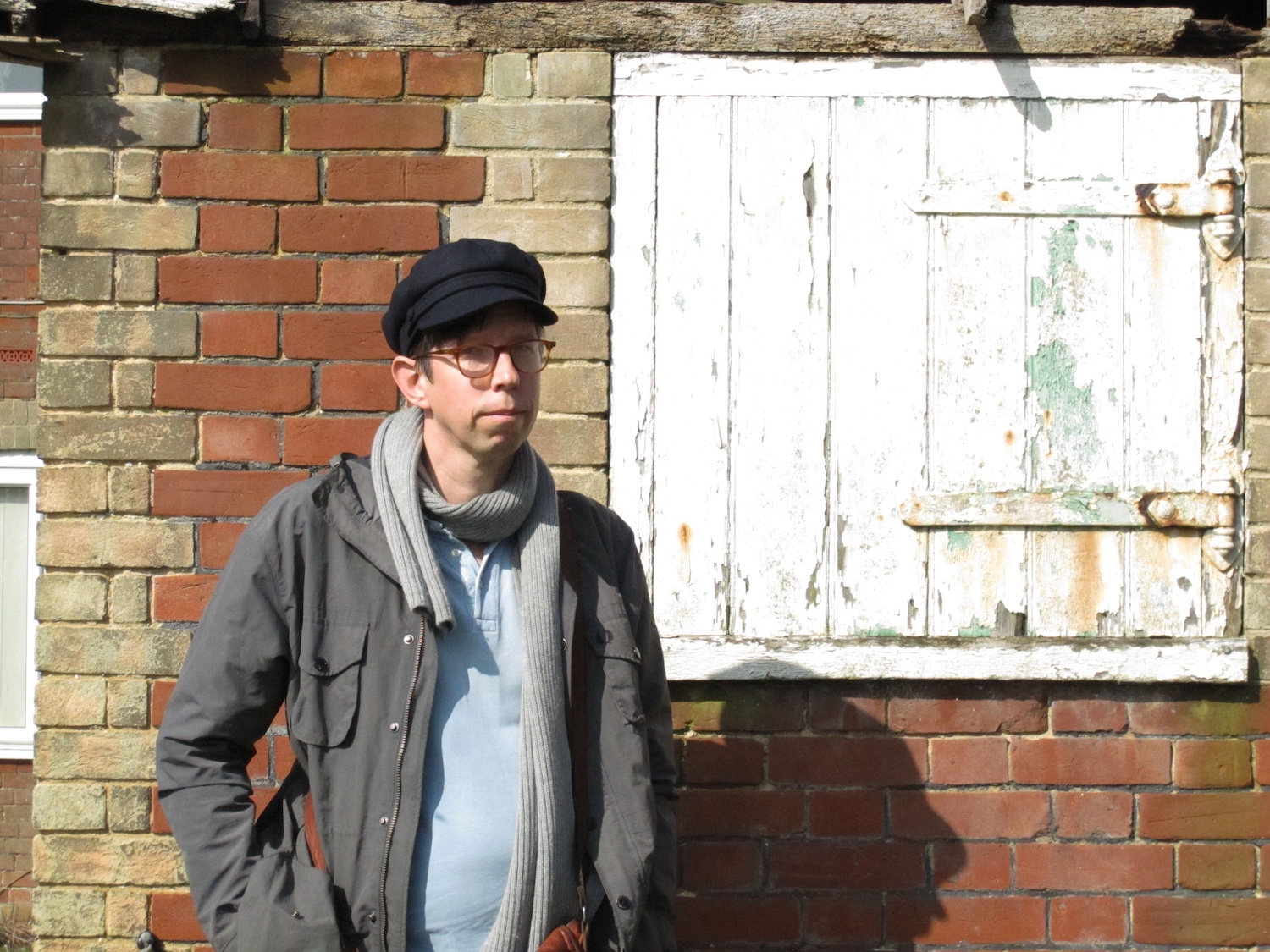
I spent a lot of time in the locations where these events occurred, and it’s hard to say how this affected the eventual outcome of the record. I feel that to breathe the air and look out on the same landscape as these people did must have had some positive influence on the outcome of the record, but it’s impossible to explain that adequately. I suppose I just think, why wouldn’t I go there? Why wouldn’t I go and see?
It took me three attempts to find the ruin of St Mary’s Church, the resting place of Matthew Hopkins, the Witchfinder General, and when I did, I found a twisted old tree growing out of it that appeared to be laughing. So, I guess that right there is an example of a song idea coming directly from experiencing the location.
Another thing I learned through the process of making this record is to never be too proud of your research. One can be very protective of the number of facts that you uncover in investigating a subject like this, but songs are very fragile and cannot stand having too much exposition loaded upon them. Songs still have to have a central thrust, or chorus, a sentiment that anyone can relate to.
And with this album, that main theme is fear. It’s an album about being frightened and hiding away. – Darren Hayman
•• ••
:: stream/purchase The Violence here ::
:: connect with Darren Hayman here ::
•• ••
•• •• •• ••
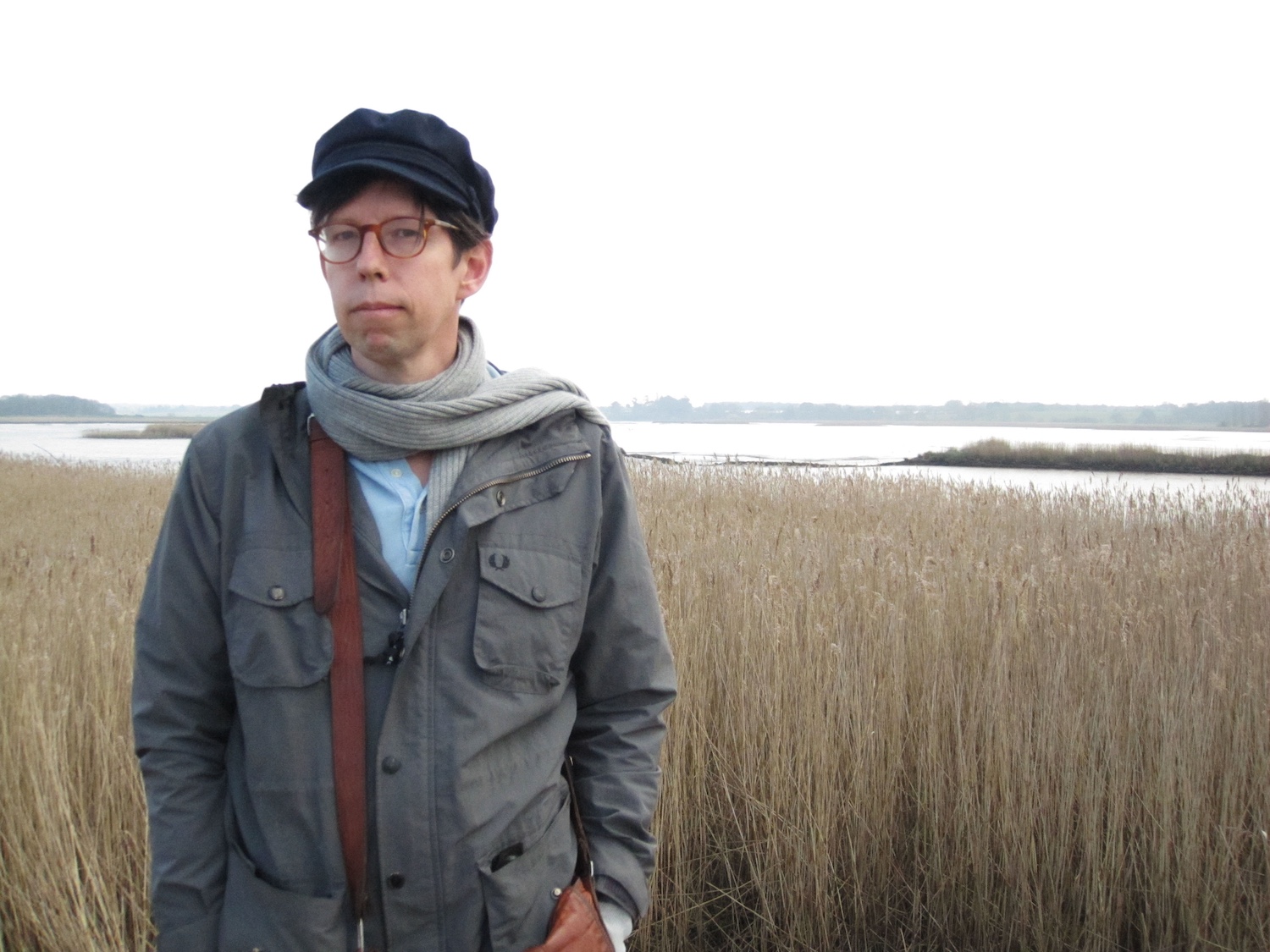
Connect to Darren Hayman on
Instagram, 𝕏, Facebook
Discover new music on Atwood Magazine
📸 © courtesy of the artist
Stream Darren Hayman