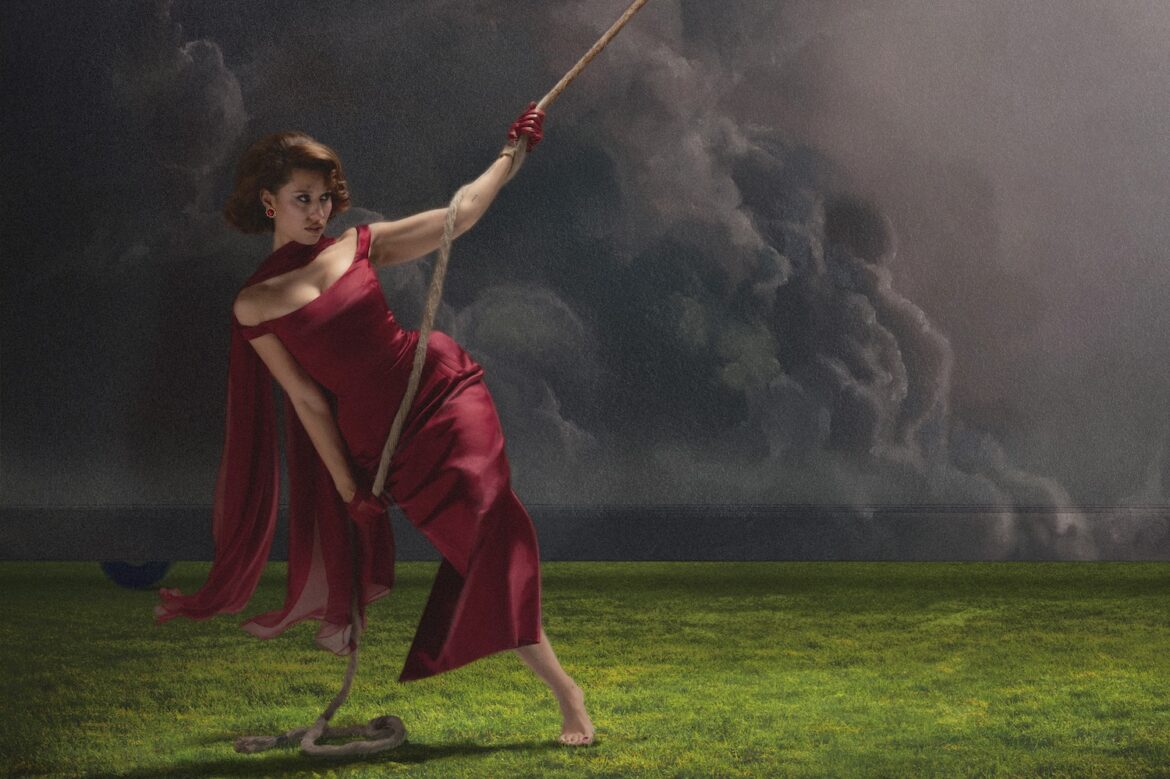
Atwood Magazine’s writers dive into RAYE’s cinematic sophomore album ‘THIS MUSIC MAY CONTAIN HOPE.,’ a boldly genre-spanning declaration of arrival that transforms heartbreak, healing, and inner reckoning into grand pop spectacle – unpacking her theatrical storytelling, her full-scale artistic command, and the hard-won glimmers of hope that emerge through her wounded but resilient vision of modern life.
Featured here are Atwood writers Andrew Lamson, Ankita Bhanot, Bárbara Martínez Campuzano, Charlie Recksieck, Danielle Holian, Dimitra Gurduiala, Emily Weatherhead, Isabella Appell!

— —
To start, what is your relationship with RAYE’s music?
Bárbara: RAYE has been in “My Favorites” for a bit less than a decade, reaching the top of my list after her release of My 21st Century Blues. At first, I loved the quality of her vocals in features such as those of “You Don’t Know Me” from Jax Jones, “By Your Side” by Jonas Blue, and “BED” with Joel Corry and David Guetta. Hearing those songs, I was certain of her potential, which became evident when I discovered Euphoric Sad Songs, her debut mini-album, and later with the release of Century Blues and, now, THIS MUSIC MAY CONTAIN HOPE. settles it. RAYE’s music became less of a party or workout disc-jockey playlist for me, and evolved into also something personal, deep and complex both in genre and its themes.
Charlie: Our history doesn’t go back too far, just to My 21st Century Blues and really to the big single, “Escapism.” I wouldn’t consider myself a superfan although I did like getting into the couple of songs I put on year-end favorites lists. To be honest, RAYE was an artist about whom I said, “I like her” in my head significantly more than I actually listened to her. But knowing that 2023 was a breakout year for her, I thought of her as something akin to a highly-rated minor league baseball prospect.
Emily: I first heard of RAYE when she joined the impressive roster of openers for Taylor Swift’s The Eras Tour, and since then I’ve enjoyed listening to her bigger songs like “Escapism.” and “WHERE IS MY HUSBAND!” While I first noticed her prowess as a vocalist, I’ve become even more appreciative of the vulnerability of the lyrics that accompany the show-stopping production of her songs.
Isabella: I was introduced to Raye in 2023, before she released her album My 21st Century Blues. I worked on a digital campaign for her through The Orchard and attended her show at The Novo in Los Angeles, before her popularity began to surge. She had undeniable stage presence, and within just a few months, she blew up on TikTok. Although I didn’t continue following her closely after that, I was reintroduced to her music – like many others – when she teased her track “Where Is My Husband” on social media.
Andrew: Raye’s been featured on a number of dance tracks I’ve heard for years. I originally thought her career would take her down the path of being a house or EDM vocalist or producers, and have been impressed with her evolution as an album artist. Her vocals on songs produced by David Guetta, Joel Corry, and Disclosure always demonstrated her talent, and the pivot away from house-infused pop has been welcome.
Danielle: RAYE had, for me, long existed in something of the periphery – an artist whose name I recognised and whose occasional tracks I enjoyed, but without yet having fully stepped into her world. That changed with “WHERE IS MY HUSBAND!,” which marked the point of genuine conversion into fandom. What has since become most compelling is her ability to write with striking personal clarity while moving fluidly across genres, never seeming confined by stylistic expectation. Her vocal range and instinct for production consistently feel assured and intentional, often revealing a level of artistry that rewards closer, repeated listening.
Dimitra: I first listened to My 21st Century Blues a couple of years ago, but I have to admit it didn’t fully click with me at the time. Then, I discovered “WHERE IS MY HUSBAND!” It kept popping up everywhere, and it made me want to give her another chance. I went back to My 21st Century Blues and appreciated it much more the second time around. So, THIS MUSIC MAY CONTAIN HOPE. felt like a really rewarding discovery.
Ankita: My relationship with RAYE’s music is still developing. I haven’t spent extensive time with her full discography, but what I have heard – especially My 21st Century Blues – reads as pop rooted in soul. There’s a melancholic through-line that never feels gratuitous; instead, it’s carried by a voice that is both technically controlled and emotionally precise. I was first drawn in by Escapism, but it was 070 Shake’s remix that fully pulled me into the album – it reframed the song in a way that made its emotional core feel even more immediate.
I’m generally skeptical of artists who break through via TikTok, but her collaborations complicate that instinct. She’s worked alongside artists I already respect, like Lucky Daye, and appeared on projects like F1 The Album in ways that feel considered rather than opportunistic. There’s a sense that, despite her relative newness, she’s operating with a deeper musical reference point – someone attentive to lineage, to craft, and to the artists who came before her.
What are your initial impressions and reactions to THIS MUSIC MAY CONTAIN HOPE.?
Bárbara: After the first time I heard the album, I had one word to describe it: mind-blowing. The run of the first seven songs was one that I enjoyed very much; all of them are different, and some – like “The WhatsApp Shakespeare”–– have theatrical bits or cuts that give the song a twist and a very unique form. I was fascinated by My 21st Century Blues, and now Raye’s sophomore album immediately made me realize that Raye is an artist that never fails to disappoint, and that each song has a story to tell and heavily blends genres like jazz, pop, and this time even orchestra.
Charlie: We all know the sophomore effort is supposed to be the regression, but I think THIS MUSIC MAY CONTAIN HOPE. is fantastic. The album has variety, energy, and more upbeat hits than her debut. Vocally, there are splashes of Lily Allen or Dua Lipa, except with more vibrato in the voice and EDM influence underneath. My hot take is that I’m not that into the hit (“WHERE IS MY HUSBAND.”) as much as I am the rest of the album. Instead, I love the retro fun of “Happier Times Ahead.” and the Blossom Dearie meets Nellie McKay jazz romp of “I Hate The Way I Look Today.” And then there’s “Goodbye Henry.” which really could have been the single.
Emily: My first impression of the album can be summed up in one word: Cinematic. The imagery and rich instrumentals make each song feel like it could be the score to a movie, from a campy horror-thriller with “Beware.. The South London Lover Boy.” to an edgy, dark romance with “Winter Woman.” “Fin.” even closes out the album with spoken credits, leaving you with the feeling of sitting in a cushy theatre seat as you finish the last of your popcorn.
Isabella: It feels super cinematic – definitely not what I was expecting, but in a way that really works. The album moves fluidly across genres, from the classical influence in “I Will Overcome” to the jazz tones in “Beware… the South London Lover Boy,” and no single track fully encapsulates the project as a whole. What stands out most is how Raye uses her features – like Al Green and Hans Zimmer – to signal a deep respect for old soul and orchestral traditions, while still making the sound feel modern. I also really appreciate a strong interlude or intro, which makes “Girl Under the Grey Cloud” such a smart and distinctive choice. Some might argue it’s a bit on the nose, that listeners should be left to form their own visual images, but I think it works well in this instance. It’s descriptive without being limiting and sets a clear mood that pulls you further into My 21st Century Blues.
Andrew: Early listens left me conflicted – it’s built like a four act theatrical production and reframing that in my mind was necessary to enjoy the album. There’s numerous moments where the production and instrumentation outshine her with a lush and soaring orchestra guiding the first half of the experience. Thematically, Raye pushed the envelope of how much hope you can find in the darkest places. It becomes overbearing, but splitting the experience into smaller listening sessions made it a far more enjoyable record without repeatedly beating the same thematic drum.
Danielle: My initial reaction to THIS MUSIC MAY CONTAIN HOPE. was one of immediate immersion, I was completely drawn in from the opening moments of “Girl Under The Grey Cloud.” As someone who gravitates toward storytelling and poetic structure, the album held me in a kind of grip from the outset, unfolding with a narrative clarity that feels both intentional and cinematic. Across its runtime, I was struck by its theatricality, its unguarded vulnerability, and the sheer ease with which RAYE moves through such ambitious musical terrain. As a sophomore album, it feels remarkably assured; I found myself genuinely astonished by its scope. I also find myself aligning with Emily’s observation, the vivid imagery and richly textured instrumentation give each track a filmic quality, as though they could score entire scenes rather than simply exist as standalone songs. Even beyond the demands of reviewing it, I kept returning to the record repeatedly, unable to exhaust its detail or emotional pull.
Dimitra: I was genuinely blown away, in the best possible way. What struck me the most is how the album manages to be deeply vulnerable while also incredibly witty, playful, and theatrical. It actually reminded me a bit of Fleabag, but with a more hopeful outlook. It pulled me in immediately.
Ankita: My initial impression of THIS MUSIC MAY CONTAIN HOPE. is that it captures an artist still in the process of defining her voice. There’s a strong foundation in jazz, R&B and soul – both in the writing and performance – that points to real musical fluency. At its best, the album leans into that lineage with restraint, letting her voice carry the emotional weight.
At the same time, it doesn’t always feel cohesive. There are moments that read as attempts to reach for broader appeal, which interrupt the album’s throughline. The collaboration with Hans Zimmer feels more conceptually interesting than fully integrated, and choices like the cackle at the start of the third track come off as jarring rather than purposeful. It’s a promising project, but not yet a fully unified one.
How does this album compare to 2023’s My 21st Century Blues – what are the most striking similarities or differences?
Bárbara: I see two very different albums, but one same voice. RAYE is just as honest, vulnerable, and original in this new album as she was in her 2023 album. Nonetheless, My 21st Century Blues talks about all that is dark and painful, such as addiction and mental health struggles, and yet it contains many bops. On the other hand, her sophomore album is one that demonstrates light, resilience, and even if there are sad songs, like “Goodbye Henry.” featuring Al Green, they reflects lessons and overcoming.
Charlie: Let’s be honest: RAYE’s debut, My 21st Century Blues is kind of a bummer. It’s a breakup album, albeit a very good breakup album. Most of the first album skews towards being slow, downtempo, and introspective. On that first record, “The Thrill Is Gone.” was the only fun song that I frequently felt like hearing. By contrast, the majority of songs on THIS MUSIC MAY CONTAIN HOPE. are fun listening and have great beats, like “Skin & Bones.” and “Goodbye Henry.” And for pure creativity, I don’t think any of the steady heartbreak or ballads on the first album can match the time-shifting adventurousness of 2026’s “The WhatsApp Shakespeare.” The comparison might be unfair; My 21st Century Blues absolutely is a breakup record. But the new record shows a fully-formed artist, who can take on genre.
Emily: RAYE follows a similar narrative structure on THIS MUSIC MAY CONTAIN HOPE. to the one she established on My 21st Century Blues, but she takes it to a whole new level on her sophomore album. My 21st Century Blues was a great introduction to RAYE’s ability to create catchy melodies and biting lyrics, but everything feels bigger and better on THIS MUSIC MAY CONTAIN HOPE.
Isabella: My 21st Century Blues felt more restrained and slower in comparison, almost like it was sitting in the weight of everything she was going through. Tracks like “Escapism” and “Oscar Winning Tears” clearly led to the album’s breakout success, but they also somewhat defined the album as a whole. With this newer project, though, it feels like there’s more room for every track to grow and find its own audience. Rather than hinging on one or two standout hits, the album has a broad appeal across the board.What really stands out is the shift in perspective. On My 21st Century Blues, Raye was documenting hardship in real time – there’s a rawness to it that feels immediate. This new album, by contrast, feels like the aftermath. Even when the music carries moments of hope, it’s grounded in reflection – the process of healing and rebuilding. It’s less about being in the center of struggle and more about navigating life after it, which gives the whole project a sense of growth.
Andrew: My 21st Century Blues felt safer, almost like Raye’s attempt to establish herself as an artist. It seldom truly shows off her vocal ability, restrains itself in speed and dynamics, and takes few big risks playing it pretty safe embellishing and exploring heartbreak. Compared to THIS MUSIC MAY CONTAIN HOPE., her debut feels like a demo for her grand ambitions. She took a grand stab at a masterpiece, and took extensive risks for song styles, structure, instrumentation, and featured guests. Her latest album is far more ambitious, as it builds on her melodic ability with world building and true set-pieces for her talent.
Danielle: In comparison to My 21st Century Blues (2023), THIS MUSIC MAY CONTAIN HOPE., feels like the work of an artist who has fully stepped into her creative authority, unafraid to stretch across genres with a far more expansive sense of scale and identity. Where My 21st Century Blues functioned as a compelling introduction, arguably more restrained, as though still laying the groundwork for her artistic identity, it excelled in sharp melodies and incisive lyricism that firmly established RAYE’s voice. This new record, however, operates on a noticeably grander and more ambitious level: it builds not just songs but sonic environments, leaning into world-building and more elaborate set pieces that showcase the full breadth of her musicianship. The result is a body of work that feels less like an emergence and more like a declaration of arrival.
Dimitra: My 21st Century Blues feels much more raw and melancholic, with a strong focus on trauma and addiction. THIS MUSIC MAY CONTAIN HOPE. isn’t exactly light either, but it definitely has a more collective, healing-oriented perspective. Also, the first album musically leaned more towards club, dance, and R&B sounds, while this new record expands into grander arrangements, jazz, classic Hollywood scores, and theatrical soul. It’s less explicit lyrically, but far more ambitious and expansive in its production.
Ankita: Both albums live in the same emotional world. The heartbroken, melancholic version of RAYE is present in both, but My 21st Century Blues feels like you’re inside it with her in real time. It reads like a diary – messy, raw, and immediate. The kind of album where you feel like you really know her because she’s not holding anything at a distance.
THIS MUSIC MAY CONTAIN HOPE. feels different in a way that’s actually pretty relatable. It reminds me of how we look back at older versions of ourselves – the ones who were really in it – and feel a mix of sympathy and clarity. The first half still sits in that sadness, but it doesn’t stay there. It moves toward something lighter, more resolved. I’ll probably always lean toward the rawness of the first album, but this one feels like growth. Not as intimate, but more self-aware – and honestly, a little kinder to herself.
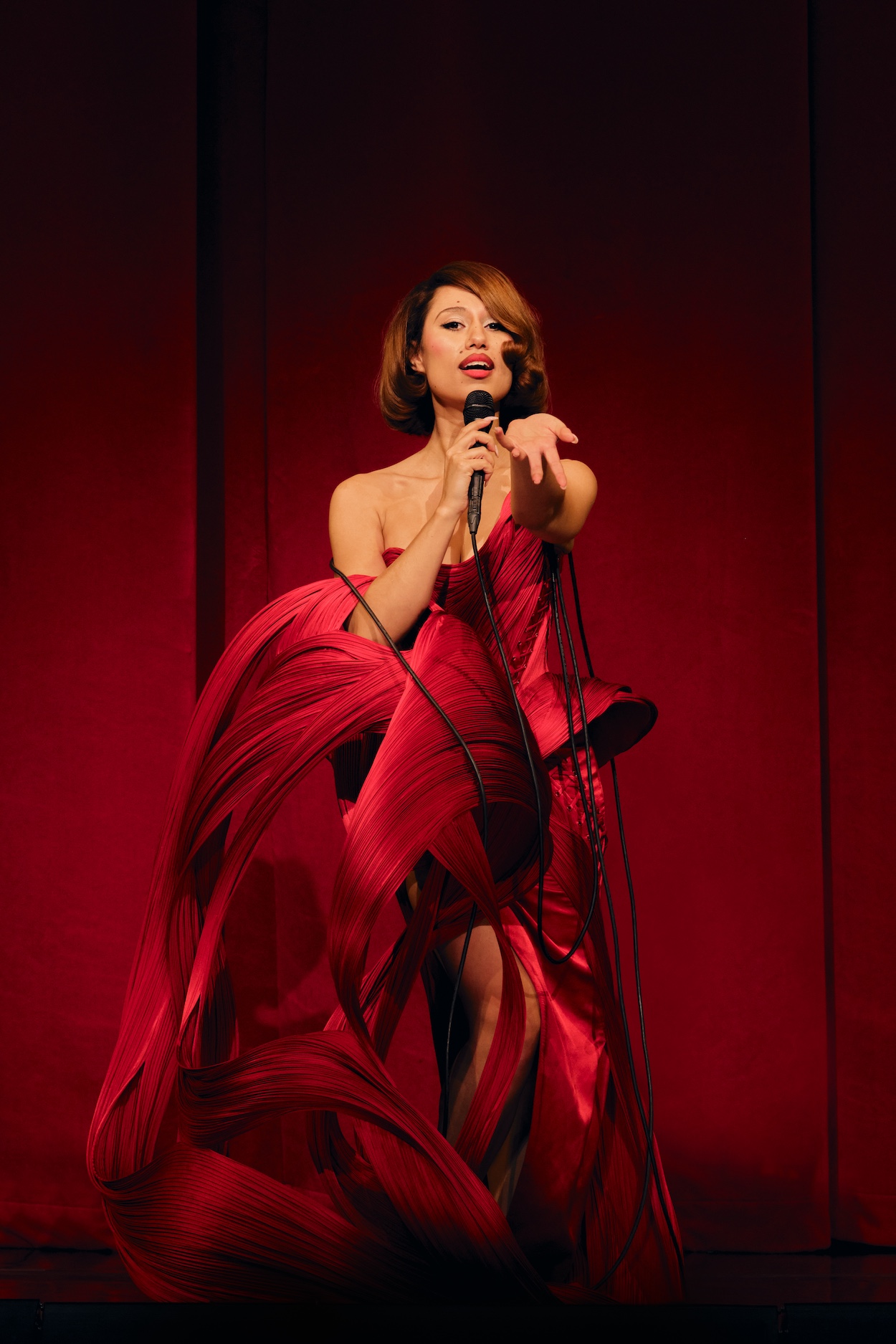
RAYE teased THIS MUSIC MAY CONTAIN HOPE. with “WHERE IS MY HUSBAND!,” “Nightingale Lane.,” and “Click Clack Symphony.” Are these singles faithful representations of the album?
Bárbara: The three songs don’t follow any solid structure, but I think that is also what defines this album. Every song is different and yet they are pieces that do merge into THIS MUSIC MAY CONTAIN HOPE. “WHERE IS MY HUSBAND!” turns desperation into a fun, dramatic bop with a fast pace that leaves no space for the real anxiety or despair. “Nightingale Lane.” is orchestral (as are many songs of this album), vintage and filmic, with less movement that makes it deeper and emotional. It details heartbreak but so does the artist reminding herself there will be someone else someday. As for “Click Clack Symphony,” which I consider the best song on the album, it includes Hans Zimmer’s orchestration and another big blend of genres, with an empowering theme of strength and rebirth through company and friendships. All these songs, in a way, live up to the central message of hope of this album.
Charlie: I’m going to respond with a qualified, “No.” I think this record is so eclectic that no song by itself could be representative. Given all that, those three singles strung together show some of the variety. “WHERE IS MY HUSBAND!.” is the dance floor standout, “Click Clack Symphony.” is the experiment in the vocals and production lab, and “Nightingale Lane.” is the hooky one that will keep me coming back. But I wish the singles telegraphed how much there is a lot going on in THIS MUSIC MAY CONTAIN HOPE. and invite casual fans to click on album tracks.
Emily: Yes, both thematically and sonically. “WHERE IS MY HUSBAND!” is obviously a strong stand-alone song, but it ties into the rest of the album (like its chorus, which echoes the descending melodic line in the chorus of “Beware.. The South London Lover Boy.”) The bridge in “Click Clack Symphony. (feat. Hans Zimmer)” introduces the spoken-word style that is present in many songs on the album, and prepares the listener for the grand, cinematic scores that can be expected on THIS MUSIC MAY CONTAIN HOPE. While it’s hard for the slower, sultry “Nightingale Lane.” to stand out compared to the other two singles, its lyrics showcase the central theme of the album: Somebody loved me once / And someday, somebody will again.
Isabella: Honestly, no – I think every track stands on its own and feels distinct. That said, Raye did choose three very different songs, and together they actually do a solid job of capturing the album’s overall scope.
Andrew: There was no way for her to release any singles to prepare people for this record. “Nightengale Lane.” is exceptional, with RAYE showing how truly talented her vocals are. “WHERE IS MY HUSBAND.” and “Click Clack Symphony” are good introductions for their own respective acts, but are deeply outclassed by other songs within their peers. Each song on the album is far more fleshed out in the context of each individual act, and “WHERE IS MY HUSBAND.” really doesn’t represent the emotional weight of the final twenty minutes.
Danielle: While I thoroughly enjoyed the pre-release singles – “WHERE IS MY HUSBAND!,” “Nightingale Lane.,” and “Click Clack Symphony.” – they ultimately serve more as intriguing entry points than definitive blueprints for the album as a whole. Nothing quite prepares you for the full scope of THIS MUSIC MAY CONTAIN HOPE., which reveals itself as a cohesive, carefully sequenced body of work designed to be experienced in its entirety rather than piecemeal. In that sense, the singles are faithful in tone and intent, but they only hint at the emotional and sonic breadth that unfolds across the full record.
Dimitra: “WHERE IS MY HUSBAND!” highlights the album’s bold, ironic, jazz-pop side. “Nightingale Lane.” showcases RAYE’s incredible vocal ability in a nostalgic, poignant way, while “Click Clack Symphony.,” produced with Hans Zimmer, hints at the album’s cinematic scale. That being said, there are also much more intimate and vulnerable moments throughout the record that these singles don’t entirely prepare you for, like “Goodbye Henry.”
Ankita: No, not really. The three teasers – “WHERE IS MY HUSBAND!,” “Nightingale Lane.,” and “Click Clack Symphony.” – don’t end up feeling like faithful representations of THIS MUSIC MAY CONTAIN HOPE. by RAYE because the album itself doesn’t really hold a clear through line.
I do like the loud, dramatic, unapologetic energy of “WHERE IS MY HUSBAND!,” especially in the same way something like “Joy” works emotionally – but that kind of energy isn’t consistent enough across the project to feel representative. The album jumps around, and the spoken-word interludes start to feel a bit overused, even if they’re trendy right now. At a certain point, if I hear one more grandma or dad’s voicemail tacked onto the end of a track for emotional depth, I’m going to lose it – it’s starting to feel like a required feature in pop albums rather than a choice. And “Click Clack Symphony” honestly feels like the most chaotic example of that tension: big idea, but not fully held together.
Speaking about this album, RAYE said that she “wanted to create something that is a hug, bed or soft place for that person who needs it.” Does this description capture the spirit of these songs, and where do you hear or feel it most?
Bárbara: The answer is simple: yes, and not only is this album a soft place for anyone, but in general RAYE touches on topics or problems that make others feel understood. With this album, I believe she has created not only a refuge, but also projects it as if life really were a movie, one in which the listener is a protagonist that will overcome whatever obstacles lie their way. The British singer-songwriter has a strong talent for turning something somber into an embrace and relief.
Charlie: When it comes to the underlying emotion of the lyrics, the debut My 21st Century Blues is the album providing the soft space for the brokenhearted. That record is more downbeat throughout. But when I think in RAYE’s terms of “hug, bed or soft place” above, I think about swirling harmonies and sweet production. THIS MUSIC MAY CONTAIN HOPE. provides all of that positive energy. “Fields.” has reassuring notes of gospel that are warm as hell. “Nightingale Lane.” is modernized 90’s R&B also in the feelgood lane. Even the borderline electronica moments of “Life Boat.” are warmer than they have any right to be. So, yeah, I appreciate the pop “hugs” of the music here more than the emotional consolation of her first album.
Emily: On this album, RAYE lends importance topics that can often be trivialized, like heartbreak and negative self-image. The cinematic score of this album lends gravity to just how intense these moments of life can be, which really offers this sense of cathartic validation to the listener. You’re left knowing that your pain is understandable, you’re not alone in feeling it, and it will eventually get better. This sentiment can be felt throughout the album, but really shines in songs like “Click Clack Symphony. (feat. Hans Zimmer)” and “I Know You’re Hurting.”
Isabella: The message of the album feels deeply relatable – Raye really leans into vulnerability and rawness, which is where she’s strongest. In terms of how she described it, rather than feeling like a “hug” or a soft place to land, it almost does the opposite. It comes across more like that friend who hypes you up after a breakup, ultimately pushing you forward.
Andrew: The gleaming instrumentation and presentation feel like the warmest hug. I’ve never felt more welcome in a listening experience than hearing RAYE introduce Al Green on “Goodbye Henry.” or more optimistic in my own persistence when hearing “Life Boat.” Throughout the experience it feels like there’s a mirror to your own grief, and RAYE made it feel like she was holding your hand the entire time.
Danielle: For me, yes; the intention absolutely comes through, though perhaps in a more complex emotional register than the language of a “hug” or “soft place” might suggest. There is a strong sense of recognition throughout the album; I often find myself reflected in its narratives, which lends it a feeling of being deeply understood rather than merely comforted. RAYE’s strength here lies in her willingness to sit within vulnerability and rawness without smoothing their edges, allowing that emotional honesty to become the record’s core force. Yet, rather than functioning as a purely soothing presence, the album more often resembles the candid, encouraging voice of a friend who refuses to let you linger too long in heartbreak – one who acknowledges the pain, but ultimately urges you forward.
Dimitra: Definitely, especially in “I Will Overcome.” when she sings, “I’m not okay right now, but I’ll get there somehow.” To me, that song (and this lyric!) perfectly captures the idea that healing isn’t linear and doesn’t really have a clear endpoint because some wounds don’t disappear, you just learn how to live with them. What matters is continuing to move forward and, ultimately, to overcome.
Ankita: I don’t fully feel that description comes through in the music of RAYE. at least not consistently. A “hug” or “soft place” implies intimacy and specificity – something grounded enough that it feels personally directed. But a lot of this project feels more generalized than that, like it’s reaching for a broader emotional language rather than a specific one.
Because of that, I don’t connect to it in the same way. For me, vulnerability usually comes from detail and restraint, but here it often feels mediated through familiar pop and culture signals that are designed to land with a wide audience. It doesn’t always feel like it’s speaking to someone specific – it feels like it’s speaking to everyone at once, and in doing that, it loses some of the closeness that would make that “soft place” description really land.
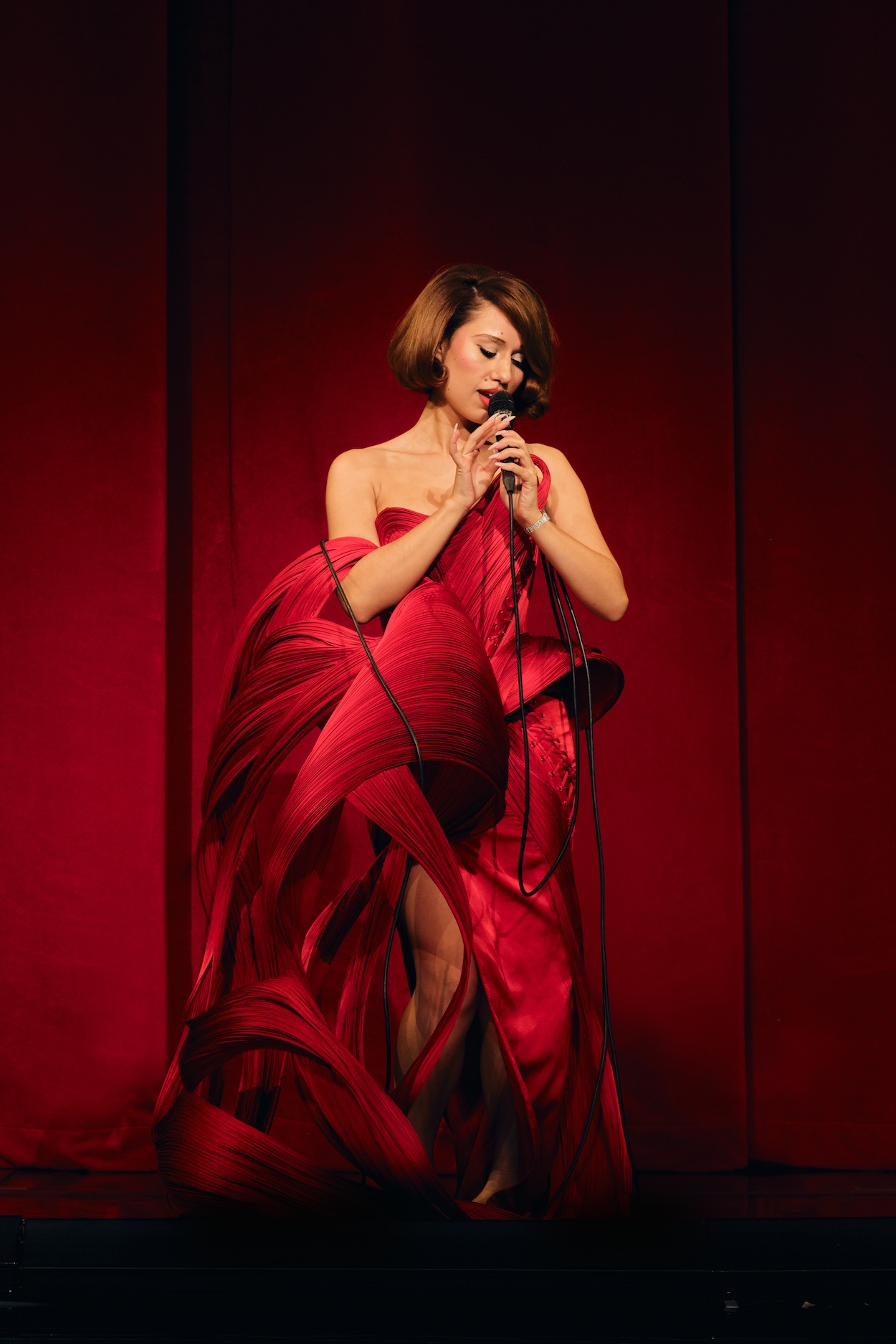
Does the album’s title hold up? Does it contain hope, and do you find yourself any more hopeful after listening?
Bárbara: This album sure does contain hope. It shows RAYE in a new light, one more transcendent. She isn’t stuck anymore, and in every song there is that glimmer of hope, even as a whisper, such as in the song “I Will Overcome” where her secondary vocals say “She will, she will, she will” or “Yes, indeed.” These indicate that she is nowhere near doubt or refusal to move forward, and as a listener, that lends enough hope.
Charlie: Compared to RAYE’s debut album, yes THIS MUSIC MAY CONTAIN HOPE. gives more hope. It’s not stuck in introspection – this new record is meant to be played outside of the house. “Goodbye Henry.” starts by literally declaring, “This is a sad song,” which is a misdirection, since the music is actually upbeat pop. It could have been tempting for RAYE to make a ballad-heavy record here, but instead she achieved more by creating pop songs with something to say. The album-opening spoken word drama morphs right into “I Will Overcome.” whose title should give you an idea of RAYE’s Rihanna-like I’m-not-gonna-quit attitude.
Emily: The title holds up, especially when you focus on the word “may.” Listening to this album left me feeling understood, resigned, and hopeful all at once. I think that’s very reflective of an album that so fully captures and explores the modern dating world. The album takes you through some deep emotional lows, but still ends on a high note.
Isabella: Yes, I think the title really captures the overall vibe of the album.
Andrew: The largest moments, Act II and Act IV, are so jam packed full of hope there’s no option to feel anything else. I fell in love with Act III, the run from “I Hate the Way I Look Today.” to “Skin & Bones.” because it entirely lacks any semblance of hope. It’s a forced confrontation of insecurities and romance, and really adds depth to the overall experience.
Danielle: The album’s title feels quietly earned rather than declarative, its promise of hope emerging not as a constant state but as something intermittent, hard-won, and carefully placed. What lingers most is the sense of movement – of an artist no longer suspended in emotional stasis or consumed by it, but instead beginning to loosen its grip. Hope, in this context, arrives in fleeting, deliberate moments rather than sweeping resolution, which feels especially resonant in a project so attuned to the emotional volatility of modern dating. The record traverses considerable emotional depth and often unsettling lows, yet it resists ending in despair, instead closing on a note that suggests ascent, or at least recovery. In that sense, the album doesn’t so much insist on hope as it demonstrates its possibility – fragile, conditional, but undeniably present.
Dimitra: Well, the album really does contain hope! Structured around the seasons, it moves from the melancholy of autumn and the coldness of winter into the rebirth of spring and the warmth of summer. Songs like “Joy.” and “Fields.” feel genuinely uplifting and full of faith in the future, while the closing track, “Fin.,” with its cinematic credits-style ending, radiates a deep love for humans and art itself. By the end of the album, you do feel somewhat renewed.
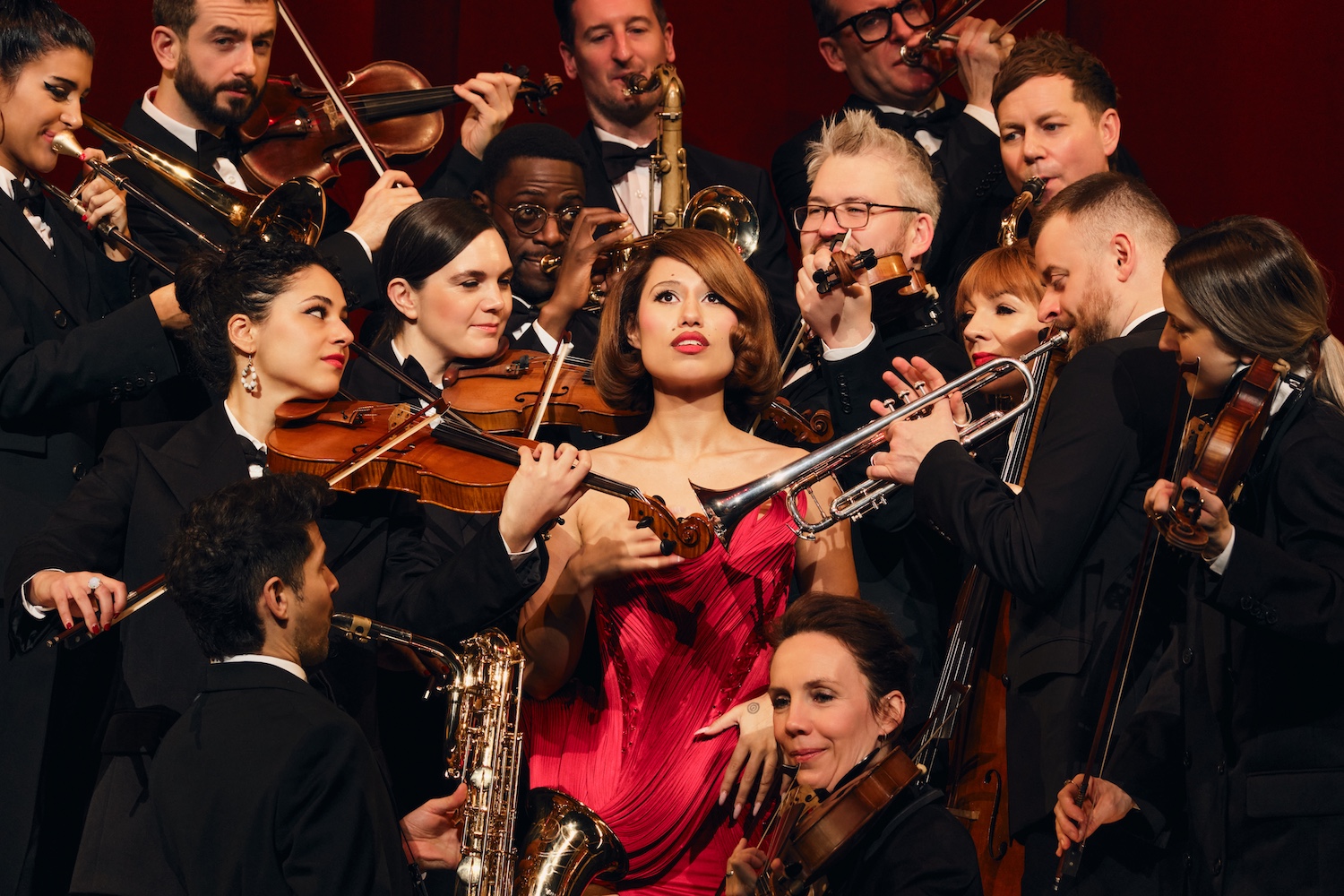
Which song(s) stand out for you on the album, and why?
Bárbara: “Click Clack Symphony.” definitely stands out, with its outstanding collaboration with Hans Zimmer, transforming it into a cinematic and orchestral-rich track. It is also a track that is fragmented into great vocals, spoken poetry and narrative, and the metaphor of the sounds of women’s heels. “The WhatsApp Shakespeare.,” “WHERE IS MY HUSBAND!” and “Life Boat.” are also songs that stand out because of their meanings and trancey, at-times fast tempos. These are songs worthy of replays, club anthems, or a city stroll.
Charlie: “Goodbye Henry.” has the harmonies and smooth production; when we’re talking about “hope,” this is what it feels like. If this was your alarm ringtone, you’d roll out of bed in a hurry to get your day started. Horns, strings, and a cameo from Al Green. Al Fucking Green, come on. Another favorite would be “Nightingale Lane.” RAYE’s songwriting, production and performance remind me of clean 90s/00s R&B smoothness like Boys II Men and Anthony Hamilton. And I can’t leave here without singling out “Happier Times Ahead.” It’s of its time, of course, but also sounds like you dropped Janelle Monae in a well-arranged Burt Bacharach song.
Emily: “The WhatsApp Shakespeare.” is a standout with clever lyrics and dramatic instrumentals. The piano and drums of the song immediately set a rich, angsty backdrop for RAYE’s modern-day retelling of a tragic love story. With a mix of lyrical nods to both Shakespeare (Wherefore art thou, true love?) and pop-culture (She’d be deceived by her very own traitor / And he weren’t even my type on paper), it’s a satisfying track that you’ll want to replay.
Isabella: Definitely “Click Clack Symphony,” “Fields,” and “Happier Times Ahead.” I love the clapping woven throughout “Click Clack Symphony” – it adds an almost theatrical feel and really showcases her range. The concept behind “Fields” is beautiful, especially her message to – and duet with – her granddad, who played such a central role in her musical upbringing. To me, any artist who can speak so intimately through their lyrics while keeping the sound cohesive and fluid is doing something truly special. I also love the jazz undertones in “Happier Times Ahead,” which tie in perfectly with the album’s sense of hope and forward movement. Lastly, “Fin.” is up there for me as well – it feels deeply nostalgic, almost like something out of an old Disney film, and there’s a softness in her voice that makes it especially beautiful.
Andrew: “The WhatsApp Shakespeare.” is so incredibly gawky and maximalist it feels like Lin Manuel Miranda produced it. “I Hate the Way I Look Today.” bores all of RAYE’s insecurities for all to see, while also layering instrumentation that would be welcome in a classic Looney Toon’s skit. “Goodbye Henry.” is my favorite song on the album, with RAYE introducing it as a “sad song.” It peaks as she pulls the curtain back to introduce the “One and only, Al Green” – who sounds as fresh and motivated as ever. It was one of the two moments through the experience that gave me tears, with the other coming during the bridge on “Nightengale Lane.”
Danielle: Two tracks, in particular, crystallise the album’s ambition and emotional range. “Click Clack Symphony” stands as an undeniable centrepiece, elevated by its collaboration with Hans Zimmer, which transforms the song into something approaching a cinematic score, lush, orchestral, and almost operatic in its scope. In contrast, “The WhatsApp Shakespeare” thrives on wit and narrative flair, its dramatic piano and insistent percussion establishing an immediate sense of modern romantic tension. RAYE’s lyrical approach here is especially striking, weaving Shakespearean invocation (“Wherefore art thou, true love?”) with sharply observed contemporary phrasing (“She’d be deceived by her very own traitor / And he weren’t even my type on paper”), creating a hybrid language of classical tragedy and digital-age heartbreak. The result is a track that feels both intellectually playful and emotionally resonant, one that invites repeated listening not just for its cleverness, but for its richly layered storytelling.
Dimitra: “The WhatsApp Shakespeare.” stands out immediately. It’s clever, sharp, and brilliantly captures modern romantic deception through Shakespeare-inspired wordplay and R&B influences. I’d also highlight “I Hate the Way I Look Today,” which feels painfully honest in its portrayal of self-loathing, while still trying to push against it.
Ankita: The track that stands out most for me is “Joy.,” especially because it has that genuinely special, familial thing happening with her sisters, Absolutely and Amma. I really do love it for that. I just wish the album earned it more – like it actually *built* toward “Joy” emotionally and musically, instead of dropping it in like, “Okay everyone, feel joy now,” as if joy is a switch you flip mid-tracklist. As a moment, it’s beautiful; as sequencing, it feels a bit inserted rather than arrived at.
“Goodbye Henry.,” featuring Al Green, is the other one that really registers – partly because the pairing itself carries weight. Al Green didn’t just make great soul records; he helped define what tenderness and restraint could sound like in R&B, and you can hear his influence everywhere from classic soul to modern pop vocal phrasing. His presence automatically plugs the song into a lineage that’s bigger than any single album era.
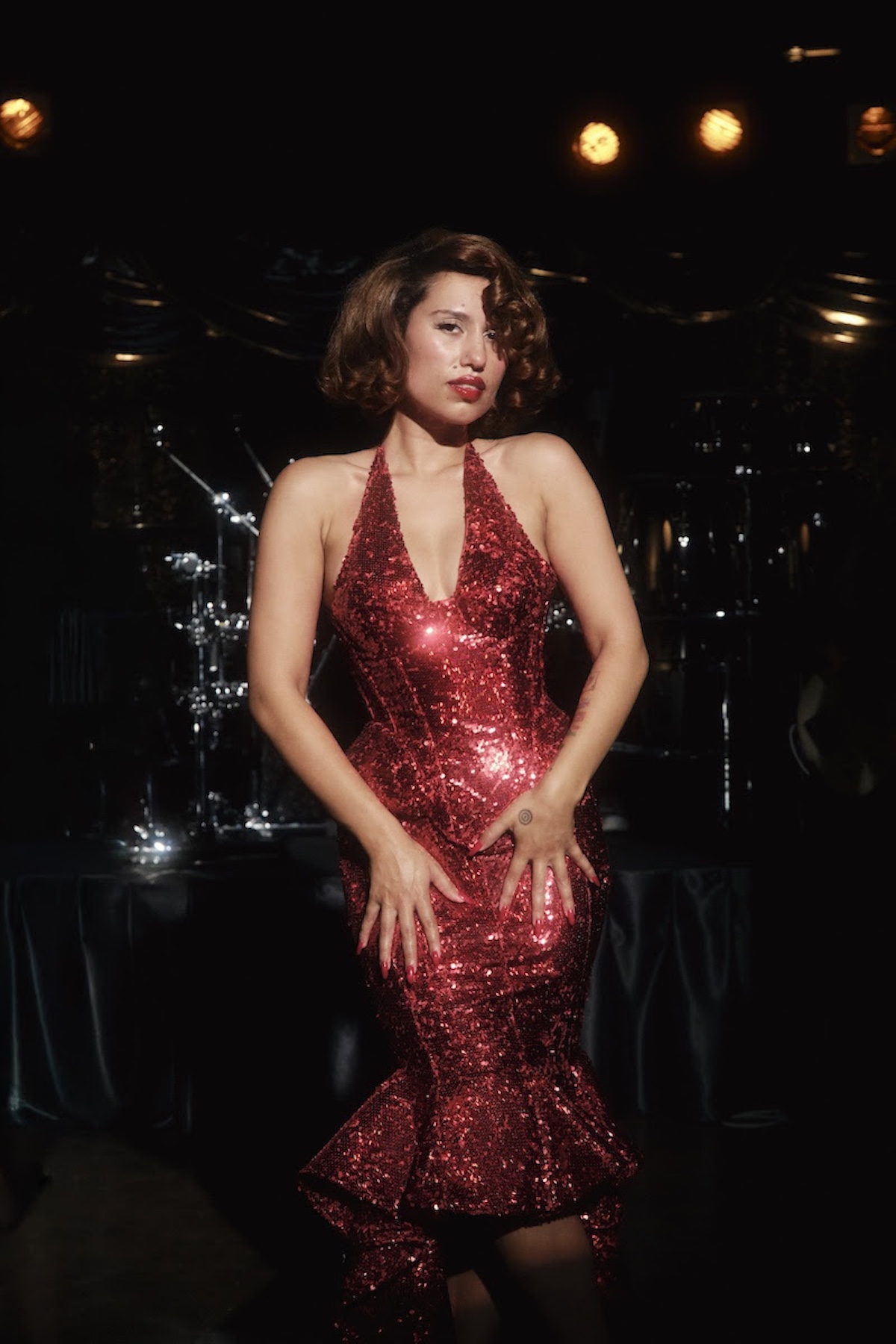
Do you have any favorite lyrics so far? Which lines stand out?
Bárbara: From “Winter Woman,” “Cold girls get by, cold girls won’t cry / I’ll become the Winter Woman” suggests a numbness and courage to move on from heartbreak, whereas “Life Boat” repeatedly focuses on resilience, with mantras such as “I’m not giving up yet” and “Never give up” throughout the song. “Click Clack Symphony” works overall as a poem, and from the first lines – “Did you know the odds to be born on this Earth’s one in four hundred trillion? / I conquered those odds, yet I conquer leaving this house” – it’s made clear that there lies plenty of power as well as vulnerability in the track and the singer herself. The central metaphor of the “click clack symphony” is comforting and empowering, and the topmost line of the song – one that has a lasting legacy – is “The cold never lasts, my darling / It just teaches the heart how to burn.”
Charlie: On “The WhatsApp Shakespeare.” RAYE constructs a would-be Romeo seducing through texts instead of calling to a window: He’d WhatsApp call me, call me with a / “Wherefore art thou, true love?” (He strikes again) / Oh, he’s a cursive kisser. Then she pulls off a magic trick of a lyric by going full “meta” in “Goodbye Henry.” and somehow this all works: This is a sad song / Though it feels happy / It is not happy at all / In fact, it makes me so, so sad to sing this song / But I will sing it for you anyway / This song is called “Goodbye Henry.” / And I wrote it ’bout a boy / A very lovely boy / And his name isn’t even Henry. Such a degree of difficulty on these two.
Emily: My favorite lyric on the album is on “Fields. (feat. Grandad Michael):” We were both born little with big dreams. The entire song is such a beautiful exploration of RAYE’s relationship with her grandad and how whether we’re closer to the beginning or the end of our time on Earth, we all just want to be loved and be free to reach for our dreams.
Isabella: “The cold never lasts, my darling, it just teaches the heart how to burn” in Click Clack Symphony and “it’s weird that I wear lipstick and put a kiss on the back of my hand so I can see what my love looks like when I’m alone” in Fields.
Andrew: I love RAYE’s brashness on “Skin & Bones” and the last line of the chorus: “‘Cause he thinks he can make love without having to love me.” Love’s one of the most innate and beautiful qualities humans possess, and the entire song is an extended examination of how little courtship exists in dating.
Danielle: Across the record, several lyrical fragments stand out for their emotional precision and poetic weight. In “Winter Woman,” the refrain “Cold girls get by, cold girls won’t cry / I’ll become the Winter Woman” distills heartbreak into a kind of self-fashioned armour, suggesting both emotional numbing and a steely resolve to endure. “Click Clack Symphony” unfolds almost like spoken verse, opening with “Did you know the odds to be born on this Earth’s one in four hundred trillion? / I conquered those odds, yet I conquer leaving this house,” a striking juxtaposition of existential triumph and intimate vulnerability that runs throughout the track. The recurring “click clack symphony” motif itself becomes oddly comforting, even galvanic, culminating in the line “The cold never lasts, my darling / It just teaches the heart how to burn,” which lingers long after the song ends. Perhaps most affecting, however, is the raw, destabilising question “Am I just the product of everything that was done to me?” a line that cuts to the core with its unflinching emotional honesty.
Dimitra: In “Click Clack Symphony.,” the line “The cold never lasts, my darling / It just teaches the heart how to burn” is incredibly powerful and beautiful. Another standout, also from the same track, is “I eat, sleep, scroll, and work, but there has to be more than just merely existing,” which perfectly captures that sense of disillusionment that often comes with adulthood (but also the hope for your life to gain some kind of meaning).
Ankita: The two lines that stand out most are “I know you’re hurting” and “Please don’t stop believing in miracles,” both from “I Know You’re Hurting.”
What sticks is how direct they are. There’s no metaphor or distance – just plain acknowledgment of pain, almost like something said in conversation rather than performed. “I know you’re hurting” lands that way especially; it feels like recognition more than lyricism. “Please don’t stop believing in miracles” carries the same simplicity, but with a quiet emotional insistence underneath it.
“You claw yourself apart in private moments” is the line that expands that same idea. It’s still plainspoken, but heavier in detail – less about stating emotion and more about naming what it looks like when someone is in it alone. And I can’t not mention the current song-title epidemic where everything is either a full sentence with punctuation – like *“I’m Done With You.”* – or it’s ALL CAPS LIKE WE’RE BEING YELLED AT THROUGH THE STREAMING APP. It’s starting to feel less like intention and more like a formatting trend disguised as personality.
Lyrically, I do appreciate the directness – there’s something refreshing about saying what you mean. But I miss the subtlety, the lines that land like poetry, where meaning unfolds on the second or third listen. A lot of songs on this album (and honestly, a lot of music right now) feel like they’re designed to state things right in your face, when I’m craving a little more nuance and texture – something that trusts the listener to meet it halfway.
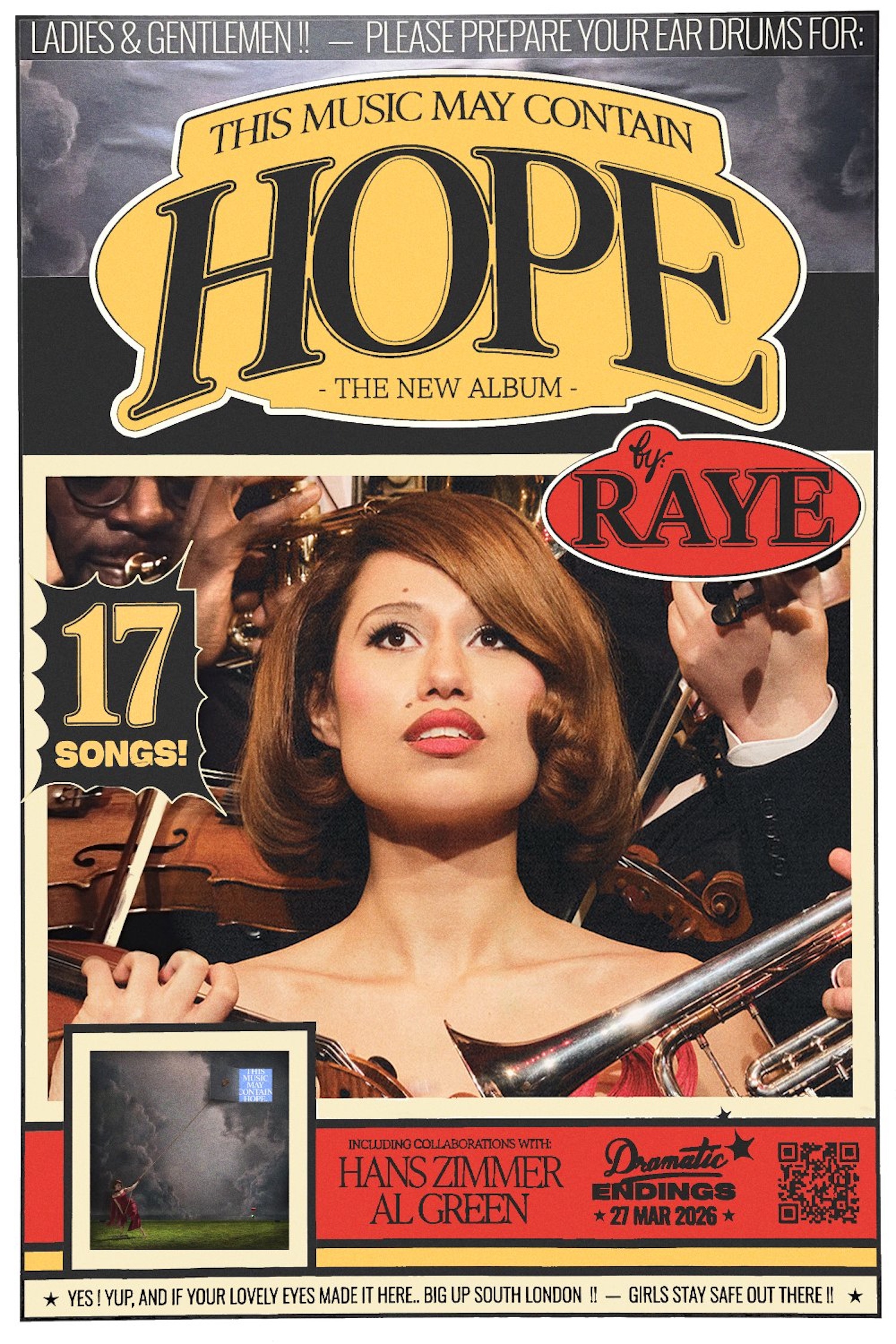
Where do you feel THIS MUSIC MAY CONTAIN HOPE. sits in the pantheon of RAYE’s discography?
Bárbara: RAYE has said too much in only two albums, but this could be another great example of a successful second album, even more successful than the debut. I would say THIS MUSIC MAY CONTAIN HOPE. could definitely be worthy of an Album of the Year nomination. RAYE has delivered an album in which each song has merit, in terms of production and narrative, with a genre variation that exceeds what we heard in My 21st Century Blues.
Charlie: The easy answer is that this is the apex of RAYE’s album catalog – we’ve only got two choices. But I vastly prefer this to her debut album. She’s been an experimenter and hinted at her versatility in the 2010s by virtue of the various artists she’s collaborated with (Charli XCX, Jonas Blue, John Legend). Even looking at her first 6-8 years on the scene, it would have been difficult to predict this leap in multi-genre confidence. The genres may vary a little, but the quality of the production is the constant. RAYE made what could seem disjointed feel like one voice.
Emily: RAYE has certainly evaded the “sophomore slump” with THIS MUSIC MAY CONTAIN HOPE. She’s created an album that is incredibly personal, while showcasing her dedication to technical excellence in her music. I think it will leave listeners feeling excited to hear what she does next.
Isabella: I really think this project is going to put her on the map. Not only does Raye have tracks like “Where Is My Husband” that are primed to take off on social media – which is so crucial right now – but she also has songs like “I Will Overcome” that highlight the full scope of her talent. That balance between viral appeal and genuine artistry is what will not only bring her wider attention, but also keep her respected at a higher level.
Andrew: It’s her best album. It’s the type of album that wins awards and everyone collectively understands why.
Danielle: With just two albums to her name, both already established as standout works, RAYE is rapidly shaping a discography defined by range, intention, and remarkable artistic control. What makes, THIS MUSIC MAY CONTAIN HOPE., particularly compelling is not only its versatility, but its underlying coherence, an assurance that even as she moves across genres and emotional registers, there is a clear creative hand guiding the work. Her commitment to making music that feels carefully constructed rather than disposable suggests a desire for longevity over immediacy, positioning her as an artist thinking well beyond trends. For newer listeners, perhaps those arriving through “Where Is My Husband,” this record serves as a kind of elegant recalibration: a statement that quietly but firmly places RAYE among the most interesting and future-facing voices in contemporary pop.
Dimitra: I think it can be seen as RAYE’s artistic manifesto, and one of this year’s greatest albums too. It’s bold, ambitious, and it establishes her as an extraordinary vocalist, but also as a sharp, honest, and brilliant songwriter. She’s arguably one of the strongest pop artists right now.
Ankita: There’s a bit of a mismatch in calling it a “pantheon” when it comes to RAYE’s discography. That framing implies a long, settled body of work, but she’s still early in her catalog. It feels more like a project in progress than something canonized or fully defined.
What I’m really interested in is whether she keeps leaning into the more social-media-friendly pop sound that can keep artists visible in the short term, or whether she carves out a more distinct identity rooted in jazz and deeper, more intentional collaborations. I also want to see her move beyond heartbreak as the main storytelling frame and stretch into other emotional or musical spaces.
— —
:: stream/purchase THIS MUSIC MAY CONTAIN HOPE. here ::
:: connect with Raye here ::
— —
— — — —
Connect to Raye on
Facebook, 𝕏, TikTok, Instagram
Discover new music on Atwood Magazine
© Aliyah Otchere
 © Aliyah Otchere
:: Stream Raye ::