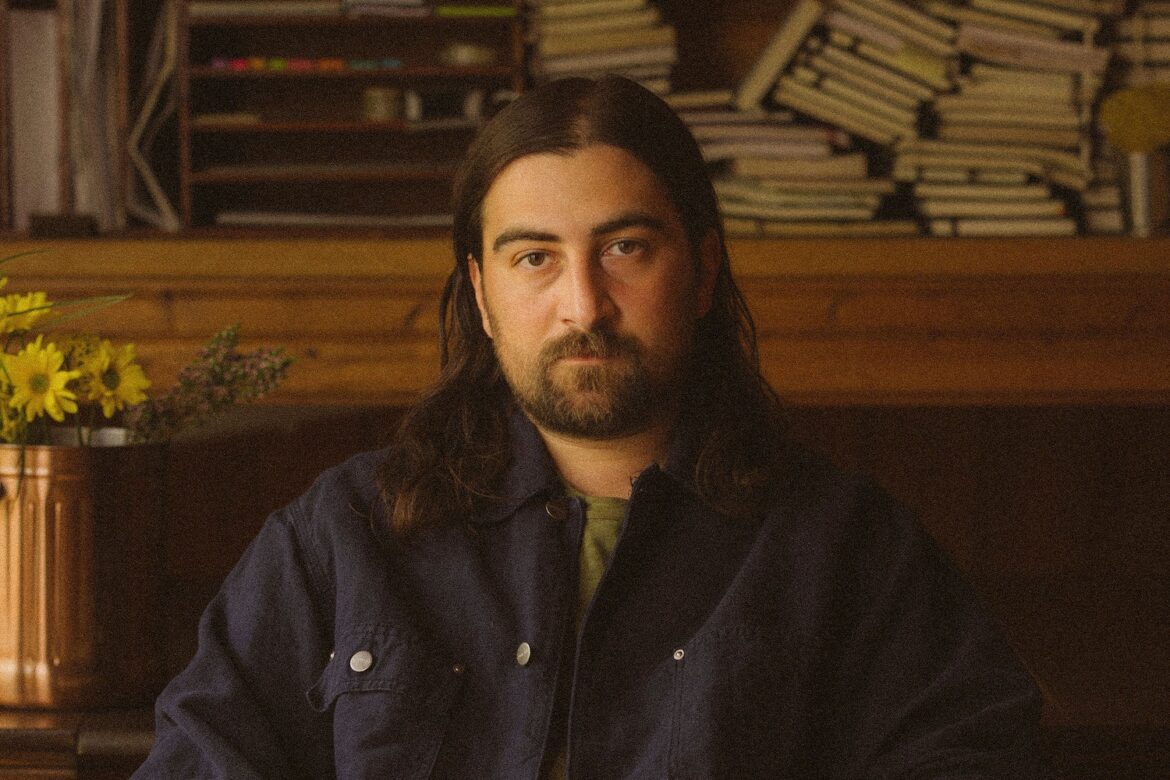
Noah Kahan expands his sound and sharpens his perspective on ‘The Great Divide,’ a sweeping, soul-baring fourth album that reckons with identity, distance, and what it means to stay connected in the aftermath of everything changing. Across its sprawling landscape, the Vermont singer/songwriter captures the quiet reckonings, restless what-ifs, and hard-won moments of connection that define growing up and moving forward – unpacking life’s divides in a deeply human portrait of who we were, who we are, and who we’re still becoming.
Stream: ‘The Great Divide’ – Noah Kahan
Fame hasn’t flattened Noah Kahan – it’s deepened him.
If anything, The Great Divide feels like the sound of someone standing in the middle of everything he’s built and still asking the same questions he always has, only louder now, with more at stake. It’s not a retread of Stick Season or a victory lap after it; it’s a widening of the lens – a record that stretches beyond the small-town borders that once defined him while holding tightly to the voice that made those stories feel so close, so personal, so real.
Where Stick Season felt like a return – to Vermont, to self, to something steady – The Great Divide begins from the other side of that journey. Released April 24th via Mercury Records, Noah Kahan’s fourth album asks what happens after you find your footing, only to realize the ground beneath you has shifted anyway. This is the defining tension of this era of Noah Kahan – not the climb, but the aftermath of arrival. Not the breakthrough itself, but the disorienting, deeply human question of what comes next once everything you dreamed of has already happened.

I’ll be gone so long
before the anger comes
I’ll be only what you’ve
known of me ’til now
Oh, how I hope you’re
moving on
I’m the trouble ahead,
and I scream in my sleep
You put your money on
red, I’m a sure bet at a
losin’ streak
I keep showin’ you
doors, but you can’t
open them up
‘Cause it gets harder to
see me the closer you
try to look
– “Doors,” Noah Kahan
What’s striking right away is how expansive this album feels without ever losing its intimacy. Kahan pushes beyond the folk rock framework that first carried him into the mainstream, letting elements of rock, pop, and Americana bleed into the margins, but his songwriting remains rooted in that same candid, conversational honesty. Across 17 tracks, he builds a world that feels lived-in and sprawling at once – a collection of moments, memories, and what-ifs that don’t coalesce into a single thesis so much as a shared emotional landscape. As he’s said himself, the process of making this album was a collision of “fear and pressure and joy and luck and total love,” and you can hear all of it tangled together in every corner of this record.
“I spent many months walking forward in complete darkness, hands out in front of me, desperate to touch something familiar that would show me I was near the light switch again,” Kahan shares. “I was never really alone; I don’t think any of us ever truly are. I was guided through the wilderness by calm voices, by the stillness of my home state, by the total commitment of my band, producers, and team, by the steady and loving touch of my wife and family, and of course, by the constant and enduring encouragement of my fans. I am very proud of what we are doing together, and I hope we can live this dream for a long, long time.”
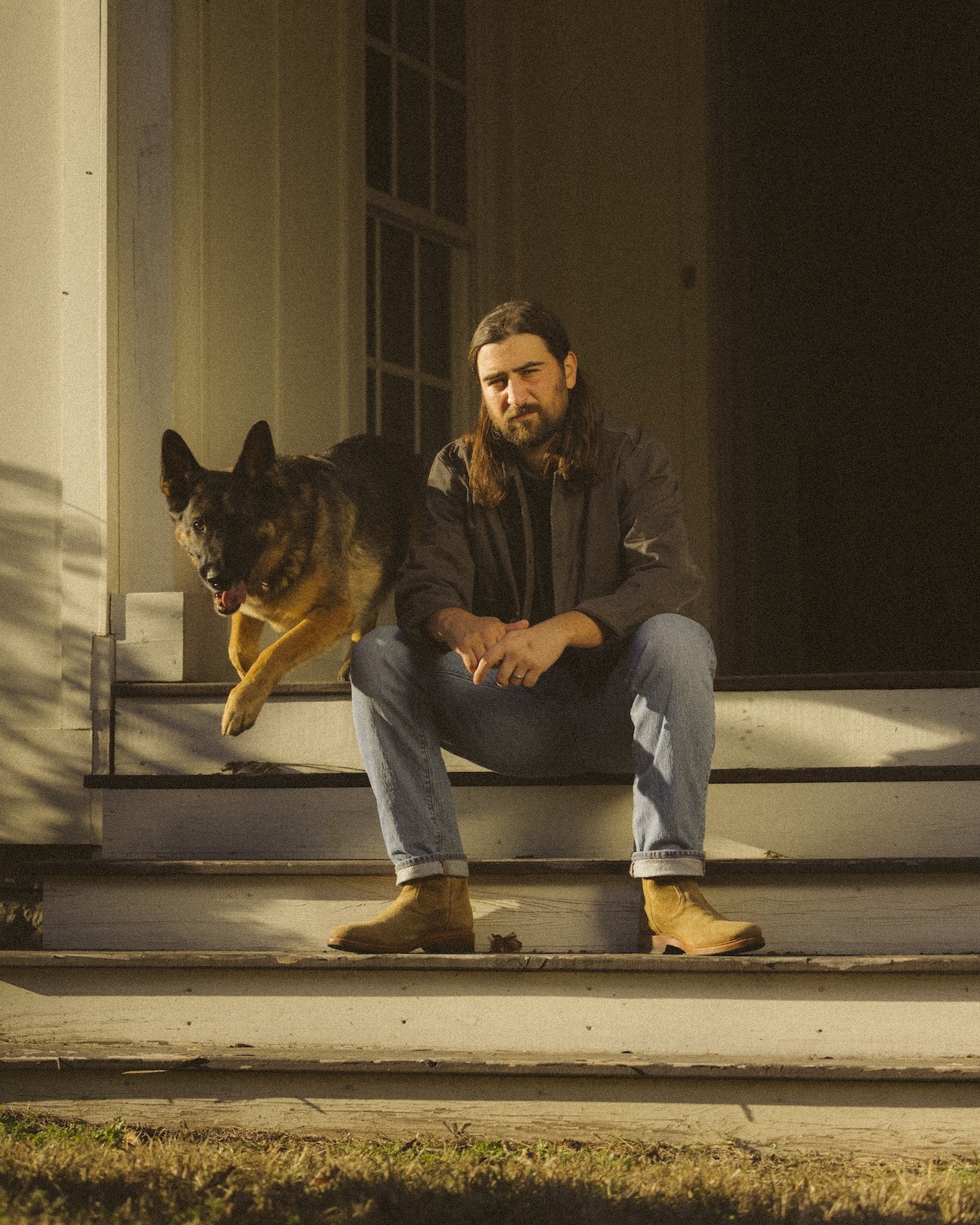
That context reframes everything: This isn’t an artist celebrating where he’s arrived – it’s someone trying to find something steady within it.
And in that sense, The Great Divide isn’t just a continuation of his story – it’s a recalibration of it. A moment where success, identity, and belonging no longer line up as neatly as they once did, and where the distance between them becomes impossible to ignore.
That tension is there from the very beginning. Album opener “End of August” sets the tone with a quiet, almost cinematic unraveling – a softly stirring song about endings that don’t arrive with spectacle, just the slow, inevitable shift of seasons and selves. “Everythin’ you see out here will die. Oh, it’s a matter of time,” Kahan sings, grounding the record in impermanence from the jump. It’s not nihilistic so much as honest – a recognition that time moves whether we’re ready or not, that growing up often feels like watching parts of your life slip away before you’ve had the chance to hold onto them.
Richie and Austen are often along for the ride
They don’t say a lot,
but they know every inch of this drive
If these trees started talkin’,
I bet you they’d only talk shit
‘Cause we never do anythin’ real,
we just talk about it
Endin’ of August, the bugs are just startin’ to die
All the neighbors are votin’
for someone who wins every time
And I thought gettin’ older
meant knowin’ it’s too late to try
And I tried gettin’ sober,
I swear I did bettеr this time
Oh, everythin’ you see out hеre will die
Oh, it’s a matter of time
‘Til it’s fields of ice and reflector lights
‘Til it’s our town
– “End of August,” Noah Kahan
From there, “Doors” widens the emotional scope while turning inward. It’s one of the album’s most cutting portraits of self-awareness and self-sabotage, where intimacy becomes both a desire and a threat. “I keep showin’ you doors, but you can’t open them up,” he admits, capturing that paradox of wanting to be understood while actively making it impossible. There’s a raw devastation in that line – not just the distance between two people, but the gap between who we are and who we wish we could be. If Stick Season introduced us to Kahan as a narrator of place, The Great Divide reveals him as a narrator of self – more exposed, more conflicted, and far less certain of where he stands within his own story.
I grew up pretendin’ sticks were little guns
I would point ’em at my dad, and he’d get mad
‘Cause God forbid I hurt someone
I’d hurt anyone I could
Anyone who got too close,
and anyone who wouldn’t look
I was born into a one-hundred-year storm
Foot of ice across Vermont
And in that dark, and in that frost,
a heart was formed
Malcontented and unwarm
You were unsuspectin’, not unwarned
That push and pull continues into “American Cars,” one of the album’s most immediate and cathartic moments.
It’s bigger, louder, more explosive – a song that leans into electric guitars and anthemic release without sacrificing emotional nuance. Beneath its driving energy sits a deeply human plea for repair, for connection, for someone to come back and make things right: “You’re gonna fix it, you’re gonna patch it up / ‘Cause, honey, we’re fragile, you’ve always been so tough,” he sings. It’s not just about a relationship – it’s about family, about home, about the people we rely on to hold things together when everything starts to crack. It’s also one of the clearest examples of how this record expands Kahan’s sound without losing its core – scaling up sonically while staying rooted in the same emotional immediacy that made his earlier work resonate so deeply.
I was workin’ on a plan to disappear completely
Gaslightin’ my friends into thinkin’ I was busy
‘Cause if drinkin’ was a day job,
I’d be askin’ for more money
Hell, I never take a day off,
and I’m always sellin’ somethin’
Headlights, your plates, 4CB3A
Didn’t know you drove American cars
Ray-Bans on your face, you’ve been drivin’ all day
But you’re here and we’re so grateful you are
‘Cause you’re gonna fix it,
you’re gonna patch it up
‘Cause, honey, we’re fragile,
you’ve always been so tough
You know that I miss you,
you always come runnin’ back
Whenever I ask, whenever I ask
That idea of fragility – and the quiet ways we cope with it – runs through so much of the album. On “Paid Time Off,” Kahan captures the strange, suspended feeling of trying to escape your own life without ever fully leaving it. “It’s been a damn near perfect day, just gettin’ high at the outlet mall / People grow up and then move away, but you don’t care, and I don’t mind at all,” he sings, balancing contentment and resignation in the same breath. It’s a snapshot of stillness that feels both comforting and claustrophobic – a life paused somewhere between staying and going.
Elsewhere, “Haircut” sharpens that introspection into something more biting, more confrontational. It’s a song about change, perception, and the stories we tell about ourselves and each other, where Kahan cuts through ego and illusion with startling clarity. “But at least I got a soul still, even if I’m in a bad place,” he declares, grounding the song in a hard-earned self-worth that feels fragile but real.
The heavy-hearted “Willing and Able” might be one of the album’s most quietly devastating moments. It’s about staying – about choosing to remain present in conflict, in love, in discomfort, even when it would be easier to walk away. “If you’ve got a bone to pick with me… I’ll stay here ‘til morning,” he sings, reframing endurance not as weakness, but as courage.
I’m willing and able
If you wanna kick this rock around
If you’ve got a bone to pick with me
If you’ve got a flag planted in the ground
Oh, I’ll stay here ’til morning
Or we can fight like we used to fight
Bony-limbed, red-faced, and teary-eyed
Under the glow of the TV light
Oh, I wish you could know me
And I wish I could know
you much more sometimes
Wish I could do nothin’ with you
Sit in the yard while the day dies
Leave it all on the table
And I’ll say, “I love you,” and mean it this time
You say, “I’m sorry for everything else”
If we found a way to the other side
That emotional honesty intensifies even further on songs like “Downfall,” where love and resentment collapse into one another: Wanting someone to be okay, while quietly bracing for the moment they aren’t. Later on in the gently dreamy, softly sun-kissed “We Go Way Back,” Kahan strips everything down to identity itself – not who people think he is, but who he feels like underneath it all. These songs don’t just expand the album’s scope; they deepen its core question of self, connection, and what remains when everything else changes. Taken together, they reveal the real stakes of this record: Not just losing people, but losing clarity – about who you are, where you belong, and what parts of yourself still feel true once everything else has changed.
Used to hate the silence,
used to make me think about the old days
And all the miles in my legs,
the late flights and missed birthdays
Out here I can hear your heartbeat,
I can hear the start of a long sigh
I can hear the song of the robin,
I haven’t wrote my own in a long time
And it’s just fine
‘Cause I don’t need my name back,
throw my notebook in the basement
Oh, I love you, and
I can’t fake that for a moment
We go way back, we go way back
Tell me I don’t need options,
that I have substance, that I’m important
If it’s only for letting dogs out,
sweeping porches, then make me nothing
Take me way back
We go way back
– “We Go Way Back,” Noah Kahan
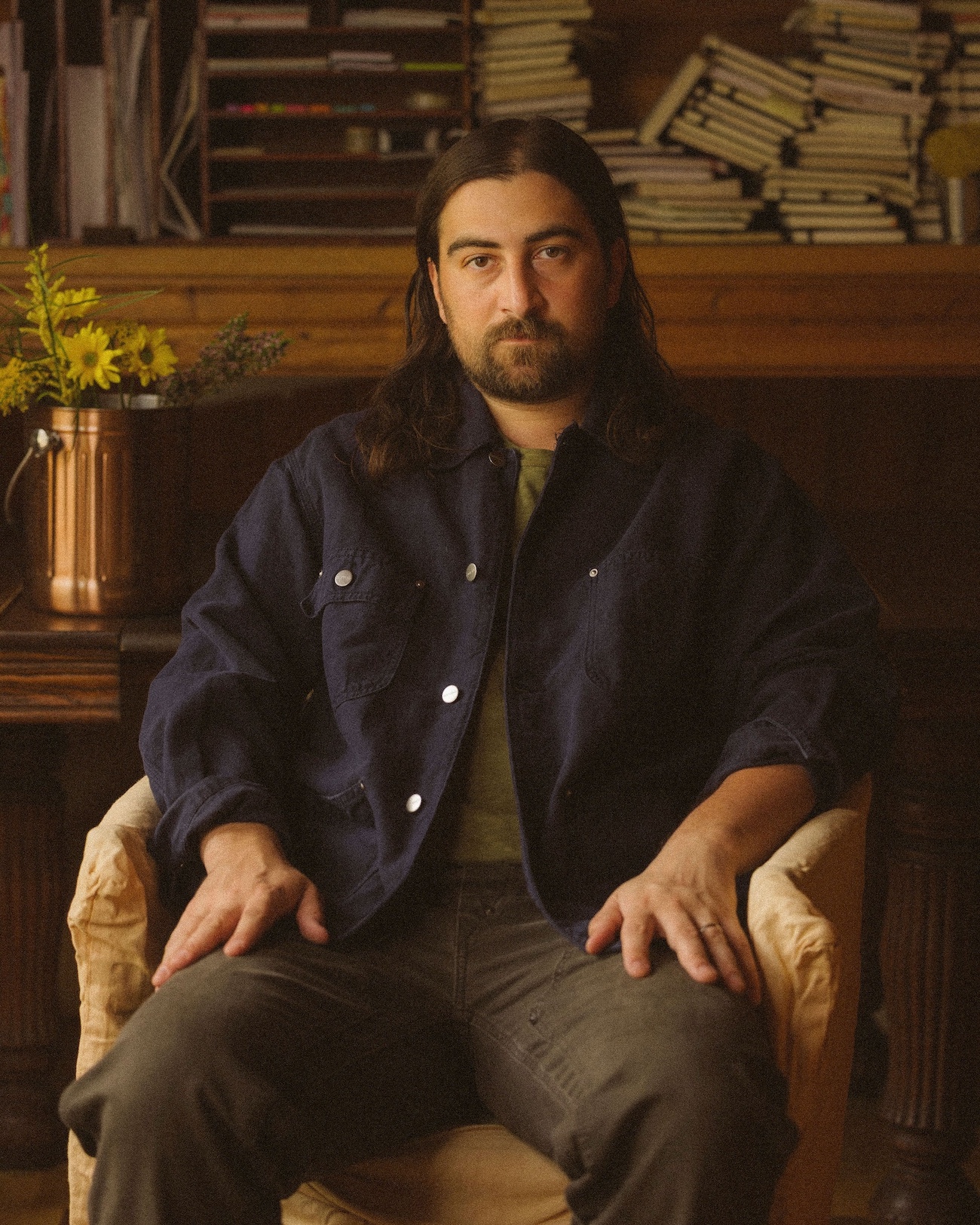
Across all of these songs, there’s a recurring question: What does it mean to stay connected – to a place, to a person, to yourself – when everything around you is shifting?
Kahan doesn’t offer easy answers. Instead, he leans into the uncertainty, the contradictions, the unresolved spaces between moments. Even the album’s title suggests as much: Not a single divide, but many – between past and present, home and elsewhere, who we were and who we’re becoming.
That multiplicity is what makes The Great Divide feel so reflective of the moment it arrives in – a time where identity itself feels fluid, fractured, and constantly renegotiated, and where connection often exists in tension with distance rather than in spite of it.
That theme comes into sharp focus on the title track, “The Great Divide,” and the surrounding songs like “Porch Light” and “Deny Deny Deny.” On “Porch Light,” he embodies a kind of stubborn, aching devotion – “I’ll leave the porch light on / Heartbroken, each morning when it’s me that turns it off” – capturing the quiet persistence of love even when it’s no longer returned. On “Deny Deny Deny,” that connection fractures into avoidance and silence, where communication breaks down into deflection and exhaustion. Together, they paint a portrait of relationships not as fixed points, but as evolving, often messy negotiations between two imperfect people.
Poison spreading to my lungs
I ain’t holdin’ breath,
ain’t holdin’ any faith at all
And I’ll pray for you, be in pain for you
I’ll leave the porch light on
Heartbroken, each morning
when it’s me that turns it off
If those songs circle the edges of connection and disconnection, “The Great Divide” itself stands at the center – not as an answer, but as the question everything else keeps orbiting. It’s a fiery, unguarded reckoning with distance in all its forms: Between friends, between past and present selves, between the life you imagined and the one you’re actually living. Kahan doesn’t frame that divide as a single moment of rupture, but as something quieter and more insidious – the slow drift of time, the conversations that never happened, the understanding that never quite landed.
“I hope you settle down, I hope you marry rich. I hope you’re scared of only ordinary shit,” he sings, offering a blessing that’s tangled with worry, regret, and unresolved care. It’s empathy arriving too late, honesty filtered through hindsight – a portrait of two people who grew up side by side only to realize they were never quite seeing each other clearly. Where so many songs chase closure, “The Great Divide” resists it entirely, choosing instead to name the space itself – to stand at its edge and finally say what couldn’t be said when it mattered most.
In doing so, it becomes more than just a title track – it becomes the thesis of this era, a song that doesn’t attempt to close the distance, but finally acknowledges it in full.
You know I think about you all the time
And my deep misunderstanding of your life
And how bad it must have been for you back then
And how hard it was to keep it all inside
I hope you settlе down, I hope you marry rich
I hope you’re scarеd of only ordinary shit
Like murderers and ghosts and cancer on your skin
And not your soul and what He might do with it
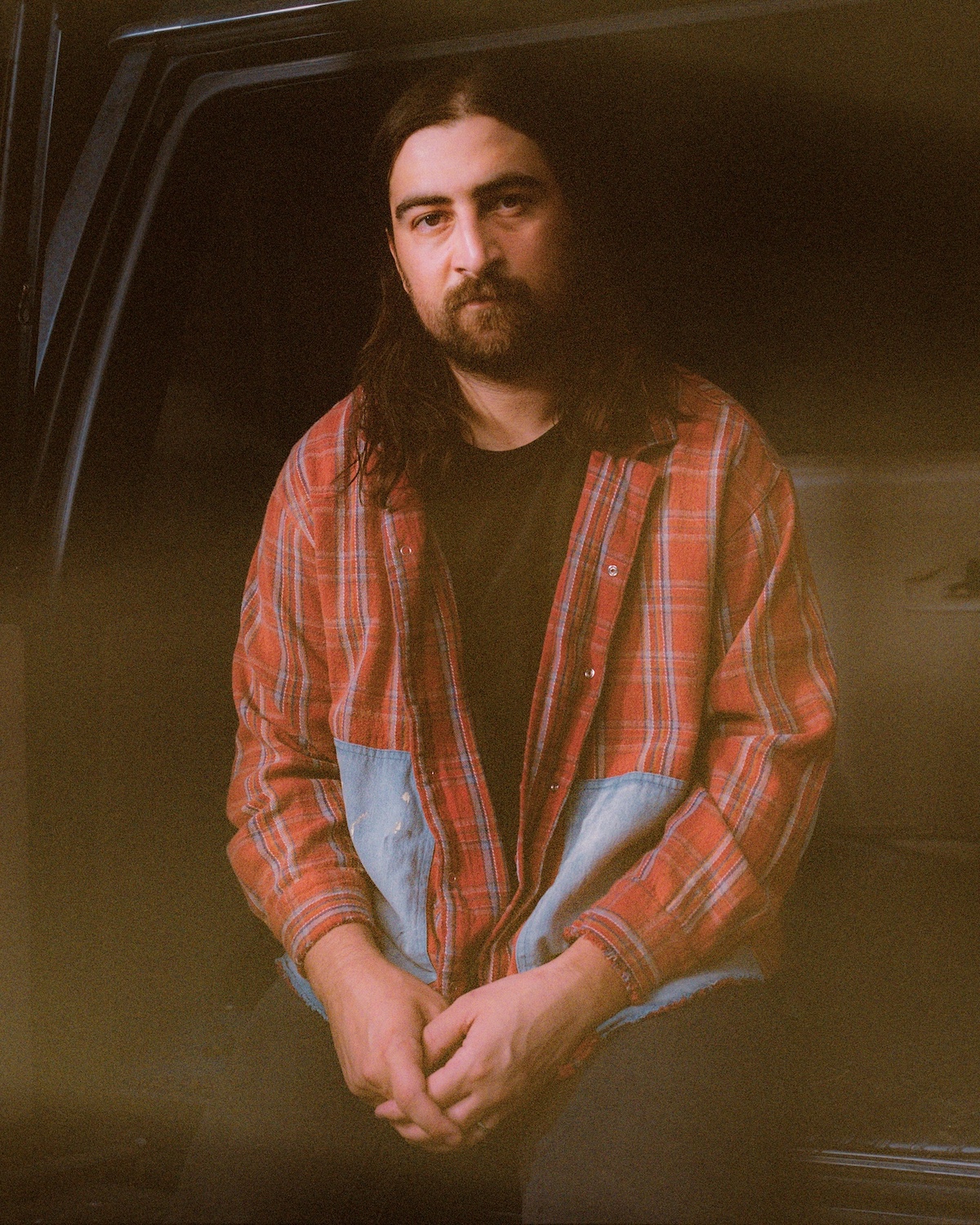
This sense of distance isn’t just thematic – it’s lived. It’s the space Kahan found himself standing in while making this record, looking back as much as forward, trying to make sense of everything that had shifted in between.
“From a long silence forms a divide, a great expanse demanding attention,” Kahan explains. “I stare across it. I see old friends, my father, my mother, my siblings, my younger self, the great state of Vermont. I want to scream these feelings, to gesticulate wildly at the figures on the other side, but my voice has grown hoarse and muted after years of climbing a ladder towards the wild, spiraling dreams that have materialized in front of me. Instead, I wrote them down next to a piano in Nashville, next to a pond in Guilford Vermont, in a legendary studio in upstate New York, on a farm with a firetower in Only, Tennessee.”
“The songs are the words I would say if I could. They are the fears I dance with in the moments before I drift off to sleep. The music here is my best attempt to delve deeper into the people, places, and feelings that have made me who I am. I am grateful for all of it, for all of you, for listening to them, if you choose to do so.”
That framing casts the entire album in a new light: These aren’t just songs, but conversations that couldn’t happen any other way – attempts to reach across distances that language alone can’t quite bridge.
What makes The Great Divide so compelling, though, is that it never feels like it’s building toward a single emotional climax. There’s no one “centerpiece” track that defines the album, no singular thesis that ties everything together neatly. Instead, each song exists as its own world – a fully realized moment with its own textures, tensions, and truths. And yet, taken together, they form a cohesive, expansive, and deeply human musical journey.
That sense of accumulation – of moments stacking into meaning – is what makes the album’s closing track, “Dan,” land with such quiet power. Where “End of August” begins with endings, “Dan” ends with presence – with memory, friendship, and the fragile comfort of simply being there. “Hand around a Miller Lite, waitin’ for the sun to rise… we’re so alone most of the time,” Kahan reflects, acknowledging both isolation and connection in the same breath. It’s a song about looking back without trying to rewrite anything, about sitting with the past as it is and finding your own form of truth in that stillness.
I’m with my best friend Dan now,
campin’ on the county line
Hand around a Miller Lite,
waitin’ for the sun to rise
Couple of hometown heroes
fightin’ over politics
Sittin’ and rememberin’,
young men from different sides
And we’re so alone most of the time
Most of the time, we don’t have anyone
Where do we go when we die?
I wouldn’t mind right here,
no, I wouldn’t mind at all
Everybody’s asleep, let’s talk about him
Let’s talk about high school
and talk about death
Before the moment tries to disappear
Don’t the sky look pretty up here?
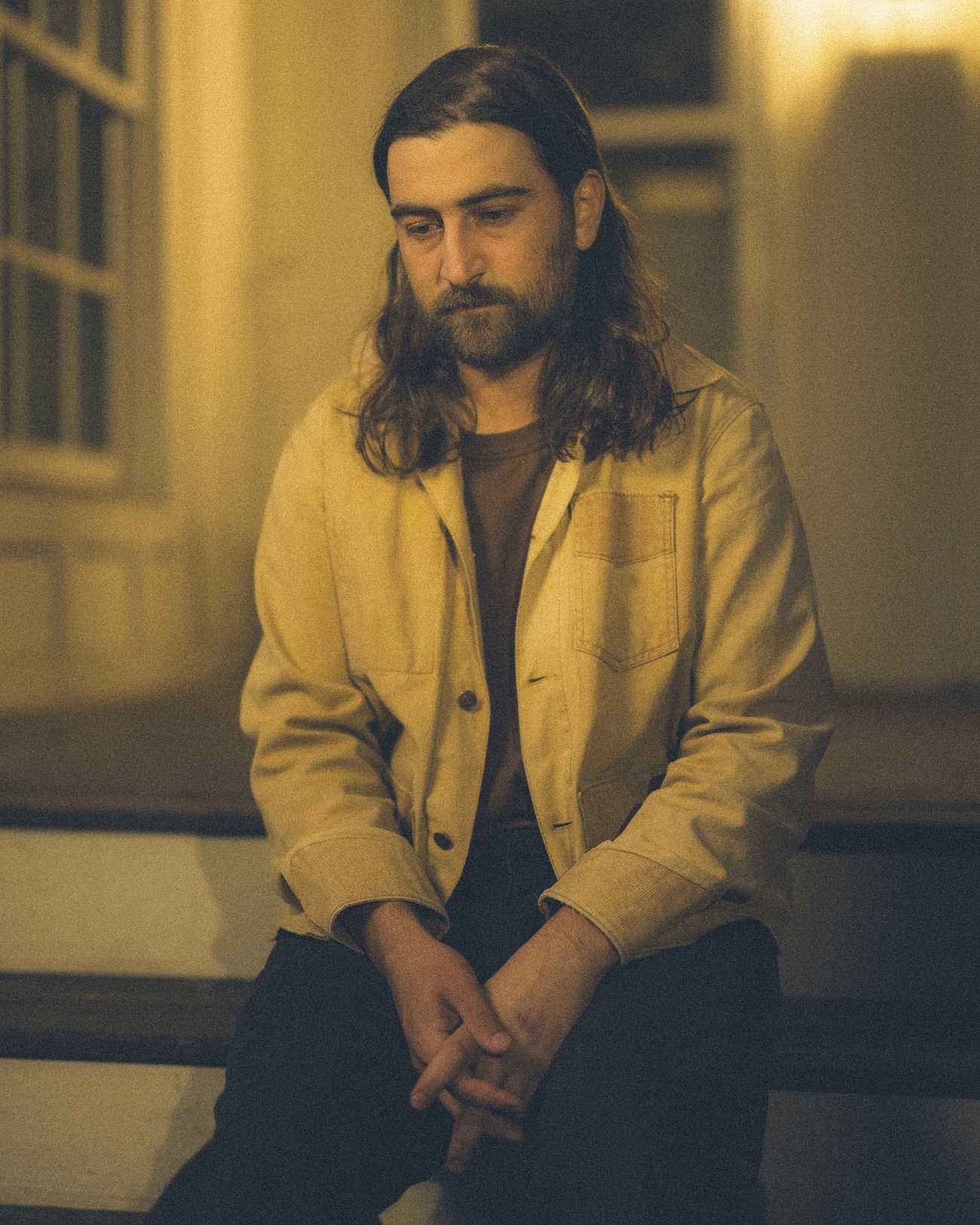
And maybe that’s what The Great Divide ultimately offers: Not resolution, but recognition.
A reminder that life rarely ties itself up neatly, that the spaces between people and places and versions of ourselves are often where the most honest stories live. Noah Kahan doesn’t try to bridge every gap or answer every question. He just stands in the middle of it all – of love and loss, of home and distance, of who he was and who he’s becoming – and sings it back to us in a way that makes it feel a little less lonely.
The Great Divide doesn’t just document this moment in Noah Kahan’s life – it defines it: An era shaped not by arrival, but by awareness, by distance, and by the quiet, ongoing work of trying to stay connected to what matters most.
It’s a record about divides, yes – but more importantly, it’s about what we do with them. About whether we try to cross them, carry them, or simply learn how to live on our side of the distance with open eyes.
— —
:: read more about Noah Kahan here ::
— —
:: stream/purchase The Great Divide here ::
:: connect with Noah Kahan here ::
— —
Stream: “The Great Divide” – Noah Kahan
— — — —

Connect to Noah Kahan on
Facebook, 𝕏, TikTok, Instagram
Discover new music on Atwood Magazine
© Patrick McCormack
 © Patrick McCormack
The Great Divide
an album by Noah Kahan